
In an increasingly saturated fashion and retail market, brand differentiation is no longer driven by product design alone. Custom labels play a decisive role in shaping how customers perceive, remember, and emotionally connect with a brand. When engineered with the right materials, structure, and design logic, labels become powerful tools for building long-term customer loyalty and brand recognition.
At LabelGo, custom labels are not treated as secondary components. They are designed as strategic brand assets—integrated into the full product lifecycle from first impression to repeat purchase.
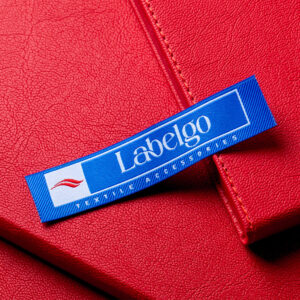
1. Custom Labels as a Foundation of Brand Identity
A consistent and well-executed label system reinforces brand identity at every customer touchpoint. Neck labels, care labels, hang tags, and size labels all contribute to how a brand is recognized and remembered.
Clear typography, controlled color palettes, and material consistency ensure that customers can instantly identify a brand—often without seeing the logo itself. This principle is explored in detail in The Importance of Custom Labels in Building Brand Identity and How Custom Labels Help Build a Recognizable Fashion Brand?.
2. Building Emotional Connections Through Label Design
Customer loyalty is built on emotional connection. Custom labels allow brands to communicate values, craftsmanship, and authenticity through tactile and visual elements.
-
Woven textures signal durability and premium quality
-
Sustainable materials reflect environmental responsibility
-
Minimalist or expressive designs support brand storytelling
This emotional dimension of labeling is closely aligned with The Art of Storytelling Through Product Labels, where labels act as silent brand narrators embedded into the garment.
3. Quality Labels Increase Trust and Repeat Purchases
High-quality labels are often subconsciously associated with high-quality products. Customers who experience comfort, durability, and clarity from labels are more likely to trust the brand and return for future purchases.
This relationship between perceived quality and loyalty is particularly evident with woven labels, as discussed in How Do Woven Labels Reflect the Quality of Your Brand? and Benefits of Using Woven Labels for Clothing Brands.
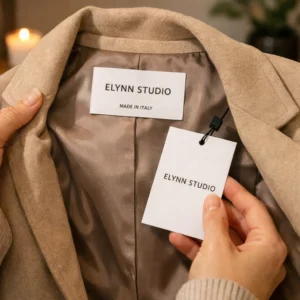
4. Consistency Across Label Types Strengthens Recognition
A fragmented label system weakens brand recall. Strong brands maintain visual and technical consistency across:
-
Woven labels
-
Printed labels
-
Cardboard labels (hang tags)
-
Care and size labels
Choosing the correct combination ensures that branding remains cohesive across all product lines. This process is explored further in Woven Labels, Cardboard Labels & Printed Labels: Find the Perfect Match for Your Brand and Choosing the Right Label Type for Your Clothing Brand.
5. Custom Labels Support Professional and Experiential Branding
Custom labels are not limited to garments alone. They play a vital role in events, pop-ups, and brand activations, where physical branding must be both functional and memorable.
Elements such as wristband labels, limited-edition tags, or event-specific hang tags enhance brand presence and exclusivity—concepts detailed in Creative Ways to Use Wristband Labels for Events and Campaigns and How Custom Labels Add Value to Fashion Events?.
6. Sustainability as a Driver of Modern Customer Loyalty
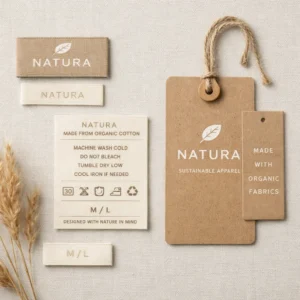
Today’s consumers actively evaluate a brand’s environmental responsibility. Labels made from organic cotton, recycled fibers, or low-impact inks directly influence purchasing decisions and long-term brand trust.
Sustainable labeling not only meets ethical expectations but also strengthens emotional loyalty, as highlighted in Why Sustainable Labeling Matters in Modern Fashion and The Environmental Benefits of Using Sustainable Label Materials.
7. Precision Design and Digital Customization Improve Brand Experience
Advanced digital configurators and AI-supported workflows allow brands to maintain accuracy, scalability, and speed without compromising design integrity. Proper sizing, spacing, and material selection ensure labels remain legible, comfortable, and visually balanced.
These efficiencies are addressed in The Benefits of Digital Label Design and Customization Tools, Tips for Selecting the Best Label Size for Your Product, and AI-Supported Labeling for Faster and More Accurate Production.
8. Avoiding Design Mistakes That Damage Brand Perception
Poor font choices, overcrowded layouts, incorrect sizing, or low-quality materials can undermine even the strongest brand message. Avoiding these errors is critical to maintaining credibility and trust.
For deeper insight, brands should review 5 Common Mistakes to Avoid When Designing Your Product Label and Design Tips for Eye-Catching Woven Labels.
Conclusion
Custom labels are far more than informational components—they are strategic branding instruments that shape perception, trust, and loyalty. From reinforcing brand identity to supporting sustainability and experiential marketing, well-designed labels create lasting customer recognition.
At LabelGo, custom labels are engineered with production precision, material intelligence, and brand strategy in mind. For brands seeking long-term customer loyalty and strong market recognition, investing in high-quality, custom labeling is not optional—it is essential.