What are woven labels complete guide starts with a clear explanation of how woven labels work and why clothing brands use them in garment production. In the fashion and textile industry, woven labels act as long-term identifiers that communicate structure, durability, and brand consistency. This guide helps brands understand when woven labels are the right choice.
If you are new to garment labeling or exploring label options for the first time, woven labels may initially seem technical. However, this guide is designed as a clear, beginner-friendly reference. It explains what woven labels are, how they work, where brands use them, and when they make the most sense—without assuming prior knowledge.
What Are Woven Labels?
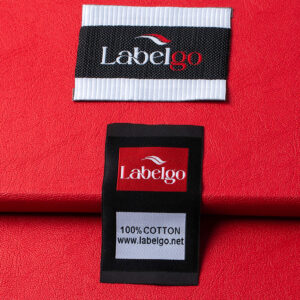
In simple terms, woven labels are fabric labels created by weaving yarns together on industrial looms. Manufacturers form text, logos, and symbols directly within the fabric structure instead of applying ink to the surface.
As a result, woven labels differ fundamentally from printed labels:
-
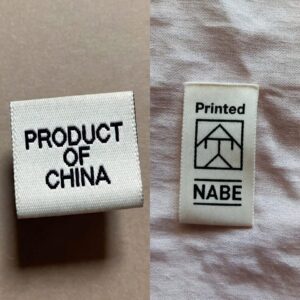
Printed labels place ink on top of fabric
-
Woven labels build the design into the fabric
Because of this construction, woven labels offer:
-
High durability
-
Excellent wash resistance
-
Sharp text and logo definition
-
A refined, tactile feel
For this reason, clothing brands commonly use woven labels for neck labels, brand identifiers, size labels, and signature branding details.
What Woven Labels Are Not
To avoid confusion, it helps to clarify what woven labels do not represent.
First, woven labels are not stickers or heat transfers.
Second, they are not surface-printed textiles.
Finally, they are not temporary branding solutions.
Instead, brands design woven labels to last as long as the garment itself. This permanence explains their close connection to The Importance of Custom Labels in Building Brand Identity.
How Are Woven Labels Made?
At a basic level, woven label production combines digital preparation with textile manufacturing. Typically, the process follows four clear stages.
1. Design Preparation
Designers adjust logos and typography so looms can reproduce them accurately using yarns rather than ink.
2. Yarn and Color Selection
Next, manufacturers assign a specific yarn to each color in the design. This step ensures consistent color output across production batches.
3. Loom Weaving
Then, industrial looms interlace warp and weft yarns to form the label design directly within the fabric.
4. Cutting and Folding
Finally, production teams cut and finish the labels according to how brands plan to sew them into garments.
At this stage, digital workflows play a critical role in accuracy and speed. For deeper insight, see The Benefits of Digital Label Design and Customization Tools.
Common Types of Woven Labels
Brands choose different woven label formats based on garment placement and comfort requirements. Most commonly, these types include:
-
End Fold Labels – Folded edges, ideal for neck branding
-
Center Fold Labels – Balanced format for brand or care details
-
Straight Cut Labels – Flat labels, often used in side seams
-
Manhattan Fold Labels – A cleaner, premium presentation
Because each format affects comfort and stitch security, size and placement matter. For practical guidance, review Tips for Selecting the Best Label Size for Your Product.
Where Do Brands Use Woven Labels?
Brands typically place woven labels where durability and visibility matter most. For example, they often appear:
-
Inside necklines for brand identification
-
Along side seams for size or secondary branding
-
At hems or waistbands for subtle signature details
Over time, woven labels act as long-term brand identifiers. This function closely aligns with How Custom Labels Help Build a Recognizable Fashion Brand?.
Why Do Clothing Brands Choose Woven Labels?
Clothing brands rely on woven labels for several clear reasons.
First, woven labels communicate professionalism at first touch.
Second, they maintain clarity after repeated washing and wear.
Third, they support consistent branding across collections and markets.
Together, these factors explain How Do Woven Labels Reflect the Quality of Your Brand?, especially in competitive fashion segments.
Woven Labels vs. Printed Labels
Although both label types serve valid purposes, they perform differently.
-
Woven labels offer durability, texture, and strong branding presence
-
Printed labels provide flexibility, lower cost, and suitability for care information
Therefore, the right choice depends on garment lifecycle and branding goals. A detailed comparison appears in Woven Labels vs. Printed Labels Which One to Choose?.
Are Woven Labels Sustainable?
Increasingly, manufacturers produce woven labels using recycled polyester or responsibly sourced cotton. As a result, woven labels can support sustainability goals without sacrificing performance.
Additionally, because woven labels typically last for the full life of the garment, they reduce the need for replacement. This approach aligns closely with Why Sustainable Labeling Matters in Modern Fashion.
Common Beginner Mistakes
First-time buyers often encounter avoidable issues. For instance, common mistakes include:
-
Overloading small labels with excessive detail
-
Choosing incorrect fold types for garment placement
-
Using low-contrast color combinations
Fortunately, early awareness prevents costly revisions. For practical advice, see 5 Common Mistakes to Avoid When Designing Your Product Label.
When Are Woven Labels the Right Choice?
In general, woven labels work best when:
-
Garments are designed for long-term use
-
Brand recognition plays a central role
-
Consistency across multiple products is essential
Conversely, disposable or short-lifecycle items may not require woven solutions.
Conclusion
Unlike short articles, this complete guide covers the structure, usage, and basic selection criteria of woven labels. In conclusion, woven labels are structural textile components, not surface decorations. Their durability, clarity, and consistency make them a foundational choice for garment branding.
For brands and designers seeking a reliable, long-term labeling solution, woven labels offer a balanced combination of function and presentation—making them one of the most trusted label types in the fashion and textile industry.