
In apparel production, labels are not a single category but a system of components that work together to communicate brand identity, origin, size, and quality. Woven labels sit at the core of this system, supported by patch labels, size labels, “Made in” labels, and care labels—each serving a distinct functional and branding purpose.
This article focuses on woven labels and their related label types, explaining how they are used together in modern fashion and textile manufacturing.
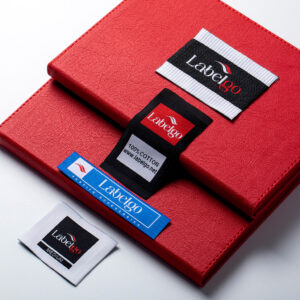
Woven Labels: The Foundation of Brand Identification
Woven labels are produced by interlacing yarns on looms, embedding text and logos directly into the fabric structure. This makes them the most durable and premium option for long-term brand visibility.
They are primarily used as:
-
Main brand labels (neck or collar labels)
-
Signature identity labels inside garments
-
Exterior branding elements in select designs
Because they withstand repeated washing and wear, woven labels play a direct role in how consumers perceive product quality. This connection is closely tied to How Do Woven Labels Reflect the Quality of Your Brand?
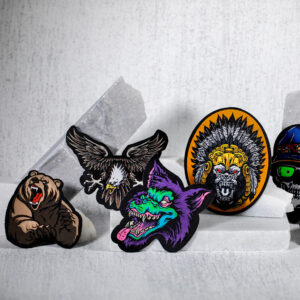
Patch Labels: Branding Beyond the Neck Label
Patch labels are a variation of woven or embroidered labels designed to be visible on the outside of garments. They are commonly applied to:
-
Jackets and outerwear
-
Denim products
-
Caps, bags, and accessories
Unlike standard woven labels, patch labels are often larger, thicker, and intentionally decorative. They allow brands to create a strong visual statement while maintaining durability. When paired with core woven branding, patch labels help reinforce identity and storytelling, as discussed in The Art of Storytelling Through Product Labels.
Size Labels: Functional Clarity for the End User
Size labels are essential for usability and regulatory clarity. While they may appear simple, they are a critical part of the labeling system.
Common formats include:
-
Woven size labels for durability and consistency
-
Printed size labels for lightweight garments
Correct sizing presentation improves customer experience and reduces returns, especially in international markets. This becomes increasingly important when following global standards, as outlined in A Guide to Standard Size Labels Across Global Markets.
“Made in” Labels: Origin as a Trust Signal
“Made in” labels communicate the country of origin, which can significantly influence consumer trust and purchasing decisions. These labels are often produced as woven labels to ensure permanence and compliance.
Beyond legal requirements, country-of-origin labels support transparency and brand positioning. Their continued relevance is explored in Why “Made in [Country]” Labels Still Matter to Consumers.
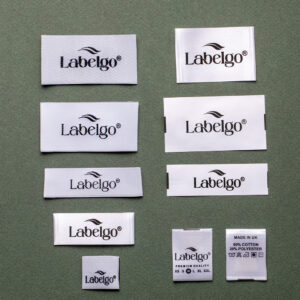
Care Labels and Supporting Information Labels
While woven labels focus on branding, care labels deliver legally required information such as washing instructions, fiber content, and safety details. These are typically printed but may also be woven in premium garments.
Care labels complement woven labels by ensuring compliance and usability. Their role is further explained in What Are Care Labels and Why Are They Legally Required?
Combining Label Types for a Complete System
A professionally labeled garment rarely relies on a single label type. Instead, brands combine:
-
Woven brand labels
-
Patch labels for visual impact
-
Size labels for clarity
-
“Made in” labels for transparency
-
Care labels for compliance
Choosing the right mix is part of a broader strategy covered in How to Choose the Right Label Type for Your Fashion Brand?
Conclusion
Woven labels are the backbone of garment branding, but their true value emerges when combined with complementary label types such as patch labels, size labels, and origin labels. Together, these elements create a structured, compliant, and recognizable labeling system.
For fashion brands aiming to communicate quality, credibility, and consistency, understanding woven labels and their related types is not optional—it is foundational to professional product presentation.