
Printed labels remain one of the most versatile identification solutions in the apparel, accessories, and consumer-goods sectors. Their flexibility in materials, color accuracy, and cost-efficiency makes them a core component of modern branding systems. At LabelGo, printed labels are engineered with production stability, high-resolution print capability, and optimized substrate behavior to ensure consistent performance across global supply chains.
This article outlines the key advantages and inherent limitations of printed labels, helping brands evaluate whether this label type aligns with their application, material strategy, and long-term branding needs.
What Are Printed Labels?
Printed labels are produced using high-precision printing methods—typically thermal transfer, flexographic, or digital printing—on substrates such as satin, edge-satin, white cotton, or organic cotton. They are commonly used for care instructions, brand identity, size information, and accessory tagging, where softness and full-color rendering are priorities.
For a deeper understanding of how printed labels compare with other label formats, see “Woven Labels, Cardboard Labels & Printed Labels: Find the Perfect Match for Your Brand.”
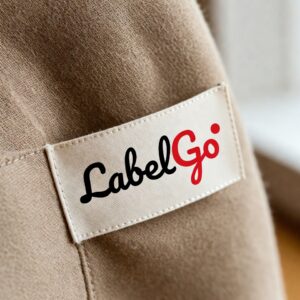
Advantages of Printed Labels
1. Superior Color Range and High-Resolution Artwork
Printed labels can reproduce gradients, fine typography, micro-details, and multicolor illustrations that may not be achievable in woven structures. This makes them ideal for brands requiring:
-
Photographic or detailed artwork
-
Full-color logos
-
High contrast without material distortion
Compared with woven alternatives, printed labels deliver sharper fidelity for intricate graphical work. For more on evaluating label types, consider “How to Choose the Right Label Type for Your Fashion Brand?”
2. Soft and Flexible Material Options
Satin and cotton substrates provide a smooth, skin-friendly finish, making printed labels suitable for:
-
Neck labels
-
Children’s apparel
-
Activewear
-
Intimates
The low-friction surface reduces irritation, especially when used with soft-edge finishing.
3. Cost-Efficient for Small and Medium Runs
Printed labels typically offer lower minimum order quantities and more cost-effective production for:
-
Seasonal collections
-
Custom drops
-
Event-related merchandise
Their efficiency is particularly valuable for fast-fashion or quick-turnaround market cycles.
4. Lightweight and Easy to Sew
Printed labels maintain dimensional stability during stitching and laundering. Their thin profile reduces seam bulk and supports clean garment construction.
For additional insights into label roles at events and branding applications, see “The Role of Printed Labels in Modern Clothing.”
Limitations of Printed Labels
1. Lower Abrasion Resistance Than Woven Labels
Although durable, printed labels may show wear over extended friction cycles, especially in heavy-duty or industrial-use garments. Woven labels typically outperform printed substrates in long-term abrasion tests.
2. Potential for Ink Degradation Over Time
Repeated washing, high-temperature laundering, or chemical exposure may affect print longevity. Correct material selection (e.g., satin vs. cotton) and ink system choice are therefore critical from a manufacturing perspective.
3. Not Ideal for Highly Textured or Raised Branding
Printed labels are inherently flat. Brands seeking embossed texture, depth, or tactile structure may prefer woven or specialty labels. When evaluating alternatives, “Woven Labels vs. Printed Labels: Which One to Choose?” provides a comparative framework.
Best Use Cases for Printed Labels
Printed labels are strategically suitable for:
-
Care labels requiring regulatory text and symbols
-
Detailed logos needing multi-tone color accuracy
-
Soft-touch neck labels for comfort-driven garments
-
Limited collections where fast turnaround is essential
-
Organic or sustainable branding, especially when printed on organic cotton
To explore broader sustainability considerations, refer to “The Environmental Benefits of Using Sustainable Label Materials.”

Conclusion
Printed labels deliver color precision, flexibility, and cost-efficiency, making them a strong choice for brands prioritizing comfort and visual detail. Their limitations—primarily abrasion and long-term durability—should be weighed against production environments and garment category requirements.
For brands developing a comprehensive label ecosystem, printed labels often function best when used alongside woven labels and hang tags, ensuring both visual impact and long-term resilience across different touchpoints.
If you need guidance selecting the optimal material, dimensions, or finishing method for your printed labels, LabelGo’s engineering-led team ensures production-ready, high-accuracy label solutions tailored to your branding objectives.