
Cardboard labels, also known as hang tags, play a critical role in how a product is perceived at first glance. Beyond conveying basic information, a well-designed cardboard label communicates brand values, supports product positioning, and enhances overall brand recognition. In this article, we explore creative and technically feasible design ideas for cardboard labels, focusing on clarity, durability, and production efficiency—aligned with LabelGo’s manufacturing-led approach.
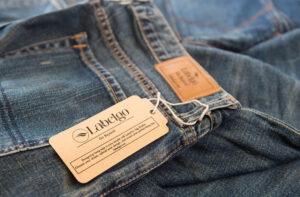
Minimal Design with a Clear Brand Message
Simplicity remains one of the most effective design strategies for cardboard labels. Overloading a hang tag with excessive text or graphics often reduces readability and weakens brand impact.
A minimal layout typically includes:
-
Brand logo
-
Product name or category
-
A short brand statement or key message
This approach supports long-term scalability and is particularly effective for fashion and lifestyle brands focused on consistency. For a broader branding perspective, see How Custom Labels Enhance Customer Loyalty and Recognition.
Material Choice as a Design Statement
Design is not limited to graphics. The selected cardboard material directly influences brand perception.
-
Recycled cardboard emphasizes sustainability
-
High-gsm stock (400–450 gsm) signals durability and quality
-
Natural or textured surfaces reinforce authenticity
Material-driven storytelling is especially effective when combined with thoughtful typography and restrained color usage. This concept aligns closely with The Environmental Benefits of Using Sustainable Label Materials.
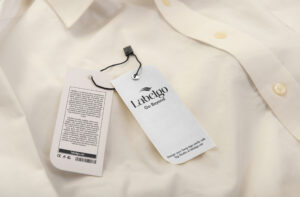
Creative Shapes and Custom Die-Cuts
While rectangular hang tags are standard, custom shapes can significantly increase memorability. Options include:
-
Rounded corners for a softer visual language
-
Asymmetrical cuts for contemporary branding
-
Logo-shaped die-cuts for strong brand recall
From a production standpoint, custom cuts must remain compatible with string holes and automated cutting processes to avoid unnecessary waste or delays.
Using Both Sides Strategically
The reverse side of a cardboard label is often underutilized. A functional two-sided design improves both aesthetics and usability:
-
Front: Branding and visual identity
-
Back: Product story, QR code, care notes, or origin information
This structure supports transparency and customer engagement. For country-of-origin messaging, Why “Made in [Country]” Labels Still Matter to Consumers provides valuable insights.
Print Techniques That Add Depth
Advanced finishing techniques can elevate a cardboard label when applied selectively:
-
Embossing or debossing for tactile contrast
-
Spot UV for logo emphasis
-
Matte finishes combined with gloss details
Each technique must be evaluated against cost, lead time, and production volume to ensure efficiency and repeatability.
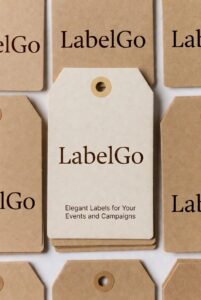
Cardboard Labels for Events and Campaigns
Hang tags are not limited to garments. They are increasingly used for:
-
Collection launches
-
Pop-up stores
-
Limited edition campaigns
Event-focused cardboard labels create cohesion across physical touchpoints. This use case connects directly with Why High-Quality Labels Are Essential for Professional Events.
Technical Considerations from a Manufacturing Perspective
-
Cardboard labels are highly customizable but require defined tolerances
-
Common risks include small font sizes, low contrast, and artwork too close to cut edges
-
Hole placement must be aligned with material strength and intended string type
Addressing these factors at the design stage ensures smooth production and consistent quality.
Conclusion
Creative cardboard label design is a balance between visual impact and production reality. When material, layout, and finishing techniques are aligned with brand strategy, a hang tag becomes more than a label—it becomes a reliable brand asset.
At LabelGo, our approach is clear:
We provide technical guidance; you approve the final design.
With the right structure, cardboard labels can support brand growth, consistency, and long-term scalability.