
Patch labels are durable branding elements attached to garments and accessories to create strong visual recognition and long-term performance. Unlike standard woven or printed labels sewn into seams, patch labels are typically applied to the exterior of the product, functioning as a visible design component.
For fashion brands, sportswear manufacturers, and accessory producers, patch labels combine structural durability with brand presentation.
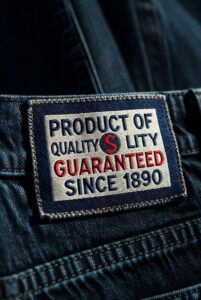
What Are Patch Labels?
Patch labels are standalone branding pieces produced from materials such as woven fabric, printed textile, leather, faux leather, rubber, or embroidered bases. They are manufactured separately and then stitched, heat-applied, or bonded onto garments.
They are commonly used on:
-
Denim products
-
Outerwear
-
Caps and headwear
-
Bags and backpacks
-
Sportswear collections
To understand how patch labels differ from other branding solutions, see What Are Woven Labels? A Complete Guide and What Are Printed Labels and How Are They Produced?.
Types of Patch Labels
Patch labels can be engineered in different constructions depending on brand positioning and garment type:
1. Woven Patch Labels
Produced on looms using polyester or cotton threads.
-
High detail capability
-
Strong edge definition
-
Suitable for long-term wash durability
Related: Benefits of Using Woven Labels for Clothing Brands.
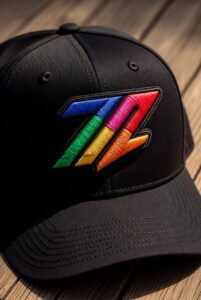
2. Embroidered Patches
Thread stitched onto a base fabric.
-
Raised texture
-
Suitable for bold logos
-
Works well for caps and uniforms
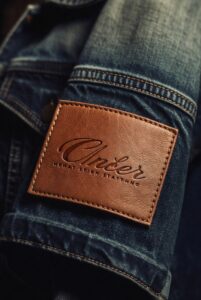
3. Leather or Faux Leather Patches
Commonly used in denim and premium streetwear.
-
Heat-stamped or laser-engraved logos
-
High resistance to abrasion
4. PVC or Rubber Patches
Flexible molded construction.
-
Weather-resistant
-
Ideal for outdoor products
How Are Patch Labels Made?
The production process varies depending on material, but generally follows these technical stages:
1. Artwork Preparation
Vector-based artwork is prepared. Line thickness, spacing, and contrast are adjusted according to production method.
2. Material Selection
Material is selected based on:
-
Wash temperature requirements
-
Application method (sew-on or heat-press)
-
Desired texture and thickness
-
Target market positioning
For guidance on selecting the appropriate label category, review How to Choose the Right Label Type for Your Fashion Brand?.
3. Manufacturing Process
Depending on type:
-
Woven patches: Produced on jacquard looms, cut (laser or ultrasonic), optionally backed.
-
Embroidered patches: Digitized, stitched, trimmed, edge-locked.
-
Leather patches: Die-cut, engraved or embossed, surface-treated.
-
PVC patches: Molded and cured under controlled temperature.
4. Finishing & Quality Control
-
Edge sealing
-
Backing application (adhesive, iron-on, Velcro, etc.)
-
Visual inspection for alignment and color accuracy
-
Dimensional tolerance checks
Quality control is essential to ensure durability and production consistency.
Why Patch Labels Matter for Brand Identity
Patch labels function as external brand markers. They are immediately visible and often associated with quality perception and product authenticity.
A well-engineered patch contributes to:
-
Stronger brand recall
-
Product differentiation
-
Higher perceived value
-
Visual consistency across collections
Explore more on branding impact in How Custom Labels Help Build a Recognizable Fashion Brand? and The Importance of Custom Labels in Building Brand Identity.
Technical Considerations Before Production
When designing patch labels, consider:
-
Minimum text thickness (critical for woven or embossed details)
-
Contrast ratio between background and logo
-
Attachment method relative to garment fabric
-
Wash resistance requirements (30°C / 40°C / 60°C)
-
Placement stress points on garment
For sizing decisions, see Tips for Selecting the Best Label Size for Your Product.
Conclusion
Patch labels are not just decorative elements. They are engineered branding components designed to withstand wear, washing, and environmental exposure while reinforcing brand identity.
Choosing the correct material, construction method, and application technique ensures long-term performance and consistent visual impact across product lines.
For brands seeking scalable and production-optimized solutions, patch labels offer a structurally reliable and visually distinctive branding method.
Start your labeling journey with LabelGo!
Check out our products and customize your label with ease.
Ready to Stand Out? Discover Our Blog for Branding Inspiration
Take your brand a step forward with tips, guides, and inspiring content from the world of labeling. Learn about choosing the right labels, industry trends, and design strategies.
Need Help ?
Need help? If you encounter any issues, feel free to reach out to us. We’re happy to assist!