Woven Labels should be planned as a textile label manufacturing choice by matching garment type, material, fold style, wash resistance, print or weave quality, and brand identity.
This guide covers woven labels, printed labels, care labels, hang tags, size labels, made-in labels, and patch labels with short practical sections.
What Are Woven Labels?
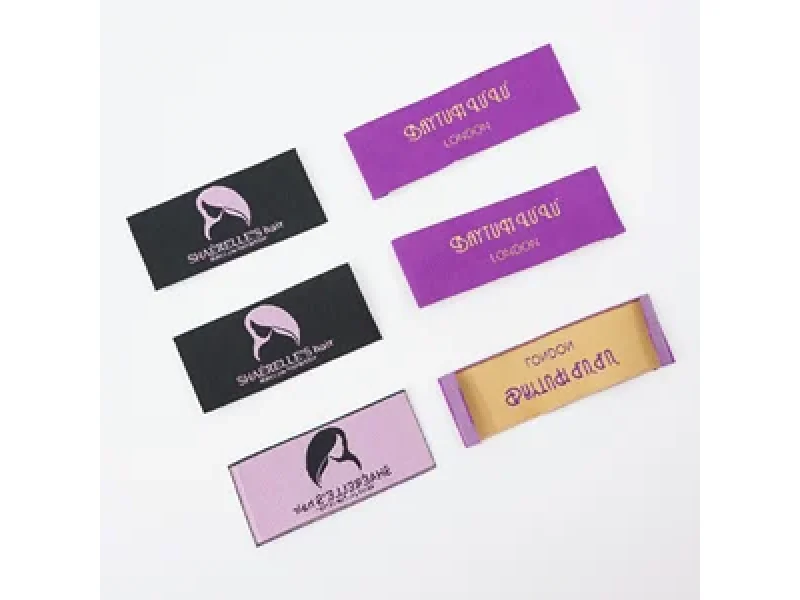
Woven labels are durable textile tags made by interlocking threads during fabric production, offering a seamless look and feel on clothing items.These labels can be used for various purposes such as care instructions or brand identification.
Durable and Seamless
Due to their woven nature, these labels provide long-lasting durability without fraying easily. They are ideal for frequent washing cycles in garments.To ensure quality, digital proofing is available before production starts, allowing clients to review designs online.
Types of Woven Labels
Woven labels come in various types suitable for different needs. Common varieties include cotton and polyester blends, each offering unique benefits such as softness or durability.These labels are perfect for customizing clothing items with detailed care instructions or brand logos, ensuring they remain clear even after multiple washes.For precise designs, digital proofing is essential to ensure the final product meets client expectations before production begins. This step helps in analyzing and adjusting any necessary details online.Custom Clothing Label Types Compared
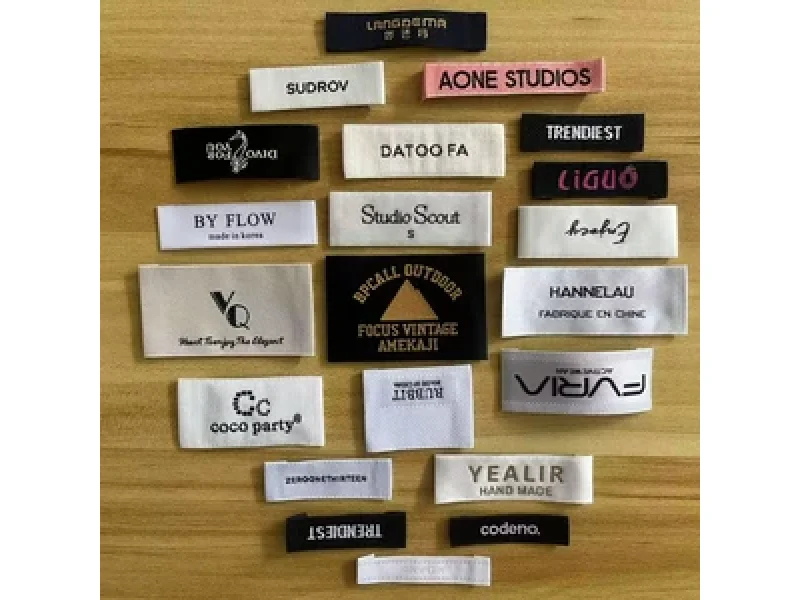
Durable yet stylish: Woven labels offer both longevity and a premium look, suitable for various garment types.
Pricing & Minimums
Woven labels generally have competitive pricing with low minimum order quantities (MOQ), making them accessible to small businesses and startup clothing brands.
Turnaround Time
Quick turnaround times are available, allowing for rapid prototyping and production cycles essential for new apparel lines.
Artwork Proofing & Customization
Digital proofs are provided before final production, ensuring clients can make adjustments if needed. This step is crucial for custom label designs that align with brand identity.
Conclusion: Woven labels offer a blend of durability and customization, making them an excellent choice for apparel brands in the US market seeking to build strong, branded products quickly and efficiently.
Pricing & Minimums for Small Businesses
LabelGo offers low minimum order quantities to support small businesses and startup clothing brands. Fast turnaround times ensure you can launch on schedule without delay.
How to Choose the Right Label for a US Clothing Brand
The following table compares material, print or weave quality, use case, and production process for textile label manufacturing.
| Criterion | Best use | Check question | Quality expectation |
|---|---|---|---|
| Woven Labels | Brand, apparel, and accessory products. | Which information must appear on the product? | Clear, readable, and brand-consistent. |
| Woven label | Premium clothing, outerwear, and accessories. | Are thread detail and wash resistance strong? | Dense weave, clean edge, long life. |
| Printed label | Color logos, care data, and fast production. | Are colors accurate and readable? | Sharp print, flexible base, stable color. |
| Care / size label | Washing instructions, size, origin information. | Are symbols and languages clear? | High readability in a small space. |
| Hang tag / patch label | Retail display, collections, brand story. | Does material improve product perception? | Durable stock, clean cut, quality workmanship. |
Key Criteria:
- Pricing: Look for suppliers with competitive rates.
- Minimum Order Quantity (MOQ): Ensure low MOQs to fit startup budgets.
- Turnaround Time: Fast production is crucial, especially for new brands.
Shipping and Artwork Proofing
Shipping:
- International shipping options are essential for global reach.
- 24/7 support ensures quick resolution of any issues during transit.
Artwork Proofing:
- Digital proof before production helps avoid costly mistakes.
- Quality control checks ensure labels meet your standards.
For startup clothing brands, a supplier that offers sample packs and detailed artwork proofing is invaluable. This ensures you get the perfect label for your brand’s needs without extra costs or delays.
Analyzing Your Label Requirements
To ensure your this textile label meet all necessary requirements, analyze them based on:
- Durability: Check for tear strength, abrasion resistance, and overall wear.
- Appearance: Ensure the label design is clear, legible, and visually appealing.
- Fabric Compatibility: The woven label should not interfere with fabric performance or appearance.
- Sizing and Placement: Confirm that the label fits well on your product without causing discomfort to users.
By thoroughly analyzing these factors, you can ensure a high-quality end result for your customers.
- Gathering Samples: Collect samples from different suppliers to compare quality and design options.
- Price Comparison: Evaluate the cost-effectiveness of each option, considering both initial setup costs and long-term savings.
- Supplier Reputation: Research supplier reliability, customer service, and past performance in delivering high-quality labels on time.
A well-organized catalog will help you make informed decisions quickly when placing orders or updating your product lines.
Customizing Your a garment label option
To achieve a unique look for your the production choice:
- Add Custom Text and Graphics: Use custom text, logos, barcodes, or QR codes to make the label stand out.
- Choose Colors Wisely: Select colors that complement your brand identity while ensuring readability on different fabric backgrounds.
- Incorporate Eco-Friendly Materials: Opt for sustainable materials like organic cotton or recycled polyester if you’re targeting eco-conscious consumers.
Customization can significantly enhance the value and appeal of this branding element, making them a standout feature in your product range.
Finishing Options for this textile label
To ensure durability and aesthetic appeal:
- Heat Sealing or Gluing: Apply heat sealing to prevent unraveling at the edges. Alternatively, use a strong adhesive suitable for textiles.
- Laminating: Lamination adds an extra layer of protection against wear and tear while enhancing the label’s appearance.
- Embroidery or Printing: Add intricate designs through embroidery or digital printing to create a unique look that stands out on your products.
The right finishing techniques can elevate the quality of the selected label type, making them more durable and visually appealing for various applications.
The choice between woven labels, printed labels, care labels, size labels, and hang tags depends on material, readability, and product positioning. Before production, size, color, base material, fold style, and sewing area should be confirmed.
Quality control should review text clarity, edge finish, color consistency, and surface durability together. Sample approval reduces mistakes before full production and protects the brand presentation.
Lead time, quantity, product placement, and packaging needs should be written clearly. This helps the production team prepare the label for the right product group and use case.
What Are Custom Clothing Labels? should be reviewed through product use, brand presentation, and durability requirements. For Woven Labels, the right choice depends on visual quality, wash resistance, contact with the garment, and how the label will perform during daily use.
When planning Woven Labels, label type, product group, and expected service life should be reviewed together. This creates a better balance between brand presentation and technical durability.
The production file should include size, color code, material, printing or weaving method, and delivery expectation. Clear information speeds up approval and reduces revision work.
Notes for clearer production decisions
What Are Woven Labels? should be reviewed through product use, brand presentation, and durability requirements. For Woven Labels, the right choice depends on visual quality, wash resistance, contact with the garment, and how the label will perform during daily use.
The choice between woven labels, printed labels, care labels, size labels, and hang tags depends on material, readability, and product positioning. Before production, size, color, base material, fold style, and sewing area should be confirmed.
Quality control should review text clarity, edge finish, color consistency, and surface durability together. Sample approval reduces mistakes before full production and protects the brand presentation.
Lead time, quantity, product placement, and packaging needs should be written clearly. This helps the production team prepare the label for the right product group and use case.
What Are Custom Clothing Labels? should be reviewed through product use, brand presentation, and durability requirements. For Woven Labels, the right choice depends on visual quality, wash resistance, contact with the garment, and how the label will perform during daily use.
The choice between woven labels, printed labels, care labels, size labels, and hang tags depends on material, readability, and product positioning. Before production, size, color, base material, fold style, and sewing area should be confirmed.
Quality control should review text clarity, edge finish, color consistency, and surface durability together. Sample approval reduces mistakes before full production and protects the brand presentation.
Lead time, quantity, product placement, and packaging needs should be written clearly. This helps the production team prepare the label for the right product group and use case.
Custom Clothing Label Types Compared should be reviewed through product use, brand presentation, and durability requirements. For Woven Labels, the right choice depends on visual quality, wash resistance, contact with the garment, and how the label will perform during daily use.
The choice between woven labels, printed labels, care labels, size labels, and hang tags depends on material, readability, and product positioning. Before production, size, color, base material, fold style, and sewing area should be confirmed.
Quality control should review text clarity, edge finish, color consistency, and surface durability together. Sample approval reduces mistakes before full production and protects the brand presentation.
Lead time, quantity, product placement, and packaging needs should be written clearly. This helps the production team prepare the label for the right product group and use case.
Textile Label Comparison Table should be reviewed through product use, brand presentation, and durability requirements. For Woven Labels, the right choice depends on visual quality, wash resistance, contact with the garment, and how the label will perform during daily use.
The choice between woven labels, printed labels, care labels, size labels, and hang tags depends on material, readability, and product positioning. Before production, size, color, base material, fold style, and sewing area should be confirmed.
Quality control should review text clarity, edge finish, color consistency, and surface durability together. Sample approval reduces mistakes before full production and protects the brand presentation.
Lead time, quantity, product placement, and packaging needs should be written clearly. This helps the production team prepare the label for the right product group and use case.
Materials, Folds, Finishes and Design Options should be reviewed through product use, brand presentation, and durability requirements. For Woven Labels, the right choice depends on visual quality, wash resistance, contact with the garment, and how the label will perform during daily use.
The choice between woven labels, printed labels, care labels, size labels, and hang tags depends on material, readability, and product positioning. Before production, size, color, base material, fold style, and sewing area should be confirmed.
Quality control should review text clarity, edge finish, color consistency, and surface durability together. Sample approval reduces mistakes before full production and protects the brand presentation.
Lead time, quantity, product placement, and packaging needs should be written clearly. This helps the production team prepare the label for the right product group and use case.
How the Custom Label Process Works should be reviewed through product use, brand presentation, and durability requirements. For Woven Labels, the right choice depends on visual quality, wash resistance, contact with the garment, and how the label will perform during daily use.
The choice between woven labels, printed labels, care labels, size labels, and hang tags depends on material, readability, and product positioning. Before production, size, color, base material, fold style, and sewing area should be confirmed.
Quality control should review text clarity, edge finish, color consistency, and surface durability together. Sample approval reduces mistakes before full production and protects the brand presentation.
Lead time, quantity, product placement, and packaging needs should be written clearly. This helps the production team prepare the label for the right product group and use case.
How to Choose the Right Label for a US Clothing Brand should be reviewed through product use, brand presentation, and durability requirements. For Woven Labels, the right choice depends on visual quality, wash resistance, contact with the garment, and how the label will perform during daily use.
The choice between woven labels, printed labels, care labels, size labels, and hang tags depends on material, readability, and product positioning. Before production, size, color, base material, fold style, and sewing area should be confirmed.
Quality control should review text clarity, edge finish, color consistency, and surface durability together. Sample approval reduces mistakes before full production and protects the brand presentation.
Lead time, quantity, product placement, and packaging needs should be written clearly. This helps the production team prepare the label for the right product group and use case.
Frequently Asked Questions should be reviewed through product use, brand presentation, and durability requirements. For Woven Labels, the right choice depends on visual quality, wash resistance, contact with the garment, and how the label will perform during daily use.
The choice between woven labels, printed labels, care labels, size labels, and hang tags depends on material, readability, and product positioning. Before production, size, color, base material, fold style, and sewing area should be confirmed.
Quality control should review text clarity, edge finish, color consistency, and surface durability together. Sample approval reduces mistakes before full production and protects the brand presentation.
Lead time, quantity, product placement, and packaging needs should be written clearly. This helps the production team prepare the label for the right product group and use case.
When planning Woven Labels, label type, product group, and expected service life should be reviewed together. This creates a better balance between brand presentation and technical durability.
The production file should include size, color code, material, printing or weaving method, and delivery expectation. Clear information speeds up approval and reduces revision work.