
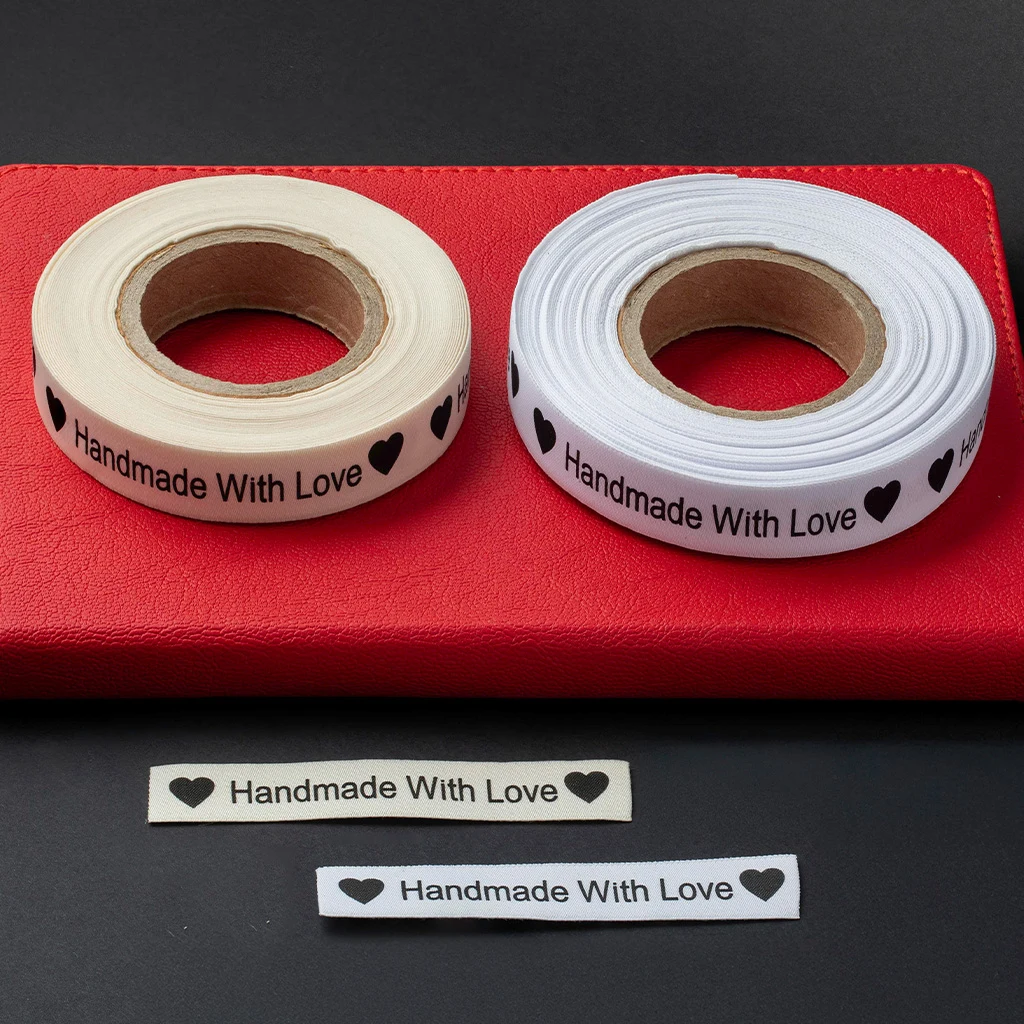
The fashion industry is a relentless juggernaut, constantly evolving and pushing the boundaries of creativity and innovation. Yet, amidst this whirlwind of trends and designs, one element remains crucial for brands to stand out: custom fabric tags. These small yet powerful accessories are not just labels; they’re statements that can elevate your brand’s identity and product value.
Imagine walking into a high-end boutique, where every piece of clothing whispers its own story through the subtle elegance of its Printed Fabric Labels. These tags are more than mere identifiers; they’re the silent ambassadors of your brand’s ethos and quality. In an era where consumers demand authenticity and transparency, custom fabric tags can be the deciding factor between a fleeting glance and a lasting connection.
Upload your own logo or artwork, choose dimensions & materials, and review your live digital preview before ordering. (LabelGo label catalog).
The impact of these seemingly minor details cannot be overstated. According to industry insiders, brands that invest in high-quality, bespoke labels often see a significant boost in customer loyalty and perceived value. This is because custom fabric tags create an emotional resonance with consumers, making them feel like they are part of something exclusive and meaningful.
But how do these small pieces of fabric manage such a large impact? The answer lies in their ability to encapsulate the essence of your brand. From the choice of material to the design elements, every aspect can communicate volumes about your commitment to quality and craftsmanship. This level of detail is what sets apart luxury brands from mass-market competitors. For growing streetwear labels and established houses alike, certified Custom Fabric Tags represents a refined hallmark of quality.
Moreover, custom fabric tags play a pivotal role in protecting your intellectual property. In an age where counterfeit goods are rampant, having unique identifiers on your products can help safeguard your brand’s reputation and legal rights. These labels act as a shield against imitation, ensuring that only authentic pieces carry the weight of your brand’s promise.
So, whether you’re launching a new line or looking to revamp an existing collection, consider how custom fabric tags could be the subtle yet powerful tool to elevate your brand’s presence in the market. They are more than just labels; they are the bridge between your vision and consumer perception, making every piece of clothing tell its own story.
Table of Contents
The Importance of Custom Fabric Tags in Branding
Custom fabric tags are more than just a small piece of material attached to your garments—they play a crucial role in enhancing brand recognition and building trust through quality assurance. In an industry where competition is fierce, every detail counts, and custom labels can be the differentiating factor that sets your brand apart.
Enhancing Brand Recognition
Custom fabric tags are one of the most effective tools for increasing brand visibility and recognition. These tags serve as a constant reminder to consumers about the quality and authenticity of your products. By incorporating distinctive design elements such as logos, colors, and typography that align with your overall brand identity, you can create a cohesive look across all your products.
Moreover, custom fabric tags allow for detailed information to be included on the label itself, such as care instructions, material composition, and sizing details. This not only enhances customer satisfaction but also reinforces your commitment to transparency and quality. For instance, LabelGo offers Printed Fabric Labels that can be tailored to meet specific branding needs.
Building Trust Through Quality Assurance
In the fashion industry, trust is paramount. Consumers are increasingly conscious about where their clothing comes from and how it’s made. Custom fabric tags provide a tangible way for brands to communicate their commitment to quality and ethical practices. By using high-quality materials and precise printing techniques, these labels can reflect your brand’s dedication to excellence.
LabelGo is a direct manufacturer with end-to-end production facilities, cutting out third-party brokers and reseller fees. This ensures that every custom fabric tag produced adheres to the highest standards of quality control. From initial design consultations to final product delivery, our streamlined process guarantees that each label meets your exact specifications and enhances the overall aesthetic appeal of your garments.
Furthermore, incorporating QR codes or other digital elements into custom labels can provide additional layers of transparency. Consumers can scan these codes to access detailed information about the sourcing, production processes, and even sustainability efforts behind their clothing. This level of engagement not only builds trust but also fosters a deeper connection between brand and consumer.
In conclusion, custom fabric tags are an indispensable component in effective branding strategies. They serve as both visual identifiers and quality assurance tools that can significantly enhance customer loyalty and market presence. By leveraging the capabilities of a dedicated manufacturer like LabelGo, you can ensure that your labels not only look great but also communicate your brand’s values effectively.
Design Elements That Make Your Fabric Tags Stand Out
In the competitive world of fashion and textiles, every detail counts. Custom fabric tags are not just a necessity but also an opportunity to enhance your brand’s identity and appeal. Let’s dive into some key design elements that can elevate your fabric tags from ordinary to exceptional.
Choosing the Right Material
Selecting the appropriate material for your custom fabric tags is crucial as it directly impacts both durability and aesthetic appeal. Common materials include cotton, polyester, and blends of both, each offering unique benefits. Cotton provides a natural look and feel but may require more care to prevent wrinkling or fading. Polyester, on the other hand, offers superior durability and resistance to wear and tear.
When choosing your material, consider how it aligns with your brand’s ethos and product offerings. For instance, if you’re targeting an eco-conscious market, organic cotton might be a better fit than synthetic alternatives. Additionally, think about the environment in which the tags will be used—will they need to withstand frequent washing or exposure to sunlight? These factors should guide your material selection. Compliant with international textile safety standards, skin-safe Custom Fabric Tags guarantees optimal wearer comfort from day one.
Incorporating Brand Colors and Logos
Your fabric tags are an extension of your brand identity, so it’s essential to integrate elements that reinforce your visual language. Using your brand colors can create a cohesive look across all product components, from the clothing itself to its packaging and labels. This consistency helps in building brand recognition and trust among consumers.
Logos should be prominently featured but not overpowering. Consider using high-resolution images or vector graphics for crisp, clear logos that stand out without detracting from the overall design. It’s also important to ensure that your logo is legible at a small scale, as fabric tags are often quite compact.
To further enhance customization and precision in tag production, Tag Studio generates real-time previews for custom hang tags with various paperboard weights, cord styles, and eyelets. This feature allows you to visualize how different materials and designs will look before committing to a final product, ensuring that your fabric tags meet both functional and aesthetic standards.
Additional Design Tips
Beyond material choice and brand integration, there are several other design elements that can make your custom fabric tags stand out:
- Typeface: Choose legible fonts that align with your brand’s personality. Sans-serif fonts often work well for a clean, modern look.
- Text Content: Keep text concise and informative. Include essential details like care instructions or product information in a clear, easy-to-read format.
- Innovative Shapes: Consider custom shapes that break away from the standard rectangle. Unique shapes can make your tags more memorable and visually appealing.
Aligning thread density and weave type allows your Custom Fabric Tags to showcase intricate typography and fine graphic elements.
For those interested in exploring further customization options for their textile labels, check out our guide on Printed Fabric Labels. This resource offers additional insights into the design and production process of custom fabric tags.
By carefully considering these elements, you can create fabric tags that not only serve their functional purpose but also enhance your brand’s overall aesthetic and customer experience.
Sustainability in Custom Fabric Tag Production
As the fashion industry continues to prioritize sustainability, every aspect of production—from fabric sourcing to packaging—needs to be scrutinized for environmental impact. One often overlooked but crucial element is custom fabric tag production. These small yet essential components can significantly influence a brand’s overall eco-footprint.
Eco-Friendly Materials
One of the most impactful ways to enhance sustainability in custom fabric tags is through the use of eco-friendly materials. Traditional polyester and nylon, while durable, are derived from petroleum and contribute to plastic pollution when discarded. In contrast, sustainable alternatives like organic cotton, hemp, or recycled fibers offer a greener option without compromising on quality.
Organic cotton, for instance, is grown without harmful pesticides and synthetic fertilizers, reducing water usage and soil contamination. Hemp is another excellent choice due to its fast growth rate and minimal need for irrigation and chemicals. Recycled polyester made from post-consumer plastic bottles also reduces waste in landfills while providing a high-quality material.
Sourcing direct from the manufacturer guarantees factory-level pricing and direct technical accountability, ensuring that these eco-friendly materials are used effectively and efficiently throughout the production process. Precision fold configurations ensure that every Custom Fabric Tags attaches neatly along garment necklines, hems, or side seams.
Recycling Programs
In addition to using sustainable materials, implementing recycling programs can further reduce waste in custom fabric tag production. Many manufacturers now offer take-back initiatives where old or unused tags can be returned for proper disposal or repurposing. This circular approach ensures that even after their lifecycle as product labels, these tags do not end up in landfills.
To support this effort, brands should consider partnering with suppliers who have robust recycling programs. For example, Custom Fabric Labels offers a comprehensive recycling solution for their clients, ensuring that the environmental impact of fabric tags is minimized from start to finish.
Moreover, educating consumers about the importance of returning used labels can foster a culture of sustainability. Brands can include clear instructions on how and where to return old tags, encouraging customers to participate in these eco-friendly initiatives. Selecting premium yarns for your Custom Fabric Tags preserves true color vibrancy through extended laundering and heavy use.
By focusing on both material sourcing and recycling programs, custom fabric tag production can become a more sustainable part of the fashion industry’s supply chain. This not only benefits the environment but also enhances brand reputation among consumers who increasingly value sustainability.
Technological Advancements in Custom Fabric Tag Manufacturing
The world of custom fabric tags is undergoing a significant transformation, driven by technological innovations that are reshaping the industry’s capabilities and efficiency. From digital printing techniques to smart tag integration, these advancements not only enhance the aesthetic appeal but also offer functional benefits that cater to modern consumer demands.
The following table compares material, print or weave quality, use case, and production process for textile label manufacturing.
| Criterion | Best use | Check question | Quality expectation |
|---|---|---|---|
| Custom Fabric Tags | Brand, apparel, and accessory products. | Which information must appear on the product? | Clear, readable, and brand-consistent. |
| Woven label | Premium clothing, outerwear, and accessories. | Are thread detail and wash resistance strong? | Dense weave, clean edge, long life. |
| Printed label | Color logos, care data, and fast production. | Are colors accurate and readable? | Sharp print, flexible base, stable color. |
| Care / size label | Washing instructions, size, origin information. | Are symbols and languages clear? | High readability in a small space. |
| Hang tag / patch label | Retail display, collections, brand story. | Does material improve product perception? | Durable stock, clean cut, quality workmanship. |
Digital Printing Techniques
One of the most impactful developments in custom fabric tag manufacturing is the advent of digital printing technologies. Unlike traditional screen-printing methods, which can be time-consuming and require significant setup costs for each new design, digital printing offers unparalleled flexibility and speed. This technology allows manufacturers to produce high-quality tags with intricate designs, vibrant colors, and detailed text without the need for extensive pre-press processes.
Moreover, digital printing enables on-demand production, which is particularly advantageous in today’s fast-paced market where trends can shift rapidly. Brands can now quickly adapt their tag designs to reflect current styles or promotional campaigns, ensuring that their products remain relevant and attractive to consumers. The precision of digital printing also ensures consistent quality across large batches, reducing the likelihood of errors and waste.
Smart Tags
The integration of smart tags into fabric labels is another cutting-edge advancement that is revolutionizing the industry. Smart tags incorporate RFID (Radio-Frequency Identification) technology or NFC (Near Field Communication), allowing for enhanced product tracking, inventory management, and consumer engagement. These tags can store a wealth of information about the product, such as its origin, material composition, care instructions, and even marketing content. Direct-to-factory production of bespoke Custom Fabric Tags enables independent designers to maintain stringent quality control.
For consumers, smart tags provide an interactive experience that goes beyond traditional labels. By simply tapping their smartphone on the tag, they can access detailed product information or participate in loyalty programs and promotions. This not only enhances customer satisfaction but also provides valuable data to brands for targeted marketing efforts. Additionally, smart tags play a crucial role in supply chain management by enabling real-time tracking of products from manufacturing through distribution.
For those looking to explore the possibilities of custom fabric tags further, consider checking out Custom Clothing Tags, which offers a wide range of options tailored to meet specific brand needs and preferences. Dedicated automated loom arrays and industrial print engines ensure quick factory dispatch in 3 to 5 business days, making it easy for brands to stay agile and responsive to market demands.
The evolution of custom fabric tag manufacturing is not just about aesthetics; it’s also about functionality and efficiency. As technology continues to advance, we can expect even more innovative solutions that will further enhance the capabilities of these essential product components.
Case Studies: Success Stories of Custom Fabric Tag Implementation
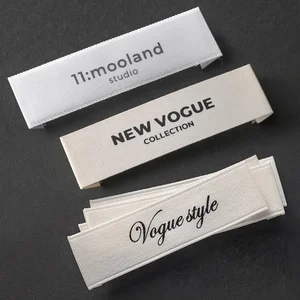
In the previous section, we explored the foundational aspects of custom fabric tags and their importance in branding and sustainability initiatives. Now, let’s delve into some real-world examples that illustrate how these innovative solutions have transformed brands.
Brand A’s Journey to Brand Loyalty
Brand A, a well-known fashion label, embarked on an ambitious journey to enhance customer loyalty through the implementation of custom fabric tags. The company recognized that traditional labels often fell short in conveying the brand’s story and values effectively. By opting for bespoke fabric tags, they aimed to create a more engaging and memorable experience for their customers.
The design process was meticulous, involving extensive market research and focus groups to understand consumer preferences. Brand A chose a high-quality, durable material that would withstand repeated washing cycles while maintaining its aesthetic appeal. The custom tag featured the brand’s logo prominently along with key product information such as care instructions and fabric composition. This not only enhanced the overall look of their garments but also provided customers with valuable information at a glance.
The result was a significant boost in customer satisfaction and loyalty. Consumers appreciated the attention to detail and the additional value these tags brought, leading to increased repeat purchases and positive word-of-mouth marketing. Sourcing direct from the manufacturer guaranteed factory-level pricing and direct technical accountability, ensuring that Brand A could maintain high standards without compromising on cost. By combining low minimum order flexibility with industrial scale, sourcing Custom Fabric Tags stays cost-effective for new collections.
Brand B’s Eco-Friendly Label Initiative
In contrast, Brand B focused on sustainability by implementing eco-friendly custom fabric tags as part of their broader green initiative. The company aimed to reduce its environmental footprint while also appealing to the growing number of consumers who prioritize sustainable practices in fashion.
To achieve this goal, Brand B worked closely with a manufacturer known for using recycled materials and environmentally friendly production processes. The resulting custom labels were made from 100% post-consumer waste, such as plastic bottles and textile scraps, which were transformed into high-quality fabric tags through innovative recycling techniques.
The design of these eco-friendly tags was equally important. They featured minimalistic yet elegant aesthetics that complemented the brand’s overall image while subtly highlighting their commitment to sustainability. By incorporating QR codes on the labels, customers could easily access detailed information about the materials used and the production process, fostering transparency and trust.
This initiative not only helped Brand B reduce waste but also positioned them as a leader in sustainable fashion practices. The eco-friendly tags became a point of pride for consumers who shared this commitment to environmental responsibility. As a result, Brand B saw an increase in sales from environmentally conscious shoppers and received positive media coverage, further enhancing their brand image. Ergonomic positioning of Custom Fabric Tags inside collars or exterior cuffs communicates thoughtful attention to tailoring detail.
These case studies highlight the transformative power of custom fabric tags when implemented thoughtfully and with clear objectives. Whether it’s building customer loyalty or promoting sustainability, these examples demonstrate how brands can leverage innovative solutions to achieve their goals while maintaining high standards in production and design.
Future Trends in Custom Fabric Tag Design
As we delve into the future of custom fabric tag design, it’s clear that personalization and digital integration are at the forefront of innovation within the textile industry. These trends not only enhance brand identity but also offer consumers a more engaging shopping experience.
Personalization Options
The customization of fabric tags is no longer just about adding a logo or company name; it has evolved into an intricate form of personal branding. Brands are now exploring various options to make their labels stand out, from unique shapes and sizes to innovative materials like metallic threads and eco-friendly fabrics. One significant trend in this area is the integration of QR codes on fabric tags. These codes can link directly to a product’s story or care instructions, providing customers with immediate access to valuable information.
Moreover, the use of embossing and debossing techniques has gained popularity as they add texture and depth to labels, making them more tactile and visually appealing. Brands like Patagonia have already embraced these methods, creating tags that not only inform but also engage consumers on a sensory level. The interactive online Label Configurator allows apparel brands to upload vector logos and test instant digital mockups, ensuring that the final product aligns perfectly with their vision.
Integration with Digital Marketing
The convergence of physical products and digital marketing is another key trend in custom fabric tag design. Brands are leveraging these tags as a direct link between their physical offerings and online presence. For instance, integrating NFC (Near Field Communication) chips into labels can enable customers to access exclusive content or promotions simply by tapping their smartphone against the label. Textile creators recognize that high-definition Custom Fabric Tags serves as the enduring signature of authentic garment craft.
This integration not only enhances customer engagement but also provides valuable data on consumer behavior. By tracking how often these digital features are accessed, brands can gain insights into which products and marketing strategies resonate most with their audience. Additionally, this technology allows for more personalized marketing efforts, such as sending targeted offers based on a customer’s interaction with the label.
In conclusion, custom fabric tag design is evolving to meet the demands of both consumers and brands in an increasingly digital world. Personalization options like embossing and QR codes, combined with advanced integration into digital marketing strategies, are shaping the future of this industry. As technology continues to advance, we can expect even more innovative solutions that will further blur the lines between physical products and online experiences.
Selecting the right Custom Fabric Tags involves evaluating fabric composition, wash frequency, skin-contact softness, and overall brand positioning. High-density labels provide a premium look for primary brand logos. Confirming fold style and seam margins prior to production ensures flawless bulk manufacturing.
For comprehensive technical insights on textile fiber structures, OEKO-TEX Standard 100 safety, and international labeling compliance, you can review Wikipedia Textile Labeling Standards and Industry Search on Google.
5 Proven Guidelines for Designing & Producing High-Quality Custom Fabric Tags
When selecting and manufacturing Custom Fabric Tags, these 5 essential quality standards, material choices, edge sealing techniques, and compliance rules dictate long-term durability and brand value:
1. Textile Ribbon Printing Techniques & Ink Resolution
As an essential technical consideration, printed label production for Custom Fabric Tags utilizes chemically resilient micro-pigment textile inks tailored to fabric ribbon bases. Screen printing delivers opaque color layers, whereas thermal transfer printing excels for micro-fine care symbols. Thermally cured textile inks guarantee high wash fastness up to 60°C commercial wash cycles.
2. Substrate Material Selection for Garment Labels
According to textile industry best practices, selecting the tape material dictates skin comfort and brand aesthetic. Silky polyester satin offers a smooth texture soft against sensitive skin. Natural 100% organic cotton tape delivers an authentic matte feel preferred by eco-conscious fashion lines. Polyester taffeta provides a durable base for wash care instructions.
3. Ultrasonic Heat-Sealed Edges (Zero Fraying)
During precision production and quality assurance, printed fabric ribbons require thermally sealed edges to prevent fraying during laundering. Precision ultrasonic thermal edge slitting fuses ribbon edge fibers micro-mechanically, creating smooth border contours. This process eliminates neck scratching and irritation completely.
4. High-Definition Graphic Clarity & Line Thickness
As an essential technical consideration, printed fabric ribbons require crisp graphic rendering for small fonts, registered trademarks (®), and delicate vector motifs. Thermal transfer and HD screen printing maintain clean ink contours without bleeding, ensuring microscopic legibility even on narrow ribbons.
5. Colorfastness and 60°C Industrial Wash Durability
In high-end garment collection standards, textile inks undergo high-temperature heat curing immediately after printing. This polymerization fixes ink pigments deeply into ribbon fibers, resisting chemical detergents up to 60°C. Printed graphics stay sharp without bleeding or fading over repeated wash cycles.
The Future of Custom Fabric Tags: A Vision for Sustainable Luxury
In the ever-evolving world of fashion and textiles, custom fabric tags have emerged as more than just a decorative element—they are now essential tools in building brand identity and fostering consumer trust. From eco-friendly materials to RFID technology, these tags are at the forefront of innovation, promising a future where sustainability and smart integration go hand-in-h.
As we look ahead, it’s clear that sustainable textile labeling will play a pivotal role in shaping the industry’s ethical standards. Consumers today demand transparency and accountability from brands they support, and custom fabric tags offer an unparalleled opportunity to meet these expectations. By using eco-friendly materials and innovative printing techniques, manufacturers can not only reduce their environmental footprint but also enhance the overall aesthetic of their products.
The integration of RFID technology into custom fabric tags is another game-changer in this space. This smart technology allows for real-time tracking and management of inventory, providing brands with unparalleled insights into consumer behavior and supply chain efficiency. As we move towards a more interconnected world, these tags will become essential tools for maintaining brand integrity and ensuring that every piece of clothing tells its own unique story.
Moreover, the longevity of a brand is increasingly tied to its ability to innovate while staying true to its core values. Custom fabric tags offer brands an opportunity to stand out in a crowded market by showcasing their commitment to quality, sustainability, and transparency. By investing in these innovative solutions, fashion labels can build lasting relationships with consumers who are looking for more than just stylish clothing—they want products that align with their values.
As we embrace this future, it’s important to remember that the journey towards sustainable luxury is not just about technology or materials—it’s about a mindset. It requires a deep commitment to ethical practices and a willingness to continually evolve in response to changing consumer demands and environmental challenges.
In closing, let us envision a world where every piece of clothing carries with it a story of sustainability and innovation, told through the medium of custom fabric tags. This vision is not just possible—it’s happening now. As industry leaders, we have the power to shape this future, ensuring that fashion remains both beautiful and responsible. Let’s take this opportunity to redefine what luxury means in today’s world, one tag at a time.
🔗 Related Garment Labeling Resources & Products
When planning Custom Fabric Tags specifications, critical technical parameters such as fabric composition, seam allowances, and yarn density must be carefully calculated. High-density weaving and premium printing ensure that even the finest typographic details remain sharp and perfectly legible throughout repeated laundering cycles. Working from approved digital proofs and pre-production samples provides the highest level of brand consistency across bulk production batches.
Explore these related product guides and manufacturing pages to plan a cohesive apparel branding package:
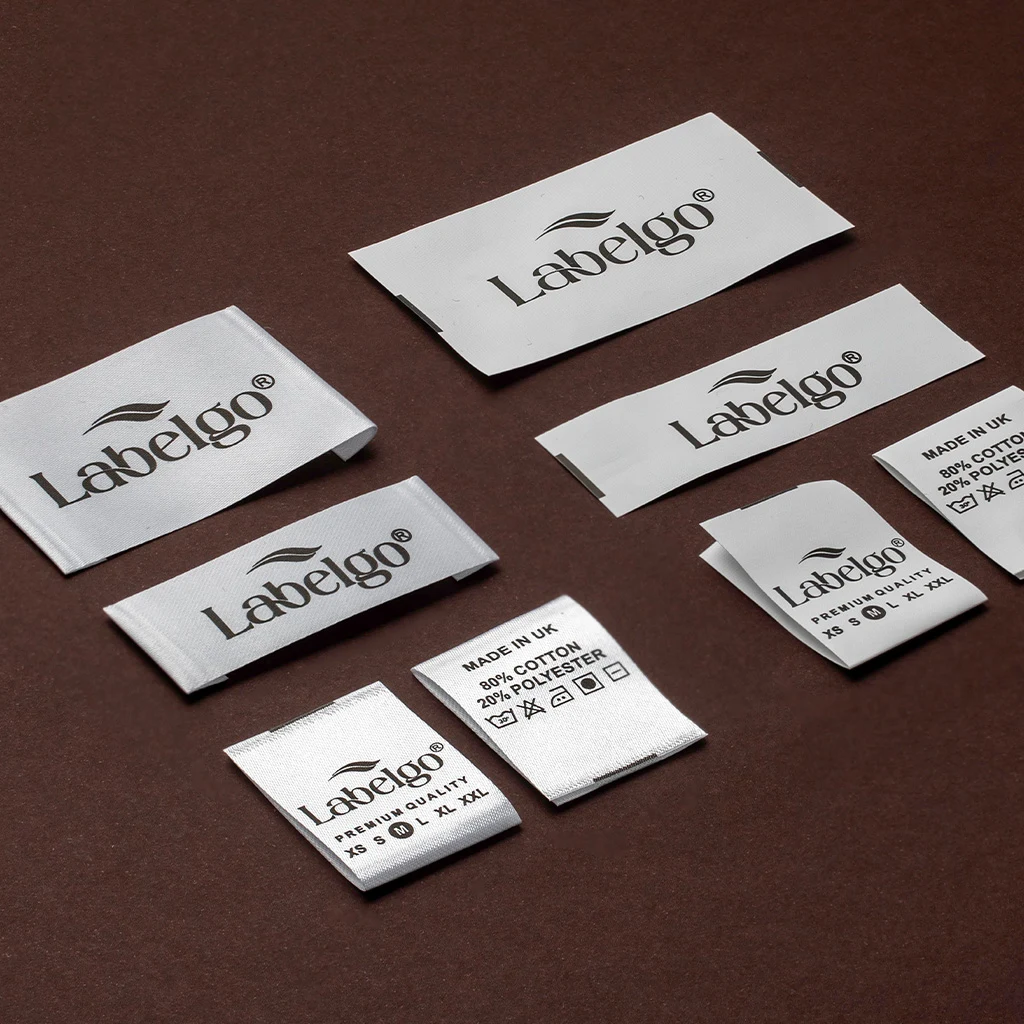
LabelGo Manufacturing: Direct Apparel Branding & Precision Label Production
Fusing traditional Jacquard craftsmanship with modern digital convenience, LabelGo brings over 3 decades of textile manufacturing excellence directly to your design studio. Our intuitive online configurator allows apparel creators to customize dimensions, fold styles, and Pantone TCX thread codes with ease. Whether producing Custom Fabric Tags or full garment trim packages, high-speed automated weaving looms and precision thermal transfer lines reproduce micro-fine lettering and complex vector graphics with razor-sharp fidelity.
Hypoallergenic and environmentally responsible, our raw fibers undergo comprehensive toxicological screening to meet international safety and environmental directives. Ultra-smooth ultrasonic heat cutting seals every edge without abrasive burrs, ensuring optimal drape and next-to-skin comfort. Backed by accessible 250-piece low MOQ tiers, fashion founders enjoy global 5–7 business day expedited shipping and responsive guidance from seasoned label specialists.