
A product label is far more than a functional identifier—it is a critical branding element that communicates quality, credibility, and value at first glance. In competitive fashion and retail markets, even small label design mistakes can weaken brand perception, reduce customer trust, and limit long-term recognition.
At LabelGo, label design is approached as an engineering-driven process that balances aesthetics, material behavior, production constraints, and brand strategy. Below are the five most common mistakes brands make when designing product labels—and how to avoid them.
1. Ignoring Brand Identity Consistency
One of the most frequent mistakes is treating labels as standalone elements rather than extensions of brand identity. Inconsistent typography, color usage, or logo placement across different label types leads to fragmented brand recognition.
Strong brands ensure that woven labels, printed labels, hang tags, and care labels all follow a unified visual system. This principle is explored in The Importance of Custom Labels in Building Brand Identity and How Custom Labels Help Build a Recognizable Fashion Brand?.
Best practice:
Define clear brand guidelines for fonts, colors, spacing, and logo usage before starting label design.

2. Choosing the Wrong Label Type or Material
Selecting an unsuitable label type is a costly and often irreversible mistake. For example:
-
Using printed labels where durability and premium perception are required
-
Choosing rigid materials for garments that require softness and flexibility
Understanding the functional differences between label types is essential. Detailed comparisons can be found in Woven Labels vs. Printed Labels Which One to Choose? and Woven Labels, Cardboard Labels & Printed Labels: Find the Perfect Match for Your Brand.
Best practice:
Match label type and material to garment category, usage frequency, and brand positioning.
3. Poor Size, Layout, and Readability Decisions
Overcrowded layouts, incorrect proportions, or text that becomes unreadable after folding are common technical errors. Labels must remain legible after sewing, folding, and washing.
Ignoring size standards or stitch margins often leads to production issues and compromised comfort. Guidance on this topic is covered in Tips for Selecting the Best Label Size for Your Product and A Guide to Standard Size Labels Across Global Markets.
Best practice:
Always design labels within realistic size constraints and allow safe margins for stitching and folding.
4. Overlooking Storytelling and Emotional Impact
Many brands focus solely on functional information, missing the opportunity to build emotional connection. Labels are powerful storytelling tools that can communicate craftsmanship, sustainability, heritage, or innovation—without adding clutter.
This branding opportunity is explained in The Art of Storytelling Through Product Labels and reinforced by How Custom Labels Enhance Customer Loyalty and Recognition.
Best practice:
Use subtle design elements—such as texture, weave density, or minimalist messaging—to reinforce brand values.
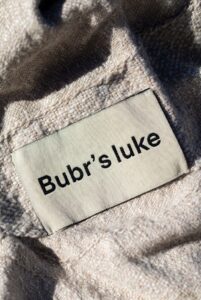
5. Neglecting Production Quality and Technical Feasibility
A visually appealing label that cannot be produced accurately at scale is a critical failure. Complex artwork, excessive colors, or unsuitable fonts may not translate well into woven or printed formats.
Understanding production limits—such as weave density, color count, and cutting methods—is essential. These constraints are addressed in Step-by-Step Guide to Designing Your Perfect Woven Label and AI-Supported Labeling for Faster and More Accurate Production.
Best practice:
Design with production realities in mind and validate feasibility before final approval.
Bonus Consideration: Sustainability and Compliance
Failing to account for sustainability expectations or legal requirements can also damage brand trust. Modern consumers increasingly value eco-conscious labels, while regulations require accurate care and origin information.
Relevant insights can be found in Why Sustainable Labeling Matters in Modern Fashion, The Environmental Benefits of Using Sustainable Label Materials, and What Are Care Labels and Why Are They Legally Required?.
Conclusion
Avoiding these five common label design mistakes can significantly improve brand consistency, product quality perception, and customer trust. A well-designed label is not accidental—it is the result of strategic planning, material knowledge, and production expertise.
At LabelGo, product labels are developed with precision engineering, scalable workflows, and brand-focused logic. For brands aiming to build credibility and long-term recognition, avoiding these design mistakes is not just best practice—it is essential for sustainable growth.