
As apparel brands expand into international markets, standard size labels become more than a design detail—they are a compliance requirement and a critical communication tool. Differences in sizing systems across regions can easily confuse consumers, increase returns, and weaken brand credibility if not handled correctly.
This guide explains how standard size labels vary across global markets, why they matter, and how brands can implement them accurately and consistently.

What Are Standard Size Labels?
Standard size labels indicate the garment size using region-specific systems such as XS–XL, numeric sizes, or body measurements. Unlike branding labels, size labels are functional and informational, helping consumers quickly determine fit.
They are typically used alongside care labels and country-of-origin labels, forming a complete labeling system. For regulatory context, see What Are Care Labels and Why Are They Legally Required?.
Why Size Labeling Differs by Market
There is no single global sizing standard. Each region has developed its own conventions based on body measurements, historical norms, and consumer expectations.
Common examples include:
US & UK: Alpha sizes (XS–XL) and numeric sizes (2–14)
EU: Numeric sizing (36–46) based on centimeters
Asia: Smaller numeric ranges and fit-specific adjustments
Using an incorrect or unclear size system can lead to customer dissatisfaction and higher return rates—especially in cross-border e-commerce.
Legal and Compliance Considerations
In many markets, size labeling is subject to consumer protection regulations. While the exact requirements vary, labels must be:
Clear and legible
Accurate for the intended market
Consistent across the product range
Incorrect sizing information may be considered misleading, particularly when selling internationally. This is why size labels should be treated with the same technical attention as care and origin labels, including Why “Made in [Country]” Labels Still Matter to Consumers.

Combining Multiple Size Systems
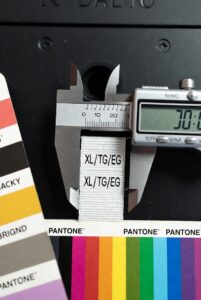
Many global brands choose to include multiple size references on a single label (e.g., S / EU 38 / US 6). This approach:
Reduces consumer confusion
Improves usability for international customers
Supports cross-border retail and marketplaces
However, overcrowding labels can reduce legibility. Selecting the right label size and layout is essential—an issue explored further in Tips for Selecting the Best Label Size for Your Product.
Size Labels and Brand Perception
Although functional, size labels still reflect brand quality. Clean typography, durable materials, and consistent placement signal professionalism and attention to detail.
When paired with well-executed branding elements—such as woven or printed labels—size labels contribute to a cohesive product presentation. For more on this relationship, see How Do Woven Labels Reflect the Quality of Your Brand?.
Common Mistakes to Avoid
Brands often encounter issues when scaling internationally. Frequent mistakes include:
Using domestic size standards for all markets
Omitting regional equivalents
Inconsistent sizing across collections
Poor label durability leading to unreadable sizes
Many of these problems originate in early design decisions. A broader overview of labeling pitfalls is covered in 5 Common Mistakes to Avoid When Designing Your Product Label.
Best Practices for Global Size Labeling
To ensure clarity and compliance:
Research target-market sizing norms before production
Use standardized conversions verified by fit testing
Keep layouts simple and legible
Align size labels with care and branding labels
A well-planned size labeling strategy supports both customer satisfaction and operational efficiency.
Final Thoughts
Standard size labels play a crucial role in international apparel sales. They bridge regional differences, support regulatory compliance, and directly influence the customer experience.
When implemented correctly—and integrated with care, origin, and branding labels—size labels help brands operate confidently across global markets while maintaining consistency and trust.