
In today’s saturated marketplace, every touchpoint with your customer is an opportunity to tell your brand’s story. Product labels, often overlooked as mere functional necessities, have evolved into powerful storytelling canvases that can captivate, inform, and create lasting emotional connections with your audience.
Why Your Label Is More Than Just a Tag
Before a customer reads your product description or visits your website, they hold your product in their hands. That label—whether woven, printed, or cardboard—is often the first intimate interaction they have with your brand. It’s a tactile experience that communicates quality, values, and personality in an instant.
The Importance of Custom Labels in Building Brand Identity cannot be overstated. A well-crafted label transforms a simple product into a memorable experience, turning first-time buyers into loyal advocates.

The Elements of Label Storytelling
Visual Narrative
Your label’s design speaks volumes before a single word is read. Color psychology plays a crucial role here—earth tones might communicate sustainability and authenticity, while bold, vibrant colors suggest innovation and energy. Typography choices convey personality: serif fonts evoke tradition and elegance, while sans-serif designs feel modern and approachable.
The imagery you incorporate, whether intricate illustrations or minimalist icons, creates immediate associations. A small mountain range might tell stories of adventure and outdoor heritage, while delicate botanical drawings suggest natural ingredients and careful craftsmanship.
Material Matters
The physical substance of your label tells its own story. Why High-Quality Labels Are Essential for Professional Events extends beyond special occasions—premium materials signal premium products in every context.
Woven labels offer durability and a luxurious hand-feel that communicates longevity and quality. Their dimensional texture creates a multisensory experience that printed alternatives simply cannot replicate. For brands emphasizing heritage and craftsmanship, What Are Woven Labels? A Complete Guide reveals how these traditional elements can anchor your brand narrative.
Conversely, innovative printed labels on sustainable materials tell stories of environmental consciousness and forward-thinking values. The Environmental Benefits of Using Sustainable Label Materials demonstrates how your choice of substrate becomes part of your brand’s ethical narrative.
Crafting Your Brand Story Through Label Design
Know Your Audience
Effective storytelling begins with understanding who’s listening. A luxury fashion brand targeting sophisticated urban professionals will tell a vastly different story than a children’s organic clothing line appealing to eco-conscious parents. Your label design should reflect the aspirations, values, and aesthetic preferences of your ideal customer.
Establish Visual Consistency
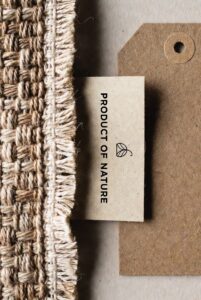
Your label should function as a miniature brand bible, encapsulating your visual identity in a compact format. Consistent use of brand colors, logos, and design elements across all label types—from Cardboard Labels (Hang Tags) and Their Importance in Branding to woven neck labels—creates a cohesive narrative that reinforces brand recognition.
Embrace Authenticity
Today’s consumers have finely tuned authenticity detectors. Overly polished or generic label designs feel disconnected and corporate. The most compelling label stories embrace genuine brand personality, whether that’s playful irreverence, minimalist sophistication, or artisanal warmth.
Why “Made in [Country]” Labels Still Matter to Consumers highlights how transparency and origin storytelling build trust and emotional connection with your audience.
Technical Elements That Support Storytelling
Information Architecture
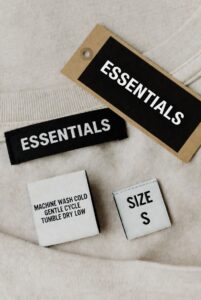
How you organize information on your label contributes to the narrative flow. Essential details like size, material composition, and What Are Care Labels and Why Are They Legally Required? fulfill functional requirements, but their presentation should align with your overall story.
For instance, a heritage brand might present care instructions in a classic, formalized layout, while a contemporary brand could use modern iconography and concise language that feels fresh and accessible.
Size and Placement Strategy
Tips for Selecting the Best Label Size for Your Product goes beyond practical considerations. Label size communicates confidence and intention—oversized labels make bold statements, while discreet labels suggest understated luxury.
Placement tells stories too. Inside collar labels offer intimate brand moments, while exterior labels become part of the product’s visual appeal and can even serve as design elements themselves.
Avoiding Common Storytelling Pitfalls
Even well-intentioned brands can undermine their narrative through label design mistakes. 5 Common Mistakes to Avoid When Designing Your Product Label identifies pitfalls that can dilute your message or create disconnects between your brand promise and customer experience.
Overcrowding your label with excessive information creates visual chaos that overwhelms rather than engages. Conversely, overly minimal designs that sacrifice necessary information for aesthetics can frustrate customers and undermine trust.
The Future of Label Storytelling
Innovation in label technology opens new narrative possibilities. The Benefits of Digital Label Design and Customization Tools are empowering brands to create more personalized, limited-edition, and seasonally relevant label stories without prohibitive costs or production minimums.
QR codes and NFC technology are bridging physical and digital storytelling, allowing labels to serve as portals to extended brand narratives, product journeys, and interactive experiences that deepen customer engagement.
Top Trends in Label Design for 2024 reveals how forward-thinking brands are incorporating these innovations while maintaining the tactile, emotional connections that physical labels uniquely provide.
Creating Emotional Resonance
The most powerful label stories tap into emotion rather than merely conveying information. A label that evokes nostalgia, aspiration, belonging, or pride creates psychological bonds that transcend the transactional nature of purchase.
How Custom Labels Enhance Customer Loyalty and Recognition explores how thoughtfully designed labels become cherished brand artifacts that customers keep, photograph, and share—transforming them into unpaid brand ambassadors.
Implementing Your Label Strategy
Start With Brand Clarity
Before designing your first label, crystallize your brand story. What do you stand for? What makes you different? What emotional response do you want to evoke? These foundational answers should inform every design decision.
Match Form and Function
Woven Labels, Cardboard Labels & Printed Labels: Find the Perfect Match for Your Brand guides you through selecting label types that align with both your practical needs and narrative goals.
Fashion brands emphasizing durability and luxury might prioritize Benefits of Using Woven Labels for Clothing Brands, while brands focusing on vibrant graphics and complex color stories might explore The Role of Printed Labels in Modern Clothing.
Consider the Complete Label Ecosystem
Your storytelling extends across multiple label touchpoints. Care (Wash Instruction) Labels: A Must for Every Garment might seem purely functional, but even these required elements can be designed to reinforce your narrative through material choice, layout, and tone of voice.
Measuring Storytelling Success
Effective label storytelling drives measurable business results. Track metrics like customer retention rates, social media mentions featuring your labels, and qualitative feedback about unboxing experiences. These indicators reveal whether your label narrative resonates with your intended audience.
Customer photography and sharing of your labels, particularly hang tags and exterior labels, signals strong emotional engagement with your brand story. These organic brand moments represent storytelling success that extends far beyond the point of purchase.
Conclusion
In an era of digital saturation, physical product labels offer rare opportunities for tangible, memorable brand storytelling. Every design choice—from material selection to color palette, from typography to information hierarchy—contributes to a narrative that can differentiate your brand, build emotional connections, and transform customers into loyal community members.
The art of storytelling through product labels requires intentionality, authenticity, and alignment between your brand values and visual expression. When executed thoughtfully, your labels become miniature brand manifestations that customers want to keep, share, and remember long after the product itself has been consumed or worn.
Whether you’re launching a new brand or refreshing an established one, Step-by-Step Guide to Designing Your Perfect Woven Label can help you translate your unique brand story into labels that captivate and convert. Your story deserves to be told—and your labels are waiting to tell it.