
In today’s competitive apparel and retail landscape, brand identity is no longer defined solely by product quality or pricing. Every touchpoint—especially labels—plays a critical role in shaping how a brand is perceived. Custom labels are not decorative add-ons; they are engineered branding tools that communicate professionalism, consistency, and trust.
For fashion brands, event organizers, and product manufacturers, investing in custom labels is a strategic decision that directly influences brand recognition, customer loyalty, and long-term value.
Custom Labels as a Core Brand Asset
Custom labels act as a brand’s signature. From woven neck labels to printed care labels and cardboard hang tags, each label type reinforces brand identity through material choice, typography, color accuracy, and finishing quality.
A well-designed label instantly answers three key questions for the customer:
Who made this product?
What level of quality should I expect?
Does this brand align with my values?
Understanding What Are Woven Labels? is often the first step for brands aiming to elevate their perceived value through premium detailing.
Building Recognition Through Consistency
Consistency is essential in branding. Using standardized label designs across collections helps customers immediately recognize your products—whether in-store, online, or at events. This is especially critical for fashion brands operating across multiple markets.
Resources such as A Guide to Standard Size Labels Across Global Markets and Tips for Selecting the Best Label Size for Your Product help ensure visual uniformity without compromising readability or compliance.
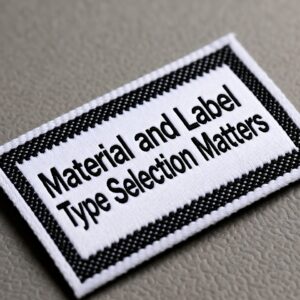
Material and Label Type Selection Matters
Not all labels serve the same purpose. Choosing between woven, printed, or cardboard labels depends on garment category, positioning, and brand strategy.
Woven labels convey durability and premium craftsmanship
Printed labels offer flexibility for detailed information and cost efficiency
Cardboard labels (hang tags) support storytelling and retail presentation
For a detailed comparison, brands can explore Woven Labels vs. Printed Labels Which One to Choose? and Woven Labels, Cardboard Labels & Printed Labels: Find the Perfect Match for Your Brand.
Labels as Storytelling Tools
Modern consumers value transparency and narrative. Labels are increasingly used to communicate brand values, sustainability efforts, and origin stories in a compact, tangible format.
Articles like The Art of Storytelling Through Product Labels and How Custom Labels Enhance Customer Loyalty and Recognition highlight how thoughtful label design transforms packaging into a communication channel rather than a compliance requirement.
Sustainability and Brand Perception
Sustainability is no longer optional. Eco-conscious customers actively assess brands based on material sourcing and environmental responsibility—often starting with the label.
Choosing recycled substrates, organic cotton, or responsibly sourced yarns reinforces brand credibility. Learn more through Why Sustainable Labeling Matters in Modern Fashion and The Environmental Benefits of Using Sustainable Label Materials.

Precision Design with Digital Tools
Advanced digital configurators and AI-supported systems allow brands to visualize labels before production, minimizing errors and ensuring production accuracy. This approach significantly reduces lead times and material waste.
Insights into modern workflows can be found in [The Benefits of Digital Label Design and Customization Tools] and [AI-Supported Labeling for Faster and More Accurate Production].
Avoiding Costly Design Mistakes
Poor label design can undermine even the strongest brand. Issues such as overcrowded layouts, incorrect sizing, or unsuitable fold types often lead to production inefficiencies and inconsistent branding.
Guidance from 5 Common Mistakes to Avoid When Designing Your Product Label and Design Tips for Eye-Catching Woven Labels helps brands achieve production-ready designs from the outset.
Custom Labels as a Long-Term Investment
High-quality labels directly influence how a brand is remembered. They enhance perceived value, support premium pricing, and strengthen emotional connections with customers.
This is particularly evident in fashion, where details define differentiation. Articles such as How Custom Labels Help Build a Recognizable Fashion Brand? and How Do Woven Labels Reflect the Quality of Your Brand? further explain this impact.
Conclusion
Custom labels are far more than identifiers—they are strategic branding instruments. When engineered correctly, they reinforce identity, communicate values, and elevate customer experience at every interaction point.
For brands seeking scalability, recognition, and long-term growth, investing in professionally designed and manufactured custom labels is not optional—it is essential.