In today’s competitive apparel and retail landscape, labels are no longer a secondary detail—they are a core brand asset. From woven labels that signal craftsmanship to cardboard labels (hang tags) that communicate story and value, and printed labels that deliver flexibility and efficiency, choosing the right label type directly impacts how your brand is perceived.
At LabelGo, we engineer labels not just for aesthetics, but for durability, compliance, scalability, and brand consistency across global markets. This guide will help you identify the most suitable label solution for your brand while understanding how each label type supports different business objectives.
Why Custom Labels Are Fundamental to Brand Identity
Custom labels are often the first physical interaction a customer has with your brand. They reinforce recognition, communicate quality, and differentiate your product in crowded retail environments. As explored in The Importance of Custom Labels in Building Brand Identity and How Custom Labels Enhance Customer Loyalty and Recognition, a well-engineered label system builds long-term brand equity rather than short-term visual appeal.
Labels influence:
-
Perceived product value
-
Trust and authenticity
-
Customer recall and loyalty
Woven Labels: The Gold Standard for Brand Perception
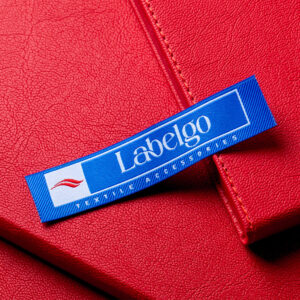
Woven labels remain the preferred choice for fashion and premium apparel brands due to their tactile quality, longevity, and refined appearance.
What Makes Woven Labels Different?
Woven labels are produced by interlacing yarns, allowing logos and text to become part of the fabric itself. This construction ensures superior durability compared to surface-printed alternatives.
For a deeper technical overview, see What Are Woven Labels? A Complete Guide and Everything About Woven Labels in Fashion Industry.
Key Benefits of Woven Labels
-
High resistance to washing and wear
-
Premium texture and finish
-
Precise logo reproduction at higher weave densities
-
Ideal for neck labels, branding labels, and heritage-focused collections
This is why many brands rely on woven solutions, as detailed in Benefits of Using Woven Labels for Clothing Brands and How Do Woven Labels Reflect the Quality of Your Brand?
To ensure optimal results, proper planning is critical. Resources like Step-by-Step Guide to Designing Your Perfect Woven Label and Design Tips for Eye-Catching Woven Labels outline best practices for size, color count, and fold selection.
Printed Labels: Flexibility and Efficiency at Scale
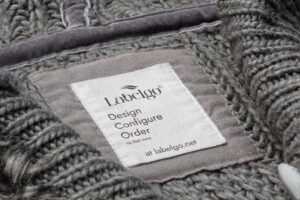
Printed labels play a strategic role where flexibility, speed, and cost efficiency are required. They are commonly used for care labels, size labels, and informational tags.
When Printed Labels Are the Right Choice
Printed labels are ideal for:
-
Complex care instructions
-
Variable data (sizes, languages, compositions)
-
Lightweight or minimalist garments
Learn more in What Are Printed Labels and How Are They Produced? and The Role of Printed Labels in Modern Clothing.
Advantages and Limitations
As outlined in Advantages and Limitations of Printed Labels, printed solutions offer fast turnaround and design freedom but may not match the tactile prestige of woven labels. Choosing between the two is a strategic decision, often compared in Woven Labels vs. Printed Labels: Which One to Choose? and Printed Labels vs. Woven Labels: Key Differences.
Cardboard Labels (Hang Tags): Storytelling Beyond the Garment
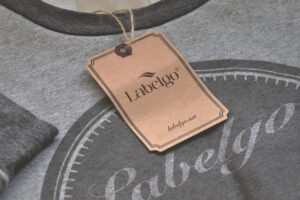
Cardboard labels, commonly known as hang tags, are essential for retail presentation and brand storytelling. They provide space for messaging that cannot be integrated into sewn labels.
Why Hang Tags Matter
Hang tags are often used to communicate:
-
Brand story and values
-
Sustainability credentials
-
Pricing and product information
Their importance is further explored in Cardboard Labels (Hang Tags) and Their Importance in Branding and What Are Cardboard Labels and Where Are They Used?
With premium materials, finishes, and reinforcement options, cardboard labels elevate perceived product value at the point of sale.
Choosing the Right Label Type for Your Brand
Selecting the correct label solution depends on your brand positioning, product category, and production scale.
Consider:
-
Brand positioning: luxury, contemporary, or mass market
-
Garment type: outerwear, basics, accessories
-
Compliance needs: care labels, origin labels
-
Sustainability goals: recycled or organic materials
Guides such as How to Choose the Right Label Type for Your Fashion Brand? and Choosing the Right Label Type for Your Clothing Brand provide structured decision frameworks.
Sustainability and the Future of Labeling
Modern brands are increasingly expected to demonstrate environmental responsibility. Label materials and production methods play a significant role in this perception.
Topics such as Why Sustainable Labeling Matters in Modern Fashion and The Environmental Benefits of Using Sustainable Label Materials highlight how responsible label choices can strengthen brand trust while aligning with regulatory and consumer expectations.
At LabelGo, sustainable substrates and optimized production workflows are integrated without compromising durability or clarity.
Final Thoughts: Engineering Labels That Work as Hard as Your Brand
Woven labels, printed labels, and cardboard labels each serve a distinct function within a complete branding system. The most successful brands view labeling as an engineered ecosystem rather than a single design decision.
By combining the right label types with precise production standards and intelligent customization tools—as discussed in The Benefits of Digital Label Design and Customization Tools—brands can achieve consistency, efficiency, and scalability.
LabelGo supports this process end-to-end, from configurator-driven design to global DHL Express delivery, ensuring your labels perform flawlessly across every market.