
Sew in Labels should be planned as a textile label manufacturing choice by matching garment type, material, fold style, wash resistance, print or weave quality, and brand identity.
This guide covers woven labels, printed labels, care labels, hang tags, size labels, made-in labels, and patch labels with short practical sections.
What Are Sew In Labels?
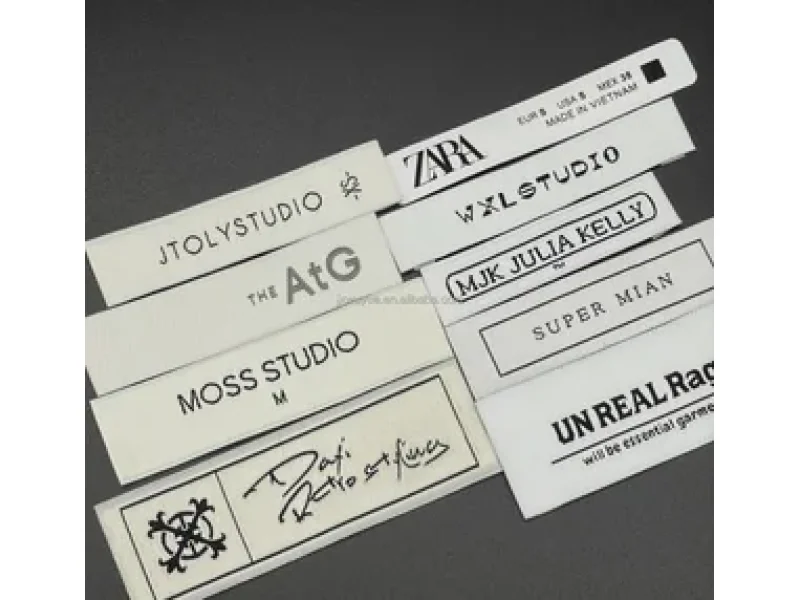
Sew in labels are textile tags that are sewn into garments during manufacturing, providing essential information like care instructions and brand identity. These durable labels ensure longevity while maintaining a professional appearance.Sew in labels offer several advantages over other label types due to their durability and ability to withstand washing cycles without falling off.
Durable & Long-lasting
Sewn into the fabric, these labels are resistant to wear and tear, ensuring they remain intact even after multiple washes.Choose from various materials like cotton or polyester for added strength and flexibility. The choice of material depends on your specific needs.
Common Uses for Sew In Labels
Sew in labels are commonly used to label clothing items like jackets and pants where a tag might be visible or uncomfortable when worn. They provide necessary information such as size, material composition, and care instructions. These durable tags can also serve branding purposes by featuring logos and other design elements that enhance the overall look of your product.Custom Clothing Label Types Compared
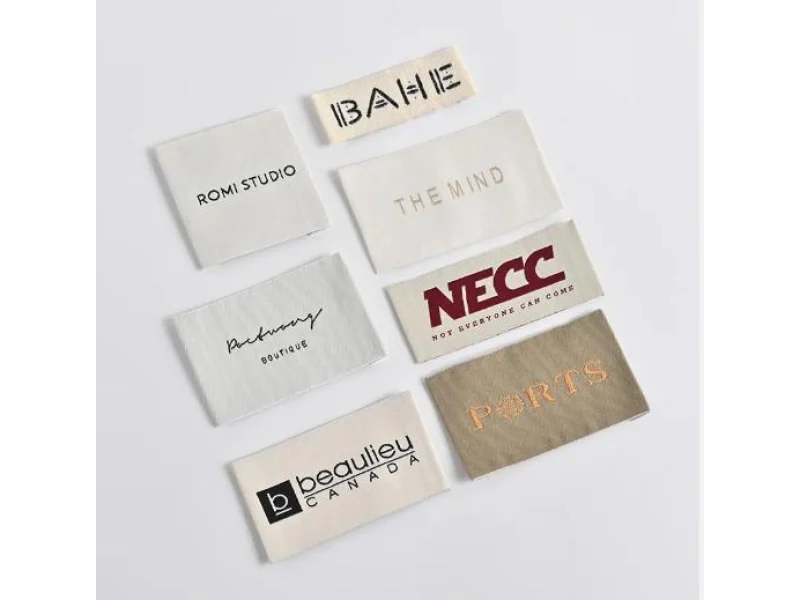
Digital proof before production: Ensures your design looks exactly as intended.
Quality control before delivery: Guarantees every order meets high standards, even for small businesses and startup clothing brands.
Pricing and minimum orders: Competitive pricing with low MOQs to support new apparel brands entering the market.
Fast turnaround times
Rapid production ensures quick delivery of custom labels, crucial for meeting deadlines in a fast-paced industry. Shipping options are flexible, accommodating various needs from local businesses to international startups.
Sew in Labels vs. Other Types
Sew in labels offer a classic look and are ideal for long-lasting garments like jackets or coats. They’re hidden inside the garment, making them less noticeable yet more durable than iron-on options. Iron-on labels provide easy application but may not be as secure over time compared to sew-in types. However, they’re quicker to apply during production. Heat transfer labels stick well and are suitable for synthetic fibers like polyester or nylon. They’re a good choice when you need quick results without the hassle of sewing. For detailed branding needs, embroidered labels offer high-quality customization but come with higher costs due to their intricate nature.Materials, Folds, Finishes and Design Options
The following table compares material, print or weave quality, use case, and production process for textile label manufacturing.
| Criterion | Best use | Check question | Quality expectation |
|---|---|---|---|
| Sew in Labels | Brand, apparel, and accessory products. | Which information must appear on the product? | Clear, readable, and brand-consistent. |
| Woven label | Premium clothing, outerwear, and accessories. | Are thread detail and wash resistance strong? | Dense weave, clean edge, long life. |
| Printed label | Color logos, care data, and fast production. | Are colors accurate and readable? | Sharp print, flexible base, stable color. |
| Care / size label | Washing instructions, size, origin information. | Are symbols and languages clear? | High readability in a small space. |
| Hang tag / patch label | Retail display, collections, brand story. | Does material improve product perception? | Durable stock, clean cut, quality workmanship. |
Fold Style: Flat-folded sew-in labels offer a clean look while double-stitched ones provide extra strength.
Edge Finish: Heat-sealed edges prevent fraying and enhance the label’s longevity, ensuring your brand is always visible after multiple washes.
Readability & Brand Appearance: High-quality printing ensures clear text or graphics that align with your branding needs. Custom designs can be created to match any color scheme or logo.
Pricing and Turnaround
LabelGo offers low minimum order quantities (MOQs) starting from just a few pieces, making it ideal for small businesses and startup clothing brands looking to fulfill orders without high upfront costs.Shipping: Fast turnaround times mean your labels can be ready in as little as 24 hours. International shipping is available with tracking numbers provided.
Sample Packs & Artwork Proofing: Free sample packs and digital proofing services allow you to review designs before full production, ensuring perfect matches for your brand identity.
Customization Options
Offering a range of customization options, LabelGo allows you to choose from various colors and fonts for your sew in labels. This ensures that each label perfectly matches the overall design aesthetic of your products.Fiber choice is also crucial; cotton or polyester fibers provide durability while maintaining softness against skin contact.
How the Custom Label Process Works
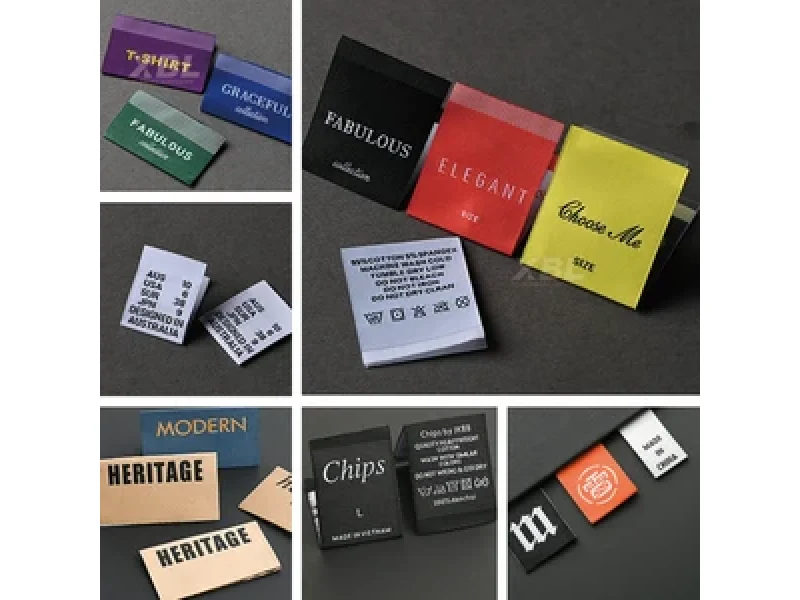
Digital Proof Approval: Our digital proofing system allows you to review the artwork before we start producing.
Production Steps: After approval, labels are produced using high-quality materials like woven or printed fabric. We ensure wash resistance for durability in your garments.
Pricing and Minimums
LabelGo offers low minimum order quantities to support small businesses and startup clothing brands. Fast turnaround times mean you can get your custom labels quickly.Fast Turnaround: With our efficient production process, we can fulfill orders within days for quick brand identity needs.
Shipping Options: We offer international shipping with tracking to ensure safe delivery of your order. Sample packs are available too.
Artwork Proofing and Quality Control: Artwork is proofed digitally, ensuring accuracy before production begins. Quality control checks guarantee the highest standards for every label produced.
Sew in Labels for Durability
Sew-in labels are ideal for long-lasting garments where adhesive labels might peel off over time. Our process ensures they remain securely attached, providing essential information like care instructions and size details. Quality control checks ensure every sewn label is perfectly centered and firmly stitched, enhancing the overall look of your product while maintaining durability through repeated washes.How to Choose the Right Label for a US Clothing Brand
Selecting the right sew-in label can significantly enhance your brand’s identity and product quality. Look for suppliers offering low minimums, fast turnaround times, and clear shipping options tailored to small businesses.
Pricing and Minimum Orders
Choose labels from providers with competitive pricing and flexible MOQs (minimum order quantities) that suit startup clothing brands without breaking the bank.
Fast Turnaround Times
A reliable supplier should offer quick production cycles, ensuring your products hit shelves faster. Opt for partners who can deliver within a week or two after approval of digital proofs.
Artwork Proofing and Customization
Select a supplier that allows digital proofing before production, ensuring accuracy in design and color matching. This step is crucial for maintaining brand consistency across products.
Selecting the Right Material for the production choice
When choosing materials, consider factors like durability, colorfastness, and ease of printing. Common choices include polyester and nylon due to their strength and resistance to wear.
Cataloging Your Products with a garment label option
Incorporate detailed information into sew-in labels, such as care instructions or product descriptions. This can improve customer satisfaction and reduce returns.
Programs for Label Management and Tracking
Implement software programs to manage and track sew-in labels throughout production, ensuring accuracy and efficiency in labeling processes.
Licensing Agreements for Custom Labels
If your product requires specific certifications or trademarks, secure the necessary licenses before producing custom sew-in labels. This can prevent legal issues down the line.
Notes for clearer production decisions
What Are Sew In Labels? should be reviewed through product use, brand presentation, and durability requirements. For Sew in Labels, the right choice depends on visual quality, wash resistance, contact with the garment, and how the label will perform during daily use.
The choice between woven labels, printed labels, care labels, size labels, and hang tags depends on material, readability, and product positioning. Before production, size, color, base material, fold style, and sewing area should be confirmed.
Quality control should review text clarity, edge finish, color consistency, and surface durability together. Sample approval reduces mistakes before full production and protects the brand presentation.
Lead time, quantity, product placement, and packaging needs should be written clearly. This helps the production team prepare the label for the right product group and use case.
What Are Custom Clothing Labels? should be reviewed through product use, brand presentation, and durability requirements. For Sew in Labels, the right choice depends on visual quality, wash resistance, contact with the garment, and how the label will perform during daily use.
The choice between woven labels, printed labels, care labels, size labels, and hang tags depends on material, readability, and product positioning. Before production, size, color, base material, fold style, and sewing area should be confirmed.
Quality control should review text clarity, edge finish, color consistency, and surface durability together. Sample approval reduces mistakes before full production and protects the brand presentation.
Lead time, quantity, product placement, and packaging needs should be written clearly. This helps the production team prepare the label for the right product group and use case.
Custom Clothing Label Types Compared should be reviewed through product use, brand presentation, and durability requirements. For Sew in Labels, the right choice depends on visual quality, wash resistance, contact with the garment, and how the label will perform during daily use.
The choice between woven labels, printed labels, care labels, size labels, and hang tags depends on material, readability, and product positioning. Before production, size, color, base material, fold style, and sewing area should be confirmed.
Quality control should review text clarity, edge finish, color consistency, and surface durability together. Sample approval reduces mistakes before full production and protects the brand presentation.
Lead time, quantity, product placement, and packaging needs should be written clearly. This helps the production team prepare the label for the right product group and use case.
Textile Label Comparison Table should be reviewed through product use, brand presentation, and durability requirements. For Sew in Labels, the right choice depends on visual quality, wash resistance, contact with the garment, and how the label will perform during daily use.
The choice between woven labels, printed labels, care labels, size labels, and hang tags depends on material, readability, and product positioning. Before production, size, color, base material, fold style, and sewing area should be confirmed.
Quality control should review text clarity, edge finish, color consistency, and surface durability together. Sample approval reduces mistakes before full production and protects the brand presentation.
Lead time, quantity, product placement, and packaging needs should be written clearly. This helps the production team prepare the label for the right product group and use case.
Materials, Folds, Finishes and Design Options should be reviewed through product use, brand presentation, and durability requirements. For Sew in Labels, the right choice depends on visual quality, wash resistance, contact with the garment, and how the label will perform during daily use.
The choice between woven labels, printed labels, care labels, size labels, and hang tags depends on material, readability, and product positioning. Before production, size, color, base material, fold style, and sewing area should be confirmed.
Quality control should review text clarity, edge finish, color consistency, and surface durability together. Sample approval reduces mistakes before full production and protects the brand presentation.
Lead time, quantity, product placement, and packaging needs should be written clearly. This helps the production team prepare the label for the right product group and use case.
How the Custom Label Process Works should be reviewed through product use, brand presentation, and durability requirements. For Sew in Labels, the right choice depends on visual quality, wash resistance, contact with the garment, and how the label will perform during daily use.
The choice between woven labels, printed labels, care labels, size labels, and hang tags depends on material, readability, and product positioning. Before production, size, color, base material, fold style, and sewing area should be confirmed.
Quality control should review text clarity, edge finish, color consistency, and surface durability together. Sample approval reduces mistakes before full production and protects the brand presentation.
Lead time, quantity, product placement, and packaging needs should be written clearly. This helps the production team prepare the label for the right product group and use case.
How to Choose the Right Label for a US Clothing Brand should be reviewed through product use, brand presentation, and durability requirements. For Sew in Labels, the right choice depends on visual quality, wash resistance, contact with the garment, and how the label will perform during daily use.
The choice between woven labels, printed labels, care labels, size labels, and hang tags depends on material, readability, and product positioning. Before production, size, color, base material, fold style, and sewing area should be confirmed.