
Size Labels should be planned as a textile label manufacturing choice by matching garment type, material, fold style, wash resistance, print or weave quality, and brand identity.
This guide covers woven labels, printed labels, care labels, hang tags, size labels, made-in labels, and patch labels with short practical sections.
What Are Size Labels?
Size labels are essential textile tags that provide garment size information and care instructions, helping consumers make informed purchasing decisions. These labels can be woven or printed directly onto fabric.Define the topic quickly:
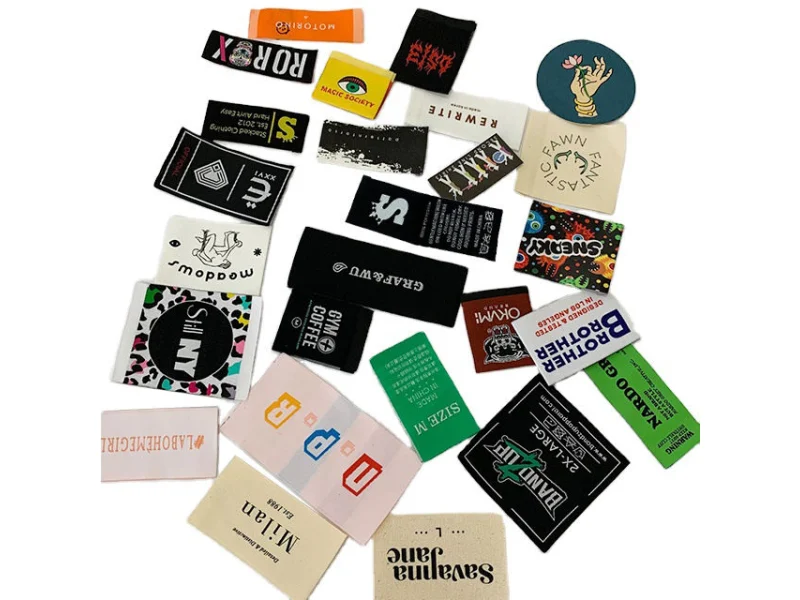
- Essential for apparel brands to include size and care details.
The Decision a Buyer Needs to Make
Buyers must choose between custom, personalized labels that fit their brand identity or standard options. Customized labels allow for unique designs but may require higher minimums.For the United States:
- Focusing on low minimum orders and fast turnaround times.
Startup Clothing Brand Needs
Start-up clothing brands benefit from suppliers offering personalized labels, quick shipping options, sample packs for testing designs, and artwork proofing to ensure accuracy.Pricing:
- Vary based on the complexity of design.
Benefits of Custom Size Labels
Custom size labels enhance brand identity and customer satisfaction by providing precise sizing information. They can be designed to match a company’s logo, colors, or unique style. For small businesses: Quick turnaround times are crucial for staying competitive in the market.Custom Clothing Label Types Compared
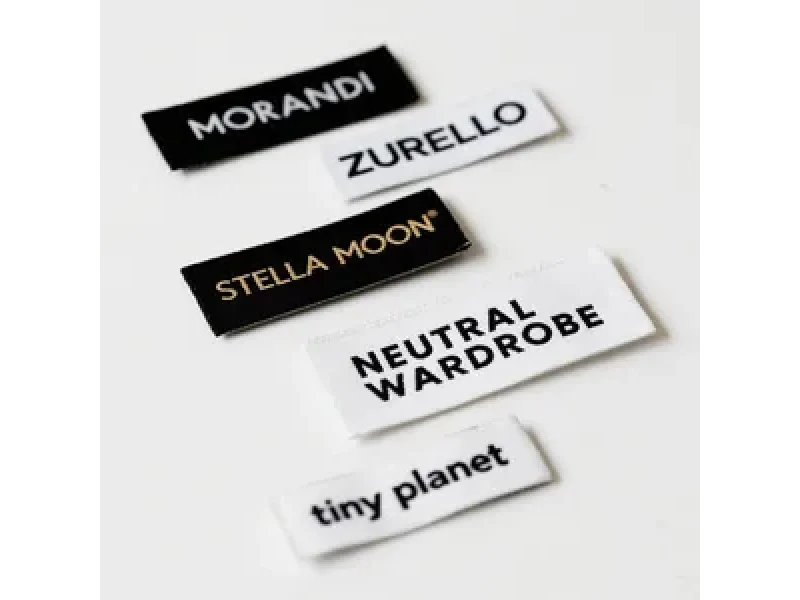
Key Comparison Points
For startup clothing brands and small businesses looking for low minimum orders with fast turnaround times, printed fabric labels are often preferred due to their cost-effectiveness and quick production cycles. Woven labels require higher MOQs but offer better durability and customization options suitable for established brands aiming for a premium look. Shipping is another critical factor; many suppliers like LabelGo provide international shipping at competitive rates. Artwork proofing ensures designs meet expectations before final production, offering peace of mind to small businesses and new apparel brands.Types of Custom Clothing Labels
Woven labels stand out with their intricate designs and durability, perfect for premium garments. Printed fabric labels offer flexibility but may wear off after several washes. Care labels provide essential washing instructions, while hang tags enhance branding. For small businesses, printed fabric labels are favored due to lower minimum order quantities (MOQs) and faster production times. Established brands often choose woven labels for their higher durability and customization options. Analyzing these factors helps in selecting the right label type based on brand goals.Materials, Folds, Finishes and Design Options
The following table compares material, print or weave quality, use case, and production process for textile label manufacturing.
| Criterion | Best use | Check question | Quality expectation |
|---|---|---|---|
| Size Labels | Brand, apparel, and accessory products. | Which information must appear on the product? | Clear, readable, and brand-consistent. |
| Woven label | Premium clothing, outerwear, and accessories. | Are thread detail and wash resistance strong? | Dense weave, clean edge, long life. |
| Printed label | Color logos, care data, and fast production. | Are colors accurate and readable? | Sharp print, flexible base, stable color. |
| Care / size label | Washing instructions, size, origin information. | Are symbols and languages clear? | High readability in a small space. |
| Hang tag / patch label | Retail display, collections, brand story. | Does material improve product perception? | Durable stock, clean cut, quality workmanship. |
Size labels can be made from a variety of materials such as woven or printed fabric, ensuring durability and flexibility for different garment types.
The most common fold styles include single-folded and double-folded options to provide strength while maintaining ease of application. Edge finishes like serged edges ensure neatness and prevent unraveling during washing cycles.
Readability is crucial; choose full-color printing with high-resolution text for clear, long-lasting labels that won’t fade or become illegible over time.
Brand Appearance
To enhance brand identity, consider custom designs tailored to your specific needs. This includes logo integration and color schemes that match your apparel line’s aesthetic.
For startup clothing brands with limited budgets but big dreams, LabelGo offers low minimum orders, fast turnaround times, and personalized services at competitive prices.
Shipping is handled efficiently through international logistics networks, ensuring timely delivery to customers. Sample packs are available for testing before full production runs begin.
Artwork proofing allows you to review designs online or in person, making adjustments as needed until the final product meets your expectations.
Customization Options
Materials for size labels can include woven fabric or printed fibers, ensuring durability and flexibility across various garment types. Choose between single-folded or double-folded options to balance strength with ease of application. For a polished look, opt for serged edges that prevent unraveling during washing cycles. Full-color printing ensures clear, long-lasting text that won’t fade over time. Analyze your brand’s needs and integrate custom designs tailored to specific requirements—incorporating logos and color schemes that match your apparel line’s aesthetic.How the Custom Label Process Works
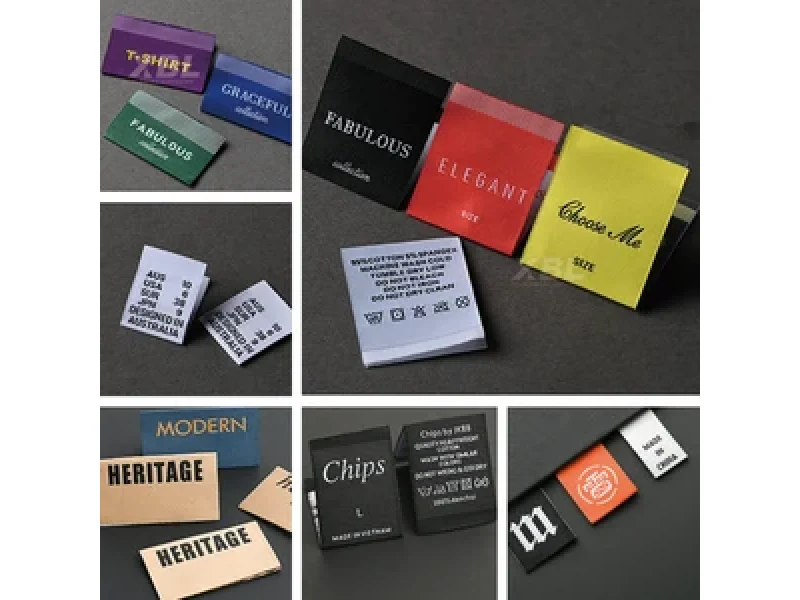
Start with a design upload or provide your product details for a quote.
Firstly, you select the type of labels needed—woven labels, printed fabric labels, care labels, hang tags, etc.—and specify any customizations required such as colors or text. Next, our team provides a digital proof which can be reviewed and approved before production starts.Quality Control
After approval, the labels undergo quality control checks to ensure they meet high standards of durability and appearance. Finally, once everything is perfect, your custom labels are packaged securely for shipping via international carriers with tracking provided.Customization Options
After uploading your design or providing product details for a quote, you can choose from various customization options such as colors and text to make sure every label fits perfectly. Once the digital proof is approved, our team ensures each label meets high-quality standards through rigorous quality control checks. This guarantees durability and perfect appearance before shipping.How to Choose the Right Label for a US Clothing Brand
Choose labels that offer fast turnaround and low minimums, ideal for small businesses and startups like customized apparel brands. Opt for providers who can quickly fulfill orders while maintaining high-quality standards. Digital proofing ensures your design is perfect before production starts.Pricing and Minimum Orders
Look for suppliers with competitive pricing and flexible minimum order quantities, such as LabelGo, which caters to both large-scale manufacturers and small startups in the US market.Fast Turnaround Times
Select a label manufacturer that can deliver quickly without compromising on quality. For instance, LabelGo offers 7/24 support for urgent orders, ensuring timely production cycles. LabelGo provides digital proofing before finalizing your order to ensure accuracy and satisfaction with the design. Their international shipping options make it easy to manage global supply chains efficiently.LabelGo’s Competitive Edge
Choose LabelGo for its competitive pricing and flexible minimum orders—perfect for small businesses and startups in the US market. Pricing remains reasonable, making high-quality labels accessible without breaking the bank. Their fast turnaround times ensure your products hit shelves quickly, boosting sales potential.For deeper comparison, you can review Size Labels Wikipedia and Size Labels Google US.
Understanding Size Labels in Textile Manufacturing
In textile manufacturing, size labels are crucial for ensuring that garments fit correctly and meet customer expectations. These labels provide vital information such as the garment’s size, care instructions, and material composition.
Selecting the Right Material for Your Size Label
When choosing materials for your size label, consider durability and readability. Common choices include synthetic fibers like polyester or nylon, which are resistant to wear and tear but can be less eco-friendly compared to natural fiber options such as cotton or linen.
Analyzing Durability of Size Labels
Ensure that the material you choose is durable enough for repeated washing cycles. Conduct tests by exposing sample labels to various detergents, temperatures, and water levels to simulate real-world conditions. This analysis will help prevent label degradation over time.
Cataloging Your Label Needs
Create a detailed catalog of your size label requirements before placing an order. Include specific details such as the garment type (e.g., t-shirt, jeans), target market demographics, and desired information to be displayed on each label. This will streamline the ordering process.
Customization Options for Size Labels
To make your size labels stand out, consider customization options like unique fonts, vibrant colors, or embossed designs. Customized labeling can enhance brand recognition and provide a professional look to your products.
Molded vs. Printed this textile label
Decide between molded (raised) labels and printed flat labels based on your needs. Molded labels can offer a more premium look but may be pricier, while printed labels are cost-effective yet still professional in appearance.
Fulfillment Options for Your Order
Select the right fulfillment option that best suits your business model. For small quantities or quick turnaround times, choose expedited shipping services. Larger orders might benefit from bulk packaging and direct shipment to retail locations or warehouses.
Traveler Certificates for International Shipping
If you plan to ship textiles internationally, obtain the required traveler certificates from customs authorities. These documents verify that your product meets import regulations and can expedite clearance processes at ports of entry.
Analyzing Market Trends in Labeling
Stay informed about current trends in textile labeling by analyzing market reports and industry publications. Understanding what competitors are doing with their a garment label option can provide valuable insights for improving your own product offerings.
Selecting the Right Supplier for the production choice
Pick a supplier who offers competitive pricing, quick turnaround times, and high-quality materials. Look for suppliers that have experience in textile labeling and offer customization options to meet specific design requirements.
Fulfillment Services for Your Order
Choose a fulfillment service that offers efficient order processing, accurate inventory management, and reliable shipping options. This will ensure that your this textile label are delivered on time to meet production deadlines without delays.
Eco-Friendly Labeling Solutions
If sustainability is important to you, explore eco-friendly labeling solutions such as biodegradable materials or water-based inks for printing. These choices can help reduce the environmental impact of your product packaging while still maintaining high-quality standards.
Notes for clearer production decisions
What Are Size Labels? should be reviewed through product use, brand presentation, and durability requirements. For Size Labels, the right choice depends on visual quality, wash resistance, contact with the garment, and how the label will perform during daily use.
The choice between woven labels, printed labels, care labels, size labels, and hang tags depends on material, readability, and product positioning. Before production, size, color, base material, fold style, and sewing area should be confirmed.
Quality control should review text clarity, edge finish, color consistency, and surface durability together. Sample approval reduces mistakes before full production and protects the brand presentation.
Lead time, quantity, product placement, and packaging needs should be written clearly. This helps the production team prepare the label for the right product group and use case.
When planning Size Labels, label type, product group, and expected service life should be reviewed together. This creates a better balance between brand presentation and technical durability.
The production file should include size, color code, material, printing or weaving method, and delivery expectation. Clear information speeds up approval and reduces revision work.
Notes for clearer production decisions
What Are Size Labels? should be reviewed through product use, brand presentation, and durability requirements. For Size Labels, the right choice depends on visual quality, wash resistance, contact with the garment, and how the label will perform during daily use.
The choice between woven labels, printed labels, care labels, size labels, and hang tags depends on material, readability, and product positioning. Before production, size, color, base material, fold style, and sewing area should be confirmed.
Quality control should review text clarity, edge finish, color consistency, and surface durability together. Sample approval reduces mistakes before full production and protects the brand presentation.
Lead time, quantity, product placement, and packaging needs should be written clearly. This helps the production team prepare the label for the right product group and use case.
What Are Custom Clothing Labels? should be reviewed through product use, brand presentation, and durability requirements. For Size Labels, the right choice depends on visual quality, wash resistance, contact with the garment, and how the label will perform during daily use.
The choice between woven labels, printed labels, care labels, size labels, and hang tags depends on material, readability, and product positioning. Before production, size, color, base material, fold style, and sewing area should be confirmed.
Quality control should review text clarity, edge finish, color consistency, and surface durability together. Sample approval reduces mistakes before full production and protects the brand presentation.
Lead time, quantity, product placement, and packaging needs should be written clearly. This helps the production team prepare the label for the right product group and use case.
Custom Clothing Label Types Compared should be reviewed through product use, brand presentation, and durability requirements. For Size Labels, the right choice depends on visual quality, wash resistance, contact with the garment, and how the label will perform during daily use.
The choice between woven labels, printed labels, care labels, size labels, and hang tags depends on material, readability, and product positioning. Before production, size, color, base material, fold style, and sewing area should be confirmed.
Quality control should review text clarity, edge finish, color consistency, and surface durability together. Sample approval reduces mistakes before full production and protects the brand presentation.
Lead time, quantity, product placement, and packaging needs should be written clearly. This helps the production team prepare the label for the right product group and use case.
Textile Label Comparison Table should be reviewed through product use, brand presentation, and durability requirements. For Size Labels, the right choice depends on visual quality, wash resistance, contact with the garment, and how the label will perform during daily use.
The choice between woven labels, printed labels, care labels, size labels, and hang tags depends on material, readability, and product positioning. Before production, size, color, base material, fold style, and sewing area should be confirmed.
Quality control should review text clarity, edge finish, color consistency, and surface durability together. Sample approval reduces mistakes before full production and protects the brand presentation.
Lead time, quantity, product placement, and packaging needs should be written clearly. This helps the production team prepare the label for the right product group and use case.
Materials, Folds, Finishes and Design Options should be reviewed through product use, brand presentation, and durability requirements. For Size Labels, the right choice depends on visual quality, wash resistance, contact with the garment, and how the label will perform during daily use.
The choice between woven labels, printed labels, care labels, size labels, and hang tags depends on material, readability, and product positioning. Before production, size, color, base material, fold style, and sewing area should be confirmed.
Quality control should review text clarity, edge finish, color consistency, and surface durability together. Sample approval reduces mistakes before full production and protects the brand presentation.
Lead time, quantity, product placement, and packaging needs should be written clearly. This helps the production team prepare the label for the right product group and use case.
How the Custom Label Process Works should be reviewed through product use, brand presentation, and durability requirements. For Size Labels, the right choice depends on visual quality, wash resistance, contact with the garment, and how the label will perform during daily use.
The choice between woven labels, printed labels, care labels, size labels, and hang tags depends on material, readability, and product positioning. Before production, size, color, base material, fold style, and sewing area should be confirmed.
Quality control should review text clarity, edge finish, color consistency, and surface durability together. Sample approval reduces mistakes before full production and protects the brand presentation.
Lead time, quantity, product placement, and packaging needs should be written clearly. This helps the production team prepare the label for the right product group and use case.
How to Choose the Right Label for a US Clothing Brand should be reviewed through product use, brand presentation, and durability requirements. For Size Labels, the right choice depends on visual quality, wash resistance, contact with the garment, and how the label will perform during daily use.
The choice between woven labels, printed labels, care labels, size labels, and hang tags depends on material, readability, and product positioning. Before production, size, color, base material, fold style, and sewing area should be confirmed.
Quality control should review text clarity, edge finish, color consistency, and surface durability together. Sample approval reduces mistakes before full production and protects the brand presentation.
Lead time, quantity, product placement, and packaging needs should be written clearly. This helps the production team prepare the label for the right product group and use case.
Frequently Asked Questions should be reviewed through product use, brand presentation, and durability requirements. For Size Labels, the right choice depends on visual quality, wash resistance, contact with the garment, and how the label will perform during daily use.
The choice between woven labels, printed labels, care labels, size labels, and hang tags depends on material, readability, and product positioning. Before production, size, color, base material, fold style, and sewing area should be confirmed.
Quality control should review text clarity, edge finish, color consistency, and surface durability together. Sample approval reduces mistakes before full production and protects the brand presentation.
Lead time, quantity, product placement, and packaging needs should be written clearly. This helps the production team prepare the label for the right product group and use case.
When planning Size Labels, label type, product group, and expected service life should be reviewed together. This creates a better balance between brand presentation and technical durability.
The production file should include size, color code, material, printing or weaving method, and delivery expectation. Clear information speeds up approval and reduces revision work.