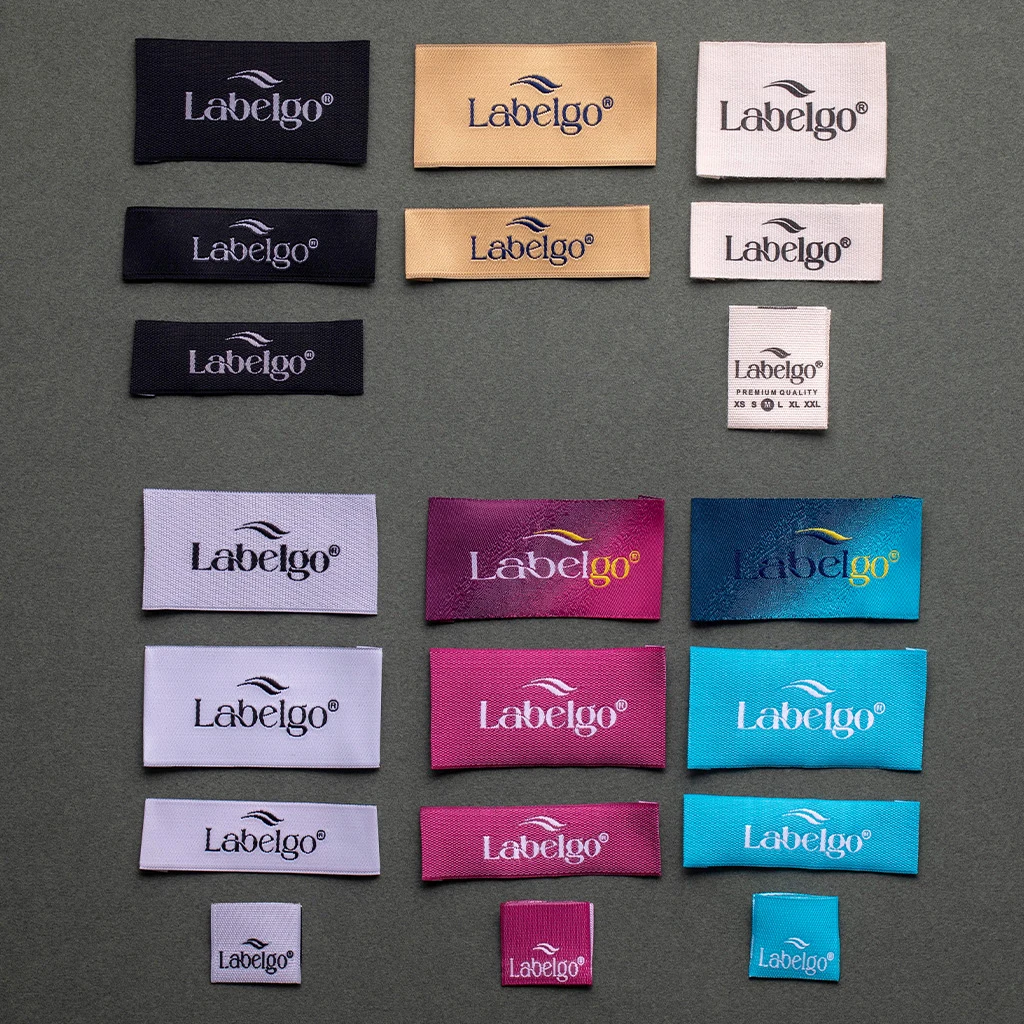
Personalized Clothing Tags with woven textile label example, used to evaluate brand identity, wash resistance, and product presentation.
In the ever-evolving landscape of fashion, where trends shift as quickly as the seasons change, one element remains a steadfast beacon of identity and quality: personalized clothing tags. These small yet powerful accessories do more than just identify the garment; they are the silent ambassadors that speak volumes about a brand’s commitment to craftsmanship and customer satisfaction.
Consider this: in an industry where over 80 billion pieces of new clothing are produced annually, how does your favorite sweater stand out from the crowd? The answer often lies in those subtle yet significant tags attached to each piece. These tags aren’t just labels; they’re a promise of authenticity and a testament to the care that goes into every stitch.
🎨 Design Your Custom Clothing Labels Online
Upload your own logo or artwork, choose dimensions & materials, and review your live digital preview before ordering. (LabelGo label catalog).
Personalized clothing tags have become more than just a necessity—they are now a strategic marketing tool, enhancing brand recognition and customer loyalty. In an era where consumers are increasingly conscious about their purchases, these tags can be the deciding factor in whether a garment is remembered or forgotten. They serve as a tangible connection between the consumer and the brand, creating a lasting impression that resonates long after the purchase.
But what exactly makes personalized clothing tags so impactful? For starters, they provide crucial information about the product—material composition, care instructions, and sizing details—that can significantly influence a buyer’s decision. Beyond practicality, these tags also play a critical role in establishing brand identity. A well-designed tag can convey luxury, sustainability, or innovation, depending on the message it aims to communicate.
Moreover, personalized clothing tags are not just about information; they’re about experience. Imagine unwrapping a new piece of clothing and finding a tag that feels like a personal note from the designer. This level of customization can elevate the entire shopping experience, making each item feel unique and special. In an age where mass production is king, personalized touches like these tags remind consumers that their purchase is more than just another garment—it’s a statement.
As we delve deeper into this topic, it becomes clear why personalized clothing tags are not to be underestimated. They hold the power to transform a simple piece of fabric into a cherished possession. Whether you’re looking to enhance your brand’s image or simply want to ensure that every item in your wardrobe tells its own story, investing in high-quality Custom Clothing Tags is an investment worth making.
The fashion industry thrives on innovation and attention to detail. Personalized clothing tags are a prime example of how even the smallest elements can have a significant impact, shaping consumer perceptions and driving brand success in ways that go far beyond their size.
Table of Contents
Understanding Personalization in Fashion
Personalization has become a cornerstone of the fashion industry, driving consumer engagement and brand loyalty. As technology advances, so does our ability to tailor products to individual preferences, with personalized clothing tags being a prime example.
The Evolution of Custom Tags
The journey from generic labels to custom-made tags reflects broader trends in personalization within fashion. Initially, clothing tags were purely functional, serving as identifiers for size and care instructions. However, as consumer tastes evolved, so did the role of these tags. Today, they serve not only practical purposes but also aesthetic ones, often becoming a signature element that enhances the overall look of an outfit.
Custom clothing tags have become increasingly sophisticated, incorporating advanced printing techniques such as laser engraving and digital printing to achieve high-resolution images and text. This level of detail allows brands to offer personalized messages, names, or even unique designs on tags, making each piece feel more exclusive and tailored to the wearer. For instance, Custom Clothing Tags can be designed with intricate patterns that match the garment’s fabric or feature a customer’s name for an added personal touch.
Consumer Demand for Personalized Products
The rise in demand for personalized products is driven by consumers’ desire to express their individuality and uniqueness. In today’s fast-paced world, where mass-produced items are abundant, having something that feels uniquely yours can be a significant draw. Custom clothing tags tap into this sentiment, offering an easy way for brands to connect with customers on a personal level.
Moreover, personalized products often come with a higher perceived value, as they feel more exclusive and tailored to the individual. This perception is crucial in building brand loyalty and encouraging repeat purchases. For example, a custom tag that reads “For Sarah” or features her initials can make a customer feel special and valued, strengthening their connection to both the product and the brand.
In terms of practicality, personalized clothing tags also serve functional purposes. Skin-soft edges prevent neck irritation, making them ideal for activewear, tees, and childrenswear. This attention to detail not only enhances comfort but also demonstrates a commitment to quality and customer satisfaction.
As we continue to see advancements in technology and manufacturing processes, the potential for personalization in fashion will undoubtedly expand further. Brands that embrace this trend and offer meaningful customization options are likely to thrive in an increasingly competitive market.
Technological Innovations in Tagging
The following table compares material, print or weave quality, use case, and production process for textile label manufacturing.
Textile label manufacturing comparison criteria
Criterion
Best use
Check question
Quality expectation
Personalized Clothing Tags
Brand, apparel, and accessory products.
Which information must appear on the product?
Clear, readable, and brand-consistent.
Woven label
Premium clothing, outerwear, and accessories.
Are thread detail and wash resistance strong?
Dense weave, clean edge, long life.
Printed label
Color logos, care data, and fast production.
Are colors accurate and readable?
Sharp print, flexible base, stable color.
Care / size label
Washing instructions, size, origin information.
Are symbols and languages clear?
High readability in a small space.
Hang tag / patch label
Retail display, collections, brand story.
Does material improve product perception?
Durable stock, clean cut, quality workmanship.
As the fashion industry continues to evolve, personalized clothing tags have become a key component of brand identity and customer engagement. This section delves into the advanced technologies that are shaping the future of tagging.
Advanced Printing Technologies
The advent of digital printing has revolutionized how personalized clothing tags are produced. Traditional screen-printing methods were limited in color range and design complexity, but modern digital printers can produce intricate designs with a vast spectrum of colors. This shift allows for more creative freedom and customization options that cater to individual consumer preferences.
One notable advancement is the integration of RFID (Radio-Frequency Identification) technology into tags. These smart labels not only enhance security by preventing counterfeiting but also offer valuable data collection capabilities, such as tracking inventory in real-time. The use of RFID tags can significantly streamline supply chain management and improve overall operational efficiency for manufacturers.
Innovative Materials and Designs
The materials used in clothing tags have evolved beyond the traditional polyester or cotton options to include more sustainable and eco-friendly alternatives. For instance, biodegradable plastics and recycled fabrics are now being employed to create tags that align with growing consumer demand for environmentally responsible products. These innovations not only reduce environmental impact but also enhance brand image by showcasing a commitment to sustainability.
In addition to material advancements, the design of personalized clothing tags has seen significant improvements. Custom shapes, embossed textures, and even interactive elements like QR codes are now common features that can be incorporated into tag designs. These enhancements provide additional layers of functionality and aesthetic appeal, making each tag a unique extension of the brand’s identity.
Sourcing direct from the manufacturer guarantees factory-level pricing and direct technical accountability. This approach ensures that you receive high-quality tags while maintaining cost efficiency and technical reliability. For more information on personalized clothing labels and how they can enhance your brand’s presence, visit Personalized Clothing Labels.
Market Trends and Consumer Insights
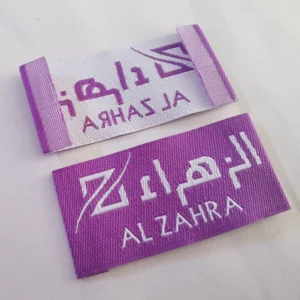
Personalized Clothing Tags with printed fabric label and care label, used to evaluate brand identity, wash resistance, and product presentation.
The fashion industry is increasingly moving towards personalization, driven by consumer demand for unique and customized products. Personalized clothing tags are a prime example of this trend, offering brands an opportunity to connect more deeply with their customers through tailored experiences.
Demographics Driving Personalization
One key demographic driving the push toward personalized clothing tags is millennials and Gen Z consumers, who have grown up in an era where customization and personal expression are highly valued. These younger generations place a premium on individuality and authenticity, often seeking out brands that can provide them with unique experiences. According to recent market research, 71% of millennials believe that companies should personalize their interactions based on past behavior and preferences.
Personalized clothing tags not only enhance the product’s appeal but also serve as a tangible reminder of the brand’s commitment to individuality. For instance, custom embroidery or printing can include names, initials, or even short messages, making each piece feel uniquely personal. This level of customization is particularly appealing in sectors like athleisure and high-end fashion, where consumers are willing to pay a premium for bespoke touches.
Impact on Brand Loyalty
Personalized clothing tags play a significant role in fostering brand loyalty by creating an emotional connection with the consumer. When customers feel that their preferences have been taken into account, they are more likely to develop a sense of ownership and attachment to both the product and the brand itself.
Moreover, personalized tags can serve as powerful marketing tools. Brands can leverage these tags for targeted promotions or special offers, further enhancing customer engagement. For example, including QR codes on personalized tags allows customers to access exclusive content, discounts, or loyalty programs directly from their clothing items.
Production specialists review small typography and fine gradients to optimize loom density and avoid weaving distortion, ensuring that the quality of personalized tags remains high even with intricate designs. This attention to detail is crucial for maintaining brand integrity and customer satisfaction.
For brands looking to implement personalized clothing tags effectively, it’s essential to consider both the design and functionality of these elements. A well-executed personalization strategy can significantly elevate a brand’s image and strengthen its relationship with consumers. To explore more about how custom branding can enhance your products, check out Custom Brand Tags For Clothing.
Regulatory Considerations for Customization
As we delve into the realm of personalized clothing tags, it becomes imperative to understand the regulatory landscape that governs this niche market. Tailoring garments and accessories with custom information not only enhances consumer satisfaction but also introduces a host of compliance challenges. This section explores key considerations such as adherence to textile standards and privacy concerns associated with personalized tags.
Compliance with Textile Standards
Ensuring that personalized clothing tags meet the stringent requirements set by regulatory bodies is crucial for both legal compliance and brand integrity. In the United States, the Federal Trade Commission (FTC) plays a pivotal role in overseeing textile labeling laws. The FTC’s Textile Rules mandate that all textile products sold or distributed in the U.S. must be labeled with fiber content information, country of origin, and care instructions.
When it comes to personalized tags, these requirements extend beyond mere compliance; they demand meticulous attention to detail. For instance, production specialists review small typography and fine gradients to optimize loom density and avoid weaving distortion. This ensures that the tag remains legible and durable over time, maintaining its integrity through multiple washes and wears.
Moreover, custom tags must also adhere to specific size and placement guidelines outlined by the FTC. The label should be permanently affixed to the garment in a visible location, ensuring it is easily accessible for consumers. Additionally, any claims made on personalized tags—such as “100% cotton” or “Made in USA”—must be accurate and verifiable.
Privacy Concerns in Personalized Tags
Personalization often involves embedding unique identifiers such as names, initials, or even more sensitive information like contact details. While this personal touch can significantly enhance customer loyalty, it also raises significant privacy concerns that must be carefully managed.
One of the primary issues is data security. Manufacturers and retailers handling personalized tags must implement robust data protection measures to safeguard consumer information from unauthorized access or misuse. This includes secure storage practices for digital files containing tag designs and stringent protocols for physical tag production and distribution.
Another critical aspect is transparency in communication with consumers about how their personal information will be used, stored, and protected. Clear privacy policies should be readily available and easily understandable by all customers. Additionally, obtaining explicit consent from the consumer before collecting any personal data ensures compliance with both FTC guidelines and broader data protection regulations like the California Consumer Privacy Act (CCPA).
In conclusion, while personalized clothing tags offer a unique opportunity to enhance customer engagement and satisfaction, they also necessitate careful navigation of regulatory requirements and privacy concerns. By adhering to textile standards and prioritizing consumer privacy, manufacturers can ensure that their custom offerings not only meet legal obligations but also build trust with their customers.
Future Trends and Predictions
As we delve into the realm of personalized clothing tags, it’s clear that emerging technologies and sustainability are shaping the future landscape in significant ways.
Emerging Technologies
The advent of advanced printing techniques is revolutionizing how personalized clothing tags are produced. Digital printing now allows for intricate designs and detailed customization at a scale previously unimaginable. For instance, direct-to-garment (DTG) printing has become increasingly popular due to its ability to produce high-quality prints on various fabric types without the need for screens or plates. This method not only reduces waste but also offers unparalleled flexibility in design.
Moreover, RFID (Radio-Frequency Identification) tags are gaining traction as a means of providing detailed product information and enhancing consumer experiences. These tiny chips can store vast amounts of data about the garment’s origin, care instructions, and even its journey through the supply chain. This technology not only aids in inventory management but also offers consumers transparency and authenticity verification.
Sustainability in Personalized Tags
Sustainability remains a critical concern within the fashion industry, and personalized clothing tags are no exception. Brands are increasingly focusing on eco-friendly materials and processes to reduce their environmental footprint. For example, biodegradable substrates for tag production have become more prevalent, ensuring that these accessories do not contribute to long-term waste.
Another significant trend is the use of recycled materials in tag production. Companies are now sourcing materials from post-consumer waste streams, such as plastic bottles and textile scraps, to create durable yet sustainable tags. This approach not only reduces reliance on virgin resources but also promotes a circular economy within the fashion industry.
In addition to material choices, manufacturing processes play a crucial role in sustainability efforts. Yarns are physically dyed to match exact Pantone textile color codes across a 2-to-8 color capability, ensuring that colors remain consistent and vibrant without excessive dye usage or waste. This precise dyeing process not only enhances the aesthetic appeal of personalized tags but also minimizes environmental impact.
As we look ahead, it’s evident that technology and sustainability will continue to be at the forefront of innovation in personalized clothing tags. Brands must embrace these trends to stay competitive while contributing positively to the environment.
Selecting the right Personalized Clothing Tags involves evaluating fabric composition, wash frequency, skin-contact softness, and overall brand positioning. High-density labels provide a premium look for primary brand logos. Confirming fold style and seam margins prior to production ensures flawless bulk manufacturing.
Key Manufacturing Standards & Expert Tips for Personalized Clothing Tags
When selecting and manufacturing Personalized Clothing Tags, these 6 essential quality standards, material choices, edge sealing techniques, and compliance rules dictate long-term durability and brand value:
1. Substrate Material Selection for Garment Labels
High-density Damask weave provides superior graphic detail and ultra-soft feel for Personalized Clothing Tags. Selecting 100-denier micro-polyester yarn guarantees crisp lettering and smooth logo reproduction across all garment tags.
2. Ultrasonic Heat-Sealed Edges (Zero Fraying)
Ultrasonic smooth heat-sealed edges prevent neck irritation and skin scratchiness completely. Thermal edge fusion micro-seals loose warp threads without hard corners.
3. Label Folding Options: Center Fold, End Fold, and Loop
According to textile industry best practices, selecting the correct fold style depends on seam placement, garment construction, and brand aesthetic. Center Fold is ideal for necklines and side seams with dual-sided logo visibility.
4. Colorfastness and 60°C Industrial Wash Durability
According to textile industry best practices, iSO 105 colorfast polyester yarns withstand 60°C industrial wash cycles without color bleeding or fading. Solution-dyed yarns retain vibrant color saturation.
5. Pantone Matching Standards for Crisp Graphic Production
From an industrial manufacturing perspective, vector files (.AI or .PDF) with minimum 0.15mm line thickness guarantee razor-sharp weaving detail on Jacquard looms. Fonts under 3pt should be enlarged to maintain legibility.
6. OEKO-TEX Standard 100 Certification & Safety
OEKO-TEX Standard 100 Class 1 certified yarns guarantee zero harmful substances for infant and children apparel. European fashion buyers consider this a mandatory standard.
The Future of Personalized Clothing Tags: A Vision for Sustainable Fashion
In the ever-evolving world of fashion and textiles, personalized clothing tags are not just a trend—they’re a transformative force that’s reshaping how we interact with our garments. From enhancing consumer experience to driving sustainability, these innovative labels have proven their worth in multiple dimensions.
As we look ahead, the integration of smart RFID technology promises an exciting new chapter for personalized clothing tags. Imagine walking into a store where your favorite brands recognize you instantly through your unique tag, offering tailored recommendations and exclusive deals. This level of personalization not only enhances customer loyalty but also streamlines the shopping experience, making it more efficient and enjoyable.
Sustainability remains at the forefront of our industry’s agenda, and personalized tags offer a promising avenue to achieve this goal. By providing detailed information about garment care and provenance, these labels empower consumers to make informed decisions that support ethical practices. This transparency fosters trust between brands and their customers, ultimately contributing to the longevity and reputation of fashion houses.
Moreover, as we embrace digital transformation, personalized clothing tags can serve as a bridge between physical products and virtual experiences. Brands can leverage these tags to create immersive online communities where consumers share stories, tips, and styling ideas, further deepening their connection with the brand. This symbiotic relationship not only boosts engagement but also cultivates a sense of belonging among customers.
However, the journey toward a more personalized and sustainable fashion industry is not without its challenges. Ensuring data privacy and security will be paramount as we integrate advanced technologies like RFID into our products. Brands must prioritize ethical considerations to maintain consumer trust and uphold their commitment to sustainability.
In closing, personalized clothing tags are more than just labels—they represent a new era of transparency, personalization, and innovation in the fashion industry. As we move forward, let us embrace these advancements with an eye toward creating a future where every garment tells a story that resonates with both brand and consumer. Together, we can redefine what it means to wear our values on our sleeves—and everywhere else.
🔗 Related Garment Labeling Resources & Products
When planning Personalized Clothing Tags specifications, critical technical parameters such as fabric composition, seam allowances, and yarn density must be carefully calculated. High-density weaving and premium printing ensure that even the finest typographic details remain sharp and perfectly legible throughout repeated laundering cycles. Working from approved digital proofs and pre-production samples provides the highest level of brand consistency across bulk production batches.
Explore these related product guides and manufacturing pages to plan a cohesive apparel branding package:
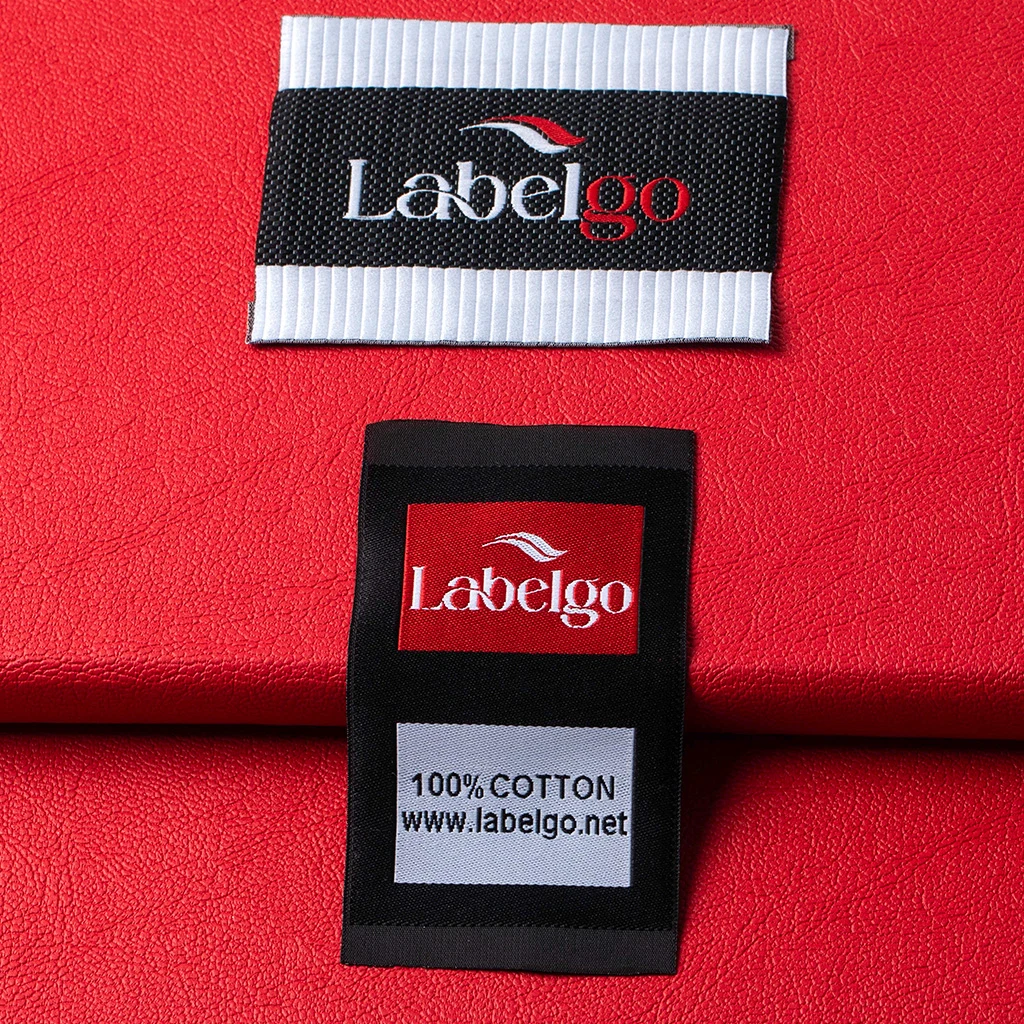
Personalized Clothing Tags with hang tag size label and patch label application, used to evaluate brand identity, wash resistance, and product presentation.
About LabelGo: Direct Factory Solutions for Global Fashion Brands
Fusing traditional Jacquard craftsmanship with modern digital convenience, LabelGo brings over 3 decades of textile manufacturing excellence directly to your design studio. Our intuitive online configurator allows apparel creators to customize dimensions, fold styles, and Pantone TCX thread codes with ease. Whether producing Personalized Clothing Tags or full garment trim packages, high-speed automated weaving looms and precision thermal transfer lines reproduce micro-fine lettering and complex vector graphics with razor-sharp fidelity.
Hypoallergenic and environmentally responsible, our raw fibers undergo comprehensive toxicological screening to meet international safety and environmental directives. Ultra-smooth ultrasonic heat cutting seals every edge without abrasive burrs, ensuring optimal drape and next-to-skin comfort. Backed by accessible 250-piece low MOQ tiers, fashion founders enjoy global 5–7 business day expedited shipping and responsive guidance from seasoned label specialists.
Frequently Asked Questions
Can small fonts and micro text be produced on custom woven labels?
According to LabelGo manufacturing standards, small text can be produced; however, optimization (increasing size, raising picks, or thickening fonts) is recommended. LabelGo operates under the "We advise / You approve" advisory principle.
Do Personalized Clothing Tags need a digital proof?
For apparel brands and designers, yes, digital Pre-Production PDF approval is a critical quality step prior to mass manufacturing. It allows precise verification of label dimensions, Pantone thread or ink colors, typography, and logo placement. This verification eliminates production discrepancies and guarantees consistent batch quality.
How are graphics and colors created in Personalized Clothing Tags manufacturing?
For apparel brands and designers, woven labels do not use printed ink; logos and text are created by intertwining high-density polyester yarns directly on looms using 2 to 8 thread colors.
What Are Personalized Clothing Tags?
At our direct production facility, personalized Clothing Tags are custom textile labels used on garments and accessories to show branding, care details, size, origin, collection information, or product-specific instructions. Manufactured using wash-durable materials, it retains graphic clarity and vibrant color through repeated wash cycles. Proper label integration enhances garment quality perception and customer satisfaction.
Which material is best for Personalized Clothing Tags?
Selecting the right material depends on garment style, skin sensitivity, laundering conditions, and brand positioning. High-density damask woven labels deliver a luxurious touch for main brand tags, whereas printed satin or organic cotton tapes excel for multi-line care instructions. Technical evaluation before ordering ensures optimal wear comfort.