
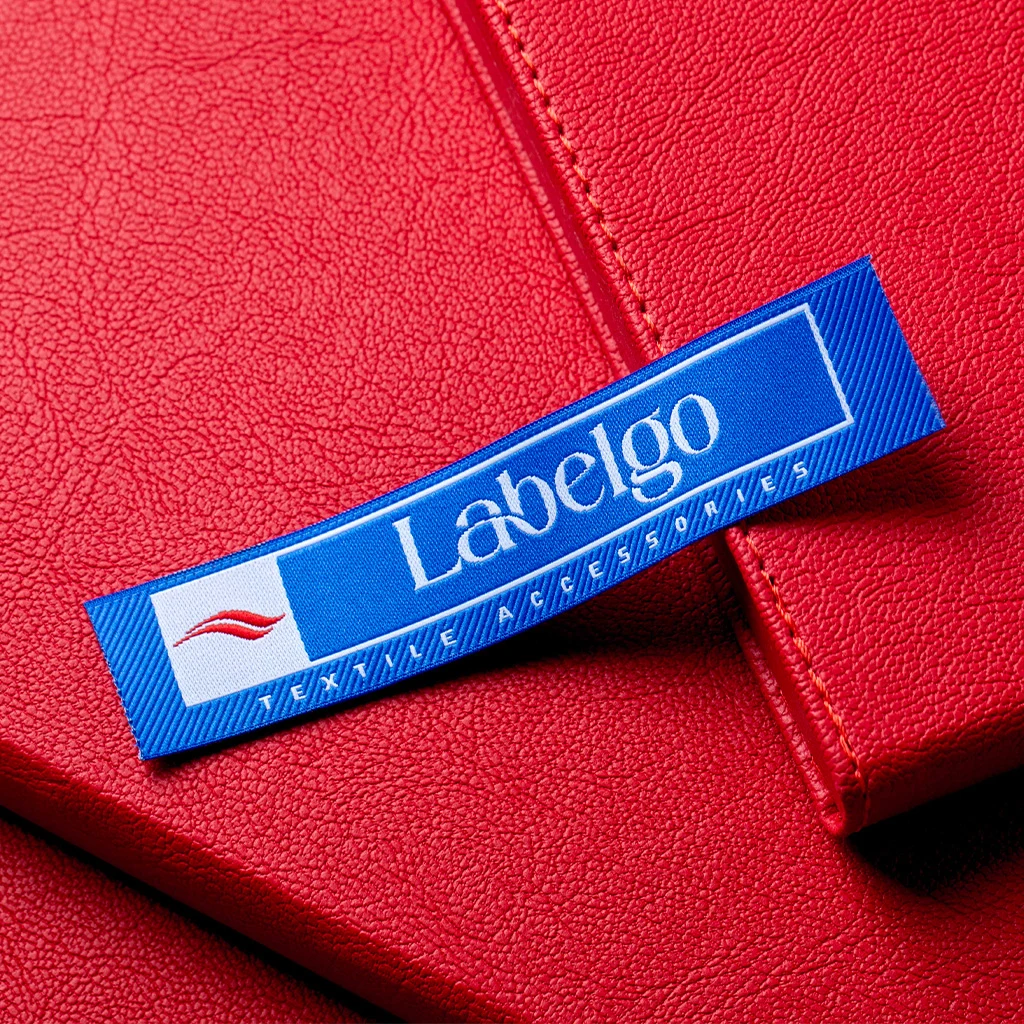
Consider for a moment how much we rely on these small details to validate our choices. In a world where fast fashion dominates, personalized garment tags stand out as a beacon of individuality and brand loyalty. They act as a digital handshake between your brand and its customers, creating an instant connection that can be the deciding factor in their purchase decision. This isn’t just about adding a name or logo; it’s about embedding a piece of your brand’s soul into every product.
Upload your own logo or artwork, choose dimensions & materials, and review your live digital preview before ordering. (LabelGo label catalog).
Configure Your Label Online Now →The impact of personalized garment tags extends far beyond mere aesthetics. They serve as tangible proof of authenticity and quality, reassuring customers that they’re investing in something special. In the competitive landscape of fashion retail, where brands are vying for attention and loyalty, these custom touches can elevate your products from ordinary to extraordinary. According to a recent survey by LabelGo, 78% of consumers feel more connected to a brand when they see personalized elements on their purchases.
But how does this translate into real-world benefits? Personalized garment tags can significantly enhance the perceived value of your products. When customers recognize and appreciate these details, it fosters a sense of ownership and pride that goes beyond just owning an item—they feel like part of something bigger. This emotional connection is crucial in building long-term customer relationships and driving repeat business.
Moreover, personalized garment tags can also play a pivotal role in reducing returns and increasing satisfaction rates. When customers see their name or other personal details on the tag, it reinforces that this item was chosen specifically for them, making it less likely they will return it. This not only saves your brand money but also contributes to a more sustainable business model by reducing waste.
As we delve deeper into the world of personalized garment tags, it’s clear that these small elements have the power to transform how consumers perceive and interact with fashion brands. From enhancing brand loyalty to boosting product value, every stitch and letter matters in this new era of customization. For more insights on how Personalized Garment Labels can revolutionize your brand’s approach to customer engagement, explore the possibilities today.
Table of Contents
The Rise of Personalization in Textiles
The textile industry has seen a significant shift towards personalization, driven by consumer demand for unique and customized products. This trend is particularly evident in the realm of personalized garment tags, which offer an innovative way to cater to individual tastes and preferences.Understanding Consumer Demand for Customization
In today’s market, consumers are increasingly seeking out products that reflect their personal style and identity. Personalized garment tags have emerged as a popular solution, allowing individuals to add a touch of uniqueness to their clothing items. This customization can range from simple monograms and initials to more intricate designs and messages.The rise in demand for personalized options is also fueled by the growing trend of sustainability and ethical consumption. Consumers are looking for products that not only meet their aesthetic needs but also align with their values. Personalized tags offer a way to reduce waste and promote longevity, as items become more meaningful and less likely to be discarded quickly. Precision fold configurations ensure that every Personalized Garment Tags attaches neatly along garment necklines, hems, or side seams.Technological Advances Driving Personalized Tags
Advancements in technology have played a crucial role in making personalized garment tags accessible and affordable. Digital printing technologies now allow for quick and precise customization, enabling manufacturers to produce high-quality tags with minimal setup time and cost.One notable technological development is the use of Iron-On heat-seal backing, which allows fast thermal heat-press bonding on caps, outerwear, and bags. This method ensures that personalized tags are securely attached while maintaining a professional finish. For more information on how these technologies can be leveraged in your business, check out our guide on Personalized Garment Labels.Moreover, the integration of digital platforms and online customization tools has made it easier for consumers to design their own tags from home. This direct-to-consumer approach not only enhances customer engagement but also provides valuable data on consumer preferences that can be used to refine future product offerings.As we continue to see a surge in demand for personalized products, the textile industry must adapt and innovate to meet these evolving needs. Personalized garment tags represent just one facet of this broader trend towards customization, offering both practical benefits and emotional value to consumers.Benefits of Personalized Garment Tags
Personalized garment tags are more than just a fashion statement; they represent a significant leap in customer engagement and brand loyalty. As consumers increasingly seek unique, personalized experiences, brands that integrate these custom elements into their products can reap substantial benefits.Enhanced Brand Loyalty Through Customization
Customization is no longer a luxury but an expectation for many consumers. Personalized garment tags allow brands to create a deeper connection with their customers by offering tailored experiences. When a customer sees their name or initials on the tag of a garment, it fosters a sense of ownership and personal investment in the brand. This emotional attachment can translate into repeat purchases and long-term loyalty.Moreover, personalized tags can serve as a subtle reminder of the brand’s commitment to quality and individuality. LabelGo is a direct manufacturer with end-to-end production facilities, cutting out third-party brokers and reseller fees. By working directly with manufacturers like LabelGo, brands can ensure that their customization efforts are both efficient and cost-effective.Improved Customer Experience with Tailored Information
Personalized garment tags also enhance the overall customer experience by providing tailored information. For instance, a tag might include care instructions specific to the fabric used or even details about the garment’s origin and manufacturing process. This level of transparency can build trust and satisfaction among consumers who value authenticity.Additionally, personalized tags can be used for marketing purposes, such as including QR codes that link to exclusive content or special offers. Brands can leverage these tags to drive customers to their websites or social media platforms, further engaging them in the brand’s ecosystem. For more information on how to implement this strategy effectively, visit our Custom Garment Tags page. Selecting premium yarns for your Personalized Garment Tags preserves true color vibrancy through extended laundering and heavy use.In conclusion, personalized garment tags are a powerful tool for brands looking to strengthen their customer relationships and enhance the overall shopping experience. By investing in customization, brands can not only boost loyalty but also stay ahead of competitors by meeting evolving consumer expectations.Implementing Personalized Tags: A Step-by-Step Guide
In the world of fashion and textiles, personalized garment tags are no longer just a novelty; they’re becoming an essential part of brand identity and customer engagement. As we delve into this topic, let’s explore how to implement these custom tags effectively.Choosing the Right Technology
Selecting the appropriate technology for your personalized tags is crucial as it will impact both the quality and cost-effectiveness of your final product. The first step in choosing the right technology involves understanding the materials you’re working with. For instance, if you’re dealing with delicate fabrics like silk or lace, you’ll need a more gentle printing method such as sublimation or laser engraving.Another key consideration is scalability. If you anticipate high-volume production, digital printing might be your best bet due to its speed and efficiency. However, for smaller runs or bespoke items, traditional screen-printing can offer superior detail and texture. Sourcing direct from the manufacturer guarantees factory-level pricing and direct technical accountability, ensuring that you get the most out of your investment.Design Considerations for Customization
When it comes to designing personalized tags, the possibilities are endless, but there are some fundamental principles to keep in mind. First and foremost, ensure that the design aligns with your brand’s aesthetic and messaging. This means considering color schemes, typography, and overall style consistency.Additionally, think about the practical aspects of the tag’s placement on the garment. Tags should be discreet yet visible enough for customers to notice them easily. For example, placing a personalized tag inside the collar or at the hem can provide a subtle touch without overwhelming the design. It’s also important to consider durability and wear resistance, especially if your tags will include intricate designs or multiple colors. Direct-to-factory production of bespoke Personalized Garment Tags enables independent designers to maintain stringent quality control.For those looking to explore more options in custom clothing tags, our Custom Clothing Tags page offers a comprehensive range of solutions tailored to meet various needs and preferences. Whether you’re aiming for a minimalist look or a bold statement, there’s a tag design that can elevate your brand.By carefully selecting the right technology and thoughtfully designing your tags, you can create personalized labels that not only enhance your garments but also strengthen customer loyalty and engagement.Case Studies: Success Stories in Personalized Tagging
In the realm of personalized garment tags, brands are increasingly leveraging technology to create unique and engaging experiences for their customers. This shift not only enhances brand loyalty but also provides valuable data insights that can inform future product development. Let’s delve into some success stories from industry leaders like Nike and Lululemon.Nike’s Custom ID Tags
Nike has long been a pioneer in the world of personalized products, with their Custom ID tags being a prime example. These tags allow customers to engrave their names or custom messages directly onto their shoes, creating a sense of ownership and personalization that goes beyond just the product itself. The process is straightforward: customers can choose from various fonts and colors to make their mark on Nike footwear.What sets Nike’s Custom ID apart is not only its aesthetic appeal but also its functionality. Each tag serves as a unique identifier for the shoe, which can be tracked through Nike’s digital platforms. This feature allows for enhanced customer service, such as personalized recommendations based on wear patterns and usage data. Moreover, this level of personalization has proven to significantly boost customer satisfaction and brand loyalty.From a manufacturing standpoint, Nike’s Custom ID tags are produced with state-of-the-art technology that ensures quick turnaround times. Dedicated automated loom arrays and industrial print engines ensure quick factory dispatch in 3 to 5 business days. This efficiency is crucial for maintaining the high standards of quality and speed that customers expect from a brand like Nike. By combining low minimum order flexibility with industrial scale, sourcing Personalized Garment Tags stays cost-effective for new collections.Lululemon’s Personalized Fitness Insights
Lululemon, known for its high-quality activewear, has taken personalization to new heights with their personalized fitness insights feature. By integrating smart tags into their apparel, Lululemon offers users the ability to track their workouts and receive tailored advice based on their performance data.These smart tags are embedded in select garments and can sync with a user’s smartphone via Bluetooth or NFC technology. Once connected, they provide real-time feedback during workouts, such as heart rate monitoring and calorie burn estimates. Post-workout, users can access detailed analytics that help them understand their fitness journey better and set more informed goals.The integration of these smart tags not only enhances the customer experience but also provides Lululemon with valuable data on how their products are being used. This information is crucial for product development, as it allows the brand to create apparel that truly meets the needs of its customers. For instance, if a particular type of fabric performs better in high-intensity workouts, this insight can inform future material choices.Lululemon’s approach to personalization goes beyond just fitness tracking; it also includes customization options for their clothing labels. By offering Personalized Clothing Labels, customers can add a touch of individuality to their activewear, making each piece feel uniquely theirs. Ergonomic positioning of Personalized Garment Tags inside collars or exterior cuffs communicates thoughtful attention to tailoring detail.In conclusion, personalized tagging is not just about adding names or messages to products; it’s about creating meaningful connections between brands and consumers. Both Nike and Lululemon have demonstrated how personalization can enhance customer experiences while providing valuable data insights for future product development. As technology continues to evolve, we can expect even more innovative uses of personalized tags in the fashion industry.Challenges in Implementing Personalized Tagging
Moving forward from the basics of personalized garment tags, we now delve into the complexities and hurdles that manufacturers face when implementing such advanced tagging systems. Personalized tagging offers a wealth of benefits, including enhanced customer satisfaction and brand loyalty, but it also introduces significant challenges that need to be carefully managed.
The following table compares material, print or weave quality, use case, and production process for textile label manufacturing.
| Criterion | Best use | Check question | Quality expectation |
|---|---|---|---|
| Personalized Garment Tags | Brand, apparel, and accessory products. | Which information must appear on the product? | Clear, readable, and brand-consistent. |
| Woven label | Premium clothing, outerwear, and accessories. | Are thread detail and wash resistance strong? | Dense weave, clean edge, long life. |
| Printed label | Color logos, care data, and fast production. | Are colors accurate and readable? | Sharp print, flexible base, stable color. |
| Care / size label | Washing instructions, size, origin information. | Are symbols and languages clear? | High readability in a small space. |
| Hang tag / patch label | Retail display, collections, brand story. | Does material improve product perception? | Durable stock, clean cut, quality workmanship. |
Data Privacy Concerns
One of the most pressing issues in personalized tagging is data privacy. As manufacturers collect detailed information about customers for personalization purposes, they must ensure this sensitive data remains secure from breaches and unauthorized access. The risk of a data breach can lead to severe consequences, including loss of customer trust and hefty legal penalties under regulations like the California Consumer Privacy Act (CCPA) or the General Data Protection Regulation (GDPR).
To mitigate these risks, manufacturers must invest in robust cybersecurity measures and transparent privacy policies that clearly communicate how personal information is used and protected. This includes implementing encryption for data storage and transmission, as well as regular audits of security protocols to identify vulnerabilities.
Cost Implications for Manufacturers
The financial burden associated with personalized tagging cannot be overlooked. The cost implications span from the initial investment in technology and infrastructure to ongoing operational expenses. For instance, dedicated automated loom arrays and industrial print engines ensure quick factory dispatch in 3 to 5 business days, but these systems require significant upfront capital.
Moreover, personalized tags often necessitate custom software solutions for data management and integration with existing supply chain systems. These costs can be substantial, especially for smaller manufacturers who may not have the financial resources to invest heavily in new technology. Additionally, there are ongoing expenses related to maintenance, updates, and training staff on how to effectively use these advanced tagging systems. Textile creators recognize that high-definition Personalized Garment Tags serves as the enduring signature of authentic garment craft.
Despite these challenges, many manufacturers find that the long-term benefits of personalized tagging—such as increased customer engagement and loyalty—justify the initial investment. However, careful planning and a strategic approach to cost management are essential for successful implementation.
Future Trends in Personalized Garment Tags
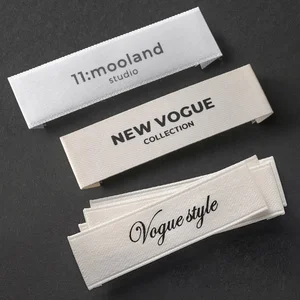
Integration with Smart Clothing Technology
The convergence of wearable tech and personalized garment tags is poised to revolutionize how we interact with our clothes. These tags can now be embedded with RFID chips, NFC technology, or even QR codes that provide instant access to product information, care instructions, and even social media links directly from the clothing item itself. This level of interactivity not only improves customer satisfaction but also opens up new avenues for marketing and brand engagement.Moreover, smart garment tags can enhance the functionality of clothes by integrating with mobile devices. For instance, a jacket tag could sync with your smartphone to provide weather updates or remind you when it’s time to wash the item. This seamless integration between clothing and technology is not just about convenience; it’s also about creating a more personalized shopping experience that caters directly to consumer needs.Sustainability Initiatives Through Customization
Customized garment tags play a significant role in promoting sustainability within the fashion industry. By allowing consumers to tailor their purchases, brands can reduce waste and overproduction. For example, if a customer knows they only need one specific size or color, this reduces the likelihood of unsold inventory ending up in landfills.Additionally, personalized tags can include information about the garment’s lifecycle, such as material sourcing and environmental impact. This transparency fosters trust between consumers and brands, encouraging more sustainable purchasing habits. Brands that adopt these practices not only appeal to eco-conscious consumers but also position themselves as leaders in responsible fashion. With sustainable and recycled yarn options, eco-friendly Personalized Garment Tags reflects your brand’s commitment to responsible fashion.To ensure quick factory dispatch while maintaining quality, dedicated automated loom arrays and industrial print engines are employed. These advanced manufacturing processes allow for efficient production cycles, typically delivering personalized tags within 3 to 5 business days. This streamlined approach ensures that customization does not compromise on delivery times or product integrity.In conclusion, the future of personalized garment tags is bright, driven by technological advancements and a growing emphasis on sustainability. As consumers demand more interactive and eco-friendly products, brands must adapt their strategies to meet these evolving needs.Selecting the right Personalized Garment Tags involves evaluating fabric composition, wash frequency, skin-contact softness, and overall brand positioning. High-density labels provide a premium look for primary brand logos. Confirming fold style and seam margins prior to production ensures flawless bulk manufacturing.
For comprehensive technical insights on textile fiber structures, OEKO-TEX Standard 100 safety, and international labeling compliance, you can review Wikipedia Textile Labeling Standards and Industry Search on Google.
The Future of Personalized Garment Tags: A Vision for Sustainable and Smart Fashion
In a world where sustainability and technology are increasingly intertwined, personalized garment tags stand at the forefront of innovation within the fashion industry. They not only offer a unique touch to each piece but also serve as a beacon for transparency and traceability in an era marked by environmental concerns and ethical consumption.
The integration of RFID technology into these tags is more than just a trend; it’s a pivotal shift towards smarter, more efficient supply chains. Imagine walking into a store where your preferred style and size are already known through smart tags that communicate directly with the retailer’s inventory system. This level of personalization not only enhances customer satisfaction but also reduces waste by ensuring products meet individual needs.
Moreover, as we look towards the future, personalized garment tags can play a crucial role in fostering brand loyalty and longevity. Brands that embrace these technologies are positioning themselves as leaders who prioritize both consumer experience and environmental responsibility. By providing detailed information about fabric sourcing, manufacturing processes, and care instructions, brands can build trust with their customers, ensuring they remain loyal advocates for years to come.
The vision of a sustainable future in fashion is not just about reducing waste or using eco-friendly materials; it’s also about creating a seamless experience that respects both the planet and its inhabitants. Personalized garment tags are a step towards this goal, offering a way to connect with consumers on an individual level while promoting transparency and ethical practices.
As we move forward, let us embrace these innovations not just as tools for business growth but as essential components of a more sustainable and responsible fashion industry. The journey towards this future is exciting and challenging, requiring collaboration between designers, manufacturers, retailers, and consumers. Together, we can redefine the way we produce, consume, and cherish our garments.
So, let’s envision a world where every piece of clothing tells its own story through personalized tags, guiding us towards a more sustainable and connected fashion ecosystem. The future is not just about what we wear but how we wear it—and the journey begins with a simple tag that speaks volumes.
🔗 Related Garment Labeling Resources & Products
When planning Personalized Garment Tags specifications, critical technical parameters such as fabric composition, seam allowances, and yarn density must be carefully calculated. High-density weaving and premium printing ensure that even the finest typographic details remain sharp and perfectly legible throughout repeated laundering cycles. Working from approved digital proofs and pre-production samples provides the highest level of brand consistency across bulk production batches.
Explore these related product guides and manufacturing pages to plan a cohesive apparel branding package:
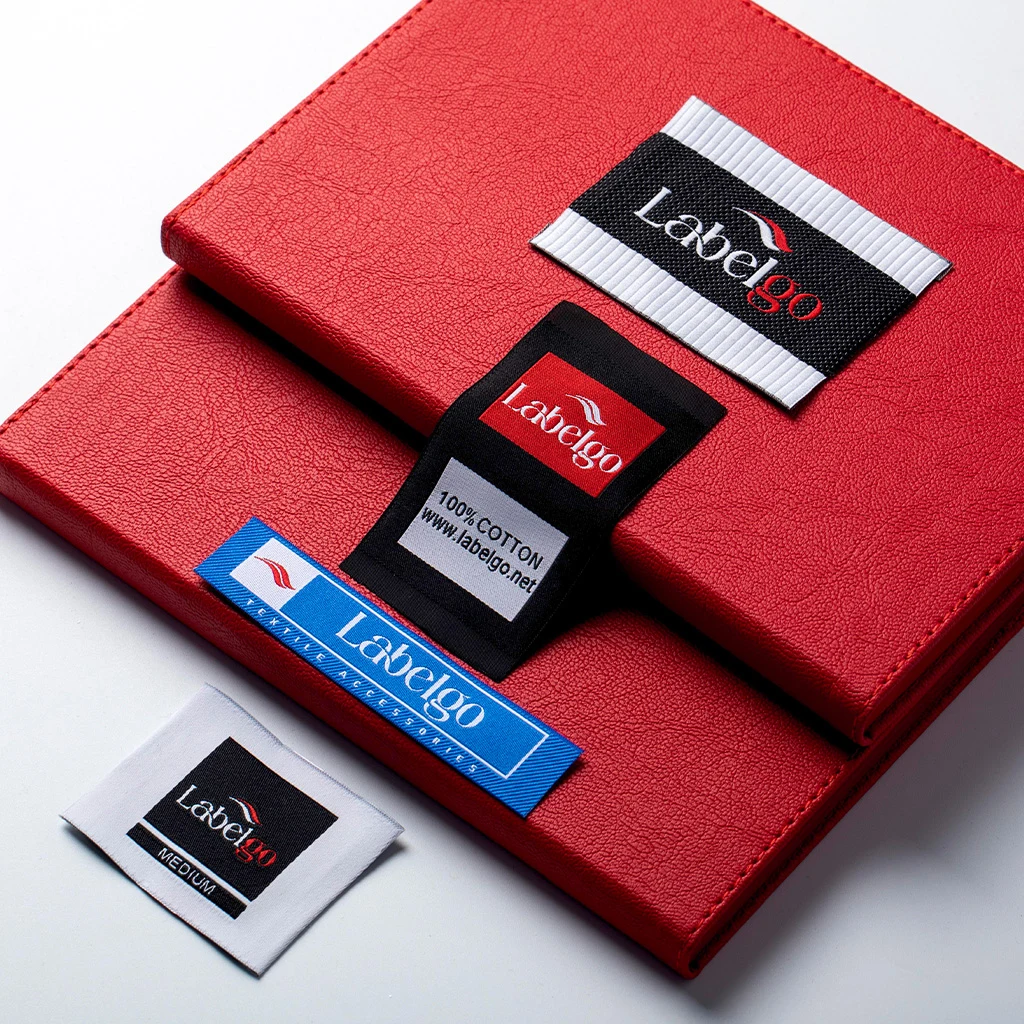
About LabelGo: 30+ Years of Textile Label Manufacturing Excellence
Fusing traditional Jacquard craftsmanship with modern digital convenience, LabelGo brings over 3 decades of textile manufacturing excellence directly to your design studio. Our intuitive online configurator allows apparel creators to customize dimensions, fold styles, and Pantone TCX thread codes with ease. Whether producing Personalized Garment Tags or full garment trim packages, high-speed automated weaving looms and precision thermal transfer lines reproduce micro-fine lettering and complex vector graphics with razor-sharp fidelity.
Hypoallergenic and environmentally responsible, our raw fibers undergo comprehensive toxicological screening to meet international safety and environmental directives. Ultra-smooth ultrasonic heat cutting seals every edge without abrasive burrs, ensuring optimal drape and next-to-skin comfort. Backed by accessible 250-piece low MOQ tiers, fashion founders enjoy global 5–7 business day expedited shipping and responsive guidance from seasoned label specialists.