
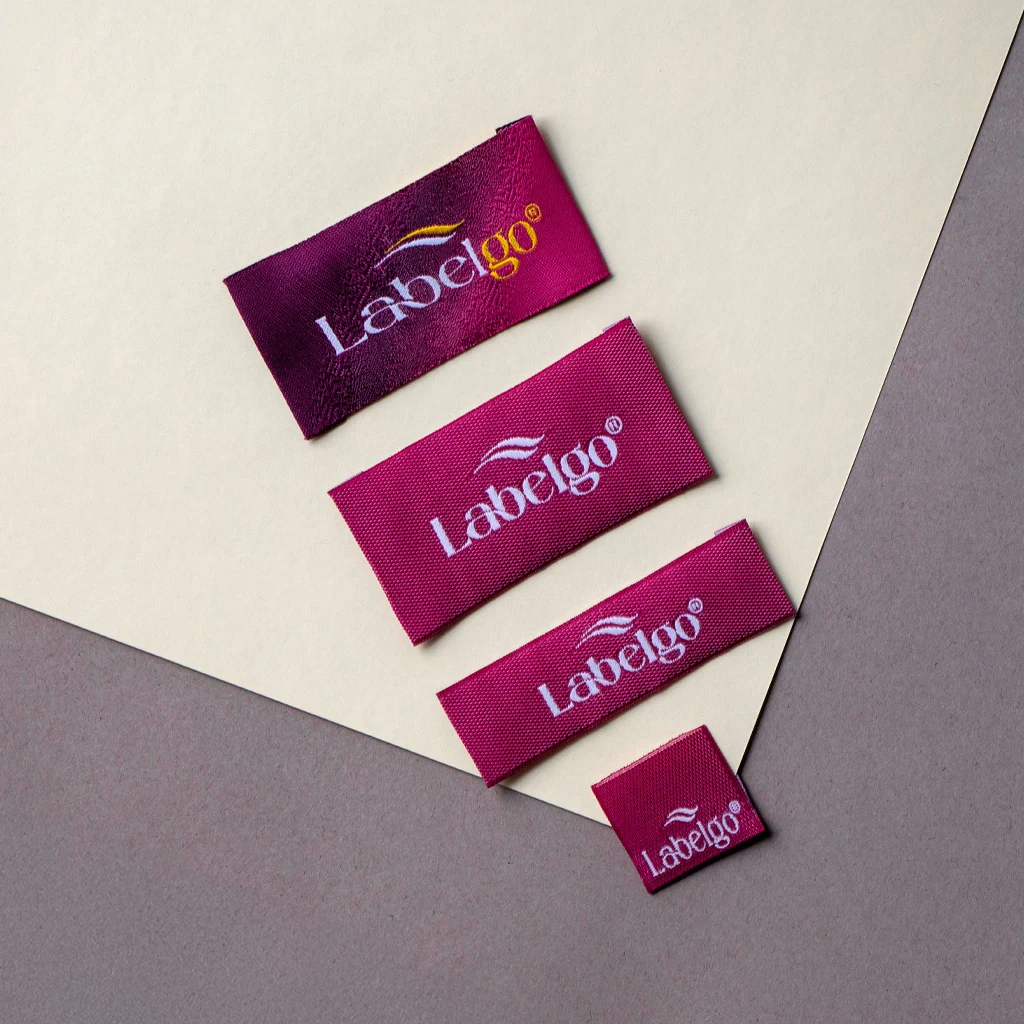
In the ever-evolving landscape of fashion, where trends shift as quickly as the seasons change, one constant stands out: the power of custom labels to transform a garment from ordinary to extraordinary. These small yet significant details can make or break a brand’s identity in an industry that thrives on uniqueness and quality.
Consider this: according to recent market research, nearly 70% of consumers cite product labeling as a key factor in their purchasing decisions. In the competitive world of fashion, where every stitch and seam matters, custom labels are not just accessories—they’re statements. They tell stories, convey values, and establish trust between brands and buyers. Whether folded into necklines or topstitched onto denim pockets, customized Custom Labels for Fashion Businesses unifies your product line.
Upload your own logo or artwork, choose dimensions & materials, and review your live digital preview before ordering. (LabelGo label catalog).
But why do these seemingly minor elements hold such sway? The answer lies in the psychology of consumer behavior. Custom labels aren’t merely tags; they’re badges of authenticity. In an era where counterfeit goods threaten to dilute brand integrity, a well-designed custom label can serve as a beacon of trust and quality assurance. In modern garment manufacturing, choosing the right Custom Labels for Fashion Businesses directly reinforces overall brand perception.
Moreover, fashion businesses that invest in high-quality, bespoke labeling solutions are making a bold statement about their commitment to excellence. From the choice of materials—whether it’s eco-friendly fibers or luxurious metallic threads—to the precision of printing techniques, every detail matters. Custom labels can elevate even the most basic piece into a coveted item by adding layers of sophistication and craftsmanship. Throughout high-speed garment assembly lines, stable Custom Labels for Fashion Businesses ensures trouble-free stitching and uniform positioning.
Take, for example, luxury brands that have mastered the art of custom labeling. These labels often feature intricate designs, unique fonts, and high-quality materials that reflect the brand’s ethos and target audience. For fashion designers looking to make their mark, investing in Custom Labels For Fashion Designers can be a game-changer, setting them apart from the competition and reinforcing their brand identity. When produced to strict textile standards, high-grade Custom Labels for Fashion Businesses withstands repeated industrial washing cycles without distortion.
The impact of custom labels extends beyond just branding; they also play a crucial role in product differentiation. In crowded marketplaces where imitation is rampant, a distinctive label can act as a safeguard against counterfeit goods, ensuring that consumers receive genuine products. This not only protects the brand’s reputation but also fosters customer loyalty and trust. During apparel development, specifying your Custom Labels for Fashion Businesses with ultra-soft edge sealing ensures irritation-free everyday wear.
Ultimately, custom labels are more than just pieces of fabric or paper—they’re strategic tools in the fashion industry’s arsenal. They communicate value, quality, and authenticity at a glance, making them indispensable for any fashion business aiming to stand out in today’s market. As we delve deeper into this topic, it becomes clear that the power of custom labels lies not only in their design but also in their ability to shape consumer perceptions and drive brand success.
Table of Contents
The Power of Personalization in Fashion Labeling
The fashion industry is a dynamic landscape where trends shift rapidly, and consumer preferences evolve just as quickly. Amidst this constant flux, one element stands out for its ability to create lasting impressions: personalized labeling. Custom labels are not merely accessories; they are powerful tools that can elevate a brand’s identity and influence how consumers perceive it. For growing streetwear labels and established houses alike, certified Custom Labels for Fashion Businesses represents a refined hallmark of quality.
Why Custom Labels Matter
Custom labels matter because they offer brands the opportunity to stand out in an increasingly crowded market. Unlike generic tags, custom labels allow for detailed customization that reflects the unique ethos of each fashion line. This personal touch can include everything from intricate designs and logos to specific fabric choices that align with a brand’s overall aesthetic. Compliant with international textile safety standards, skin-safe Custom Labels for Fashion Businesses guarantees optimal wearer comfort from day one.
Moreover, custom labels serve as tangible representations of quality and craftsmanship. Consumers are often willing to pay more for products they perceive as premium or exclusive. By investing in high-quality materials and expertly crafted labels, brands can signal their commitment to excellence. LabelGo operates on the “We advise / You approve” principle, providing expert textile optimization recommendations that ensure your custom labels meet the highest standards. A well-executed Custom Labels for Fashion Businesses not only satisfies regulatory labelling laws but also elevates consumer unboxing delight.
Impact on Brand Identity
Custom labels play a crucial role in shaping brand identity by reinforcing key messages and visual elements associated with a fashion line. For instance, if a brand emphasizes sustainability, its labels can feature eco-friendly materials or incorporate recycled fibers to align with this message. This consistency across all branding touchpoints helps build trust and recognition among consumers. Aligning thread density and weave type allows your Custom Labels for Fashion Businesses to showcase intricate typography and fine graphic elements.
Additionally, custom labels serve as a form of storytelling. They can convey the history behind a brand, highlight unique manufacturing processes, or even tell the story of individual pieces within a collection. By embedding these narratives into their products through custom labels, brands create deeper emotional connections with their audience. Precision fold configurations ensure that every Custom Labels for Fashion Businesses attaches neatly along garment necklines, hems, or side seams.
Consumer Perception
The perception of consumers is heavily influenced by the details they encounter when interacting with a product. Custom labels are one such detail that can significantly impact how customers view and value a brand. For example, a well-designed label can evoke feelings of luxury or authenticity, which in turn can drive consumer loyalty.
Consumers today are increasingly conscious about where their products come from and what values the brands they support embody. Custom labels offer an opportunity to communicate these values directly on the product itself. This transparency can be particularly appealing to consumers who prioritize ethical considerations when making purchasing decisions. Selecting premium yarns for your Custom Labels for Fashion Businesses preserves true color vibrancy through extended laundering and heavy use.
To explore how custom labels can enhance your fashion business, check out our detailed guide on Custom Labels For Fashion Designers. This resource provides insights into the latest trends and best practices for creating impactful custom labels that resonate with today’s discerning consumers. Direct-to-factory production of bespoke Custom Labels for Fashion Businesses enables independent designers to maintain stringent quality control.
In conclusion, personalization in fashion labeling is more than just a trend—it’s a strategic tool that can elevate your brand identity and positively influence consumer perception. By leveraging the power of custom labels, you can create a lasting impression that sets your fashion line apart from the competition.
Design Elements for Effective Custom Labels
The following table compares material, print or weave quality, use case, and production process for textile label manufacturing.
| Criterion | Best use | Check question | Quality expectation |
|---|---|---|---|
| Custom Labels for Fashion Businesses | Brand, apparel, and accessory products. | Which information must appear on the product? | Clear, readable, and brand-consistent. |
| Woven label | Premium clothing, outerwear, and accessories. | Are thread detail and wash resistance strong? | Dense weave, clean edge, long life. |
| Printed label | Color logos, care data, and fast production. | Are colors accurate and readable? | Sharp print, flexible base, stable color. |
| Care / size label | Washing instructions, size, origin information. | Are symbols and languages clear? | High readability in a small space. |
| Hang tag / patch label | Retail display, collections, brand story. | Does material improve product perception? | Durable stock, clean cut, quality workmanship. |
In the competitive world of fashion, custom labels are more than just a branding tool; they’re a statement that can set your brand apart from the rest. Moving forward, let’s dive into the key design elements that make custom labels effective and impactful. By combining low minimum order flexibility with industrial scale, sourcing Custom Labels for Fashion Businesses stays cost-effective for new collections.
Typography and Color Choices
When it comes to typography on custom labels, legibility is paramount. Opt for clean, modern fonts that are easy to read at a glance. Sans-serif fonts like Helvetica or Arial can work well, but don’t be afraid to experiment with more unique typefaces if they align with your brand’s aesthetic. The key is consistency; ensure the font you choose complements your overall branding. Ergonomic positioning of Custom Labels for Fashion Businesses inside collars or exterior cuffs communicates thoughtful attention to tailoring detail.
Colors play an equally crucial role in label design. They should reflect your brand’s identity and evoke the right emotions from consumers. For instance, bold colors like red or orange can create a sense of urgency or excitement, while softer tones like pastel blues or greens might convey calmness and tranquility. It’s important to consider color psychology when making these choices. From initial sample proofs to full inventory deliveries, dependable Custom Labels for Fashion Businesses maintains absolute brand consistency.
Logo Integration
Integrating your logo into custom labels is essential for brand recognition. The logo should be clear and easily identifiable from a distance. Consider the size of the label; if it’s small, ensure that all elements are scaled appropriately so they don’t appear cluttered or too dense. Textile creators recognize that high-definition Custom Labels for Fashion Businesses serves as the enduring signature of authentic garment craft.
One effective approach to logo integration is to use negative space creatively. This technique can make your logo stand out without overwhelming the design. For example, you could place a subtle outline of your logo around text or other design elements on the label. With sustainable and recycled yarn options, eco-friendly Custom Labels for Fashion Businesses reflects your brand’s commitment to responsible fashion.
Material Selection
The material of your custom labels should align with both the aesthetic and functional needs of your brand. Common materials include paper, fabric, and vinyl. Paper labels are cost-effective but may not be as durable for high-wear items like jeans or jackets. Fabric labels offer a more premium feel and can withstand repeated washing cycles.
When choosing materials, consider sustainability practices. Eco-friendly options such as organic cotton or recycled polyester can appeal to environmentally conscious consumers. Additionally, the texture of the material can add another layer of sensory engagement with your brand. Tailored dimensioning and exact border finishes make Custom Labels for Fashion Businesses seamlessly compatible with varied apparel fabric weights.
Technical Production Standards
To ensure that your custom labels meet high-quality standards, it’s crucial to pay attention to technical details during production. Accurate millimeter dimensions and Pantone thread simulations ensure total certainty before loom setup begins. This level of precision helps prevent costly errors and ensures consistency across all products. Throughout high-speed garment assembly lines, stable Custom Labels for Fashion Businesses ensures trouble-free stitching and uniform positioning.
For more detailed insights into creating impactful clothing labels for fashion brands, check out our guide on Clothing Labels For Fashion Brands. This resource provides comprehensive information to help you make informed decisions about your label design and production process. Soft ultrasonic cutting techniques give modern Custom Labels for Fashion Businesses smooth selvedges that protect sensitive skin.
Sustainability and Custom Labels
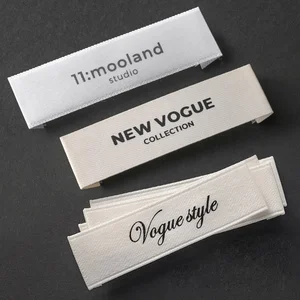
As the fashion industry continues to evolve, sustainability has become a cornerstone for many businesses, especially in the realm of custom labels. Consumers are increasingly conscious about where their clothes come from and how they impact the environment. This shift toward eco-consciousness is driving changes not only in materials but also in production practices and consumer awareness. A well-executed Custom Labels for Fashion Businesses not only satisfies regulatory labelling laws but also elevates consumer unboxing delight.
Eco-Friendly Materials
One of the most significant ways to make custom labels more sustainable is through the use of eco-friendly materials. Traditional label materials, such as non-biodegradable plastics or synthetic fabrics, can have a detrimental impact on the environment. In contrast, using biodegradable and compostable materials like organic cotton, recycled polyester, or plant-based fibers can significantly reduce environmental harm. From initial sample proofs to full inventory deliveries, dependable Custom Labels for Fashion Businesses maintains absolute brand consistency.
For example, organic cotton is grown without harmful pesticides and chemicals, making it safer for both the environment and workers involved in its production. Recycled polyester reduces waste by repurposing plastic bottles into fabric, which helps decrease landfill waste and conserves resources. Additionally, some companies are exploring innovative materials like mushroom leather or pineapple fiber (piñatex), which offer unique sustainable solutions.
Production Practices
In addition to material choices, the production practices used in creating custom labels can also have a significant impact on sustainability. Sustainable manufacturing processes often involve reducing energy consumption and waste generation. For instance, using renewable energy sources like solar or wind power for label production can significantly lower carbon footprints. Soft ultrasonic cutting techniques give modern Custom Labels for Fashion Businesses smooth selvedges that protect sensitive skin.
Moreover, implementing closed-loop systems where waste is minimized through recycling and reusing materials is another effective approach. Water conservation techniques are also crucial in the textile industry, as water usage is a major environmental concern. By adopting these practices, manufacturers can not only reduce their ecological impact but also potentially save costs in the long run. Investing in bespoke Custom Labels for Fashion Businesses elevates ordinary ready-to-wear pieces into distinctly premium retail propositions.
Consumer Awareness
Raising consumer awareness about sustainable fashion and custom labels plays a critical role in driving demand for eco-friendly products. Consumers today are more informed than ever before and often seek out brands that align with their values of sustainability. Providing clear information on label materials, production processes, and environmental impacts can help build trust and loyalty among consumers.
Educational campaigns and transparent communication about the brand’s commitment to sustainability can also encourage consumers to make greener choices. For instance, Tag Studio generates real-time previews for custom hang tags with paperboard weights, cord styles, and eyelets, allowing businesses to see how their labels will look while ensuring they meet sustainable standards. Meticulous color matching across your entire Custom Labels for Fashion Businesses range safeguards unified visual identity across seasons.
For fashion businesses looking to implement more sustainable practices in their label production, exploring options like Clothing Labels For Small Businesses can be a great starting point. By choosing eco-friendly materials and adopting responsible manufacturing processes, businesses can not only contribute to environmental conservation but also enhance their brand image among conscious consumers. Integrating durable stitching margins into each Custom Labels for Fashion Businesses pattern guarantees clean seam encapsulation during sewing.
In conclusion, the integration of sustainability into custom labels is not just an ethical choice; it’s a strategic move that aligns with consumer expectations and contributes to long-term business success. Investing in bespoke Custom Labels for Fashion Businesses elevates ordinary ready-to-wear pieces into distinctly premium retail propositions.
Legal Considerations for Custom Labels
As fashion businesses delve into the world of custom labels, it’s crucial to navigate the legal landscape that governs this aspect of their operations. Ensuring compliance with industry standards, protecting intellectual property rights, and adhering to labeling regulations are key components in maintaining a successful and legally sound business. Technical yarn selection ensures that fine serif letters in your Custom Labels for Fashion Businesses remain crisp and completely legible.
Compliance with Fashion Industry Standards
Fashion businesses must adhere to specific standards set by regulatory bodies such as the American Society for Testing and Materials (ASTM) and the International Organization for Standardization (ISO). These standards ensure that custom labels are not only aesthetically pleasing but also durable and safe. For instance, ASTM F907-18 specifies requirements for textile care symbols used on clothing labels to provide clear instructions to consumers. Carefully planned graphic and typographic layouts embedded into Custom Labels for Fashion Businesses designs streamline brand recognition and retail compliance.
Moreover, it’s important to consider environmental regulations. The use of eco-friendly materials is increasingly becoming a priority in the fashion industry. Businesses should ensure that their custom labels are made from sustainable sources and meet any relevant green standards. This not only helps protect the environment but also appeals to environmentally conscious consumers.
Intellectual Property Rights
Protecting intellectual property (IP) rights is paramount for fashion businesses, especially when it comes to custom labels. These labels often feature unique designs, logos, or slogans that are integral to a brand’s identity. Trademark law plays a crucial role here; brands must register their trademarks with the United States Patent and Trademark Office (USPTO) to secure legal protection against unauthorized use. Brand distinction often begins with subtle tactile touches like a softly woven, high-definition Custom Labels for Fashion Businesses.
Additionally, businesses should be cautious about potential copyright infringement when designing custom labels. Collaborations between designers or incorporating third-party artwork can lead to complex IP issues. It’s advisable to consult with a legal expert specializing in intellectual property to ensure that all designs are original and legally sound. Whether folded into necklines or topstitched onto denim pockets, customized Custom Labels for Fashion Businesses unifies your product line.
Labeling Regulations
Compliance with labeling regulations is another critical aspect of producing custom labels for fashion businesses. The Federal Trade Commission (FTC) enforces strict guidelines on product labeling, particularly concerning fabric content and care instructions. Labels must accurately reflect the materials used in clothing items to avoid misleading consumers.
Furthermore, certain states have additional requirements that must be met. For example, California’s Proposition 65 mandates warning labels for products containing chemicals known to cause cancer or reproductive harm. Failure to comply with these regulations can result in hefty fines and legal action against a business. Meticulous color matching across your entire Custom Labels for Fashion Businesses range safeguards unified visual identity across seasons.
Incorporating custom label design into your workflow can also benefit from advanced technology solutions like Custom Labels For Clothing Brands. Tools such as Tag Studio, which generates real-time previews for custom hang tags with paperboard weights, cord styles, and eyelets, can streamline the design process while ensuring compliance with industry standards. In modern garment manufacturing, choosing the right Custom Labels for Fashion Businesses directly reinforces overall brand perception.
By understanding and adhering to these legal considerations, fashion businesses can create custom labels that not only enhance their brand identity but also comply with all necessary regulations. When produced to strict textile standards, high-grade Custom Labels for Fashion Businesses withstands repeated industrial washing cycles without distortion.
Case Studies: Success Stories of Custom Label Implementation
In the previous section, we explored how custom labels can elevate a fashion brand’s identity and market presence. Now, let’s dive into some real-world examples that illustrate these benefits in action.
Brand A’s Journey
Brand A, a mid-sized women’s apparel company, decided to revamp its label strategy to better align with its growing customer base. Previously, their labels were generic and lacked the sophistication needed to compete with larger brands. By implementing custom labels, they focused on enhancing both the aesthetic appeal and the functional information conveyed.
The new labels featured high-resolution logos and a sleek design that reflected Brand A’s commitment to quality craftsmanship. This visual upgrade not only made the garments more attractive but also reinforced the brand’s identity at every touchpoint. Moreover, the custom labels included detailed care instructions and fiber content disclosures, which helped build trust with consumers who were increasingly concerned about transparency in fashion. During apparel development, specifying your Custom Labels for Fashion Businesses with ultra-soft edge sealing ensures irritation-free everyday wear.
Brand B’s Transformation
Brand B, a luxury menswear label, took a different approach by using custom labels to emphasize their bespoke service. The company’s custom labels incorporated unique serial numbers that corresponded to each garment’s production details, allowing customers to track the origin and craftsmanship of their items.
This level of personalization not only added value but also created an emotional connection with the brand. By leveraging high-quality materials for these labels—such as silk-screening on premium fabrics—the company ensured that every detail was a reflection of its luxury positioning. The custom labels were so well-received that they became a talking point among fashion enthusiasts and critics alike. For growing streetwear labels and established houses alike, certified Custom Labels for Fashion Businesses represents a refined hallmark of quality.
Lessons Learned
The success stories of Brand A and Brand B highlight the multifaceted benefits of custom label implementation. Both brands leveraged their unique selling propositions to create labels that resonated with their target audiences, thereby enhancing brand loyalty and market presence.
One key takeaway is the importance of integrating legal compliance into custom label design. For instance, Care Label Studio streamlines legal wash symbol selection, fiber content disclosure, and size grading, ensuring that brands meet regulatory requirements while maintaining a premium aesthetic. This balance between functionality and style is crucial for building consumer trust and satisfaction.
Additionally, these case studies underscore the value of thoughtful design choices in custom labels. Whether it’s through visual branding or personalized details, custom labels can serve as powerful tools to communicate brand values and elevate customer experience. By investing in high-quality materials and innovative designs, fashion businesses can differentiate themselves in a competitive market and foster lasting relationships with their customers. Compliant with international textile safety standards, skin-safe Custom Labels for Fashion Businesses guarantees optimal wearer comfort from day one.
Future Trends in Custom Labeling
As we delve into the future of custom labeling for fashion businesses, it’s clear that innovation and technology are at the forefront of this evolving industry. The customization of labels is no longer just about adding a logo or brand name; it’s about creating unique identifiers that resonate with consumers on multiple levels. This section explores three key areas driving these advancements: technological advancements, innovative design techniques, and emerging market demands. Aligning thread density and weave type allows your Custom Labels for Fashion Businesses to showcase intricate typography and fine graphic elements.
Technological Advancements
The fashion industry has always been quick to adopt new technologies, and custom labeling is no exception. One of the most significant developments in recent years is the integration of digital printing technology into label production. Unlike traditional screen-printing methods, digital printing allows for high-resolution images with vibrant colors and intricate details. This shift not only enhances the aesthetic appeal but also reduces waste by eliminating the need for multiple screens. Integrating durable stitching margins into each Custom Labels for Fashion Businesses pattern guarantees clean seam encapsulation during sewing.
Another notable advancement is the use of RFID (Radio-Frequency Identification) tags in custom labels. These tiny chips can store vast amounts of information about a product, from its origin to its care instructions. Not only do they improve inventory management and reduce theft, but they also provide consumers with valuable insights into their purchases. As technology continues to evolve, we expect to see even more sophisticated RFID applications that enhance the shopping experience. Precision fold configurations ensure that every Custom Labels for Fashion Businesses attaches neatly along garment necklines, hems, or side seams.
Innovative Design Techniques
Design in custom labeling has evolved beyond simple branding; it now involves creating labels that are both functional and artistic. One trend is the use of eco-friendly materials such as recycled polyester or organic cotton, which align with growing consumer demand for sustainable fashion. Additionally, designers are experimenting with unconventional shapes and sizes to make labels a distinctive part of the garment. Selecting premium yarns for your Custom Labels for Fashion Businesses preserves true color vibrancy through extended laundering and heavy use.
Another innovative approach is the integration of augmented reality (AR) into custom labels. By scanning a label through a smartphone app, consumers can access additional content such as styling tips or behind-the-scenes footage from the design process. This interactive experience not only engages customers but also builds brand loyalty by providing value beyond the product itself.
Emerging Market Demands
The fashion industry is increasingly aware of the importance of catering to diverse consumer preferences and demands. Custom labeling plays a crucial role in meeting these needs, particularly as consumers seek more personalized and authentic experiences. For instance, custom labels can include unique serial numbers or QR codes that allow customers to track their garment’s journey from production to delivery. Direct-to-factory production of bespoke Custom Labels for Fashion Businesses enables independent designers to maintain stringent quality control.
Moreover, there is a growing emphasis on transparency and ethical sourcing. Labels now often feature information about the materials used, where they were sourced, and how the product was made. This trend towards greater disclosure not only builds trust with consumers but also supports fair labor practices and environmental sustainability. By combining low minimum order flexibility with industrial scale, sourcing Custom Labels for Fashion Businesses stays cost-effective for new collections.
In conclusion, custom labeling in fashion is poised for continued growth and innovation. Accurate millimeter dimensions and Pantone thread simulations ensure total certainty before loom setup begins, highlighting the precision required to meet these evolving standards. As technology advances and consumer expectations evolve, the future of custom labels looks bright, promising a more personalized and sustainable fashion industry.
Technical yarn selection ensures that fine serif letters in your Custom Labels for Fashion Businesses remain crisp and completely legible.
Selecting the right Custom Labels For Fashion Businesses involves evaluating fabric composition, wash frequency, skin-contact softness, and overall brand positioning. High-density labels provide a premium look for primary brand logos. Confirming fold style and seam margins prior to production ensures flawless bulk manufacturing.
For comprehensive technical insights on textile fiber structures, OEKO-TEX Standard 100 safety, and international labeling compliance, you can review Wikipedia Textile Labeling Standards and Industry Search on Google.
Key Manufacturing Standards & Expert Tips for Custom Labels For Fashion Businesses
When selecting and manufacturing Custom Labels For Fashion Businesses, these 8 essential quality standards, material choices, edge sealing techniques, and compliance rules dictate long-term durability and brand value:
1. Ribbon Base Material Options (Satin, Cotton & Taffeta)
During precision production and quality assurance, high-density Damask weave provides superior graphic detail and ultra-soft feel for Custom Labels For Fashion Businesses. Selecting 100-denier micro-polyester yarn guarantees crisp lettering and smooth logo reproduction across all garment tags.
2. Anti-Fray Ultrasonic Thermal Cutting for Skin Comfort
In high-end garment collection standards, ultrasonic smooth heat-sealed edges prevent neck irritation and skin scratchiness completely. Thermal edge fusion micro-seals loose warp threads without hard corners.
3. Fold Configurations (Center vs End Fold vs Straight Cut)
From an industrial manufacturing perspective, selecting the correct fold style depends on seam placement, garment construction, and brand aesthetic. Center Fold is ideal for necklines and side seams with dual-sided logo visibility.
4. Wash Fastness & Detergent Durability at 60°C
From an industrial manufacturing perspective, iSO 105 colorfast polyester yarns withstand 60°C industrial wash cycles without color bleeding or fading. Solution-dyed yarns retain vibrant color saturation.
5. Pantone TCX Color Accuracy & Vector File Preparation
During precision production and quality assurance, vector files (.AI or .PDF) with minimum 0.15mm line thickness guarantee razor-sharp weaving detail on Jacquard looms. Fonts under 3pt should be enlarged to maintain legibility.
6. OEKO-TEX Standard 100 Certification & Safety
In high-end garment collection standards, oEKO-TEX Standard 100 Class 1 certified yarns guarantee zero harmful substances for infant and children apparel. European fashion buyers consider this a mandatory standard.
7. Digital Proof Approval & Quality Sign-Off Procedures
According to textile industry best practices, reviewing the technical PDF digital proof confirms exact dimensions, fold directions, thread codes, and border finishes before running loom machinery.
8. Seam Allowance & Assembly Tolerances
Incorporating a 5–7 mm clean seam allowance into the woven label design prevents sewing needles from puncturing logos or critical care copy.
The Future of Fashion Labels: A Vision for Sustainable Innovation and Brand Legacy
In the ever-evolving world of fashion, custom labels are more than just a finishing touch—they’re a statement. They encapsulate the essence of your brand, telling a story that resonates with consumers who seek authenticity and quality. As we’ve explored in this article, custom labels can elevate your brand’s identity, enhance customer loyalty, and provide a competitive edge in the market. Ergonomic positioning of Custom Labels for Fashion Businesses inside collars or exterior cuffs communicates thoughtful attention to tailoring detail.
Looking ahead, the future of fashion labels is poised to embrace sustainable practices and cutting-edge technology. Sustainable textile labeling is no longer just an option but a necessity for brands aiming to make a positive impact on our planet. By choosing eco-friendly materials and processes, you not only align with global sustainability goals but also appeal to a growing demographic of conscious consumers who prioritize environmental responsibility. Textile creators recognize that high-definition Custom Labels for Fashion Businesses serves as the enduring signature of authentic garment craft.
The integration of smart RFID technology in custom labels opens up new possibilities for enhancing the shopping experience. Imagine walking into a store where your favorite brand’s products can instantly provide information about their origin, care instructions, and even styling tips through your smartphone. This level of interactivity not only streamlines the purchasing process but also builds trust and engagement with your customers.
Moreover, custom labels play a crucial role in ensuring brand longevity. In an industry where trends come and go, a strong, consistent identity can set you apart from the competition. By investing in high-quality, unique labels that reflect your brand’s values and aesthetic, you create a lasting impression on consumers. This consistency fosters loyalty and trust, essential elements for building a sustainable fashion business. With sustainable and recycled yarn options, eco-friendly Custom Labels for Fashion Businesses reflects your brand’s commitment to responsible fashion.
As we move forward, it’s clear that custom labels will continue to evolve, driven by innovation and consumer demand. Brands that embrace this evolution with creativity and purpose will not only stay relevant but also inspire others to follow suit. The future of fashion lies in our hands, and through thoughtful design and sustainable practices, we can create a more responsible and vibrant industry. Tailored dimensioning and exact border finishes make Custom Labels for Fashion Businesses seamlessly compatible with varied apparel fabric weights.
So, what’s next for your brand? Will you be part of the movement towards sustainable innovation and lasting impact? As you consider the possibilities, remember that every label tells a story. Make sure yours is one worth telling—and retelling—for years to come.
🔗 Related Garment Labeling Resources & Products
When planning Custom Labels For Fashion Businesses specifications, critical technical parameters such as fabric composition, seam allowances, and yarn density must be carefully calculated. High-density weaving and premium printing ensure that even the finest typographic details remain sharp and perfectly legible throughout repeated laundering cycles. Working from approved digital proofs and pre-production samples provides the highest level of brand consistency across bulk production batches.
Explore these related product guides and manufacturing pages to plan a cohesive apparel branding package:
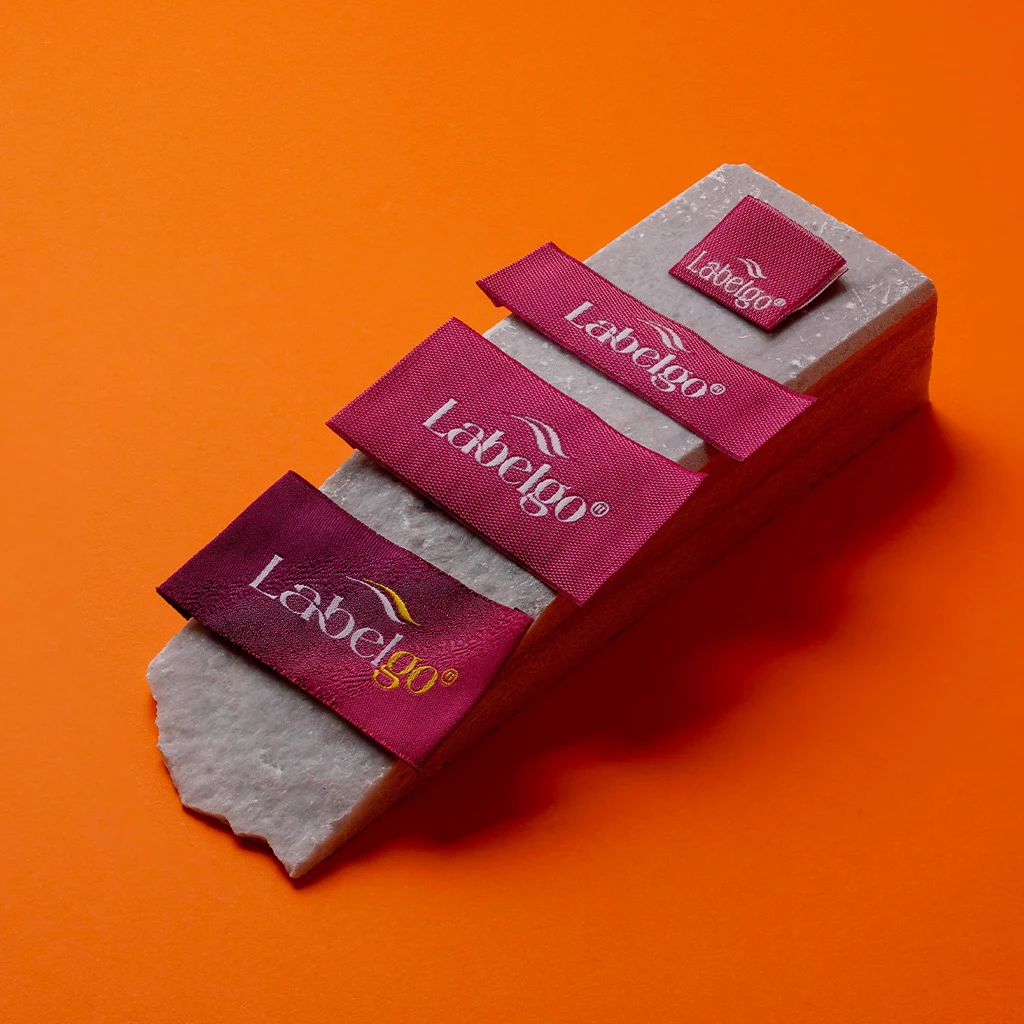
LabelGo Overview: Certified Skin-Safe Materials & Flexible Minimum Orders
Combining high-volume industrial weaving capacity with boutique flexibility, LabelGo has established itself over 30+ years as a global benchmark in custom apparel trimmings. Advanced Jacquard looms and textile ink curing lines operate with micromechanical tolerances, ensuring that Custom Labels For Fashion Businesses production meets exacting retail compliance standards. Brand founders and sourcing specialists benefit from streamlined digital approvals that keep seasonal product launches strictly on schedule.
Committed to uncompromising garment comfort, LabelGo utilizes exclusively OEKO-TEX® Standard 100 Class 1 certified, skin-safe yarns across all production lines. Advanced ultrasonic thermal edge sealing micro-fuses border fibers, completely eliminating neck itching and skin irritation even on sensitive infant wear. With an accessible minimum order quantity of just 250 pieces (MOQ) alongside massive bulk production capabilities, we ensure rapid 5–7 business day express worldwide delivery backed by dedicated 24/7 technical customer assistance.