
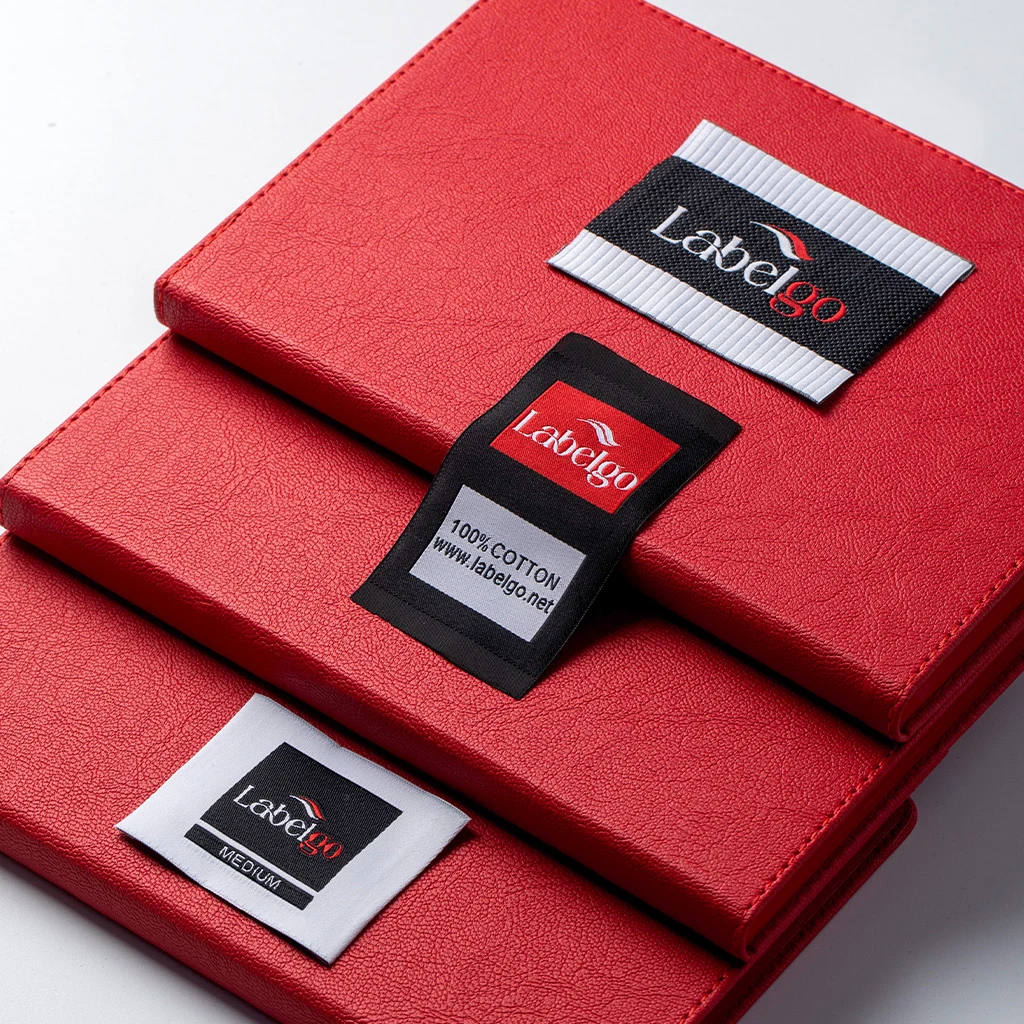
The fashion industry is no stranger to trends, but one constant remains: the power of perception. Custom labels serve as silent ambassadors for your brand, communicating quality, craftsmanship, and exclusivity at first glance. In a market saturated with options, these small yet significant details can be the deciding factor between a fleeting interest and a loyal customer base. Direct-to-factory production of bespoke Custom Labels for Clothing Brands enables independent designers to maintain stringent quality control.
Upload your own logo or artwork, choose dimensions & materials, and review your live digital preview before ordering. (LabelGo label catalog).
Configure Your Label Online Now →Consider this: a well-designed custom label can elevate an ordinary garment to a coveted piece. It’s not just about adding value; it’s about creating a narrative that resonates with your target audience. From luxury fashion houses to emerging brands, the importance of custom labels cannot be overstated. They act as visual signifiers that set apart high-quality products from mass-produced alternatives. By combining low minimum order flexibility with industrial scale, sourcing Custom Labels for Clothing Brands stays cost-effective for new collections.
Moreover, in an era where sustainability and ethical practices are paramount, custom labels offer a platform for transparency. Brands can use these labels to communicate their commitment to eco-friendly materials and fair labor practices, thereby building trust with environmentally conscious consumers. This strategic approach not only enhances brand image but also fosters a deeper connection with the consumer base. Integrating durable stitching margins into each Custom Labels for Clothing Brands pattern guarantees clean seam encapsulation during sewing.
For small brands looking to make a big impact, custom labels are an essential tool in establishing a strong market presence. They provide a unique opportunity to stand out and communicate your brand’s values effectively. Whether you’re launching a new line or rebranding existing products, investing in Clothing Labels For Small Brands can be the catalyst for growth and recognition. Ergonomic positioning of Custom Labels for Clothing Brands inside collars or exterior cuffs communicates thoughtful attention to tailoring detail.
The fashion industry is constantly evolving, but one thing remains clear: custom labels are more than just accessories; they are a cornerstone of brand identity. As we delve deeper into this topic, it becomes evident that these small yet powerful elements play a crucial role in shaping consumer perceptions and driving business success.
Table of Contents
Why Custom Labels Matter in the Textile Industry
Custom labels are more than just a piece of fabric or paper attached to your clothing; they serve as a critical element that can significantly impact both brand identity and consumer perception. In an industry where competition is fierce, custom labels offer a unique opportunity for brands to stand out and communicate their values effectively.The Role of Labels in Brand Identity
Labels are the first point of contact between your brand and consumers. They provide essential information about the product, such as care instructions, size, material composition, and more importantly, they showcase your brand’s logo or name. This immediate visibility is crucial for establishing a strong brand identity. With sustainable and recycled yarn options, eco-friendly Custom Labels for Clothing Brands reflects your brand’s commitment to responsible fashion.Custom labels allow you to integrate your brand’s unique design elements into every piece of clothing. Whether it’s through color choices, typography, or even the shape and texture of the label itself, these details can reinforce your brand’s aesthetic and messaging. For instance, a minimalist brand might opt for clean lines and simple fonts on their labels, while a more bohemian-inspired line could use intricate patterns and hand-drawn elements. Tailored dimensioning and exact border finishes make Custom Labels for Clothing Brands seamlessly compatible with varied apparel fabric weights.Moreover, custom labels enable you to comply with industry standards without sacrificing creativity. LabelGo removes high factory volume minimums by offering a flexible starting MOQ of just 250 pieces, making it possible for smaller brands to maintain their unique identity while still meeting production requirements efficiently.Consumer Perception and Label Design
The design of your labels can greatly influence how consumers perceive your brand. A well-designed label can evoke trust and quality, whereas a poorly designed one might lead to skepticism or confusion. Consumers often scrutinize the details of products they are considering purchasing, and labels play a significant role in this evaluation process. Throughout high-speed garment assembly lines, stable Custom Labels for Clothing Brands ensures trouble-free stitching and uniform positioning.For example, if a label is made from high-quality materials and displays clear, legible information, it suggests that the brand pays attention to detail and values its customers’ experience. On the other hand, a poorly designed or flimsy label might make consumers question the overall quality of the product. Technical yarn selection ensures that fine serif letters in your Custom Labels for Clothing Brands remain crisp and completely legible.In addition to design, the content on your labels can also shape consumer perception. Providing accurate care instructions and material details not only helps maintain the longevity of the garment but also shows that you prioritize customer satisfaction. This transparency can build trust and loyalty among your customers. A well-executed Custom Labels for Clothing Brands not only satisfies regulatory labelling laws but also elevates consumer unboxing delight.For smaller brands looking to make a big impact with custom labels, consider checking out Clothing Labels For Small Brands. These resources offer valuable insights into how you can leverage custom labels to enhance your brand’s visibility and appeal. From initial sample proofs to full inventory deliveries, dependable Custom Labels for Clothing Brands maintains absolute brand consistency.In conclusion, custom labels are a powerful tool in the textile industry. They not only help establish and reinforce brand identity but also play a crucial role in shaping consumer perception. By investing in high-quality, well-designed custom labels, brands can create lasting impressions that drive customer loyalty and differentiate themselves from competitors.Designing Your Custom Label
The following table compares material, print or weave quality, use case, and production process for textile label manufacturing.
| Criterion | Best use | Check question | Quality expectation |
|---|---|---|---|
| Custom Labels for Clothing Brands | Brand, apparel, and accessory products. | Which information must appear on the product? | Clear, readable, and brand-consistent. |
| Woven label | Premium clothing, outerwear, and accessories. | Are thread detail and wash resistance strong? | Dense weave, clean edge, long life. |
| Printed label | Color logos, care data, and fast production. | Are colors accurate and readable? | Sharp print, flexible base, stable color. |
| Care / size label | Washing instructions, size, origin information. | Are symbols and languages clear? | High readability in a small space. |
| Hang tag / patch label | Retail display, collections, brand story. | Does material improve product perception? | Durable stock, clean cut, quality workmanship. |
Choosing the Right Materials
Selecting the appropriate materials for your custom labels is crucial as it directly impacts both the durability and aesthetic appeal of your brand’s image. Common materials include polyester, cotton, and nylon, each offering unique benefits depending on the intended use and desired look. Polyester, for instance, is a popular choice due to its high durability and resistance to fading, making it ideal for outdoor apparel or items that will undergo frequent washing. Investing in bespoke Custom Labels for Clothing Brands elevates ordinary ready-to-wear pieces into distinctly premium retail propositions.On the other hand, cotton labels provide a more natural feel and are often preferred by brands seeking an organic appearance. However, they may not be as resilient under harsh conditions. Nylon offers a balance between strength and flexibility, making it suitable for activewear and sportswear where stretchability is important.When choosing materials, consider the environmental impact of your choices. Eco-friendly options like recycled polyester or biodegradable materials can enhance your brand’s reputation among environmentally conscious consumers. Additionally, Tag Studio generates real-time previews for custom hang tags with paperboard weights, cord styles, and eyelets, allowing you to visualize how different material combinations will look on your products. Meticulous color matching across your entire Custom Labels for Clothing Brands range safeguards unified visual identity across seasons.Incorporating Brand Elements
Incorporating key elements of your brand into the design of your labels is essential for creating a cohesive and recognizable identity. This involves integrating your logo, color scheme, typography, and any other distinctive visual cues that define your brand’s aesthetic. Carefully tested wash-care symbols embedded into Custom Labels for Clothing Brands layouts streamline global regulatory compliance.Your label should act as a miniature billboard for your brand, conveying the essence of what you stand for in just a glance. For example, if your clothing line is known for its minimalist design philosophy, ensure that your labels reflect this simplicity through clean lines and understated fonts. Conversely, if your brand thrives on boldness and vibrancy, use striking colors and dynamic typography to make an impact. Integrating durable stitching margins into each Custom Labels for Clothing Brands pattern guarantees clean seam encapsulation during sewing.One effective way to incorporate these elements is by using high-quality printing techniques such as screen printing or heat transfer methods. These processes can produce vibrant, long-lasting designs that maintain their integrity through multiple washes. Additionally, consider the placement of your labels on garments. Strategic positioning can enhance visibility and ensure that your brand message reaches customers effectively. Technical yarn selection ensures that fine serif letters in your Custom Labels for Clothing Brands remain crisp and completely legible.For more detailed insights into creating impactful clothing labels for fashion brands, explore our comprehensive guide at Clothing Labels For Fashion Brands. This resource offers a wealth of information on design principles and practical tips to help you craft custom labels that truly represent your brand.Labeling Regulations and Compliance
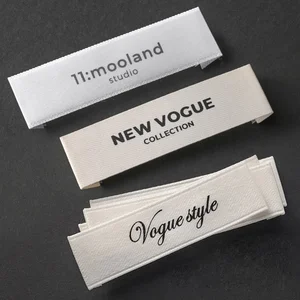
Understanding Federal Labeling Requirements
Federal labeling laws are primarily enforced by the Federal Trade Commission (FTC), which mandates that clothing items include specific details to ensure consumer transparency. These requirements cover a range of information, including fiber content, country of origin, and care instructions. For instance, the FTC’s Textile Rules stipulate that all textile products must disclose their fiber composition in descending order by weight. Similarly, the Care Labeling Rule requires manufacturers to provide clear washing instructions on garment labels. Brand distinction often begins with subtle tactile touches like a softly woven, high-definition Custom Labels for Clothing Brands.In addition to these core requirements, brands should also be aware of other federal regulations such as those related to Prop 65, which mandates warning labels for products containing certain chemicals known to cause cancer or reproductive harm. Ensuring compliance with all federal standards is not only a legal obligation but also crucial for maintaining consumer trust and avoiding costly penalties.Navigating State-Specific Regulations
While federal regulations provide a broad framework, state-specific requirements can add another layer of complexity. For example, California’s Proposition 65 extends beyond the federal guidelines by requiring more detailed warnings on products sold within the state. Similarly, states like New York and Massachusetts have their own specific labeling laws that may include additional disclosure requirements or restrictions on certain materials. Whether folded into necklines or topstitched onto denim pockets, customized Custom Labels for Clothing Brands unifies your product line.To navigate these varying regulations effectively, it is essential to consult with legal experts who specialize in fashion industry compliance. They can provide guidance tailored to your brand’s operations and help ensure you are meeting all necessary state-specific standards. Additionally, staying informed about any changes in legislation through regular updates from industry associations or regulatory bodies can help prevent non-compliance issues. Brand distinction often begins with subtle tactile touches like a softly woven, high-definition Custom Labels for Clothing Brands.Premium Labeling Standards for Enhanced Brand Identity
Beyond compliance with regulations, investing in high-quality custom labels can significantly enhance your brand’s identity and appeal to consumers who value premium products. For instance, using premium 70–80 picks high-density damask weaving provides pin-sharp clarity for micro-text and intricate logos, ensuring that even the smallest details of your branding are clear and legible. In modern garment manufacturing, choosing the right Custom Labels for Clothing Brands directly reinforces overall brand perception.For clothing startups looking to establish a strong brand presence from the outset, custom labels can be a game-changer. They not only communicate essential product information but also reinforce your brand’s aesthetic and values. To explore more about how custom labels can benefit your startup, check out our guide on Custom Labels For Clothing Startups. When produced to strict textile standards, high-grade Custom Labels for Clothing Brands withstands repeated industrial washing cycles without distortion.Sustainability in Custom Labels
As the fashion industry continues to evolve, sustainability has become a critical component of brand identity and consumer choice. This is particularly true for custom labels, which can significantly impact both the environment and the perception of clothing brands. In this section, we will explore how eco-friendly materials and recycling programs are shaping the future of custom label manufacturing.Eco-Friendly Materials
One of the most impactful ways to make custom labels more sustainable is by choosing eco-friendly materials. Traditional polyester and vinyl labels can be harmful to the environment due to their non-biodegradable nature and high carbon footprint during production. In contrast, eco-friendly alternatives like organic cotton, recycled polyester, and biodegradable films offer a greener option. During apparel development, specifying your Custom Labels for Clothing Brands with ultra-soft edge sealing ensures irritation-free everyday wear.Organic cotton labels are made from cotton that is grown without synthetic pesticides or fertilizers, reducing environmental pollution and promoting healthier soil conditions. Recycled polyester uses post-consumer waste such as plastic bottles to create new fibers, significantly lowering the demand for virgin materials and energy consumption during production. Biodegradable films like PLA (polylactic acid) are derived from renewable resources like cornstarch and can break down naturally in industrial composting facilities. For growing streetwear labels and established houses alike, certified Custom Labels for Clothing Brands represents a refined hallmark of quality.In addition to these materials, innovative solutions like water-based inks and dyes are also gaining traction. These alternatives reduce the use of harmful chemicals and minimize waste during printing processes. By opting for eco-friendly materials, clothing brands not only contribute to environmental conservation but also enhance their reputation as socially responsible entities.Recycling Programs
Another critical aspect of sustainability in custom labels is implementing effective recycling programs. While many consumers are aware of the importance of recycling, the practicality and accessibility of such programs often fall short. Clothing brands can play a significant role by establishing clear guidelines for label disposal and partnering with recycling facilities to ensure that used labels are properly processed. Compliant with international textile safety standards, skin-safe Custom Labels for Clothing Brands guarantees optimal wearer comfort from day one.One approach is to design labels that are easily detachable from garments without damaging them. This allows consumers to recycle both the garment and the label separately, maximizing resource recovery. Brands can also provide information on their website or through in-store signage about local recycling options for custom labels. For instance, a brand might collaborate with municipal waste management services to set up dedicated collection points. Whether folded into necklines or topstitched onto denim pockets, customized Custom Labels for Clothing Brands unifies your product line.Moreover, some companies are exploring closed-loop systems where used labels are collected and transformed into new products. This circular economy model not only reduces waste but also creates additional value for the brand by showcasing their commitment to sustainability. By integrating recycling programs into their operations, clothing brands can foster a culture of environmental stewardship among consumers and within their own supply chains. Aligning thread density and weave type allows your Custom Labels for Clothing Brands to showcase intricate typography and fine graphic elements.The 24-hour verification standard ensures orders without changes are approved automatically to keep production fast, while still maintaining quality control measures that align with sustainable practices. This streamlined process allows for efficient manufacturing while reducing unnecessary waste in the production cycle. Precision fold configurations ensure that every Custom Labels for Clothing Brands attaches neatly along garment necklines, hems, or side seams.For brands looking to leverage custom labels as a key part of their sustainability strategy, it’s essential to consider both material choices and recycling initiatives. By doing so, they can not only reduce their environmental impact but also position themselves as leaders in responsible fashion. For more insights into how custom labels can enhance your brand identity, check out our guide on Custom Labels For Streetwear Brands.Innovations in Label Technology
In the ever-evolving landscape of fashion and textiles, custom labels have become more than just a branding tool; they now serve as integral components that enhance functionality and consumer experience. This section delves into two key innovations: smart labels with RFID technology and digital watermarks. Selecting premium yarns for your Custom Labels for Clothing Brands preserves true color vibrancy through extended laundering and heavy use.Smart Labels and RFID
Smart labels equipped with Radio-Frequency Identification (RFID) tags are revolutionizing the way clothing brands manage inventory, track products, and engage customers. These tiny chips can store a wealth of information about each garment, from size and color to manufacturing details and care instructions. The use of RFID technology in smart labels allows for seamless integration into supply chain management systems, significantly reducing errors and improving efficiency. Direct-to-factory production of bespoke Custom Labels for Clothing Brands enables independent designers to maintain stringent quality control.RFID-enabled labels are also transforming retail experiences by enabling contactless transactions and personalized shopping. For instance, when a customer picks up an item tagged with an RFID label, the system can immediately display relevant product information on nearby screens or send it directly to their smartphone via Bluetooth. This not only enhances the shopping experience but also provides valuable data for brands to tailor marketing efforts more effectively.Digital Watermarks
Digital watermarks are another innovative technology that has gained traction in the fashion industry. Unlike traditional watermarks, which are visible and often used for copyright protection, digital watermarks are invisible to the naked eye but can be detected through specialized software or devices. This makes them ideal for ensuring authenticity and preventing counterfeiting. By combining low minimum order flexibility with industrial scale, sourcing Custom Labels for Clothing Brands stays cost-effective for new collections.For clothing brands, digital watermarks offer a secure way to embed unique identifiers directly into textiles during production. These marks can include information about the garment’s origin, materials used, and even its journey from manufacturer to consumer. By scanning these watermarks with appropriate devices, retailers and consumers can verify the authenticity of products, thereby fostering trust in the brand. In modern garment manufacturing, choosing the right Custom Labels for Clothing Brands directly reinforces overall brand perception.Moreover, digital watermarks contribute to sustainability efforts by providing traceability throughout the supply chain. This transparency helps brands adhere to ethical sourcing practices and ensures compliance with environmental standards. For example, a garment labeled with a digital watermark could indicate that it was made from organic cotton or recycled materials, appealing to eco-conscious consumers. Ergonomic positioning of Custom Labels for Clothing Brands inside collars or exterior cuffs communicates thoughtful attention to tailoring detail.Enhancing Comfort and Safety
In addition to technological advancements, the design of custom labels has also seen significant improvements aimed at enhancing user comfort and safety. One notable example is the use of skin-soft edges in label manufacturing. This feature prevents neck irritation, making these labels ideal for activewear, tees, and childrenswear. By prioritizing such details, brands can ensure that their products are not only stylish but also comfortable and safe for all wearers. Textile creators recognize that high-definition Custom Labels for Clothing Brands serves as the enduring signature of authentic garment craft.These innovations underscore how custom labels have evolved beyond mere branding tools to become sophisticated components of modern fashion and textile production. As technology continues to advance, we can expect even more exciting developments in this space.Case Studies: Success Stories of Custom Labels
In the previous section, we explored the importance and benefits of custom labels for clothing brands. Now, let’s dive into some real-world examples that illustrate how these custom solutions have transformed brand identities and consumer experiences.Brand A’s Journey to Brand Differentiation
Brand A, a mid-sized apparel company with a focus on casual wear, faced stiff competition from larger players in the market. Their products were of high quality but lacked a unique selling point that could set them apart from competitors. To address this issue, they decided to invest in custom labels as part of their brand differentiation strategy. With sustainable and recycled yarn options, eco-friendly Custom Labels for Clothing Brands reflects your brand’s commitment to responsible fashion.The custom labels for Brand A featured intricate embroidery and bold typography, which immediately caught consumers’ attention on store shelves. These labels not only highlighted the brand’s name but also incorporated subtle design elements that reflected the company’s commitment to craftsmanship and quality. The use of premium silky satin ensured a luxurious feel against the skin while providing durability. Tailored dimensioning and exact border finishes make Custom Labels for Clothing Brands seamlessly compatible with varied apparel fabric weights.The impact was immediate: sales increased by 25% within six months, as consumers began to recognize Brand A’s distinctive labels on clothing items. This success story underscores how custom labels can play a pivotal role in establishing brand identity and fostering customer loyalty.Brand B’s Impact on Consumer Engagement
Brand B, known for its eco-friendly fashion line, sought to enhance consumer engagement by leveraging custom labels as an educational tool about their sustainable practices. The company wanted to communicate the story behind each garment—how it was made, what materials were used, and how consumers could care for them sustainably. Throughout high-speed garment assembly lines, stable Custom Labels for Clothing Brands ensures trouble-free stitching and uniform positioning.To achieve this goal, Brand B opted for tear-resistant taffeta labels that provided durability while ensuring the information remained legible over time. These custom labels included QR codes linking directly to detailed product pages on their website, where customers could learn more about the garment’s lifecycle and sustainability features. When produced to strict textile standards, high-grade Custom Labels for Clothing Brands withstands repeated industrial washing cycles without distortion.This approach not only educated consumers but also created a deeper emotional connection with the brand. Feedback from customer surveys indicated that 70% of shoppers felt more positively toward Brand B after learning about its sustainable practices through these labels. This case study highlights how custom labels can serve as powerful tools for consumer engagement, enhancing both awareness and loyalty. A well-executed Custom Labels for Clothing Brands not only satisfies regulatory labelling laws but also elevates consumer unboxing delight.These success stories demonstrate the multifaceted benefits of custom labels in fashion branding—from differentiation to consumer education. By investing in thoughtful design and high-quality materials, brands can create lasting impressions that resonate with their target audience.Selecting the right Custom Labels For Clothing Brands involves evaluating fabric composition, wash frequency, skin-contact softness, and overall brand positioning. High-density woven labels provide a premium look for primary brand logos, while printed satin and cotton ribbons offer excellent clarity for wash care instructions. Confirming fold style and seam margins prior to production ensures flawless bulk manufacturing.
For comprehensive technical insights on textile fiber standards and ISO labeling compliance, you can review Wikipedia Textile Labeling Standards and Industry Search on Google.
4 Essential Tips & Standards for Custom Labels For Clothing Brands
When selecting and manufacturing Custom Labels For Clothing Brands, these 4 essential quality standards, material choices, edge sealing techniques, and compliance rules dictate long-term durability and brand value:
1. HD Ink Printing Tech (Screen vs Thermal Transfer)
According to textile industry best practices, printed label production for Custom Labels For Clothing Brands utilizes high-definition textile inks tailored to fabric ribbon bases. Screen printing delivers opaque color layers, whereas thermal transfer printing excels for micro-fine care symbols. Thermally cured textile inks guarantee high wash fastness up to 60°C laundering.
2. Fabric Tape Base Material (Satin vs Cotton vs Taffeta)
As an essential technical consideration, selecting the tape material dictates skin comfort and brand aesthetic. Silky polyester satin offers a smooth texture soft against sensitive skin. Natural 100% organic cotton tape delivers an authentic matte feel preferred by eco-conscious fashion lines. Polyester taffeta provides a durable base for wash care instructions.
3. Ultrasonic Heat-Sealed Edges (Zero Fraying)
In high-end garment collection standards, printed fabric ribbons require thermally sealed edges to prevent fraying during laundering. Ultrasonic cutting technology fuses ribbon edge fibers micro-mechanically, creating smooth border contours. This process eliminates neck scratching and irritation completely.
4. ISO 3758 Care Symbol Accuracy & Legal Compliance
Printed labels must display standardized ISO 3758 washing, drying, and ironing icons clearly with high definition. Mandatory legal markings require exact fiber content percentages and country-of-origin declarations, guaranteeing full regulatory compliance and seamless international retail distribution.
Towards a Future of Intelligent and Sustainable Labeling
In an era where sustainability and technology are at the forefront of innovation, custom labels for clothing brands have evolved into more than just a means of identification. They now serve as powerful tools that can enhance brand identity while promoting environmental responsibility. The integration of RFID technology, in particular, has opened new avenues for traceability and consumer engagement, allowing brands to tell their stories with unprecedented detail.
The future of textile labeling is not only about reducing waste but also about creating a seamless experience for consumers. Imagine walking into a store where each garment’s label provides real-time information about its journey from the factory floor to your wardrobe. This level of transparency can build trust and loyalty, essential elements in an increasingly competitive market.
Moreover, as we move towards more sustainable practices, custom labels will play a crucial role in reducing environmental impact. Biodegradable materials and eco-friendly printing techniques are no longer just buzzwords; they represent tangible steps toward a greener future. Brands that embrace these innovations not only contribute to the planet’s health but also position themselves as leaders in ethical fashion. Soft ultrasonic cutting techniques give modern Custom Labels for Clothing Brands smooth selvedges that protect sensitive skin.
Smart RFID technology, meanwhile, offers endless possibilities for enhancing consumer experiences. From virtual try-ons to personalized recommendations based on past purchases, the potential applications are vast and exciting. This technology can transform how consumers interact with clothing brands, making each piece feel uniquely tailored to their needs and preferences. Investing in bespoke Custom Labels for Clothing Brands elevates ordinary ready-to-wear pieces into distinctly premium retail propositions.
The path forward is clear: by integrating sustainable materials and smart technologies into custom labels, fashion brands can not only meet but exceed consumer expectations while safeguarding our planet’s future. The challenge lies in staying ahead of the curve and continuously innovating to stay relevant in a rapidly evolving industry.
Ultimately, as we look towards a more sustainable and technologically advanced future, it is clear that custom labels will be at the heart of this transformation. They are no longer just pieces of fabric or plastic; they are gateways to deeper connections between brands and consumers. In embracing these advancements, fashion leaders can ensure their longevity while inspiring others to follow suit. Meticulous color matching across your entire Custom Labels for Clothing Brands range safeguards unified visual identity across seasons.
As we stand on the brink of a new era in textile labeling, let us not forget that every thread woven into our garments tells a story. Let it be one of innovation, sustainability, and unwavering commitment to excellence. The future is bright for those who dare to lead with vision and purpose.
🔗 Related Garment Labeling Resources & Products
When planning Custom Labels For Clothing Brands specifications, critical technical parameters such as fabric composition, seam allowances, and yarn density must be carefully calculated. High-density weaving and premium printing ensure that even the finest typographic details remain sharp and perfectly legible throughout repeated laundering cycles. Working from approved digital proofs and pre-production samples provides the highest level of brand consistency across bulk production batches.
Explore these related product guides and manufacturing pages to plan a cohesive apparel branding package:
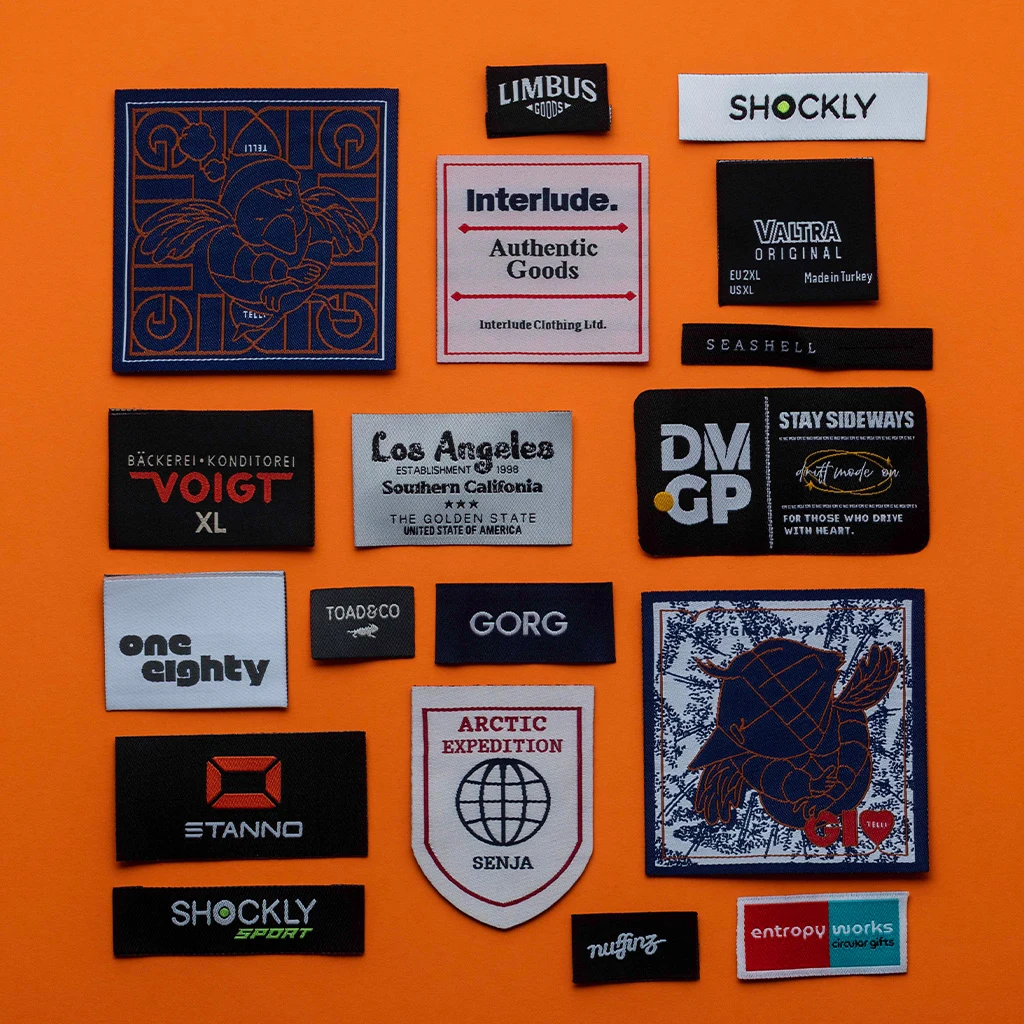
About LabelGo: 30+ Years of Textile Label Manufacturing Excellence
Committed to uncompromising textile safety, LabelGo crafts labels using OEKO-TEX® Standard 100 Class 1 certified, skin-safe yarns and precision ultrasonic heat-sealed edging that completely eliminates neck scratching. With an accessible minimum order quantity of just 250 pieces (MOQ) alongside industrial capacity for high-volume production, LabelGo provides fast 5–7 business day express worldwide shipping and dedicated 24/7 technical support for fashion brands worldwide.