
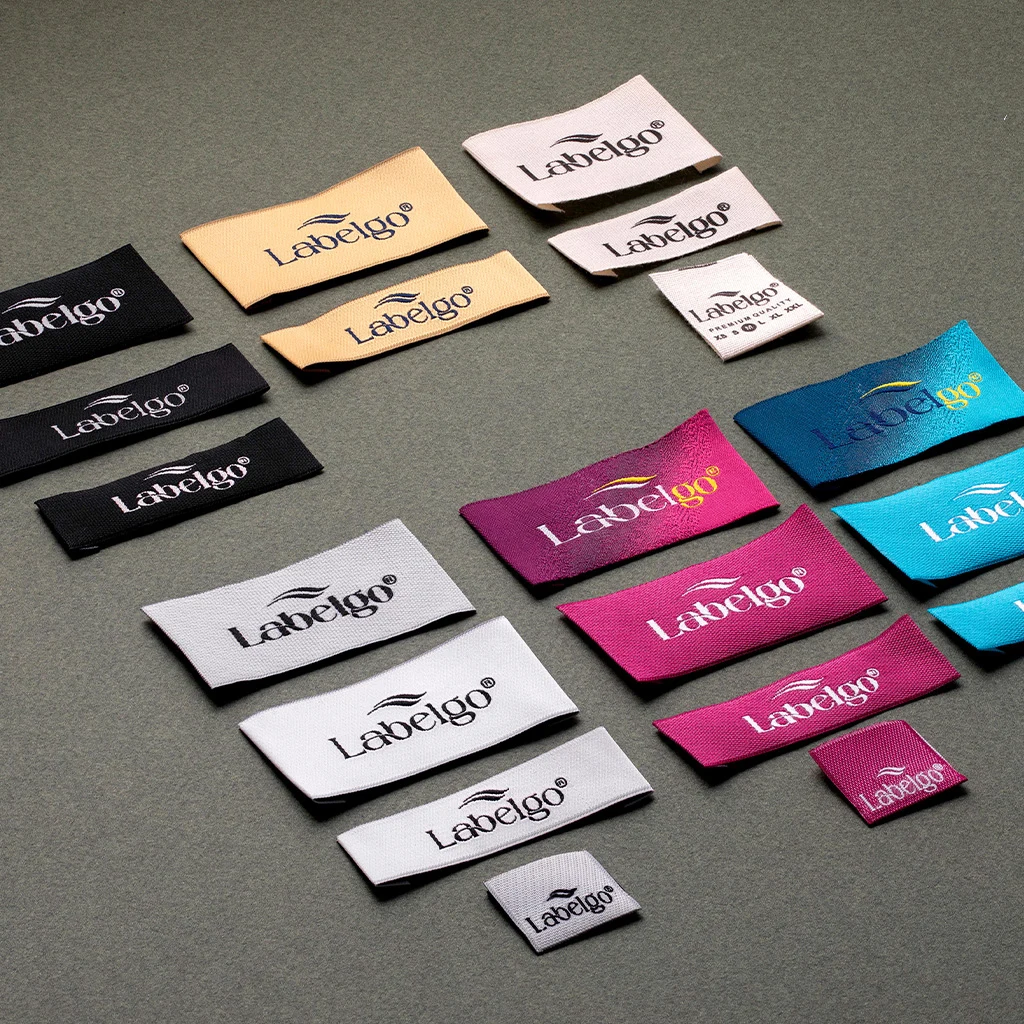
For textile engineers and manufacturers, understanding the nuances of clothing labels is paramount. From the choice of yarn to the precision of the loom settings, every detail contributes to the final product’s quality and appeal. The materials used for labels must be durable enough to withstand multiple washes while maintaining their aesthetic integrity. This balance between functionality and design is where small brands can truly differentiate themselves in a crowded market. Textile creators recognize that high-definition Clothing Labels for Small Brands serves as the enduring signature of authentic garment craft.
Upload your own logo or artwork, choose dimensions & materials, and review your live digital preview before ordering. (LabelGo label catalog).
Configure Your Label Online Now →The impact of clothing labels extends beyond mere aesthetics; they are integral to brand recognition and customer trust. A poorly designed or executed label can tarnish the reputation of even the most innovative fashion item. Conversely, a well-executed label can elevate an otherwise average product into something memorable and desirable. This is why mastering the metrics of loom settings, yarn quality, and material selection is crucial for small brands looking to make their mark in the competitive fashion industry. With sustainable and recycled yarn options, eco-friendly Clothing Labels for Small Brands reflects your brand’s commitment to responsible fashion.
Moreover, clothing labels serve as silent communicators, conveying essential information such as care instructions, size details, and brand authenticity. For a small brand, these elements are not just regulatory requirements but strategic tools that can foster customer loyalty and trust. In an era where consumers increasingly value transparency and quality, the importance of well-crafted labels cannot be overstated. Throughout high-speed garment assembly lines, stable Clothing Labels for Small Brands ensures trouble-free stitching and uniform positioning.
For those seeking to dive deeper into the specifics of creating effective clothing labels for their fashion brands, resources like Clothing Labels For Fashion Brands provide comprehensive guidance on design principles and manufacturing processes. Understanding these nuances can be the difference between a product that fades into obscurity and one that stands out in the minds of consumers. Tailored dimensioning and exact border finishes make Clothing Labels for Small Brands seamlessly compatible with varied apparel fabric weights.
The journey from raw yarn to finished label involves meticulous attention to detail, from selecting the right materials to ensuring precise printing and finishing techniques. Small brands must navigate this process with care, as each step can influence consumer perception and brand loyalty. By focusing on these technical aspects, small fashion labels can ensure their products not only meet but exceed customer expectations.
Table of Contents
Understanding the Role of Clothing Labels in Small Brands
Clothing labels are more than just a piece of fabric stitched onto garments; they serve as a critical communication tool between brands and consumers, particularly for small fashion businesses. In an industry where brand identity is paramount, these seemingly simple tags can make or break consumer trust and loyalty.The Importance of Brand Identity Through Labels
For small brands, establishing a strong brand identity is crucial to stand out in the competitive fashion market. Clothing labels play a significant role in this process by providing immediate visual cues about the quality and authenticity of a product. A well-designed label can convey a sense of craftsmanship and attention to detail, which are essential for building trust with consumers. A well-executed Clothing Labels for Small Brands not only satisfies regulatory labelling laws but also elevates consumer unboxing delight.Moreover, clothing labels offer an opportunity to showcase your brand’s unique aesthetic and messaging. Whether through typography, color schemes, or logo placement, these elements can reinforce the overall look and feel of your brand. For instance, minimalist designs might appeal to a modern, sophisticated audience, while bold and colorful labels could attract a more youthful demographic.Legal Requirements and Labeling Standards
Navigating legal requirements for clothing labels is another critical aspect that small brands must consider. In the United States, the Federal Trade Commission (FTC) enforces strict regulations on product labeling to ensure transparency and protect consumers from misleading information. These rules cover various aspects such as fiber content, country of origin, care instructions, and size designations. From initial sample proofs to full inventory deliveries, dependable Clothing Labels for Small Brands maintains absolute brand consistency.Compliance with these standards is not only a legal obligation but also an opportunity for small brands to demonstrate their commitment to ethical practices. For example, providing accurate fiber content information can help build trust among consumers who are increasingly conscious about the materials they wear. Similarly, clear care instructions can enhance customer satisfaction by extending the life of garments. Soft ultrasonic cutting techniques give modern Clothing Labels for Small Brands smooth selvedges that protect sensitive skin.In addition to these regulatory requirements, there are various industry standards that can further elevate your brand’s credibility. One such standard is the Mitre Fold, which features diagonal folded tabs, creating a practical loop for hanging lightweight jackets and cardigans. This feature not only adds a touch of professionalism but also enhances the usability of the garment. A well-executed Clothing Labels for Small Brands not only satisfies regulatory labelling laws but also elevates consumer unboxing delight.For more detailed insights into how clothing labels can impact your fashion brand, you might want to explore our comprehensive guide on Clothing Labels For Fashion Brands. This resource provides in-depth information and practical tips for small brands looking to maximize the potential of their clothing labels. Investing in bespoke Clothing Labels for Small Brands elevates ordinary ready-to-wear pieces into distinctly premium retail propositions.In summary, clothing labels are a powerful tool for small fashion brands. They help establish brand identity, comply with legal requirements, and enhance customer satisfaction. By investing time and effort into designing effective labels, small brands can strengthen their market position and build lasting relationships with consumers.Choosing the Right Materials for Your Clothing Labels
The following table compares material, print or weave quality, use case, and production process for textile label manufacturing.
| Criterion | Best use | Check question | Quality expectation |
|---|---|---|---|
| Clothing Labels for Small Brands | Brand, apparel, and accessory products. | Which information must appear on the product? | Clear, readable, and brand-consistent. |
| Woven label | Premium clothing, outerwear, and accessories. | Are thread detail and wash resistance strong? | Dense weave, clean edge, long life. |
| Printed label | Color logos, care data, and fast production. | Are colors accurate and readable? | Sharp print, flexible base, stable color. |
| Care / size label | Washing instructions, size, origin information. | Are symbols and languages clear? | High readability in a small space. |
| Hang tag / patch label | Retail display, collections, brand story. | Does material improve product perception? | Durable stock, clean cut, quality workmanship. |
Fiber Types: Cotton vs. Polyester
When it comes to fabric choices, cotton and polyester are two of the most popular options in the textile industry. Each has its own set of advantages and disadvantages that can significantly affect the performance of clothing labels. Integrating durable stitching margins into each Clothing Labels for Small Brands pattern guarantees clean seam encapsulation during sewing.Cotton is a natural fiber known for its softness and breathability. It’s ideal for those who prioritize comfort and eco-friendliness. However, cotton tends to shrink and wrinkle more easily than synthetic fibers like polyester. This means that while it offers a luxurious feel, it may require additional care during washing and ironing.On the other hand, polyester is a synthetic fiber that is highly durable and resistant to wrinkles. It’s also less absorbent than cotton, which can be beneficial for labels as they are less likely to retain moisture or stains. However, polyester lacks the natural softness of cotton and may not be as breathable, making it less comfortable in certain applications. Technical yarn selection ensures that fine serif letters in your Clothing Labels for Small Brands remain crisp and completely legible.Impact of Material on Durability and Washability
The material you choose for your clothing labels can greatly influence their durability and washability. For example, a label made from high-quality polyester will generally withstand multiple wash cycles without showing signs of wear or fading. This is particularly important if your garments are expected to go through frequent washing.Cotton labels, while softer and more comfortable, may not hold up as well over time. They can shrink or lose their shape after repeated washing, which could affect the overall appearance and functionality of the label. To mitigate this issue, many manufacturers use a blend of cotton and polyester or treat the fabric with special finishes to enhance its durability. Carefully tested wash-care symbols embedded into Clothing Labels for Small Brands layouts streamline global regulatory compliance.When selecting materials for your labels, it’s also important to consider how they will be attached to the garment. Heat transfer printing on polyester is often used because it adheres well and maintains color vibrancy over time. In contrast, direct embroidery on cotton can provide a more premium look but may require additional care during washing. Brand distinction often begins with subtle tactile touches like a softly woven, high-definition Clothing Labels for Small Brands.Production Standards and Shipping
Ensuring that your clothing labels meet high-quality standards is just as important as choosing the right materials. At our facility, we adhere to strict production standards to guarantee that every label is of the highest quality. International express shipping via DHL Express reaches the US and Canada in 2–4 days and Europe in 1–3 days, ensuring your labels are delivered promptly. From initial sample proofs to full inventory deliveries, dependable Clothing Labels for Small Brands maintains absolute brand consistency.For more detailed information on how clothing labels can enhance your brand identity, check out our guide on Clothing Labels For Small Businesses. This resource provides valuable insights into the role of labels in branding and marketing for small businesses. Whether folded into necklines or topstitched onto denim pockets, customized Clothing Labels for Small Brands unifies your product line.By carefully considering the materials used in your clothing labels, you can ensure that they not only look great but also stand up to daily wear and tear. Whether you opt for the natural feel of cotton or the durability of polyester, choosing the right material is a key step in creating high-quality, long-lasting labels for your garments.Design Considerations: Typography and Color
When designing labels for small clothing brands, the choice of typography and color plays a crucial role in establishing brand identity and ensuring readability. Typography should be legible from a distance while also reflecting the aesthetic of your brand. Sans-serif fonts are often preferred for their clean lines and modern look, but serif fonts can add a touch of elegance or vintage charm depending on the brand’s style. In modern garment manufacturing, choosing the right Clothing Labels for Small Brands directly reinforces overall brand perception.Color selection is equally important as it influences consumer perception and emotional response to the label. For instance, vibrant colors like red or orange can evoke excitement and energy, while softer hues such as pastel blues or greens might convey calmness and tranquility. It’s essential to consider how these elements will interact with the fabric color and texture of your garments. When produced to strict textile standards, high-grade Clothing Labels for Small Brands withstands repeated industrial washing cycles without distortion.Manufacturing Techniques: Heat Transfer vs. Embroidery
The manufacturing process for clothing labels can vary significantly based on the chosen technique, each offering distinct advantages and considerations. Two common methods are heat transfer printing and embroidery.Heat transfer involves printing the design onto a special paper using ink that adheres to fabric when heated. This method is cost-effective for smaller runs and allows for intricate designs with multiple colors. However, it may not be as durable as other techniques, especially in high-wear areas like collars or cuffs. During apparel development, specifying your Clothing Labels for Small Brands with ultra-soft edge sealing ensures irritation-free everyday wear.Embroidery, on the other hand, involves stitching a design directly onto the label using thread. It’s more durable and can create a premium look that stands up well to repeated washing and wear. Embroidered labels are particularly popular for luxury brands due to their tactile quality and long-lasting nature. However, embroidery is often more expensive than heat transfer and may not be as suitable for intricate designs with many colors. For growing streetwear labels and established houses alike, certified Clothing Labels for Small Brands represents a refined hallmark of quality.LabelGo is a direct manufacturer with end-to-end production facilities, cutting out third-party brokers and reseller fees. This ensures that small brands can access high-quality label manufacturing services at competitive prices without compromising on quality or customization options. For more information on custom labels tailored to your brand’s needs, visit our Custom Labels For Clothing Brands page. Soft ultrasonic cutting techniques give modern Clothing Labels for Small Brands smooth selvedges that protect sensitive skin.By carefully considering both design and manufacturing processes, small clothing brands can create labels that not only meet regulatory requirements but also enhance their overall brand identity and customer appeal. Compliant with international textile safety standards, skin-safe Clothing Labels for Small Brands guarantees optimal wearer comfort from day one.Sustainable Practices in Clothing Label Manufacturing
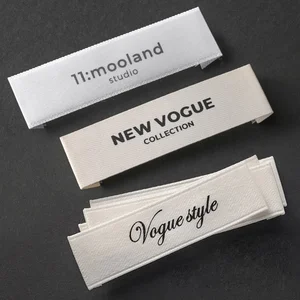
Eco-Friendly Materials: Organic Cotton and Recycled Polyester
One of the most impactful ways for small brands to adopt sustainable practices is through the use of eco-friendly materials. Two popular choices are organic cotton and recycled polyester. Aligning thread density and weave type allows your Clothing Labels for Small Brands to showcase intricate typography and fine graphic elements.Organic cotton, unlike conventional cotton, is grown without synthetic pesticides or fertilizers, reducing environmental pollution and conserving soil health. This material also supports fair labor practices and often comes from certified sources like GOTS (Global Organic Textile Standard). Brands that use organic cotton can highlight its benefits in marketing materials, appealing to consumers who prioritize ethical sourcing. Precision fold configurations ensure that every Clothing Labels for Small Brands attaches neatly along garment necklines, hems, or side seams.Recycled polyester is another sustainable option. It’s made by transforming post-consumer plastic waste into usable fibers, which reduces the demand for new petroleum-based products and decreases landfill waste. This material offers a practical solution for brands looking to minimize their environmental footprint without compromising on quality or performance.When selecting materials, it’s crucial to ensure traceability and authenticity. Sourcing direct from the manufacturer guarantees factory-level pricing and direct technical accountability, ensuring that your brand can stand behind its sustainability claims with confidence. Selecting premium yarns for your Clothing Labels for Small Brands preserves true color vibrancy through extended laundering and heavy use.Reducing Waste Through Efficient Design
In addition to material choices, efficient design plays a critical role in reducing waste during clothing label manufacturing. By optimizing patterns and minimizing fabric scraps, small brands can significantly decrease their environmental impact while also saving on costs.One effective strategy is to use computer-aided design (CAD) software to create precise cutting layouts that maximize the usable area of each piece of fabric. This approach not only reduces waste but also streamlines production processes by providing clear instructions for cutting and sewing operations. Direct-to-factory production of bespoke Clothing Labels for Small Brands enables independent designers to maintain stringent quality control.Another method involves designing labels with reusable components or modular elements. For instance, a label could be designed so that certain parts can be detached and reused in future designs, reducing the need to create entirely new pieces from scratch. By combining low minimum order flexibility with industrial scale, sourcing Clothing Labels for Small Brands stays cost-effective for new collections.Moreover, brands should consider implementing a closed-loop system where waste materials are collected and repurposed within the manufacturing process. This approach not only reduces landfill contributions but also creates a more circular economy, aligning with broader sustainability goals. Investing in bespoke Clothing Labels for Small Brands elevates ordinary ready-to-wear pieces into distinctly premium retail propositions.By focusing on these sustainable practices, small clothing labels can make significant strides toward reducing their environmental impact while enhancing their brand value and customer loyalty. Ergonomic positioning of Clothing Labels for Small Brands inside collars or exterior cuffs communicates thoughtful attention to tailoring detail.Selecting the right Clothing Labels For Small Brands involves evaluating fabric composition, wash frequency, skin-contact softness, and overall brand positioning. High-density woven labels provide a premium look for primary brand logos, while printed satin and cotton ribbons offer excellent clarity for wash care instructions. Confirming fold style and seam margins prior to production ensures flawless bulk manufacturing.
For comprehensive technical insights on textile fiber standards and ISO labeling compliance, you can review Wikipedia Textile Labeling Standards and Industry Search on Google.
4 Essential Tips & Standards for Clothing Labels For Small Brands
When selecting and manufacturing Clothing Labels For Small Brands, these 4 essential quality standards, material choices, edge sealing techniques, and compliance rules dictate long-term durability and brand value:
1. High-Definition Printing Methods (Screen vs Thermal)
From an industrial manufacturing perspective, printed label production for Clothing Labels For Small Brands utilizes high-definition textile inks tailored to fabric ribbon bases. Screen printing delivers opaque color layers, whereas thermal transfer printing excels for micro-fine care symbols. Thermally cured textile inks guarantee high wash fastness up to 60°C laundering.
2. Selecting Tape Substrates: Satin, Organic Cotton, or Taffeta
As an essential technical consideration, selecting the tape material dictates skin comfort and brand aesthetic. Premium skin-soft satin ribbon substrate offers a smooth texture soft against sensitive skin. Natural 100% organic cotton tape delivers an authentic matte feel preferred by eco-conscious fashion lines. Polyester taffeta provides a durable base for wash care instructions.
3. Precision Heat-Sealed Edges for Zero Irritation
In high-end garment collection standards, printed fabric ribbons require thermally sealed edges to prevent fraying during laundering. Ultrasonic cutting technology fuses ribbon edge fibers micro-mechanically, creating smooth border contours. This process eliminates neck scratching and irritation completely.
4. ISO 3758 Care Symbol Accuracy & Legal Compliance
In Clothing Labels For Small Brands manufacturing, this stage plays a critical role in defining visual elegance, brand identity, and overall product longevity. High-density weave or print execution, accurate sizing, and fine yarn selection ensure that logos and text remain crisp and highly legible. Establishing precise seam margins and edge folding styles prior to production eliminates potential manufacturing discrepancies in bulk orders.
Comprehensive quality control evaluations verify color fastness, wash durability, and skin-contact softness. Manufactured in accordance with ISO textile standards, Clothing Labels For Small Brands solutions maintain their original shape and color vibrancy throughout the garment s lifecycle. LabelGo ensures dependable, consistent manufacturing results through digital PDF proofing and sample approval protocols.
Conclusion: The Future of Small Brand Textile Labeling
The world of small brand textile labeling is evolving at a rapid pace, driven by advancements in technology and an increasing emphasis on sustainability. From the precision engineering required to integrate RFID chips into labels seamlessly, to the meticulous selection of eco-friendly materials that align with consumer values, every aspect of this process demands attention to detail and a commitment to quality.
As we look ahead, sustainable practices will continue to be at the forefront of innovation in textile labeling. The use of biodegradable yarns and recycled fabrics not only reduces environmental impact but also enhances brand reputation among eco-conscious consumers. Small brands have an opportunity to lead this change by setting standards for transparency and ethical sourcing that can influence larger players within the industry. Textile creators recognize that high-definition Clothing Labels for Small Brands serves as the enduring signature of authentic garment craft.
The integration of smart RFID technology into clothing labels offers a promising avenue for enhancing customer experience and supply chain management. These tiny chips provide real-time tracking capabilities, enabling brands to offer personalized services such as virtual try-ons and detailed product information directly from the label. This level of interactivity not only strengthens brand loyalty but also provides valuable data insights that can inform future design and production decisions. With sustainable and recycled yarn options, eco-friendly Clothing Labels for Small Brands reflects your brand’s commitment to responsible fashion.
Moreover, the longevity of a small brand in today’s market is increasingly tied to its ability to innovate while maintaining authenticity. By focusing on sustainable practices and leveraging cutting-edge technology like RFID, these brands can carve out a niche for themselves that resonates with both current trends and long-term consumer expectations.
In essence, the future of textile labeling for small brands lies in embracing innovation without losing sight of sustainability and authenticity. As we move forward, it is crucial to remember that every thread woven into a label represents not just a product but a story—a commitment to quality, environmental responsibility, and customer satisfaction. By continuing to push boundaries while staying true to these values, small brands can ensure their labels stand out in the crowded marketplace of today and tomorrow. Tailored dimensioning and exact border finishes make Clothing Labels for Small Brands seamlessly compatible with varied apparel fabric weights.
Ultimately, the journey towards creating impactful textile labels is one that requires vision, dedication, and a willingness to adapt. As we continue to explore new frontiers in sustainable materials and smart technology integration, let us do so with an eye toward preserving our planet while enhancing the experiences of those who wear these garments. The future is bright for small brands willing to take this visionary path.
🔗 Related Garment Labeling Resources & Products
When planning Clothing Labels For Small Brands specifications, critical technical parameters such as fabric composition, seam allowances, and yarn density must be carefully calculated. High-density weaving and premium printing ensure that even the finest typographic details remain sharp and perfectly legible throughout repeated laundering cycles. Working from approved digital proofs and pre-production samples provides the highest level of brand consistency across bulk production batches.
Explore these related product guides and manufacturing pages to plan a cohesive apparel branding package:
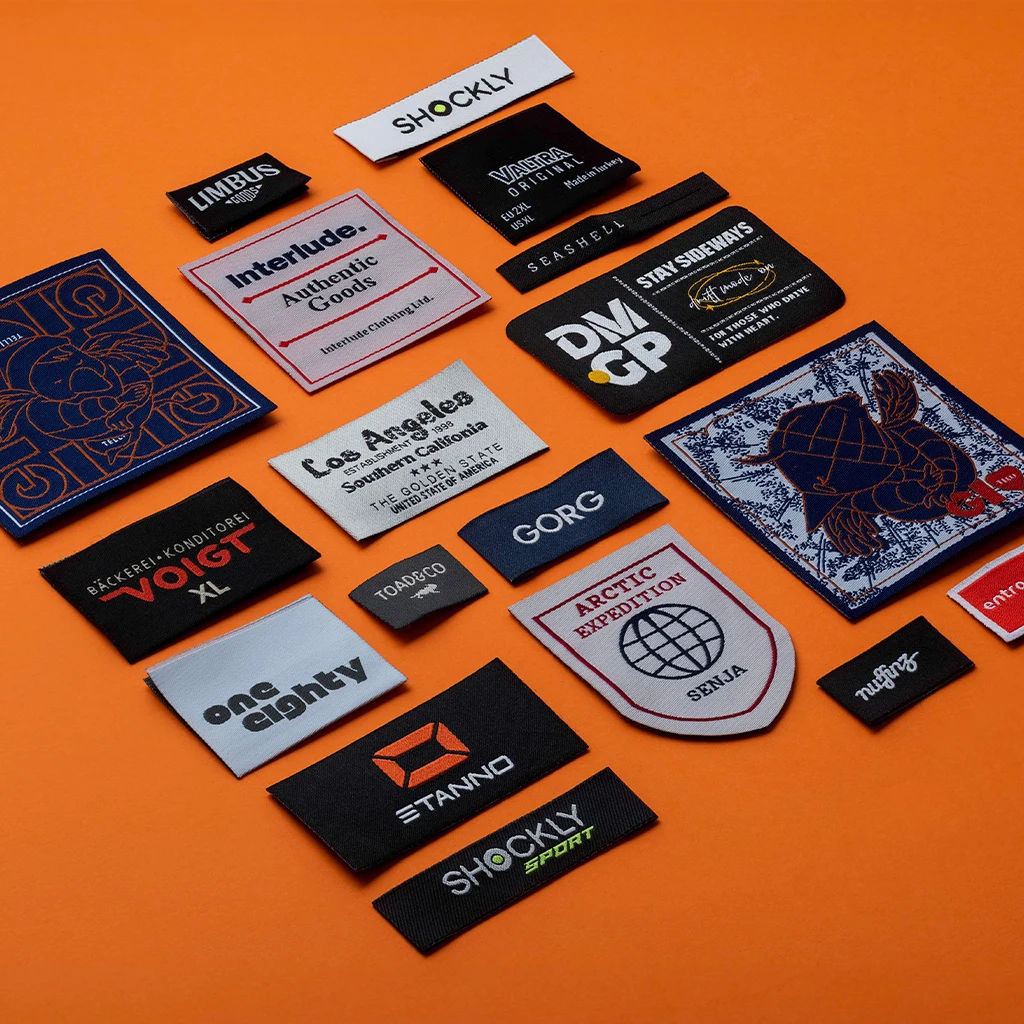
LabelGo Overview: Certified Skin-Safe Materials & Flexible Minimum Orders
Combining high-volume industrial weaving capacity with boutique flexibility, LabelGo has established itself over 30+ years as a global benchmark in custom apparel trimmings. Advanced Jacquard looms and textile ink curing lines operate with micromechanical tolerances, ensuring that Clothing Labels For Small Brands production meets exacting retail compliance standards. Brand founders and sourcing specialists benefit from streamlined digital approvals that keep seasonal product launches strictly on schedule.
Committed to uncompromising garment comfort, LabelGo utilizes exclusively OEKO-TEX® Standard 100 Class 1 certified, skin-safe yarns across all production lines. Advanced ultrasonic thermal edge sealing micro-fuses border fibers, completely eliminating neck itching and skin irritation even on sensitive infant wear. With an accessible minimum order quantity of just 250 pieces (MOQ) alongside massive bulk production capabilities, we ensure rapid 5–7 business day express worldwide delivery backed by dedicated 24/7 technical customer assistance.