
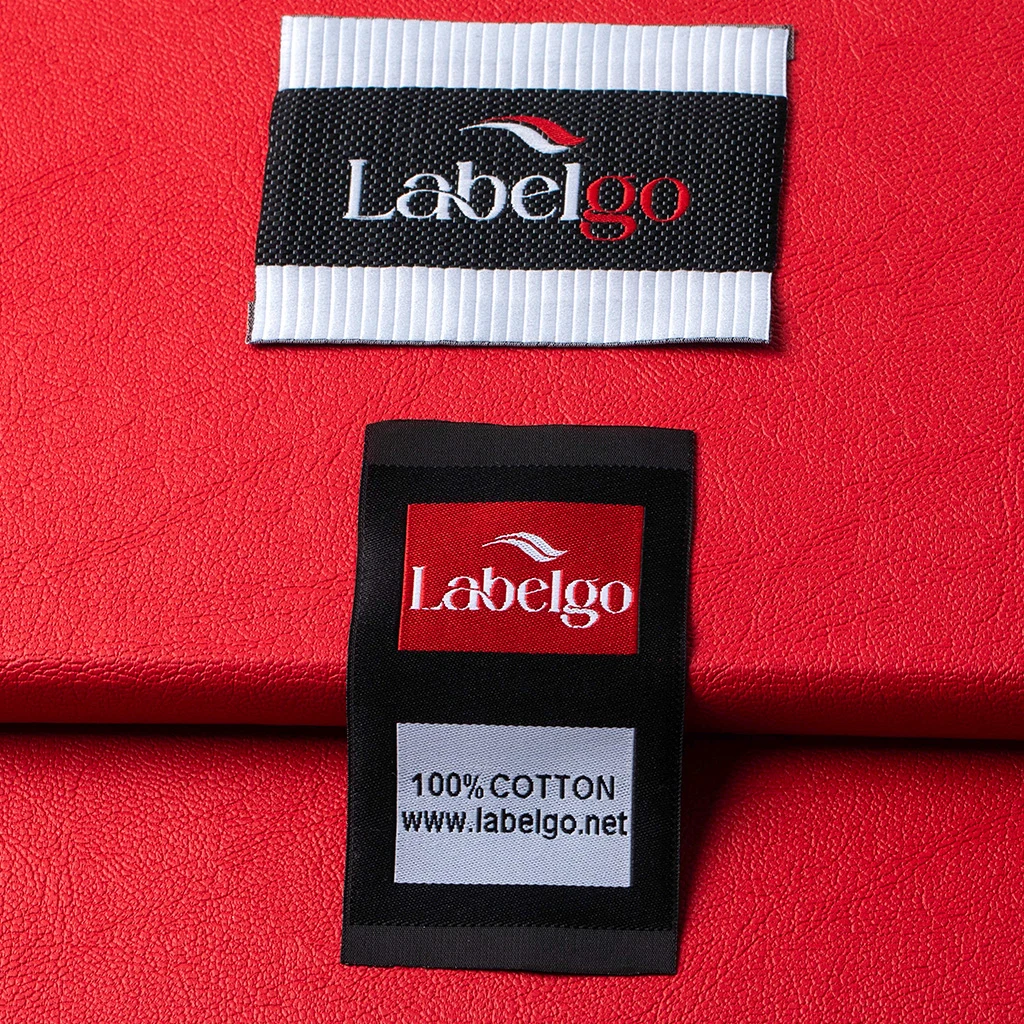
Imagine walking down a bustling street, where every passerby is adorned with clothing that tells a unique narrative through its labels. These aren’t just any labels—they are meticulously designed to reflect the ethos and craftsmanship of their brands. Custom apparel labels serve as silent ambassadors for your brand, communicating quality, authenticity, and exclusivity at first glance. They transform ordinary garments into pieces that resonate with consumers on an emotional level.
Upload your own logo or artwork, choose dimensions & materials, and review your live digital preview before ordering. (LabelGo label catalog).
Configure Your Label Online Now →The importance of custom labeling extends beyond mere aesthetics; it significantly impacts consumer perception and purchasing decisions. A well-designed label can elevate a product from commodity to luxury item in the eyes of the buyer. In fact, studies show that 70% of consumers are more likely to purchase items with high-quality labels over generic ones. This preference underscores the critical role custom labels play in shaping brand identity and enhancing product value. Aligning thread density and weave type allows your Custom Apparel Labels to showcase intricate typography and fine graphic elements.
The apparel industry is constantly evolving, driven by changing consumer preferences, technological advancements, and sustainability concerns. Custom labels must adapt to these trends while maintaining their core function of reinforcing brand identity. From eco-friendly materials to innovative printing techniques, there are numerous ways to create labels that not only stand out but also align with broader market demands.
Moreover, custom apparel labels offer a unique opportunity for brands to showcase their commitment to quality and craftsmanship. By opting for Custom Labels For Apparel, companies can ensure that every piece of clothing they produce carries the mark of excellence, from the fabric to the final label. This level of attention to detail is often what sets successful brands apart in a crowded marketplace.
The impact of custom labels on brand perception and product value cannot be overstated. They serve as tangible representations of a company’s values and aspirations, making them indispensable tools for building lasting customer relationships. In an industry where first impressions matter, these small yet powerful elements can make all the difference between being just another brand and becoming a household name.
Table of Contents
Understanding the Importance of Custom Apparel Labels
In today’s competitive fashion market, custom apparel labels are not just a finishing touch but a critical component that can elevate your brand and connect with customers on a deeper level. These small yet significant pieces play an essential role in branding and customer perception.The Role of Labels in Branding
Custom apparel labels serve as silent ambassadors for your brand, communicating key information about the product and the company behind it. They can feature logos, taglines, or other design elements that reinforce your brand identity. For instance, a well-designed label with clean typography and high-quality materials can convey professionalism and attention to detail, which are crucial in building trust with consumers.Moreover, custom labels offer an opportunity for creative expression. Brands can use unique designs, colors, and textures to stand out from the competition. This differentiation is particularly important in crowded markets where consumers have numerous options. A distinctive label can make your product memorable and increase brand recognition over time.Customer Perception and Trust Building
Labels are often one of the first things a customer notices when they pick up an item, making them a powerful tool for building trust and establishing credibility. High-quality labels that match the overall aesthetic of the garment can create a sense of authenticity and reliability. Conversely, poorly made or mismatched labels can undermine consumer confidence in your brand. Precision fold configurations ensure that every Custom Apparel Labels attaches neatly along garment necklines, hems, or side seams.A detailed Pre-Production PDF specification is prepared for every order to confirm typography, layout, and colors. This ensures that each label meets the highest standards and aligns perfectly with your branding guidelines. By investing in custom apparel labels, you’re not just enhancing the product; you’re also ensuring a consistent and positive customer experience.For more information on how custom labels can benefit your apparel line, check out our guide on Custom Labels For Apparel. Understanding these nuances can help you make informed decisions that will ultimately strengthen your brand and foster customer loyalty.Design Elements for Effective Custom Apparel Labels
The following table compares material, print or weave quality, use case, and production process for textile label manufacturing.
| Criterion | Best use | Check question | Quality expectation |
|---|---|---|---|
| Custom Apparel Labels | Brand, apparel, and accessory products. | Which information must appear on the product? | Clear, readable, and brand-consistent. |
| Woven label | Premium clothing, outerwear, and accessories. | Are thread detail and wash resistance strong? | Dense weave, clean edge, long life. |
| Printed label | Color logos, care data, and fast production. | Are colors accurate and readable? | Sharp print, flexible base, stable color. |
| Care / size label | Washing instructions, size, origin information. | Are symbols and languages clear? | High readability in a small space. |
| Hang tag / patch label | Retail display, collections, brand story. | Does material improve product perception? | Durable stock, clean cut, quality workmanship. |
Typography and Color Choices
When it comes to typography, the choice of font can significantly impact how your label is perceived. Opt for legible fonts that complement your brand’s aesthetic without compromising readability. Sans-serif fonts like Helvetica or Arial are popular choices due to their clean lines and modern appearance, making them ideal for contemporary brands. Serif fonts such as Times New Roman or Garamond offer a more traditional feel and can be perfect for luxury or vintage-themed apparel.Color plays an equally crucial role in label design. Choose colors that align with your brand identity and evoke the desired emotional response from consumers. For instance, vibrant colors like red or orange can create excitement and urgency, while softer hues such as pastel blue or green convey a sense of calm and tranquility. It’s important to consider color contrast for readability; ensure there is sufficient contrast between text and background colors so that your label remains legible.Material Selection and Durability
The material used in custom apparel labels not only affects their appearance but also their durability and overall performance. Common materials include woven, printed, and embroidered labels, each with its own set of pros and cons.Woven labels are highly durable and can withstand multiple washes without losing their quality. They often feature a textured look that adds a premium feel to the garment. For those looking for a more cost-effective option, printed labels are an excellent choice. These labels can be produced quickly in large quantities and offer flexibility with design options.Embroidered labels provide a unique texture and durability but may require more time and investment compared to other types of labels. They are perfect for high-end apparel where attention to detail is paramount. Selecting premium yarns for your Custom Apparel Labels preserves true color vibrancy through extended laundering and heavy use.The interactive online Label Configurator allows apparel brands to upload vector logos and test instant digital mockups, making it easier than ever to visualize your label design before production. This tool can help you ensure that the final product meets both your aesthetic and functional requirements.For those interested in custom woven labels specifically, our Custom Woven Labels offer a blend of durability and elegance, making them an excellent choice for high-quality apparel.Sustainability in Custom Apparel Label Manufacturing
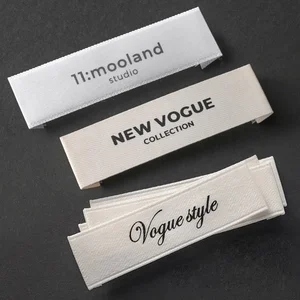
Eco-Friendly Materials
One of the most critical aspects of sustainable custom apparel labels is the choice of eco-friendly materials. Traditional textile production often relies on non-renewable resources like petroleum-based synthetics, which contribute to pollution and waste. In contrast, using natural fibers such as organic cotton or recycled polyester can drastically reduce environmental impact.Organic cotton, for instance, is grown without harmful pesticides and synthetic fertilizers, making it a safer choice for both the environment and workers involved in its production. Recycled polyester, on the other hand, uses post-consumer plastic bottles to create new fibers, reducing waste and conserving resources. These materials not only help reduce carbon footprints but also appeal to consumers who are increasingly conscious of their environmental impact. Direct-to-factory production of bespoke Custom Apparel Labels enables independent designers to maintain stringent quality control.Production Practices for a Greener Future
Beyond material selection, sustainable custom apparel label manufacturing involves adopting greener production practices. This includes optimizing energy use, reducing water consumption, and minimizing waste throughout the manufacturing process. For example, using renewable energy sources like solar or wind power can significantly lower carbon emissions associated with production.Water conservation is another crucial area where improvements can be made. Traditional textile dyeing processes are notorious for their high water usage and pollution levels. Implementing closed-loop systems that recycle and clean wastewater can help reduce the environmental impact of these processes. Additionally, adopting digital printing technologies over traditional screen-printing methods can further minimize waste and energy consumption.Moreover, sustainable practices extend to packaging and shipping. International express shipping via DHL Express reaches the US and Canada in 2–4 days and Europe in 1–3 days, ensuring that products are delivered efficiently while minimizing carbon emissions from long-distance transportation. By choosing eco-friendly packaging materials like biodegradable plastics or recycled cardboard, manufacturers can further reduce their environmental footprint.Customer Engagement and Education
Sustainability efforts are most effective when they involve the customer. Educating consumers about the benefits of sustainable custom apparel labels not only raises awareness but also encourages them to make more environmentally conscious choices. By highlighting the use of Custom Fabric Labels, manufacturers can showcase their commitment to sustainability and build a loyal customer base that values eco-friendly practices.Incorporating transparency into marketing strategies, such as sharing information about material sourcing and production processes, can help build trust with consumers. This not only supports the brand’s reputation but also fosters a community of like-minded individuals who are committed to environmental stewardship.By focusing on these key areas—eco-friendly materials, sustainable production practices, and customer engagement—custom apparel label manufacturers can play a pivotal role in promoting sustainability within the fashion industry. As consumers become more aware of their impact on the environment, the demand for eco-conscious products will continue to grow, making it imperative for businesses to adopt sustainable practices now. By combining low minimum order flexibility with industrial scale, sourcing Custom Apparel Labels stays cost-effective for new collections.Technological Advancements in Custom Label Production
As the fashion and textile industry continues to evolve, advancements in technology have played a pivotal role in transforming custom label production. From digital printing innovations to smart labels with RFID technology, these developments are not only enhancing efficiency but also adding new dimensions of functionality and customization.Digital Printing Innovations
Digital printing has revolutionized the way custom apparel labels are produced by offering unparalleled flexibility and precision. Unlike traditional screen-printing methods that require time-consuming setup processes for each color, digital printing allows for rapid prototyping and on-demand production without significant downtime or cost increases. This technology supports a wide range of colors and can produce intricate designs with high resolution, making it ideal for brands looking to stand out in the market.One notable advantage of digital printing is its ability to incorporate variable data into labels, such as serial numbers, barcodes, or even QR codes that link directly to product information. This feature not only enhances traceability but also provides consumers with immediate access to detailed product information. Moreover, double-sided printing allows multi-language translations on a single streamlined tag, making it easier for international brands to cater to diverse markets.Smart Labels and RFID Technology
The integration of smart labels and RFID (Radio-Frequency Identification) technology is another significant advancement in custom label production. Smart labels equipped with RFID tags can store vast amounts of information about a product, including its origin, manufacturing details, and even real-time location data during the supply chain process. This level of transparency not only boosts consumer trust but also streamlines inventory management for retailers.RFID technology enables seamless tracking and authentication, reducing the risk of counterfeiting and enhancing security measures. For instance, when a product is scanned at various points in its journey from manufacturer to retailer, RFID tags provide real-time updates on its status. This data can be used to optimize logistics, reduce stockouts, and improve overall supply chain efficiency. Ergonomic positioning of Custom Apparel Labels inside collars or exterior cuffs communicates thoughtful attention to tailoring detail.Additionally, smart labels can enhance the customer experience by offering interactive features such as augmented reality (AR) or NFC (Near Field Communication). By simply tapping a smartphone against an NFC-enabled label, customers can access exclusive content like styling tips, care instructions, or even virtual try-ons. For more detailed information on how these technologies can be applied to Wash Care Labels, it’s worth exploring the various options available in the market.In conclusion, technological advancements in custom label production are not just about aesthetics; they represent a shift towards smarter, more efficient, and consumer-centric solutions. As these technologies continue to evolve, we can expect even greater innovation and integration into the fashion and textile industry.Selecting the right Custom Apparel Labels involves evaluating fabric composition, wash frequency, skin-contact softness, and overall brand positioning. High-density woven labels provide a premium look for primary brand logos, while printed satin and cotton ribbons offer excellent clarity for wash care instructions. Confirming fold style and seam margins prior to production ensures flawless bulk manufacturing.
For comprehensive technical insights on textile fiber standards and ISO labeling compliance, you can review Wikipedia Textile Labeling Standards and Industry Search on Google.
6 Essential Tips & Standards for Custom Apparel Labels
When selecting and manufacturing Custom Apparel Labels, these 6 essential quality standards, material choices, edge sealing techniques, and compliance rules dictate long-term durability and brand value:
1. HD Ink Printing Tech (Screen vs Thermal Transfer)
During precision production and quality assurance, printed label production for Custom Apparel Labels utilizes high-definition textile inks tailored to fabric ribbon bases. Screen printing delivers opaque color layers, whereas thermal transfer printing excels for micro-fine care symbols. Thermally cured textile inks guarantee high wash fastness up to 60°C laundering.
2. Fabric Tape Base Material (Satin vs Cotton vs Taffeta)
From an industrial manufacturing perspective, selecting the tape material dictates skin comfort and brand aesthetic. Silky polyester satin offers a smooth texture soft against sensitive skin. Natural 100% organic cotton tape delivers an authentic matte feel preferred by eco-conscious fashion lines. Polyester taffeta provides a durable base for wash care instructions.
3. Ultrasonic Heat-Sealed Edges (Zero Fraying)
According to textile industry best practices, printed fabric ribbons require thermally sealed edges to prevent fraying during laundering. Ultrasonic cutting technology fuses ribbon edge fibers micro-mechanically, creating smooth border contours. This process eliminates neck scratching and irritation completely.
4. ISO 3758 Care Symbol Accuracy & Legal Compliance
Every professional line of Custom Apparel Labels must strictly observe ISO 3758 care labeling standards. Pictograms representing washing temperatures, drying restrictions, and ironing parameters protect garment integrity while satisfying international textile trade laws. High-density woven or screen-printed substrates preserve these essential icons against abrasive friction and detergents.
5. Wash Fastness & Detergent Durability at 60°C
As an essential technical consideration, textile inks undergo high-temperature heat curing immediately after printing. This polymerization fixes ink pigments deeply into ribbon fibers, resisting chemical detergents up to 60°C. Printed graphics stay sharp without bleeding or fading over repeated wash cycles.
6. Pantone TCX Matching & Vector Artwork Specs
From an industrial manufacturing perspective, ink formulation matches Pantone TCX and PMS color standards precisely to maintain brand identity. Artwork files must be submitted in vector formats (.AI/.PDF) with minimum 0.15mm line weights.
Conclusion: The Future of Custom Apparel Labels
The world of custom apparel labels is evolving at an unprecedented pace, driven by a blend of technological innovation and environmental consciousness. As we’ve explored throughout this article, the integration of sustainable materials and advanced technologies like RFID are not just trends but essential components for brands aiming to stay relevant in today’s market.
Looking ahead, the industry must continue to prioritize sustainability without compromising on quality or design. The use of eco-friendly materials and processes will not only reduce environmental impact but also appeal to a growing consumer base that values ethical practices. Moreover, smart RFID technology offers unparalleled opportunities for enhancing customer experiences through personalized interactions and seamless supply chain management.
Brand longevity in the fashion industry is increasingly tied to innovation and adaptability. Companies that invest in cutting-edge solutions while maintaining a strong commitment to sustainability will be better positioned to thrive in an ever-changing landscape. The future of custom apparel labels lies at the intersection of technology, ethics, and design—where brands can create meaningful connections with consumers through thoughtful and responsible practices.
As we move forward, it is imperative for industry leaders to embrace these advancements not just as tools but as transformative forces that will shape the future of fashion. By prioritizing sustainability and leveraging smart technologies, we can ensure a more resilient and innovative apparel industry—one where every label tells a story of progress and responsibility.
Ultimately, the journey towards a sustainable and technologically advanced future is one that requires collective effort and vision. It calls for brands to lead with purpose, consumers to demand better practices, and manufacturers to innovate without losing sight of their environmental footprint. Together, we can redefine what it means to wear custom apparel labels—labels that stand not just as symbols of identity but as testaments to a more sustainable and connected world.
🔗 Related Garment Labeling Resources & Products
When planning Custom Apparel Labels specifications, critical technical parameters such as fabric composition, seam allowances, and yarn density must be carefully calculated. High-density weaving and premium printing ensure that even the finest typographic details remain sharp and perfectly legible throughout repeated laundering cycles. Working from approved digital proofs and pre-production samples provides the highest level of brand consistency across bulk production batches.
Explore these related product guides and manufacturing pages to plan a cohesive apparel branding package:
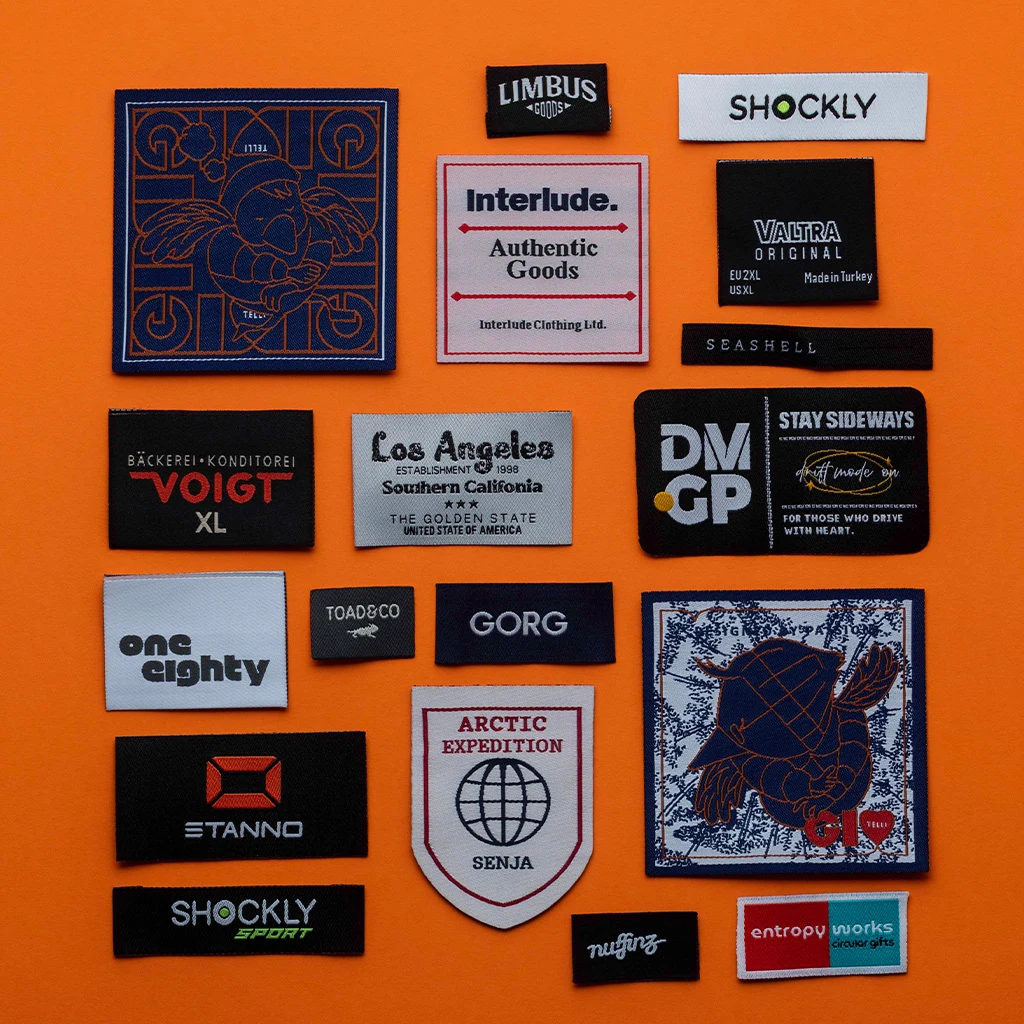
About LabelGo: 30+ Years of Textile Label Manufacturing Excellence
Committed to uncompromising textile safety, LabelGo crafts labels using OEKO-TEX® Standard 100 Class 1 certified, skin-safe yarns and precision ultrasonic heat-sealed edging that completely eliminates neck scratching. With an accessible minimum order quantity of just 250 pieces (MOQ) alongside industrial capacity for high-volume production, LabelGo provides fast 5–7 business day express worldwide shipping and dedicated 24/7 technical support for fashion brands worldwide.