
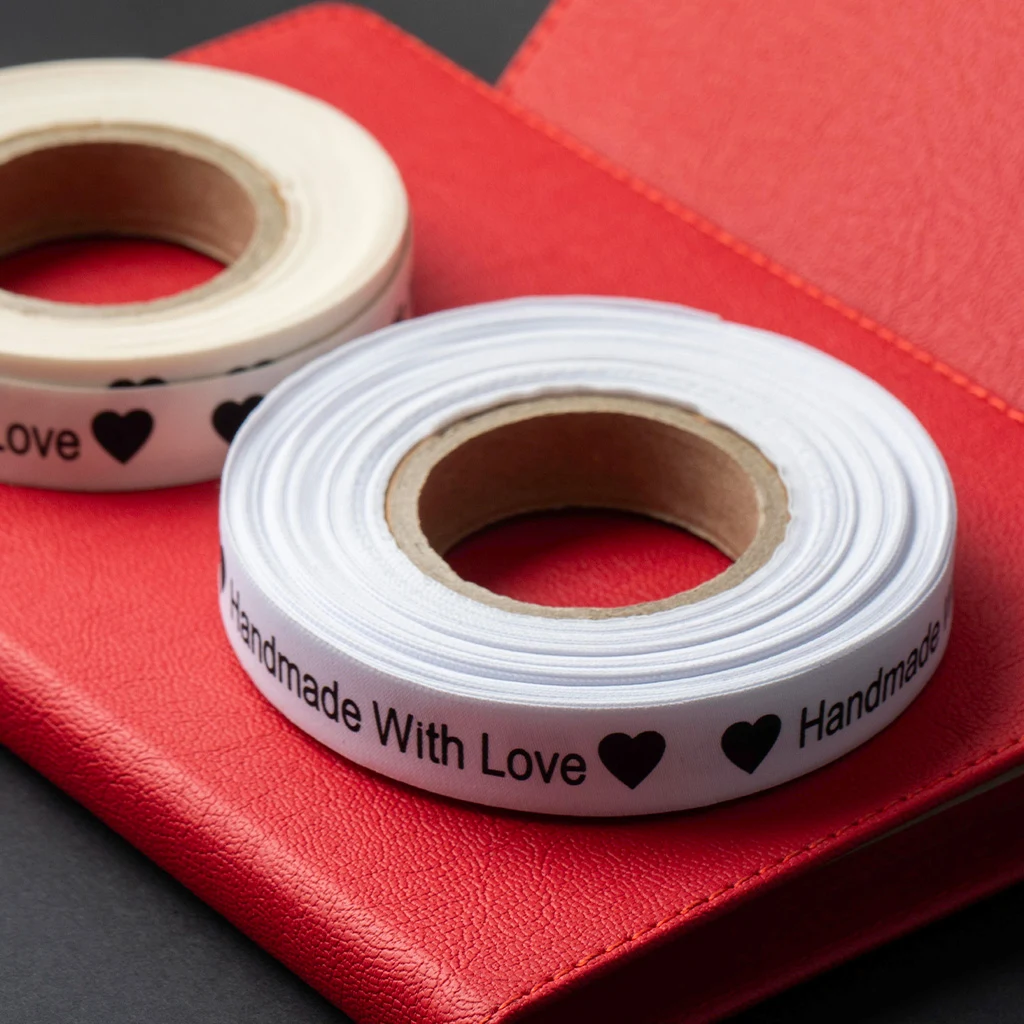
Custom care labels serve as a bridge between the manufacturer’s intent and consumer behavior. They dictate whether a garment will thrive or deteriorate over time, making them indispensable in preserving the quality and longevity of textiles. In an era where sustainability is paramount, these labels can also promote eco-friendly practices by guiding consumers towards more responsible care routines.
Upload your own logo or artwork, choose dimensions & materials, and review your live digital preview before ordering. (LabelGo label catalog).
Configure Your Label Online Now →Moreover, custom garment labels play a pivotal role in mitigating returns and exchanges due to improper care. By providing clear instructions, brands can reduce the likelihood of garments being damaged by incorrect washing or drying methods. This reduces operational costs associated with handling returns and enhances overall customer satisfaction, making it a win-win for both consumers and manufacturers.
The impact of bespoke clothing tags extends beyond mere maintenance guidelines; they also influence consumer behavior in ways that can shape industry trends. For example, labels that emphasize hand washing or cold water cycles contribute to the growing movement towards more sustainable fashion practices. This aligns with the increasing demand from eco-conscious consumers who seek products that align with their values.
As we delve deeper into this topic, it becomes evident that textile apparel labels are not just a regulatory requirement but an essential tool for brands looking to enhance product longevity and consumer satisfaction. Their role in shaping brand perception and promoting sustainable practices cannot be overstated, making them a cornerstone of modern fashion and textile manufacturing.
Understanding the nuances of woven brand labels is crucial for any brand aiming to excel in today’s competitive market. From design to implementation, every aspect must be meticulously considered to ensure that these small yet powerful tags fulfill their purpose effectively. In this exploration, we will uncover how brands can leverage custom garment labels to elevate their products and strengthen their market position.
Table of Contents
Understanding Custom Care Labels: Beyond the Basics
Custom care labels are more than just a regulatory requirement; they serve as essential guides for maintaining the integrity and longevity of your garments. Moving beyond the basics, we delve into the nuances that make custom care labels indispensable in today’s fashion industry.The Role of Customization
Custom care labels offer brands an opportunity to personalize their products with specific instructions tailored to each garment’s unique materials and construction techniques. This level of customization ensures that consumers receive precise guidance on how to care for their items, thereby extending the lifespan of the product. For instance, a high-end silk blouse might require hand washing in cold water and air drying flat, whereas a durable work jacket may need machine washability with warm water and tumble dry settings.Customization also allows brands to reinforce their identity by incorporating distinctive logos or color schemes into care labels. This not only enhances brand recognition but also creates a cohesive look across all product lines. Moreover, custom care labels can be designed in various shapes and sizes, from simple rectangular tags to more intricate designs that match the aesthetic of the garment.Regulatory Requirements and Compliance
Compliance with regulatory standards is another critical aspect of custom care labels. In the United States, the Federal Trade Commission (FTC) enforces specific guidelines under the Textile Fiber Products Identification Act and the Care Labeling Rule. These regulations mandate that all textile products must include a label detailing fiber content and instructions for proper care.Failure to comply with these rules can result in hefty fines and damage to a brand’s reputation. Therefore, it is crucial for manufacturers to ensure their custom care labels meet all legal requirements. This includes providing accurate information on washing, drying, ironing, and dry cleaning methods that are safe for the garment’s materials. Additionally, brands must clearly indicate any special instructions or warnings related to the product.Material and Durability Considerations
The choice of material for custom care labels is another key consideration, as it directly impacts durability and overall quality. Labels need to withstand frequent washing and wear without fading, peeling, or becoming illegible. Available in premium silky satin for next-to-skin softness or tear-resistant taffeta for durable workwear, these materials ensure that the label remains intact throughout the garment’s lifecycle.Moreover, manufacturers must consider how the care label will be attached to the garment. Common methods include sewing, heat transfer, and adhesive bonding. Each method has its pros and cons in terms of durability and ease of application. For instance, sewn labels are highly durable but may require more labor-intensive processes compared to heat transfer or adhesive options.In conclusion, custom care labels play a pivotal role in ensuring that garments remain in excellent condition over time. By understanding the importance of customization, regulatory compliance, and material selection, manufacturers can create high-quality care labels that enhance both product longevity and consumer satisfaction. For further insights into specific types of Wash Care Labels, explore our comprehensive resources to stay informed on the latest industry standards and best practices.Designing Effective Custom Care Labels
The following table compares material, print or weave quality, use case, and production process for textile label manufacturing.
| Criterion | Best use | Check question | Quality expectation |
|---|---|---|---|
| Custom Care Labels | Brand, apparel, and accessory products. | Which information must appear on the product? | Clear, readable, and brand-consistent. |
| Woven label | Premium clothing, outerwear, and accessories. | Are thread detail and wash resistance strong? | Dense weave, clean edge, long life. |
| Printed label | Color logos, care data, and fast production. | Are colors accurate and readable? | Sharp print, flexible base, stable color. |
| Care / size label | Washing instructions, size, origin information. | Are symbols and languages clear? | High readability in a small space. |
| Hang tag / patch label | Retail display, collections, brand story. | Does material improve product perception? | Durable stock, clean cut, quality workmanship. |
Color and Design Choices
When it comes to the visual elements of your custom care label, striking a balance between functionality and aesthetics is crucial. The colors used should be consistent with your brand’s identity while also ensuring that the information on the label stands out clearly. Bright, contrasting colors can make labels more noticeable, but they must not clash with the overall design of the garment.The design elements should be simple yet informative. Symbols such as washing and drying icons are universally recognized and help reduce language barriers for international customers. However, these symbols need to be placed in a way that is intuitive and easy to understand at first glance. For instance, placing the wash symbol next to the temperature indicator can make it easier for consumers to follow care instructions.Text Clarity and Readability
The text on your custom care labels must be clear and easily readable to ensure that customers can quickly grasp the necessary information. The font size should be large enough to be legible even when the label is attached to a small garment or item. Sans-serif fonts are often preferred for their clean, modern look and ease of reading.In addition to clarity, the language used on care labels must be precise and unambiguous. Avoid using technical jargon that might confuse customers; instead, opt for straightforward instructions. For example, rather than saying “machine wash cold,” you could say “wash in cold water.” This simplification can significantly reduce misinterpretation.Integration with Brand Aesthetics
Custom care labels are not just functional elements but also an opportunity to reinforce your brand’s visual identity. The design of the label should complement and align with your overall branding strategy, ensuring a cohesive look across all products. This consistency can help build brand recognition and trust among consumers.To achieve this integration, consider using your brand colors, logo, or other distinctive design elements on the care labels. However, it’s important to strike a balance between branding and functionality. While incorporating your brand identity is crucial, the primary focus should remain on making sure that the label provides clear and accessible information about product care.Care Label Studio streamlines legal wash symbol selection, fiber content disclosure, and size grading, ensuring compliance with industry standards while maintaining a professional appearance. For more detailed insights into creating effective wash care labels, explore the resources available on our platform.By carefully considering these aspects—color and design choices, text clarity and readability, and integration with brand aesthetics—you can create custom care labels that not only fulfill their functional purpose but also enhance your product’s appeal and customer satisfaction.Technological Advancements in Custom Care Label Production
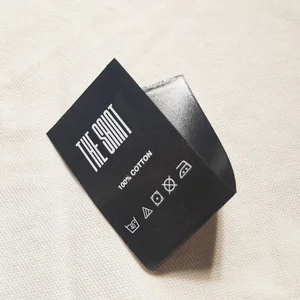
Innovative Printing Techniques
One of the most significant changes in custom care label production is the advent of advanced printing techniques. Traditional methods often involved screen printing or heat transfer, which could be time-consuming and less precise. Today, digital printing has revolutionized this process by offering high-resolution images with vibrant colors and intricate details. This shift not only enhances the aesthetic appeal but also ensures that instructions are clear and legible.Moreover, double-sided printing allows multi-language translations on a single streamlined tag, making it easier for brands to cater to an international market without compromising on quality or clarity. This feature is particularly useful in global supply chains where products may be sold across various regions with different language requirements.Digital Integration for Enhanced InformationAnother key advancement is the digital integration of care labels. With QR codes and NFC (Near Field Communication) tags, consumers can access detailed information about a garment’s care instructions directly from their smartphones. This not only provides an interactive experience but also ensures that all necessary details are available at the consumer’s fingertips.For instance, brands can link to comprehensive care guides or even videos demonstrating proper washing techniques. This level of detail and accessibility is invaluable for consumers who may be unsure about how best to maintain their garments. Additionally, digital integration allows for real-time updates and corrections if needed, ensuring that information remains accurate over time.Sustainable PracticesSustainability has become a cornerstone in the fashion industry, influencing every aspect of production, including care labels. Innovations such as biodegradable materials and waterless printing methods are making significant strides towards reducing environmental impact. For example, using plant-based inks or recycled paper for tags not only minimizes waste but also aligns with consumer expectations for eco-friendly products.Moreover, the use of digital printing reduces ink wastage compared to traditional methods, leading to a more sustainable production process. Brands can further enhance their sustainability efforts by opting for Wash Care Labels that are both functional and environmentally conscious.In conclusion, the advancements in custom care label production reflect broader industry trends towards innovation and sustainability. By embracing these technologies, brands can not only improve their product offerings but also contribute to a more responsible fashion ecosystem.Case Studies: Success Stories in Custom Care Label Implementation
In the previous section, we explored how custom care labels can significantly enhance brand identity and product quality. Now, let’s delve into some real-world examples of companies that have successfully implemented these labels to achieve their unique goals.Brand X’s Innovative Approach
Brand X has always been at the forefront of innovation in the fashion industry. When it came to custom care labels, they took a bold step by integrating QR codes directly onto the labels. This allowed customers to scan and access detailed information about the product’s materials, washing instructions, and even styling tips. The innovative approach not only provided valuable customer service but also enhanced Brand X’s reputation for cutting-edge technology in fashion.The use of high-quality Custom Woven Labels ensured that the QR codes remained legible and functional even after multiple washes. This durability was crucial, as it maintained the integrity of the information provided to customers over time.Y Corporation’s Compliance Strategy
For Y Corporation, compliance with international textile standards has always been a top priority. Their custom care labels were designed not only for customer convenience but also to ensure they met all regulatory requirements. Mandatory fiber percentages and country of origin declarations are printed with high-contrast durability, ensuring that these critical pieces of information remain visible throughout the product’s lifecycle.Y Corporation’s approach involved working closely with their label manufacturers to develop a standardized template that could be easily adapted for different products while still adhering to strict compliance guidelines. This strategy not only streamlined production but also minimized the risk of non-compliance issues, which can be costly and damaging to brand reputation.Z Company’s Sustainability Efforts
Z Company has long been committed to sustainability in all aspects of their business, including their custom care labels. They opted for eco-friendly materials such as organic cotton and recycled polyester, ensuring that even the smallest components of their products align with their environmental values.The company also focused on minimizing waste during production by using digital printing techniques that reduce ink usage and eliminate excess material. This approach not only helped Z Company achieve its sustainability goals but also resonated well with eco-conscious consumers who are increasingly seeking out brands that prioritize environmental responsibility.By integrating these sustainable practices into their custom care labels, Z Company has been able to communicate their commitment to the environment directly to customers. The clear and concise messaging on each label reinforces the brand’s values and helps build trust among environmentally aware shoppers.In conclusion, these case studies highlight how custom care labels can serve multiple purposes—from enhancing customer experience through innovative technology to ensuring compliance with industry standards and promoting sustainability. Each company tailored their approach based on specific goals, demonstrating the versatility and importance of well-designed custom care labels in today’s competitive fashion market.Future Trends in Custom Care Labeling
As we delve into the future of custom care labeling, it’s clear that innovation and sustainability are at the forefront of this evolving industry. Custom labels not only provide essential information but also serve as a branding tool for manufacturers. Here, we explore emerging technologies, consumer expectations, and eco-friendly practices shaping the future.Emerging Technologies
The integration of advanced technologies is revolutionizing how custom care labels are designed and produced. One notable trend is the use of RFID (Radio-Frequency Identification) tags embedded in labels. These tiny chips can store vast amounts of information about a garment’s origin, material composition, and even washing instructions. This technology not only enhances traceability but also provides consumers with detailed product information at their fingertips.Another emerging technology is NFC (Near Field Communication), which allows users to access additional content by simply tapping their smartphone on the label. This can include care instructions, brand stories, or even augmented reality experiences that bring the garment to life in a digital space. The combination of these technologies not only enhances the consumer experience but also provides valuable data for brands to better understand and cater to customer needs.Consumer Expectations and Preferences
Today’s consumers are more informed than ever before, with access to vast amounts of information at their fingertips. They expect transparency from brands regarding product origin, materials used, and manufacturing processes. Custom care labels play a crucial role in meeting these expectations by providing detailed and accurate information.Consumers also value convenience and ease of use. Clear, concise, and visually appealing labels that are easy to read and understand can significantly enhance the customer experience. Brands must ensure their custom labels comply with industry standards while also standing out on the shelf. For instance, “Available in premium silky satin for next-to-skin softness or tear-resistant taffeta for durable workwear,” offers a range of options tailored to specific needs.Sustainability and Eco-Friendly Practices
Sustainability is no longer just a buzzword; it’s a fundamental expectation from consumers. Custom care labels are increasingly being designed with eco-friendly materials and processes in mind. Biodegradable substrates, such as plant-based papers or recycled fabrics, are becoming more popular. These materials not only reduce environmental impact but also align with consumer values.Moreover, digital printing techniques that minimize waste and energy consumption are gaining traction. Brands can now produce custom labels on demand, reducing overproduction and excess inventory. Additionally, the use of water-based inks and non-toxic adhesives further enhances the eco-friendliness of these products.In conclusion, the future of custom care labeling is bright with opportunities for innovation and sustainability. As technology advances and consumer preferences evolve, brands must stay ahead of the curve to meet the demands of an increasingly informed and environmentally conscious market.
Case Studies: Success Stories in Custom Care Label Implementation
In the previous section, we explored how custom care labels can significantly enhance brand identity and product quality. Now, let’s delve into some real-world examples of companies that have successfully implemented these labels to achieve their unique goals.Brand X’s Innovative Approach
Brand X has always been at the forefront of innovation in the fashion industry. When it came to custom care labels, they took a bold step by integrating QR codes directly onto the labels. This allowed customers to scan and access detailed information about the product’s materials, washing instructions, and even styling tips. The innovative approach not only provided valuable customer service but also enhanced Brand X’s reputation for cutting-edge technology in fashion.The use of high-quality Custom Woven Labels ensured that the QR codes remained legible and functional even after multiple washes. This durability was crucial, as it maintained the integrity of the information provided to customers over time.Y Corporation’s Compliance Strategy
For Y Corporation, compliance with international textile standards has always been a top priority. Their custom care labels were designed not only for customer convenience but also to ensure they met all regulatory requirements. Mandatory fiber percentages and country of origin declarations are printed with high-contrast durability, ensuring that these critical pieces of information remain visible throughout the product’s lifecycle.Y Corporation’s approach involved working closely with their label manufacturers to develop a standardized template that could be easily adapted for different products while still adhering to strict compliance guidelines. This strategy not only streamlined production but also minimized the risk of non-compliance issues, which can be costly and damaging to brand reputation.Z Company’s Sustainability Efforts
Z Company has long been committed to sustainability in all aspects of their business, including their custom care labels. They opted for eco-friendly materials such as organic cotton and recycled polyester, ensuring that even the smallest components of their products align with their environmental values.The company also focused on minimizing waste during production by using digital printing techniques that reduce ink usage and eliminate excess material. This approach not only helped Z Company achieve its sustainability goals but also resonated well with eco-conscious consumers who are increasingly seeking out brands that prioritize environmental responsibility.By integrating these sustainable practices into their custom care labels, Z Company has been able to communicate their commitment to the environment directly to customers. The clear and concise messaging on each label reinforces the brand’s values and helps build trust among environmentally aware shoppers.In conclusion, these case studies highlight how custom care labels can serve multiple purposes—from enhancing customer experience through innovative technology to ensuring compliance with industry standards and promoting sustainability. Each company tailored their approach based on specific goals, demonstrating the versatility and importance of well-designed custom care labels in today’s competitive fashion market.Future Trends in Custom Care Labeling
As we delve into the future of custom care labeling, it’s clear that innovation and sustainability are at the forefront of this evolving industry. Custom labels not only provide essential information but also serve as a branding tool for manufacturers. Here, we explore emerging technologies, consumer expectations, and eco-friendly practices shaping the future.Emerging Technologies
The integration of advanced technologies is revolutionizing how custom care labels are designed and produced. One notable trend is the use of RFID (Radio-Frequency Identification) tags embedded in labels. These tiny chips can store vast amounts of information about a garment’s origin, material composition, and even washing instructions. This technology not only enhances traceability but also provides consumers with detailed product information at their fingertips.Another emerging technology is NFC (Near Field Communication), which allows users to access additional content by simply tapping their smartphone on the label. This can include care instructions, brand stories, or even augmented reality experiences that bring the garment to life in a digital space. The combination of these technologies not only enhances the consumer experience but also provides valuable data for brands to better understand and cater to customer needs.Consumer Expectations and Preferences
Today’s consumers are more informed than ever before, with access to vast amounts of information at their fingertips. They expect transparency from brands regarding product origin, materials used, and manufacturing processes. Custom care labels play a crucial role in meeting these expectations by providing detailed and accurate information.Consumers also value convenience and ease of use. Clear, concise, and visually appealing labels that are easy to read and understand can significantly enhance the customer experience. Brands must ensure their custom labels comply with industry standards while also standing out on the shelf. For instance, “Available in premium silky satin for next-to-skin softness or tear-resistant taffeta for durable workwear,” offers a range of options tailored to specific needs.Sustainability and Eco-Friendly Practices
Sustainability is no longer just a buzzword; it’s a fundamental expectation from consumers. Custom care labels are increasingly being designed with eco-friendly materials and processes in mind. Biodegradable substrates, such as plant-based papers or recycled fabrics, are becoming more popular. These materials not only reduce environmental impact but also align with consumer values.Moreover, digital printing techniques that minimize waste and energy consumption are gaining traction. Brands can now produce custom labels on demand, reducing overproduction and excess inventory. Additionally, the use of water-based inks and non-toxic adhesives further enhances the eco-friendliness of these products.In conclusion, the future of custom care labeling is bright with opportunities for innovation and sustainability. As technology advances and consumer preferences evolve, brands must stay ahead of the curve to meet the demands of an increasingly informed and environmentally conscious market.Selecting the right Custom Care Labels involves evaluating fabric composition, wash frequency, skin-contact softness, and overall brand positioning. High-density woven labels provide a premium look for primary brand logos, while printed satin and cotton ribbons offer excellent clarity for wash care instructions. Confirming fold style and seam margins prior to production ensures flawless bulk manufacturing.
For comprehensive technical insights on textile fiber standards and ISO labeling compliance, you can review Wikipedia Textile Labeling Standards and Industry Search on Google.
5 Essential Tips & Standards for Custom Care Labels
When selecting and manufacturing Custom Care Labels, these 5 essential quality standards, material choices, edge sealing techniques, and compliance rules dictate long-term durability and brand value:
1. HD Ink Printing Tech (Screen vs Thermal Transfer)
As an essential technical consideration, printed label production for Custom Care Labels utilizes high-definition textile inks tailored to fabric ribbon bases. Screen printing delivers opaque color layers, whereas thermal transfer printing excels for micro-fine care symbols. Thermally cured textile inks guarantee high wash fastness up to 60°C laundering.
2. Fabric Tape Base Material (Satin vs Cotton vs Taffeta)
Selecting the tape material dictates skin comfort and brand aesthetic. Silky polyester satin offers a smooth texture soft against sensitive skin. Natural 100% organic cotton tape delivers an authentic matte feel preferred by eco-conscious fashion lines. Polyester taffeta provides a durable base for wash care instructions.
3. Ultrasonic Heat-Sealed Edges (Zero Fraying)
As an essential technical consideration, printed fabric ribbons require thermally sealed edges to prevent fraying during laundering. Ultrasonic cutting technology fuses ribbon edge fibers micro-mechanically, creating smooth border contours. This process eliminates neck scratching and irritation completely.
4. ISO 3758 Care Symbol Accuracy & Legal Compliance
For Custom Care Labels, international textile regulations mandate precise ISO 3758 care symbol rendering alongside certified fiber composition breakdowns. Wash, bleach, dry, iron, and dry-clean icons must maintain razor-sharp legibility through dozens of high-temperature wash cycles, ensuring seamless customs clearance and global apparel retail compliance.
5. Wash Fastness & Detergent Durability at 60°C
During precision production and quality assurance, textile inks undergo high-temperature heat curing immediately after printing. This polymerization fixes ink pigments deeply into ribbon fibers, resisting chemical detergents up to 60°C. Printed graphics stay sharp without bleeding or fading over repeated wash cycles.
Embracing the Future of Custom Care Labels
The evolution of custom care labels is not just about enhancing garment longevity; it’s a pivotal step towards sustainable fashion and smarter consumer engagement. As we’ve explored, these labels serve as silent guardians, guiding consumers through the intricate dance of fabric care to ensure that garments remain in use for longer periods. This extends beyond mere convenience—it’s about reducing waste and fostering a more conscientious approach to consumption.
Looking ahead, the integration of RFID technology into custom care labels promises an exciting leap forward. Imagine a world where each garment tells its own story through embedded chips, providing detailed care instructions, origin stories, and even tracking environmental impact. This level of transparency not only empowers consumers but also holds brands accountable for their sustainability claims.
The future of fashion is intertwined with technology, and custom care labels are at the heart of this convergence. They offer a tangible way to bridge the gap between production and consumption, ensuring that every piece of clothing tells its story accurately and comprehensively. This narrative can be a powerful tool in building brand loyalty and trust. Consumers today seek more than just products; they want experiences and connections with brands that share their values.
As we move forward, it’s imperative for fashion labels to embrace these innovations not as mere trends but as fundamental shifts towards a sustainable future. By investing in high-quality custom care labels, brands can demonstrate their commitment to longevity and environmental responsibility. This isn’t just about staying ahead of the curve; it’s about leading the way towards a more sustainable industry.
Ultimately, the journey toward smarter, more sustainable fashion is a collective effort—one that requires vision, innovation, and a deep understanding of consumer needs. As we stand on the brink of this new era in textile labeling, let us remember that every step forward is an opportunity to create lasting change. The future belongs to those who not only see it coming but are ready to shape it with purpose and passion.
🔗 Related Garment Labeling Resources & Products
When planning Custom Care Labels specifications, critical technical parameters such as fabric composition, seam allowances, and yarn density must be carefully calculated. High-density weaving and premium printing ensure that even the finest typographic details remain sharp and perfectly legible throughout repeated laundering cycles. Working from approved digital proofs and pre-production samples provides the highest level of brand consistency across bulk production batches.
Explore these related product guides and manufacturing pages to plan a cohesive apparel branding package:
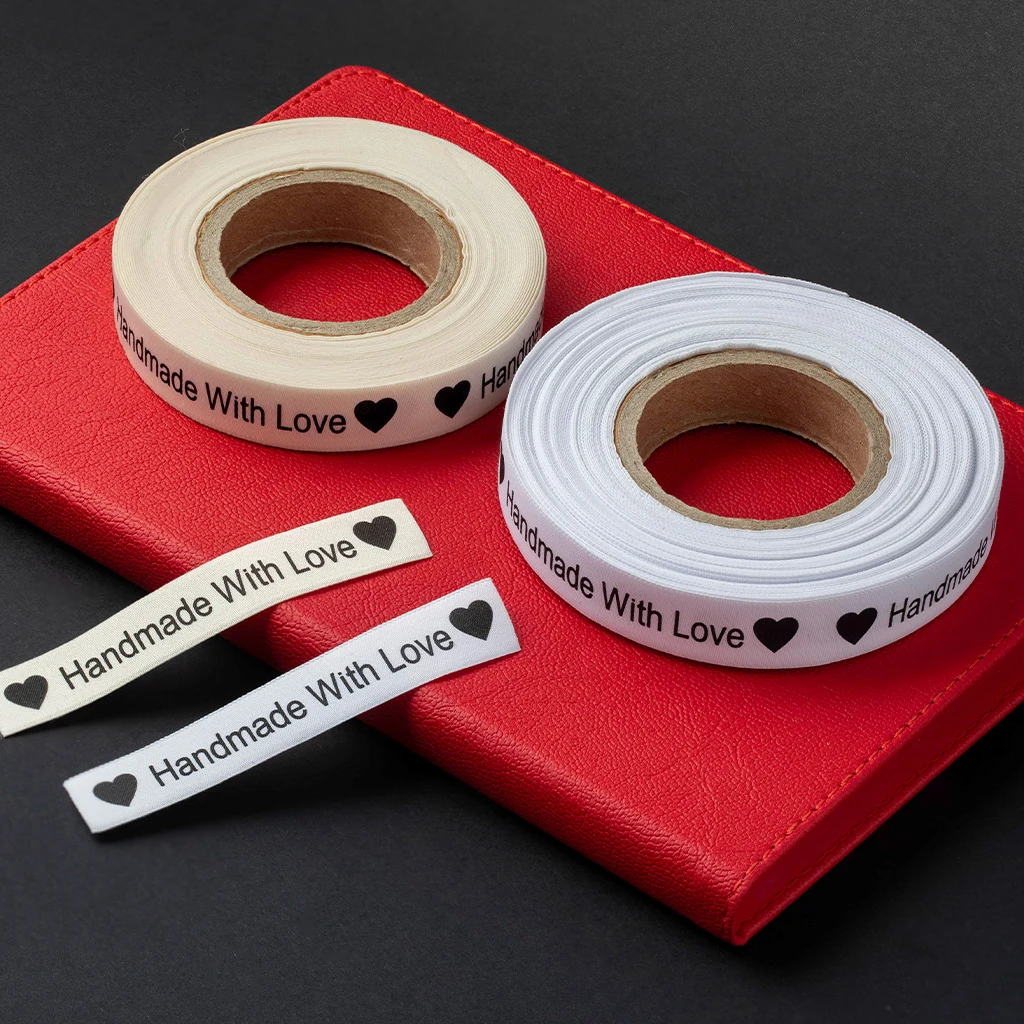
About LabelGo: 30+ Years of Textile Label Manufacturing Excellence
Committed to uncompromising textile safety, LabelGo crafts labels using OEKO-TEX® Standard 100 Class 1 certified, skin-safe yarns and precision ultrasonic heat-sealed edging that completely eliminates neck scratching. With an accessible minimum order quantity of just 250 pieces (MOQ) alongside industrial capacity for high-volume production, LabelGo provides fast 5–7 business day express worldwide shipping and dedicated 24/7 technical support for fashion brands worldwide.