
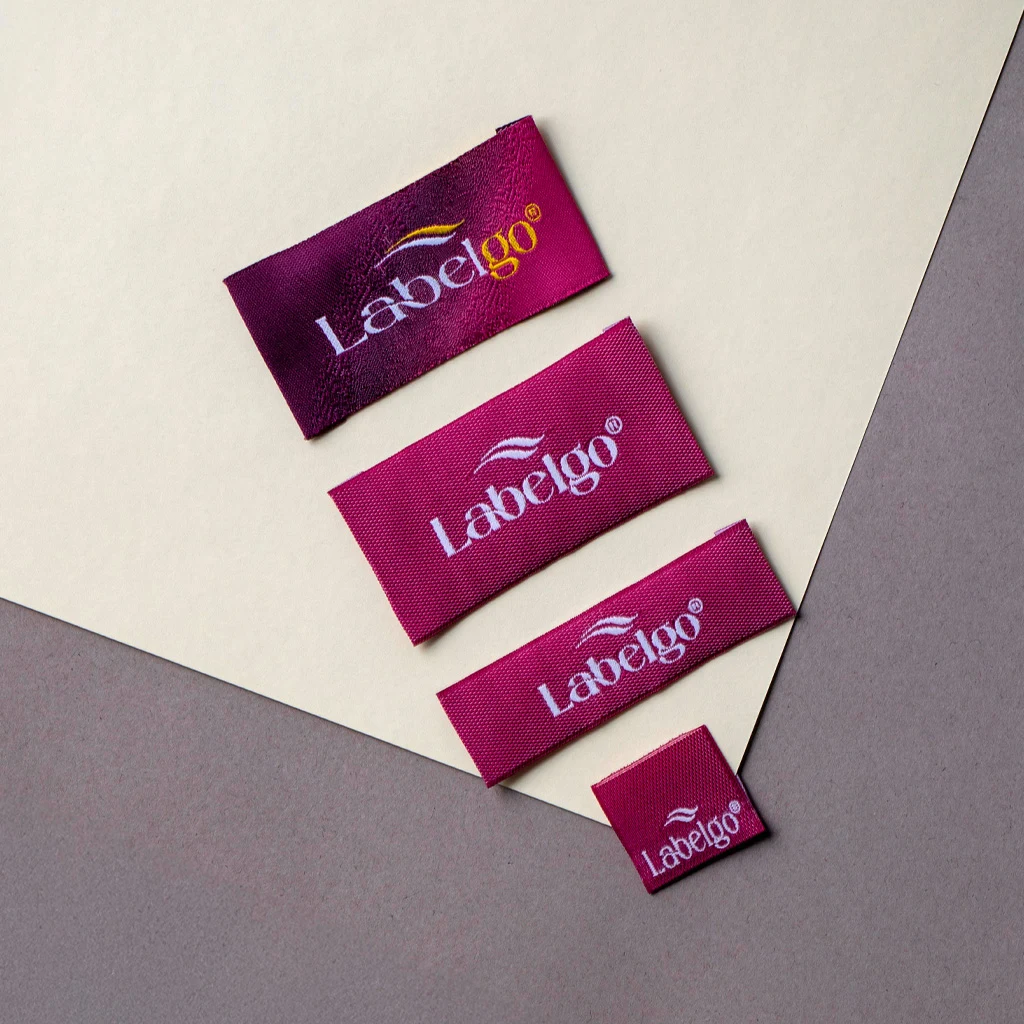
bespoke clothing tags aren’t just pieces of fabric or plastic; they’re powerful tools for building trust, showcasing quality, and differentiating your products from the competition. In an era where consumers demand authenticity and transparency, a well-designed tag can be the deciding factor between a sale and a missed opportunity. At Custom Clothing Tags, we understand that these small details can have a big impact on your brand’s success.
Upload your own logo or artwork, choose dimensions & materials, and review your live digital preview before ordering. (LabelGo label catalog).
Configure Your Label Online Now →The fashion industry is constantly evolving, with new trends emerging every season. However, one constant remains: the importance of quality and authenticity in consumer purchasing decisions. textile apparel labels play a pivotal role in this equation by providing essential information about the product’s origin, materials, care instructions, and more. This transparency not only builds trust but also elevates the perceived value of your products.
Moreover, woven brand labels offer an opportunity for creative branding. By integrating unique designs, logos, and color schemes into your labels, you can reinforce brand identity and create a cohesive look across all product lines. This consistency is crucial in today’s market where consumers are increasingly drawn to brands that stand out with their distinctive style and messaging.
From a retail perspective, custom apparel tags also serve as silent salespeople on the shelf. They communicate key selling points at a glance, encouraging impulse buys and repeat purchases. In fact, studies show that products with clear, informative labels are 25% more likely to be chosen over generic alternatives. This statistic underscores the importance of investing in high-quality custom apparel tags.
Ultimately, the choice between standard and custom apparel tags can mean the difference between a mediocre product presentation and one that truly stands out. Custom tags allow you to tell your brand’s story in a way that resonates with consumers, making them feel more connected to your products. This emotional connection is what drives loyalty and repeat business.
At Custom Clothing Tags, we specialize in creating tags that not only meet but exceed industry standards for quality, durability, and design. Our team works closely with you to understand your brand’s unique needs and create custom solutions that enhance both the retail experience and consumer perception of value.
The fashion world is fiercely competitive, and every detail counts when it comes to standing out in a crowded marketplace. Custom apparel tags are more than just labels—they’re powerful tools for building trust, showcasing quality, and elevating your brand’s perceived value. With Custom Clothing Tags, you can ensure that every product tells a compelling story and leaves a lasting impression on consumers.
Table of Contents
The Power of Customization in the Fashion Industry
The fashion industry is constantly evolving, and one trend that has gained significant traction over recent years is customization. This shift towards personalized products not only caters to individual tastes but also enhances brand loyalty and market differentiation. One area where this customization shines through is with custom apparel tags.Why Custom Tags Matter
Custom apparel tags are more than just a simple label; they serve as an extension of your brand’s identity, providing a tangible connection between the consumer and the product. These tags can be customized in numerous ways to reflect specific design elements or messages that resonate with your target audience. For instance, you might choose to incorporate unique patterns, logos, or even personalized messages on these tags.Moreover, custom tags play a critical role in quality assurance and authenticity. By using high-quality materials and precise manufacturing techniques, such as physically dyeing yarns to match exact Pantone textile color codes across a 2-to-8 color capability, you ensure that each tag is not only visually appealing but also durable enough to withstand the rigors of everyday wear.Impact on Brand Perception
The impact of custom apparel tags on brand perception cannot be overstated. When consumers see a well-designed and meticulously crafted tag, it leaves an impression of attention to detail and quality craftsmanship. This can significantly enhance their overall experience with your product, fostering a deeper connection and loyalty towards the brand.Custom tags also offer a unique opportunity for storytelling. By incorporating elements that reflect your brand’s values or heritage, you create a narrative that resonates on a personal level. For example, if your brand emphasizes sustainability, you might use eco-friendly materials in your custom tags to reinforce this message.Incorporating these personalized touches can set your products apart from the competition and establish a strong emotional connection with consumers. To explore more about how custom apparel tags can elevate your fashion line, visit Custom Clothing Tags.Designing Your Perfect Tag: Materials and Styles
The following table compares material, print or weave quality, use case, and production process for textile label manufacturing.
| Criterion | Best use | Check question | Quality expectation |
|---|---|---|---|
| Custom Apparel Tags | Brand, apparel, and accessory products. | Which information must appear on the product? | Clear, readable, and brand-consistent. |
| Woven label | Premium clothing, outerwear, and accessories. | Are thread detail and wash resistance strong? | Dense weave, clean edge, long life. |
| Printed label | Color logos, care data, and fast production. | Are colors accurate and readable? | Sharp print, flexible base, stable color. |
| Care / size label | Washing instructions, size, origin information. | Are symbols and languages clear? | High readability in a small space. |
| Hang tag / patch label | Retail display, collections, brand story. | Does material improve product perception? | Durable stock, clean cut, quality workmanship. |
Choosing the Right Material
Selecting the appropriate material is crucial for ensuring both functionality and durability of your custom apparel tags. Common materials include paper, fabric, and plastic, each with unique properties that suit different needs. Paper tags are cost-effective and versatile, offering a wide range of printing options. They can be easily customized with various finishes such as matte or glossy to enhance their visual appeal.Fabric tags, on the other hand, offer a more premium look and feel. These tags are often used in high-end apparel due to their durability and ability to withstand frequent washing without fading or tearing. Additionally, fabric tags can be designed to match the color palette of your clothing line, providing a cohesive brand image. For instance, if you’re designing a collection with vibrant colors, opting for a fabric tag that complements these hues will elevate the overall look.Plastic tags are another popular choice, especially for outdoor apparel or items that require water resistance. They can be made from materials like PVC or PET and often feature embossed text for added texture and durability. These tags are ideal for products that need to withstand harsh conditions without losing their integrity.Innovative Design Options
Designing a tag goes beyond just choosing the right material; it involves creating an engaging visual element that stands out on your apparel. There are several innovative design options you can explore to make your tags unique and memorable:- Custom Shapes: Traditional rectangular or square tags may not always capture attention. Consider designing custom shapes that align with the theme of your brand. For example, if you’re a surfwear company, a tag shaped like a wave could be both eye-catching and thematic.
- Multimedia Integration: Incorporating QR codes or NFC chips into tags can provide customers with additional information about the product, such as care instructions, sizing guides, or even exclusive content. Each detail directly affects the quality and durability of the final product.
- Sustainability Focus: With increasing consumer awareness around environmental issues, using eco-friendly materials for tags can be a significant selling point. Biodegradable paper or recycled fabric are excellent choices that align with sustainable practices without compromising on quality.
Custom Tags and Retail Perceived Value
Increasing Customer Perception of Quality
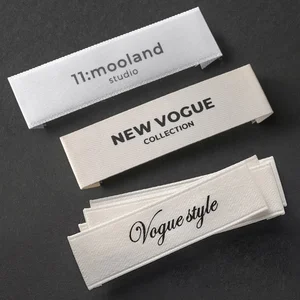
Custom tags serve as silent salespeople, subtly communicating the value and craftsmanship behind each garment. High-quality materials like silk-screened labels or embroidered patches not only withstand wear but also convey a sense of luxury that resonates with consumers. According to a study by the American Apparel & Footwear Association (AAFA), 71% of shoppers consider quality tags as an indicator of product authenticity and care.Moreover, custom tags can be designed to reflect your brand’s aesthetic, from color schemes to typography. This consistency in branding helps build trust and recognition among consumers. For example, a high-end fashion label might opt for metallic or holographic tags that stand out on the shelf, signaling premium quality at first glance.Strategies for Effective Use
To maximize the impact of custom apparel tags, consider these strategies:- Material Selection: Choose materials that align with your brand’s image. For instance, organic cotton labels can appeal to eco-conscious consumers, while leather or woven and printed textile label might be more fitting for a rugged, outdoorsy aesthetic.
- Placement and Visibility: Ensure that custom tags are prominently placed but not obtrusive. A tag on the inside of a garment should be easily accessible without detracting from the overall design.
- Integration with Branding: Incorporate your brand’s logo, color palette, and font style into the tag design to create a cohesive look that reinforces brand identity.
Technical Production Standards and Delivery
When it comes to producing high-quality custom tags, adhering to industry standards is crucial. International express shipping via DHL Express reaches the US and Canada in 2–4 days and Europe in 1–3 days, ensuring that your products reach retail shelves promptly while maintaining their premium quality.In conclusion, custom apparel tags are a powerful tool for enhancing perceived value and reinforcing brand identity. By carefully selecting materials, strategically placing tags, and integrating them with overall branding efforts, you can create a lasting impression on customers and elevate your fashion label to new heights.Sustainability and Custom Apparel Tags
As the fashion industry continues to evolve, so too does the demand for eco-friendly solutions in every aspect of production, including custom apparel tags. These small but significant components are now being reimagined with sustainability at their core, offering brands a way to enhance their environmental credentials while maintaining brand identity and product quality.Eco-Friendly Materials
One of the primary ways that custom apparel tags can contribute to sustainable practices is through the use of eco-friendly materials. Traditional polyester labels are often non-biodegradable and can take hundreds of years to decompose, contributing significantly to landfill waste. In contrast, modern alternatives like organic cotton, recycled polyester, and Tencel (a lyocell fiber made from wood pulp) offer a more sustainable option.Organic cotton is grown without harmful pesticides or synthetic fertilizers, reducing the environmental impact of farming practices. Recycled polyester, on the other hand, diverts plastic waste from landfills by repurposing it into new materials. Tencel fibers are known for their low environmental footprint due to the closed-loop production process that recycles water and solvents.Recycling Programs
In addition to using eco-friendly materials, another critical aspect of sustainability in custom apparel tags is recycling programs. Brands can implement initiatives that encourage consumers to return used garments or accessories for recycling. This not only reduces waste but also promotes a circular economy where resources are reused and recycled.For example, some brands have partnered with textile recycling facilities that process returned items into new materials. These partnerships ensure that even after the product’s lifecycle is complete, its components can be repurposed. By incorporating such programs, companies can significantly reduce their environmental impact while fostering consumer loyalty through responsible practices.Production Efficiency and Dispatch
Efficiency in production is another key factor in achieving sustainability goals. Dedicated automated loom arrays and industrial print engines ensure quick factory dispatch in 3 to 5 business days. This streamlined process not only reduces lead times but also minimizes energy consumption and waste generation during the manufacturing phase.Moreover, brands can further enhance their sustainability efforts by offering custom apparel tags that align with their eco-friendly ethos. For instance, integrating Custom Logo Tags allows companies to maintain brand recognition while ensuring that every component of their products is environmentally responsible.In conclusion, the integration of sustainable practices in custom apparel tags represents a significant step towards a more eco-friendly fashion industry. By focusing on materials, recycling programs, and efficient production methods, brands can not only reduce their environmental footprint but also appeal to an increasingly conscious consumer base.Future Trends in Custom Apparel Tags
As we delve into the future of custom apparel tags, it’s clear that innovation is at the forefront of this dynamic industry. The evolution of technology and design styles are shaping how these essential components enhance both functionality and aesthetics for brands and consumers alike.Technological Innovations
The integration of advanced technologies in custom apparel tags has opened up new possibilities for customization and interactivity. RFID (Radio-Frequency Identification) tags, for example, have become increasingly popular due to their ability to provide real-time tracking and inventory management solutions. This technology not only helps brands maintain accurate stock levels but also enhances the customer experience by offering personalized shopping experiences through mobile apps that interact with these tags.Another significant technological advancement is the use of NFC (Near Field Communication) tags. These allow consumers to access product information, care instructions, or even exclusive content directly from their smartphones by simply tapping the tag. This level of interactivity not only educates customers but also builds a stronger brand connection through seamless engagement.Moreover, advancements in printing technology have enabled the creation of high-resolution, full-color custom tags that can incorporate intricate designs and textures. These innovations allow brands to stand out with unique visual identities while maintaining durability and longevity. For instance, sublimation printing allows for vibrant colors and detailed graphics on fabric labels, making them an attractive option for luxury brands.Emerging Design Styles
The design landscape of custom apparel tags is also evolving, reflecting broader trends in fashion and consumer preferences. One notable trend is the shift towards minimalist designs that prioritize simplicity and elegance over cluttered visuals. This approach not only aligns with current aesthetic sensibilities but also ensures that the tag itself does not detract from the overall look of the garment.Another emerging design style involves the use of sustainable materials and eco-friendly production methods. As consumers become more environmentally conscious, brands are responding by creating custom tags made from recycled or biodegradable materials. This not only reduces environmental impact but also appeals to a growing segment of socially responsible shoppers who value sustainability in their purchases.Innovative shapes and forms are also gaining traction as designers explore new ways to integrate tags into garments seamlessly. For example, some brands are experimenting with flexible, stretchable labels that conform to the fabric without causing discomfort or wear-and-tear over time. These designs not only improve user experience but also offer a modern twist on traditional tag aesthetics.International express shipping via DHL Express reaches the US and Canada in 2–4 days and Europe in 1–3 days, ensuring that these cutting-edge custom apparel tags can be quickly delivered to brands and retailers around the world. This swift delivery service supports the fast-paced nature of fashion trends and ensures that businesses can stay ahead of the curve by promptly incorporating the latest innovations into their product lines.In conclusion, the future of custom apparel tags is bright with technological advancements and evolving design styles paving the way for more interactive, sustainable, and aesthetically pleasing solutions. As brands continue to innovate in this space, they will undoubtedly find new ways to enhance both functionality and consumer engagement through these essential components.Selecting the right Custom Apparel Tags involves evaluating fabric composition, wash frequency, skin-contact softness, and overall brand positioning. High-density labels provide a premium look for primary brand logos. Confirming fold style and seam margins prior to production ensures flawless bulk manufacturing.
For comprehensive technical insights on textile fiber structures, OEKO-TEX Standard 100 safety, and international labeling compliance, you can review Wikipedia Textile Labeling Standards and Industry Search on Google.
6 Essential Tips & Standards for Custom Apparel Tags
When selecting and manufacturing Custom Apparel Tags, these 6 essential quality standards, material choices, edge sealing techniques, and compliance rules dictate long-term durability and brand value:
1. Substrate Material Selection for Garment Labels
As an essential technical consideration, high-density Damask weave provides superior graphic detail and ultra-soft feel for Custom Apparel Tags. Selecting 100-denier micro-polyester yarn guarantees crisp lettering and smooth logo reproduction across all garment tags.
2. Ultrasonic Heat-Sealed Edges (Zero Fraying)
Ultrasonic smooth heat-sealed edges prevent neck irritation and skin scratchiness completely. Thermal edge fusion micro-seals loose warp threads without hard corners.
3. Label Folding Options: Center Fold, End Fold, and Loop
According to textile industry best practices, selecting the correct fold style depends on seam placement, garment construction, and brand aesthetic. Center Fold is ideal for necklines and side seams with dual-sided logo visibility.
4. Colorfastness and 60°C Industrial Wash Durability
According to textile industry best practices, iSO 105 colorfast polyester yarns withstand 60°C industrial wash cycles without color bleeding or fading. Solution-dyed yarns retain vibrant color saturation.
5. Pantone Matching Standards for Crisp Graphic Production
From an industrial manufacturing perspective, vector files (.AI or .PDF) with minimum 0.15mm line thickness guarantee razor-sharp weaving detail on Jacquard looms. Fonts under 3pt should be enlarged to maintain legibility.
6. OEKO-TEX Standard 100 Certification & Safety
OEKO-TEX Standard 100 Class 1 certified yarns guarantee zero harmful substances for infant and children apparel. European fashion buyers consider this a mandatory standard.
The Future of Custom Apparel Tags: A Vision for Sustainable Luxury and Smart Integration
In a world where fashion is increasingly intertwined with technology, custom apparel tags have emerged as more than just labels—they are now essential components that elevate the brand experience to new heights. From showcasing craftsmanship to enhancing consumer engagement, these tags play a pivotal role in defining the luxury narrative of any garment.
Looking ahead, sustainability will continue to be at the forefront of fashion innovation. As consumers become more conscious about their environmental impact, brands must respond with eco-friendly solutions. This means exploring biodegradable materials for labels and reducing waste through efficient design processes. By embracing these practices, not only do we preserve our planet but also strengthen brand loyalty among a discerning clientele.
The integration of smart technologies like RFID is another transformative trend that promises to revolutionize the fashion industry. These tags can provide real-time tracking, personalized shopping experiences, and even interactive content, all while maintaining an elegant aesthetic. Imagine walking into a boutique where your favorite designer’s garment not only tells its story but also interacts with you through your smartphone, offering exclusive discounts or styling tips. This level of engagement fosters deeper connections between brands and consumers, ensuring long-term loyalty.
Moreover, the longevity of a brand is intrinsically linked to its ability to innovate while staying true to its core values. Custom apparel tags serve as a tangible representation of these values—craftsmanship, quality, and authenticity. By investing in high-quality labels that resonate with your brand’s ethos, you not only enhance the perceived value but also build a legacy that stands the test of time.
As we move forward, let us embrace the potential of custom apparel tags to create meaningful connections between brands and consumers. These small yet powerful elements can transform ordinary garments into extraordinary experiences, setting new benchmarks for luxury in fashion. By prioritizing sustainability and innovation, we pave the way for a future where every piece of clothing tells a story worth wearing.
So, whether you’re a seasoned designer or just starting your brand journey, remember that custom apparel tags are more than just labels—they are the voice of your vision, speaking directly to those who value quality and authenticity. Let’s continue to push boundaries, innovate responsibly, and create fashion that not only looks good but does good too.
🔗 Related Garment Labeling Resources & Products
When planning Custom Apparel Tags specifications, critical technical parameters such as fabric composition, seam allowances, and yarn density must be carefully calculated. High-density weaving and premium printing ensure that even the finest typographic details remain sharp and perfectly legible throughout repeated laundering cycles. Working from approved digital proofs and pre-production samples provides the highest level of brand consistency across bulk production batches.
Explore these related product guides and manufacturing pages to plan a cohesive apparel branding package:
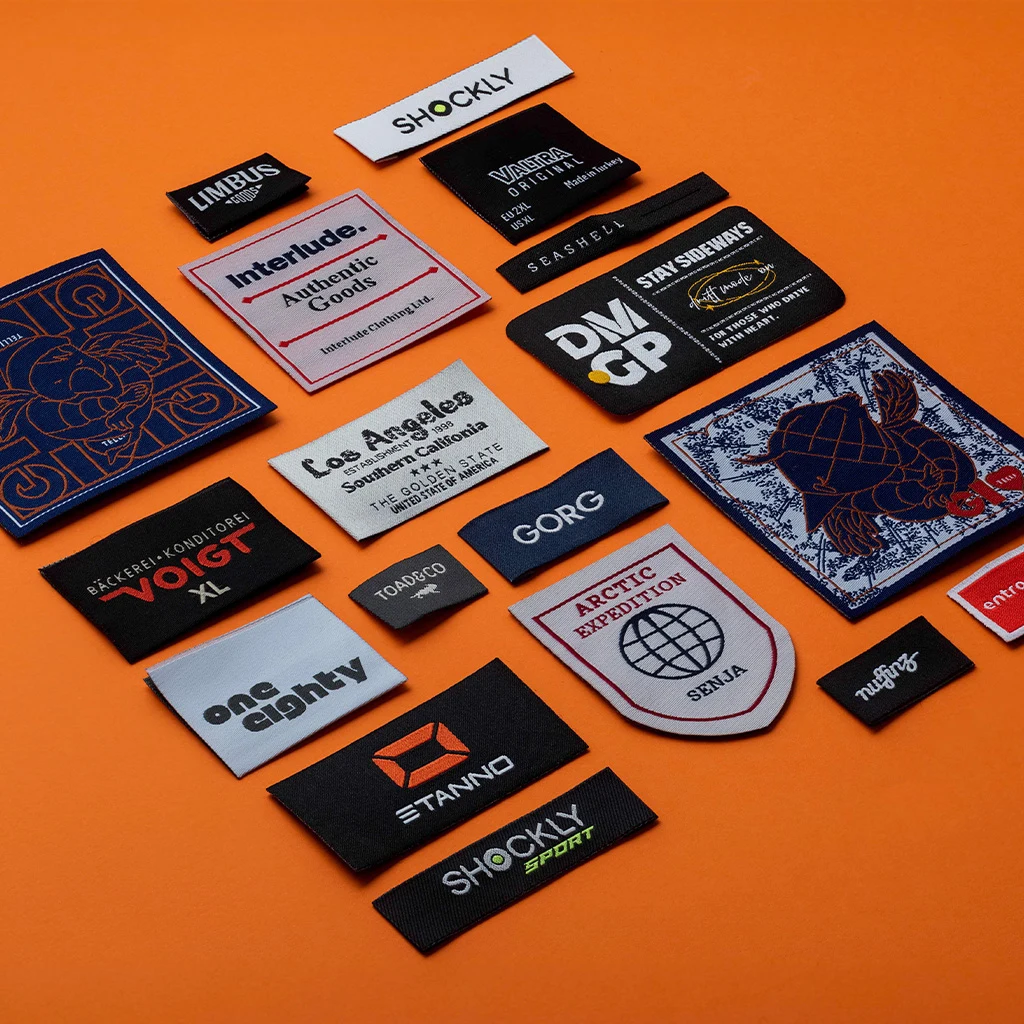
About LabelGo: 30+ Years of Textile Label Manufacturing Excellence
Combining high-volume industrial weaving capacity with boutique flexibility, LabelGo has established itself over 30+ years as a global benchmark in custom apparel trimmings. Advanced Jacquard looms and textile ink curing lines operate with micromechanical tolerances, ensuring that Custom Apparel Tags production meets exacting retail compliance standards. Brand founders and sourcing specialists benefit from streamlined digital approvals that keep seasonal product launches strictly on schedule.
Committed to uncompromising garment comfort, LabelGo utilizes exclusively OEKO-TEX® Standard 100 Class 1 certified, skin-safe yarns across all production lines. Advanced ultrasonic thermal edge sealing micro-fuses border fibers, completely eliminating neck itching and skin irritation even on sensitive infant wear. With an accessible minimum order quantity of just 250 pieces (MOQ) alongside massive bulk production capabilities, we ensure rapid 5–7 business day express worldwide delivery backed by dedicated 24/7 technical customer assistance.