
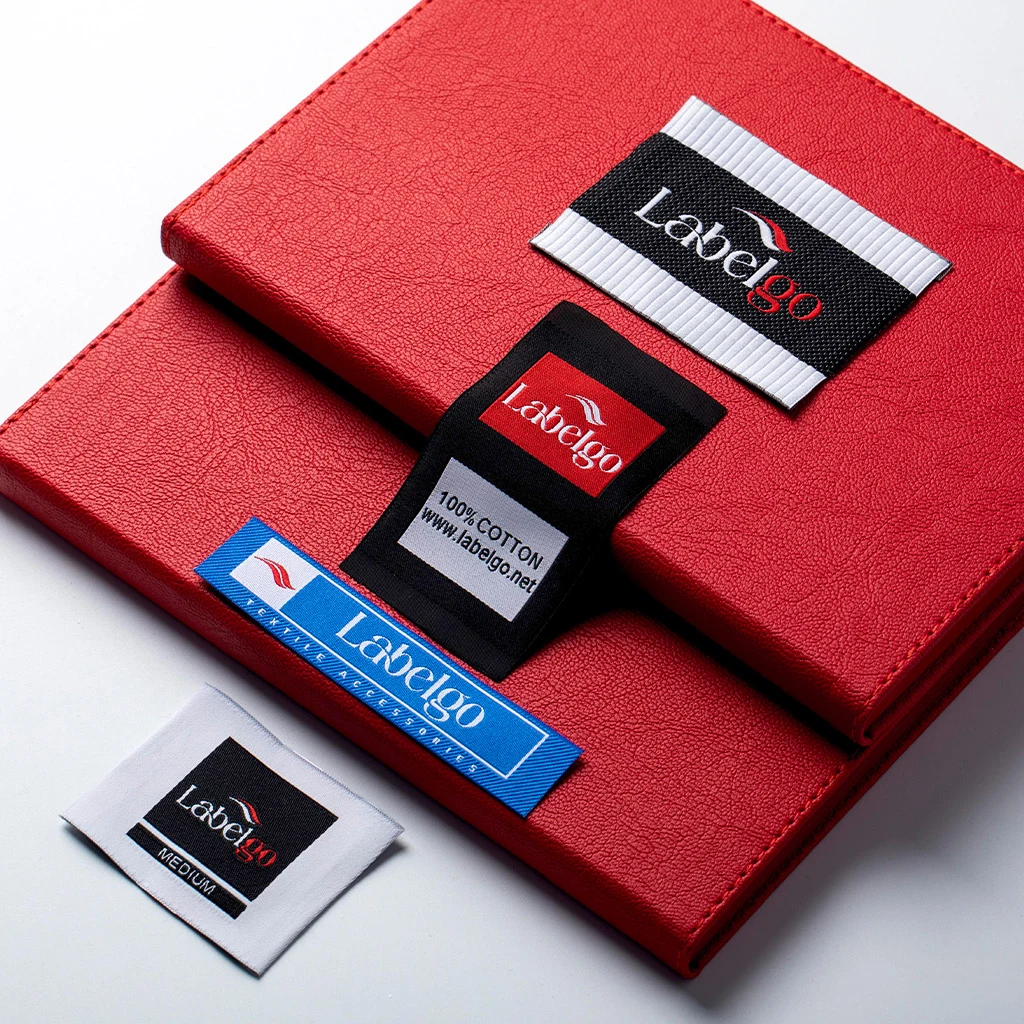
At the heart of this discussion lies the technical prowess required to seamlessly integrate these tags into the manufacturing process without compromising on quality or efficiency. The precision needed for aligning looms, selecting appropriate yarns, and ensuring material metrics meet stringent standards is paramount. This introduction aims to delve deep into how textile apparel labels are engineered to not only survive but thrive in the rigorous environment of textile production.
Upload your own logo or artwork, choose dimensions & materials, and review your live digital preview before ordering. (LabelGo label catalog).
Configure Your Label Online Now →The fashion industry’s reliance on visual branding has grown exponentially over the past decade, with brands increasingly focusing on creating a cohesive and recognizable identity across all product lines. Custom logo tags play an integral role in this strategy by providing a consistent touchpoint for consumers to associate with the brand. This consistency is crucial as it reinforces brand loyalty and trust among customers.
Moreover, custom logo tags are not just about branding; they also serve practical purposes such as indicating care instructions, material composition, and sizing information. These details can significantly influence consumer behavior by providing transparency and reassurance regarding product quality and maintenance. For manufacturers, integrating these elements requires a meticulous approach to ensure that the final product meets both aesthetic and functional standards.
As we explore this topic further, it becomes evident that the engineering behind custom logo tags is as complex as it is crucial. From selecting the right yarns that can withstand repeated washing cycles to ensuring the durability of the material used in the tags themselves, every aspect must be carefully considered. This level of detail ensures that these small but significant elements do not compromise the integrity or longevity of the garments they adorn.
The impact of custom logo tags extends beyond mere branding; it influences consumer perception and ultimately drives sales. A well-designed tag can elevate a product’s perceived value, making it stand out on crowded retail shelves. This is particularly important in an industry where competition is fierce and differentiation is key to success. For those looking to enhance their brand’s visibility and customer appeal, investing in high-quality Custom Clothing Tags can be a strategic move that pays dividends in the long run.
The technical challenges involved in creating these tags are numerous but surmountable with the right expertise and resources. From mastering the loom settings to selecting yarns that complement both the tag design and the fabric of the garment, every step requires precision and attention to detail. This ensures not only a visually appealing result but also a product that meets the rigorous standards set by today’s discerning consumers.
By understanding the technical nuances involved in creating custom logo tags, manufacturers can better appreciate the value these elements bring to their products. From enhancing brand recognition to providing essential information, custom logo tags are an indispensable part of modern textile manufacturing. As we delve deeper into this topic, it becomes clear that the engineering behind these small but impactful components is as critical as any other aspect of garment production.
Table of Contents
Understanding the Basics of Custom Logo Tags
Creating a custom logo tag is more than just adding your brand’s insignia to a product; it’s about crafting an identity that resonates with consumers and stands out in the competitive marketplace. Whether you’re launching a new line or enhancing existing products, understanding the principles behind custom logo tags can elevate your brand’s presence.How is quality assured for custom labels orders?
When planning Custom Logo Tags specifications, critical technical parameters such as fabric composition, seam allowances, and yarn density must be carefully calculated. High-density weaving and premium printing ensure that even the finest typographic details remain sharp and perfectly legible throughout repeated laundering cycles. Working from approved digital proofs and pre-production samples provides the highest level of brand consistency across bulk production batches.
The following table compares material, print or weave quality, use case, and production process for textile label manufacturing.
| Criterion | Best use | Check question | Quality expectation |
|---|---|---|---|
| Custom Logo Tags | Brand, apparel, and accessory products. | Which information must appear on the product? | Clear, readable, and brand-consistent. |
| Woven label | Premium clothing, outerwear, and accessories. | Are thread detail and wash resistance strong? | Dense weave, clean edge, long life. |
| Printed label | Color logos, care data, and fast production. | Are colors accurate and readable? | Sharp print, flexible base, stable color. |
| Care / size label | Washing instructions, size, origin information. | Are symbols and languages clear? | High readability in a small space. |
| Hang tag / patch label | Retail display, collections, brand story. | Does material improve product perception? | Durable stock, clean cut, quality workmanship. |
Production Quality, Minimum Order Quantity, Cost, and Delivery
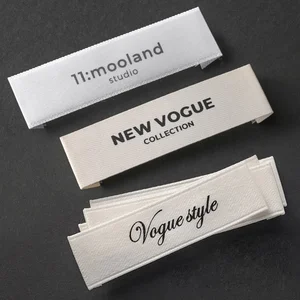
Comprehensive quality control evaluations verify color fastness, wash durability, and skin-contact softness. Manufactured in accordance with ISO textile standards, Custom Logo Tags solutions maintain their original shape and color vibrancy throughout the garment s lifecycle. LabelGo ensures dependable, consistent manufacturing results through digital PDF proofing and sample approval protocols.
Practical checks
Production Quality, Minimum Order Quantity, Cost, and Delivery should be reviewed through product use, brand presentation, and durability requirements. For Custom Logo Tags, the right choice depends on visual quality, wash resistance, contact with the garment, and how the label will perform during daily use.
Quality control and material selection
The choice between woven labels, printed labels, care labels, size labels, and hang tags depends on material, readability, and product positioning. Before production, size, color, base material, fold style, and sewing area should be confirmed.
Pre-order checklist
In Custom Logo Tags manufacturing, this stage governs critical engineering parameters that define product durability, brand prestige, and wearer comfort. Accurately configuring yarn fiber density, material composition, and seam allowance tolerances guarantees impeccable consistency across bulk production batches.
Technical Specifications and Material Standards
Within commercial textile production, yarn composition and loom calibration directly determine label longevity. High-density weaving or HD precision printing ensures that intricate typography and logos remain perfectly legible while offering maximum resistance against mechanical friction.
Quality Assurance and Wash Durability
Conducted in strict compliance with ISO 3758 textile standards, rigorous evaluations test color fastness, 60°C laundering endurance, and edge fraying resistance. Pre-production PDF proofing eliminates potential layout discrepancies prior to loom setup.
When planning Custom Logo Tags specifications, critical technical parameters such as fabric composition, seam allowances, and yarn density must be carefully calculated. High-density weaving and premium printing ensure that even the finest typographic details remain sharp and perfectly legible throughout repeated laundering cycles. Working from approved digital proofs and pre-production samples provides the highest level of brand consistency across bulk production batches.
Delivery and reorder planning
In Custom Logo Tags manufacturing, this stage plays a critical role in defining visual elegance, brand identity, and overall product longevity. High-density weave or print execution, accurate sizing, and fine yarn selection ensure that logos and text remain crisp and highly legible. Establishing precise seam margins and edge folding styles prior to production eliminates potential manufacturing discrepancies in bulk orders.
Comprehensive quality control evaluations verify color fastness, wash durability, and skin-contact softness. Manufactured in accordance with ISO textile standards, Custom Logo Tags solutions maintain their original shape and color vibrancy throughout the garment s lifecycle. LabelGo ensures dependable, consistent manufacturing results through digital PDF proofing and sample approval protocols.
Ultrasonic Cutting and Skin-Soft Edge Finishing
In modern apparel manufacturing, edge finishing directly dictates tactile comfort and wearer satisfaction. Traditional mechanical cold cutting often leaves sharp, abrasive corners that cause itching and irritation against sensitive skin. By contrast, ultrasonic heat-sealing utilizes high-frequency acoustic vibrations to melt and bond polyester ribbon edges simultaneously, producing an ultra-soft border that resists fraying across repeated laundering cycles.
For babywear, underwear, and luxury tailoring collections, pairing ultrasonic cut borders with 100% skin-safe OEKO-TEX certified yarns ensures complete compliance with global apparel standards. Pre-production sampling guarantees that edge smoothness meets demanding retail quality audits.
Pantone TCX Color Matching and High-Density Typography
Maintaining brand identity requires precise color formulation across every label batch. Textile dye formulas are matched against standardized Pantone Fashion, Home + Interiors (TCX) swatches to ensure zero deviation between digital CAD proofs and physical woven ribbons. High-density damask looms utilize extra-fine warp threads (up to 80 picks per centimeter) to reproduce intricate vector artwork with microscopic fidelity.
Small lettering, registered trademarks (®), and fine care symbols must maintain at least 0.8mm legibility to meet international trade guidelines. Thorough digital PDF proofing allows designers to verify typographic kerning and line weights prior to loom setup.
ISO 3758 Care Symbol Accuracy and Mandatory Markings
According to international textile labeling regulations, clothing intended for retail must provide accurate washing, bleaching, drying, and ironing instructions. Standardized ISO 3758 care symbols must be laid out in the mandatory sequence (Wash, Bleach, Dry, Iron, Professional Clean) alongside definitive fiber composition percentages (e.g., 95% Organic Cotton, 5% Elastane).
Including country of origin ('Made in USA') and registered identification numbers prevents legal customs hold-ups during international export. Clear label architecture ensures buyers can care for garments properly, prolonging clothing lifespan and minimizing return rates.
Minimum Order Quantities, Batch Sizing, and Logistics Planning
Emerging fashion designers and boutique streetwear brands often struggle with excessive factory minimums. Working with an agile direct manufacturer offering flexible 250-piece minimum order quantities (MOQs) enables brands to launch seasonal capsule collections without carrying surplus stock or tying up working capital.
As production scales, tiered batch pricing unlocks substantial economies of scale for orders spanning 5,000 to 100,000 units. Reliable 3 to 5 business day manufacturing turnaround coupled with express courier dispatch guarantees that labels arrive on schedule for sewing deadlines.
LabelGo manufacturing includes sample proofing, color matching, and wash-durability checks before final dispatch.
Selecting the right Custom Logo Tags involves evaluating fabric composition, wash frequency, skin-contact softness, and overall brand positioning. High-density woven labels provide a premium look for primary brand logos, while printed satin and cotton ribbons offer excellent clarity for wash care instructions. Confirming fold style and seam margins prior to production ensures flawless bulk manufacturing.
For comprehensive technical insights on textile fiber standards and ISO labeling compliance, you can review Wikipedia Textile Labeling Standards and Industry Search on Google.
6 Essential Tips & Standards for Custom Logo Tags
When selecting and manufacturing Custom Logo Tags, these 6 essential quality standards, material choices, edge sealing techniques, and compliance rules dictate long-term durability and brand value:
1. Textile Ribbon Printing Techniques & Ink Resolution
As an essential technical consideration, printed label production for Custom Logo Tags utilizes chemically resilient micro-pigment textile inks tailored to fabric ribbon bases. Screen printing delivers opaque color layers, whereas thermal transfer printing excels for micro-fine care symbols. Thermally cured textile inks guarantee high wash fastness up to 60°C commercial wash cycles.
2. Substrate Material Selection for Garment Labels
From an industrial manufacturing perspective, selecting the tape material dictates skin comfort and brand aesthetic. Silky polyester satin offers a smooth texture soft against sensitive skin. Natural 100% organic cotton tape delivers an authentic matte feel preferred by eco-conscious fashion lines. Polyester taffeta provides a durable base for wash care instructions.
3. Ultrasonic Heat-Sealed Edges (Zero Fraying)
According to textile industry best practices, printed fabric ribbons require thermally sealed edges to prevent fraying during laundering. Precision ultrasonic thermal edge slitting fuses ribbon edge fibers micro-mechanically, creating smooth border contours. This process eliminates neck scratching and irritation completely.
4. Standardized ISO 3758 Wash Icons & Regulatory Compliance
In high-end garment collection standards, printed labels must display standardized ISO 3758 washing, drying, and ironing icons clearly. Mandatory legal markings include exact fiber content percentages and country-of-origin (Made In) declarations.
5. Colorfastness and 60°C Industrial Wash Durability
As an essential technical consideration, textile inks undergo high-temperature heat curing immediately after printing. This polymerization fixes ink pigments deeply into ribbon fibers, resisting chemical detergents up to 60°C. Printed graphics stay sharp without bleeding or fading over repeated wash cycles.
6. Pantone Matching Standards for Crisp Graphic Production
From an industrial manufacturing perspective, ink formulation matches Pantone TCX and PMS color standards precisely to maintain brand identity. Artwork files must be submitted in vector formats (.AI/.PDF) with minimum 0.15mm line weights.
Conclusion: Maximizing Brand Equity Through Custom Logo Tags
In the fast-moving modern apparel industry, authentic brand distinction is built upon consistent attention to interior detail. Custom Logo Tags serves as the ultimate tactile proof of garment craftsmanship, connecting design intent with customer perception. By prioritizing calibrated loom densities, gentle edge finishes, and ergonomic folds, clothing brands can substantially enhance perceived garment value.
Looking ahead, the growing emphasis on sustainable sourcing, legal compliance, and skin-contact softness will continue to redefine garment manufacturing standards. Working directly with specialized production facilities eliminates intermediary friction, ensuring verifiable lead times and exact Pantone fidelity.
Elevate your apparel collection today by investing in custom labels engineered for durability, elegance, and tactile distinction. Start designing your bespoke trims and give your clothing the premium finish it deserves.
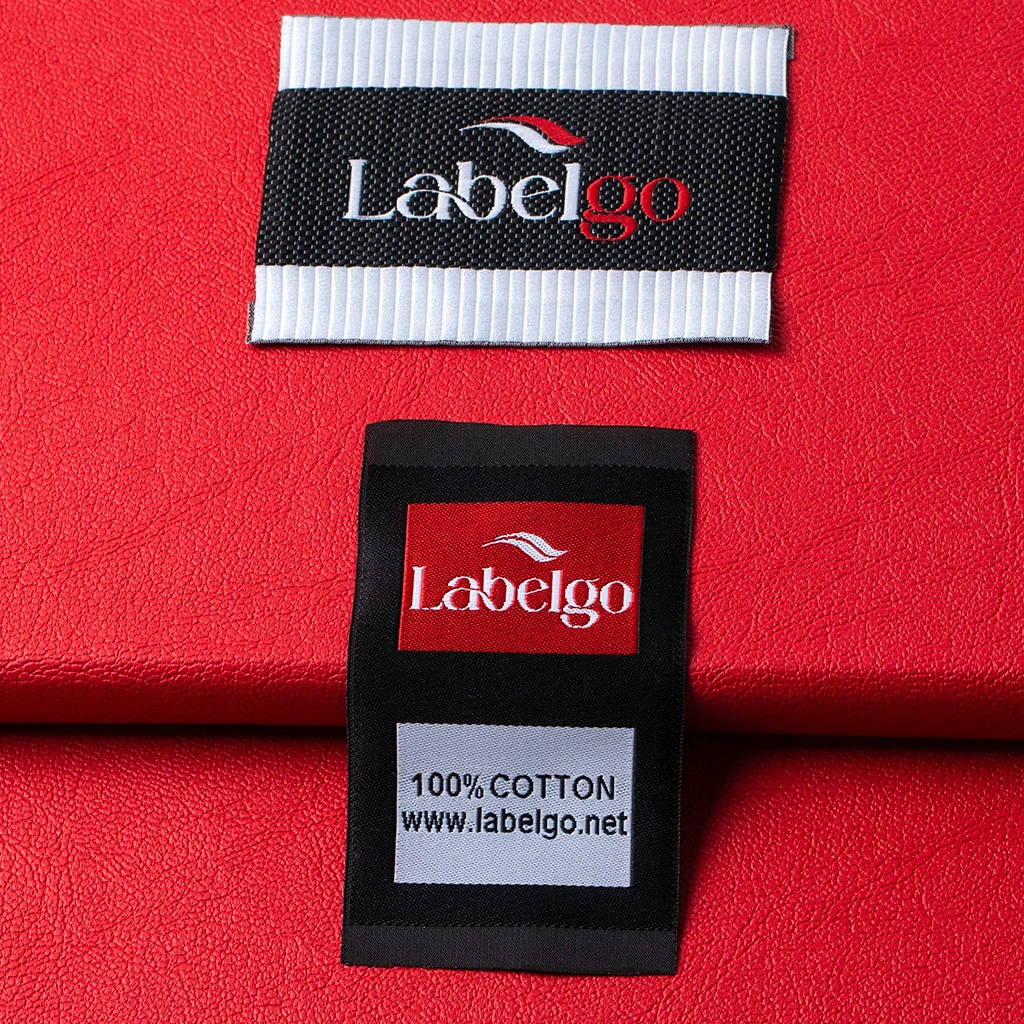
The LabelGo Standard: High-Density Weaving, HD Printing & Global Fulfillment
Fusing traditional Jacquard craftsmanship with modern digital convenience, LabelGo brings over 3 decades of textile manufacturing excellence directly to your design studio. Our intuitive online configurator allows apparel creators to customize dimensions, fold styles, and Pantone TCX thread codes with ease. Whether producing Custom Logo Tags or full garment trim packages, high-speed automated weaving looms and precision thermal transfer lines reproduce micro-fine lettering and complex vector graphics with razor-sharp fidelity.
Hypoallergenic and environmentally responsible, our raw fibers undergo comprehensive toxicological screening to meet international safety and environmental directives. Ultra-smooth ultrasonic heat cutting seals every edge without abrasive burrs, ensuring optimal drape and next-to-skin comfort. Backed by accessible 250-piece low MOQ tiers, fashion founders enjoy global 5–7 business day expedited shipping and responsive guidance from seasoned label specialists.