
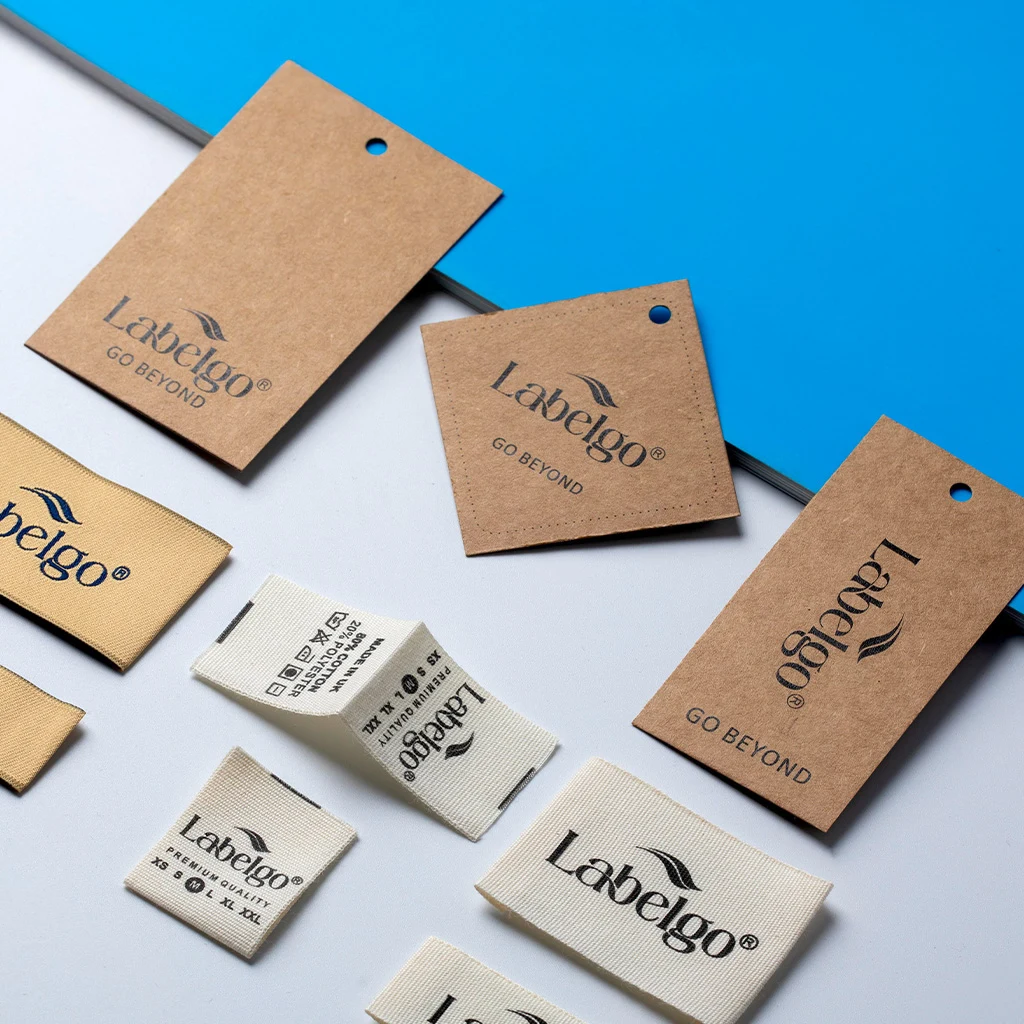
Upload your own logo or artwork, choose dimensions & materials, and review your live digital preview before ordering. (LabelGo label catalog).
Configure Your Label Online Now →For fashion labels aiming to stand out in today’s crowded market, custom garment labels offer a unique opportunity to reinforce brand identity and elevate product value. These tags are more than just labels; they are extensions of your company’s ethos and craftsmanship. From the choice of materials and printing techniques to the design elements that reflect your brand’s aesthetic, every detail matters.
Take, for example, high-end fashion brands like Gucci or Louis Vuitton. Their bespoke clothing tags are as recognizable as their logos, instantly conveying luxury and exclusivity. This is no coincidence; it’s a strategic decision to ensure that even the smallest details align with their brand image and customer expectations.
The impact of textile apparel labels extends beyond just branding. They play a crucial role in product differentiation and can significantly influence purchasing decisions. A well-designed tag can make a product feel more valuable, encouraging customers to perceive it as higher quality and worth the investment. This is particularly important in an industry where consumers are increasingly seeking authenticity and uniqueness.
Moreover, woven brand labels provide essential information such as care instructions, size guides, and material composition, which help build trust with your customer base. When this information is presented in a visually appealing and consistent manner, it reinforces the idea that your brand cares about both its products and its customers.
In an industry where trends change rapidly, custom garment labels offer a way to maintain consistency across all product lines. They can be used to introduce new collections, highlight special editions, or even promote sustainability efforts—making them a versatile tool in any fashion label’s marketing arsenal.
For those looking to explore the potential of bespoke clothing tags further, Custom Clothing Tags offers a comprehensive range of options tailored to meet specific brand needs. Whether you’re seeking eco-friendly materials or cutting-edge printing technologies, there’s an option that can elevate your product presentation and enhance customer experience.
The importance of textile apparel labels cannot be overstated in the fashion industry. They are not just accessories but powerful tools for building brand identity, enhancing product value, and fostering consumer loyalty. As you consider ways to strengthen your brand’s presence in the market, investing in high-quality woven brand labels should be a top priority.
Table of Contents
The Role of Custom Hang Tags in Branding
In Custom Hang Tags manufacturing, this stage plays a critical role in defining visual elegance, brand identity, and overall product longevity. High-density weave or print execution, accurate sizing, and fine yarn selection ensure that logos and text remain crisp and highly legible. Establishing precise seam margins and edge folding styles prior to production eliminates potential manufacturing discrepancies in bulk orders.
Comprehensive quality control evaluations verify color fastness, wash durability, and skin-contact softness. Manufactured in accordance with ISO textile standards, Custom Hang Tags solutions maintain their original shape and color vibrancy throughout the garment s lifecycle. LabelGo ensures dependable, consistent manufacturing results through digital PDF proofing and sample approval protocols.
Understanding the Impact on Consumer Perception
Custom hang tags are not just accessories; they’re powerful tools for enhancing brand identity and consumer perception. These small but impactful elements can significantly influence how customers view a product and, by extension, the entire brand. A well-designed custom hang tag can communicate quality, craftsmanship, and exclusivity, all of which contribute to building a strong emotional connection with consumers.The design of a hang tag should align seamlessly with the overall branding strategy. From color schemes and typography to imagery and messaging, every detail matters. For instance, using high-quality materials like matte soft-touch lamination, gloss varnish, debossing, or brass eyelets can elevate the perceived value of a product. These finishing options not only enhance aesthetics but also provide tactile feedback that reinforces the brand’s premium positioning.Case Studies: Brands That Mastered Customization
Several brands have successfully leveraged custom hang tags to reinforce their identities and engage consumers more effectively. For example, luxury fashion houses like Custom Clothing Tags often use intricate designs with metallic finishes or embossed logos that reflect the brand’s heritage and craftsmanship. These tags serve as a tangible reminder of the brand’s commitment to quality, even after the product has left the store.Another notable example is the outdoor apparel company Patagonia, which uses hang tags to communicate its environmental ethos. Their tags often feature messages about sustainability and ethical sourcing, aligning with their broader mission to minimize environmental impact. This approach not only resonates with eco-conscious consumers but also reinforces the brand’s commitment to responsible practices.In both cases, custom hang tags play a pivotal role in extending the brand experience beyond the product itself. They serve as miniature billboards that carry the brand’s message and values directly to the consumer, fostering loyalty and trust over time. By investing in thoughtful customization, brands can create lasting impressions that go far beyond the initial purchase.By focusing on these elements, brands can ensure their hang tags are more than just informational—they become powerful tools for building a strong, recognizable identity that resonates with consumers at every touchpoint.Designing Your Custom Hang Tag
The following table compares material, print or weave quality, use case, and production process for textile label manufacturing.
| Criterion | Best use | Check question | Quality expectation |
|---|---|---|---|
| Custom Hang Tags | Brand, apparel, and accessory products. | Which information must appear on the product? | Clear, readable, and brand-consistent. |
| Woven label | Premium clothing, outerwear, and accessories. | Are thread detail and wash resistance strong? | Dense weave, clean edge, long life. |
| Printed label | Color logos, care data, and fast production. | Are colors accurate and readable? | Sharp print, flexible base, stable color. |
| Care / size label | Washing instructions, size, origin information. | Are symbols and languages clear? | High readability in a small space. |
| Hang tag / patch label | Retail display, collections, brand story. | Does material improve product perception? | Durable stock, clean cut, quality workmanship. |
Key Design Elements for Brand Consistency
When designing a custom hang tag, it’s crucial to maintain consistency with your brand’s visual identity. This includes using consistent fonts, colors, and imagery that align with your overall branding strategy. For instance, if your brand is known for its minimalist aesthetic, the hang tag should reflect simplicity without sacrificing clarity or elegance.Typography plays a significant role in this process. Choose fonts that are legible yet distinctive—this ensures that information such as care instructions, size details, and material composition can be easily read by consumers. Additionally, consider incorporating your logo prominently to reinforce brand recognition. This is particularly important if you’re targeting a market where visual cues are critical for consumer decision-making.Materials and Printing Techniques
The choice of materials and printing techniques for your hang tag can significantly impact both the durability and environmental footprint of your product. Opting for eco-friendly materials like recycled paper or biodegradable plastics not only aligns with sustainability goals but also appeals to environmentally conscious consumers.In terms of printing, there are several options available that offer different levels of quality and cost-effectiveness. Digital printing is a popular choice due to its flexibility and relatively low setup costs, making it ideal for smaller production runs. On the other hand, offset printing provides higher resolution and consistency, which might be preferable for larger orders or more intricate designs.To ensure compliance with legal requirements and industry standards, tools like Care Label Studio can streamline the process of selecting appropriate wash symbols, disclosing fiber content, and grading sizes accurately. This not only helps in avoiding potential legal issues but also ensures that your hang tags are informative and user-friendly.For further insights into customizing brand tags for clothing, you might want to explore Custom Brand Tags For Clothing. This resource provides detailed guidance on how to create impactful and consistent branding elements that resonate with your target audience.By carefully considering these design elements and production techniques, you can craft hang tags that not only enhance the visual appeal of your products but also reinforce your brand’s identity and values.Custom Hang Tags: Beyond Aesthetics
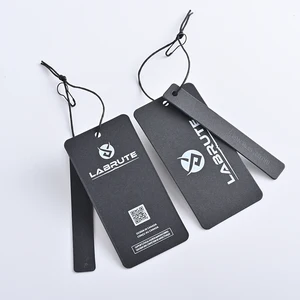
Educational Content for Customers
Custom hang tags are an excellent medium to educate consumers about your products, materials, and manufacturing processes. By providing detailed information on these tags, you not only build trust but also empower your customers with knowledge that can influence their purchasing decisions. For instance, if a garment is made from organic cotton or recycled fibers, highlighting this on the hang tag can resonate deeply with eco-conscious consumers.Moreover, educational content can include care instructions that extend the life of garments, reducing waste and promoting sustainability. This dual benefit not only enhances customer satisfaction but also aligns with broader environmental goals. To maximize impact, consider using clear, concise language and perhaps even infographics to convey information effectively on your hang tags.Sustainability Practices in Tag Production
Sustainability is no longer a niche concern; it’s an essential aspect of modern manufacturing practices. When producing custom hang tags, focusing on sustainable materials and processes can significantly reduce environmental impact. For example, using recycled paper or biodegradable plastics for tag production helps minimize waste.Additionally, the finishing options available for hang tags offer further opportunities to enhance sustainability. Finishing options include matte soft-touch lamination, gloss varnish, debossing, and brass eyelets. These finishes not only add a touch of elegance but can also be chosen based on their environmental impact. For instance, opting for water-based inks over solvent-based ones can reduce the carbon footprint.Furthermore, integrating sustainable practices into your hang tag production process involves considering the entire lifecycle of these tags—from sourcing materials to disposal. By choosing suppliers who adhere to ethical and eco-friendly standards, you ensure that every aspect of the product aligns with your brand’s values.Custom Logo Tags
Incorporating custom logo tags (Custom Logo Tags) into your hang tag design can further reinforce your brand identity. These tags serve as a constant reminder of your brand’s values and commitment to quality, whether they’re attached to a high-end garment or a casual piece.By leveraging custom logo tags, you create a cohesive branding experience that extends beyond the product itself. This consistency in messaging helps build strong customer relationships and fosters loyalty over time. Whether through subtle design elements or bold statements, these tags can become powerful tools for brand recognition and engagement.In conclusion, custom hang tags offer more than just aesthetic appeal; they are essential components of your branding strategy that can educate customers and promote sustainable practices. By carefully considering the content and production methods of your hang tags, you can enhance both customer satisfaction and environmental responsibility.Integrating Custom Hang Tags into Marketing Strategies
In the previous section, we explored how custom hang tags can enhance brand identity and product differentiation. Now, let’s delve deeper into specific strategies for integrating these tags into broader marketing efforts.Leveraging Social Media to Showcase Your Tags
Social media platforms offer a powerful avenue for showcasing your custom hang tags, allowing you to engage directly with consumers and build a strong online presence. When sharing images or videos of your products on Instagram, Facebook, or Pinterest, make sure the hang tag is prominently featured. This not only highlights the craftsmanship and attention to detail but also serves as a subtle branding opportunity.To maximize impact, consider creating themed posts around your hang tags. For instance, you could launch a series called “Tag Tuesday” where each week you highlight a different product with its unique hang tag design. Use high-resolution images that capture the texture and finish of the tag, emphasizing details like matte soft-touch lamination or brass eyelets. This visual storytelling can help create an emotional connection between your brand and consumers.In-Store Display Techniques
In-store displays are crucial for creating a memorable shopping experience and driving sales. Custom hang tags play a vital role in this process, serving as tangible extensions of your brand that customers can touch and feel. To effectively integrate these tags into your store layout, consider the following techniques:- Product Groupings: Arrange products with similar tag designs together to create visually cohesive sections within your store. This not only enhances the aesthetic appeal but also makes it easier for shoppers to identify items that align with their style preferences.
- Interactive Displays: Incorporate interactive elements such as touch screens or QR codes on hang tags that link to additional product information, styling tips, or customer reviews. This can significantly enhance the shopping experience and provide valuable insights into consumer behavi.
Legal Considerations for Custom Hang Tags
As we delve into the intricacies of creating and implementing custom hang tags, it’s essential to navigate the legal landscape with precision. This section will focus on two critical areas: compliance with Federal Trade Commission (FTC) regulations and intellectual property protection.Compliance with Federal Trade Commission (FTC) Regulations
When designing custom hang tags for your products, adherence to FTC guidelines is paramount. The FTC enforces a variety of consumer protection laws that ensure transparency in product labeling and marketing. One key area is the Textile Products Identification Act, which mandates that all textile products must be labeled with information about their fiber content. This includes not only the main fabric but also any trim or accessories attached to the garment.To comply with these regulations, hang tags should clearly state the percentage of each fiber used in the product. For example, if a shirt is made from 60% cotton and 40% polyester, this information must be prominently displayed on the tag. Additionally, the country of origin for the textile goods must also be disclosed.Another important aspect to consider is the FTC’s Green Guides, which provide guidance on environmental marketing claims. If your hang tags make any eco-friendly assertions about the product—such as being made from organic materials or recycled content—you need to ensure these claims are substantiated and not misleading. Misleading claims can result in hefty fines and damage to brand reputation.Intellectual Property Protection
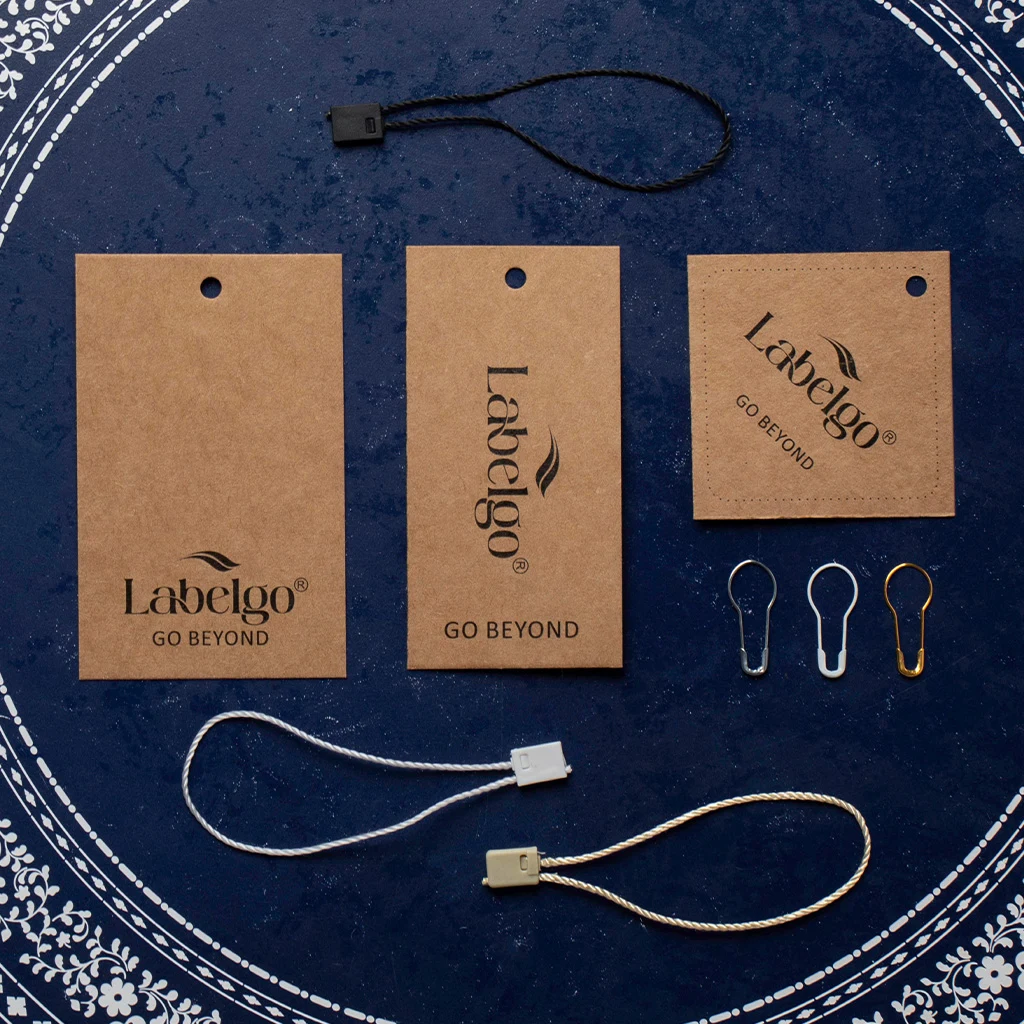
Protecting intellectual property rights is another crucial legal consideration when it comes to custom hang tags. Hang tags often feature logos, trademarks, or other proprietary designs that need to be safeguarded from unauthorized use. To ensure your branding remains protected, you should register any unique elements of the hang tag design with the appropriate authorities.Trademark registration can help prevent others from using similar marks that might confuse consumers about the origin of a product. Additionally, if your hang tags include original artwork or designs, copyright protection is essential. Registering these creative works with the U.S. Copyright Office will provide legal backing should you need to enforce your rights against infringers.Moreover, it’s important to consider the materials used in the production of hang tags. For instance, “Cords are available in organic cotton, waxed twine, or custom molded plastic seal tags.” Each material choice can impact both compliance and intellectual property considerations. Organic cotton cords, for example, might require additional labeling to meet FTC guidelines on eco-friendly claims.By carefully navigating these legal aspects, you can ensure that your custom hang tags not only enhance the aesthetic appeal of your products but also comply with all necessary regulations and protect your brand’s unique identity.Future Trends in Custom Hang Tags
As the fashion industry continues to evolve, custom hang tags are becoming more than just simple labels—they’re transforming into interactive and sustainable tools that enhance consumer engagement and brand loyalty. This shift is driven by both technological advancements and a growing emphasis on environmental responsibility.Innovative Technologies for Enhanced Interaction
The integration of innovative technologies in custom hang tags is revolutionizing how brands interact with their customers. One such technology is near-field communication (NFC), which allows consumers to access detailed product information, care instructions, and even exclusive content by simply tapping their smartphones on the tag. This not only enhances the shopping experience but also provides a direct channel for brands to communicate directly with their audience.Another emerging trend is the use of QR codes. These can be scanned to reveal additional details about the product’s origin, materials, and manufacturing process. QR codes are particularly effective in promoting transparency and building trust among consumers who value ethical sourcing and sustainable practices. For instance, a QR code on a hang tag might lead customers to a dedicated webpage that showcases the brand’s commitment to sustainability, from using organic fabrics to reducing carbon footprints.Emerging Materials for Sustainable Practices
Sustainability is no longer just a buzzword; it’s becoming a core component of fashion industry practices. Custom hang tags are evolving to reflect this shift by utilizing eco-friendly materials and production methods. Brands are increasingly opting for biodegradable plastics, which decompose naturally without harming the environment, as opposed to traditional petroleum-based plastics that can take hundreds of years to break down.Moreover, there is a growing trend towards using recycled paper. This not only reduces waste but also aligns with consumer preferences for environmentally conscious products. Recycled paper hang tags are durable and can be printed with high-quality graphics, making them an attractive option for brands looking to maintain their aesthetic standards while promoting sustainability.The back panel of these eco-friendly hang tags provides ample room for retail barcodes, price points, and brand sustainability commitments. This ensures that all necessary information is easily accessible without compromising on the tag’s environmental credentials. By adopting such materials and practices, fashion labels can not only reduce their ecological footprint but also appeal to a growing segment of consumers who prioritize ethical consumption.In conclusion, custom hang tags are evolving into multifaceted tools that combine advanced technology with sustainable materials to create a more engaging and responsible shopping experience. As the industry continues to innovate, these trends will likely play an increasingly significant role in shaping how brands connect with their customers and promote their values.Selecting the right Custom Hang Tags involves evaluating fabric composition, wash frequency, skin-contact softness, and overall brand positioning. High-density woven labels provide a premium look for primary brand logos, while printed satin and cotton ribbons offer excellent clarity for wash care instructions. Confirming fold style and seam margins prior to production ensures flawless bulk manufacturing.
For comprehensive technical insights on textile fiber standards and ISO labeling compliance, you can review Wikipedia Textile Labeling Standards and Industry Search on Google.
5 Essential Tips & Standards for Custom Hang Tags
When selecting and manufacturing Custom Hang Tags, these 5 essential quality standards, material choices, edge sealing techniques, and compliance rules dictate long-term durability and brand value:
1. Cardstock Weight & Rigidity (350gsm – 700gsm)
From an industrial manufacturing perspective, specifying 350gsm to 700gsm premium coated art card, kraft, or duplex board ensures durable tactile presentation for Custom Hang Tags.
2. Lamination Finishes (Matte vs Soft-Touch Velvet)
During precision production and quality assurance, velvet soft-touch and anti-scratch matte lamination shield hang tags against scuffing while delivering a luxurious unboxing feel.
3. Specialty Embellishments (Hot Foil & Spot UV)
As an essential technical consideration, metallic gold, silver, or copper foil stamping combined with raised Spot UV delivers high-contrast visual distinction.
4. Metal Eyelet Reinforcement
From an industrial manufacturing perspective, installing brass or black metal eyelets reinforces the punched hole, preventing cord tear-out during high-traffic retail handling.
5. Attachment Cords & Seals (Waxed Cotton, Ribbon)
During precision production and quality assurance, selecting custom branded string locks, waxed cotton cords, or satin ribbons creates a polished link between garment and tag.
Conclusion: The Future of Custom Hang Tags and Sustainable Fashion
The world of fashion is continually evolving, driven not only by trends but also by the increasing demand for sustainability and innovation. As we’ve explored in this article, custom hang tags are more than just a branding tool; they’re a gateway to a smarter, more sustainable future.
At the heart of this evolution lies the integration of RFID technology into hang tags. This advancement not only enhances inventory management but also provides consumers with unprecedented transparency about their purchases. Imagine walking into a store and being able to scan your favorite piece of clothing to learn its entire journey from raw material to finished product. The potential for consumer trust and brand loyalty is immense.
Moreover, the push towards sustainability in fashion has never been more critical. As consumers become increasingly aware of environmental impacts, brands that prioritize eco-friendly practices will stand out. Custom hang tags offer a platform to communicate these efforts clearly and effectively. From using recycled materials to reducing waste through digital printing techniques, every detail counts.
The future of custom hang tags is bright, but it’s also complex. Brands must navigate the balance between innovation and tradition, ensuring that their labels not only meet technological standards but also resonate with consumers on an emotional level. Each detail directly affects the quality and durability of the final product.
Looking ahead, we envision a world where custom hang tags are more than just accessories—they become essential components of the fashion ecosystem. They will serve as digital passports for garments, connecting brands with consumers in new and meaningful ways. From tracking provenance to providing care instructions, these labels will be at the forefront of redefining how we interact with our clothing.
As industry leaders, it’s imperative that we embrace this future with open arms. Let us not only innovate but also inspire others to follow suit. The path forward is clear: sustainable practices, smart technology, and a commitment to transparency will be the hallmarks of brands that thrive in the years to come.
Ultimately, custom hang tags are more than just labels—they’re storytellers. They have the power to weave compelling narratives about our clothes, connecting us with their origins and the people behind them. As we move forward, let’s remember that every tag tells a story—one that can inspire change, foster trust, and ultimately shape the future of fashion.
🔗 Related Garment Labeling Resources & Products
When planning Custom Hang Tags specifications, critical technical parameters such as fabric composition, seam allowances, and yarn density must be carefully calculated. High-density weaving and premium printing ensure that even the finest typographic details remain sharp and perfectly legible throughout repeated laundering cycles. Working from approved digital proofs and pre-production samples provides the highest level of brand consistency across bulk production batches.
Explore these related product guides and manufacturing pages to plan a cohesive apparel branding package:
About LabelGo: 30+ Years of Textile Label Manufacturing Excellence
Committed to uncompromising textile safety, LabelGo crafts labels using OEKO-TEX® Standard 100 Class 1 certified, skin-safe yarns and precision ultrasonic heat-sealed edging that completely eliminates neck scratching. With an accessible minimum order quantity of just 250 pieces (MOQ) alongside industrial capacity for high-volume production, LabelGo provides fast 5–7 business day express worldwide shipping and dedicated 24/7 technical support for fashion brands worldwide.