
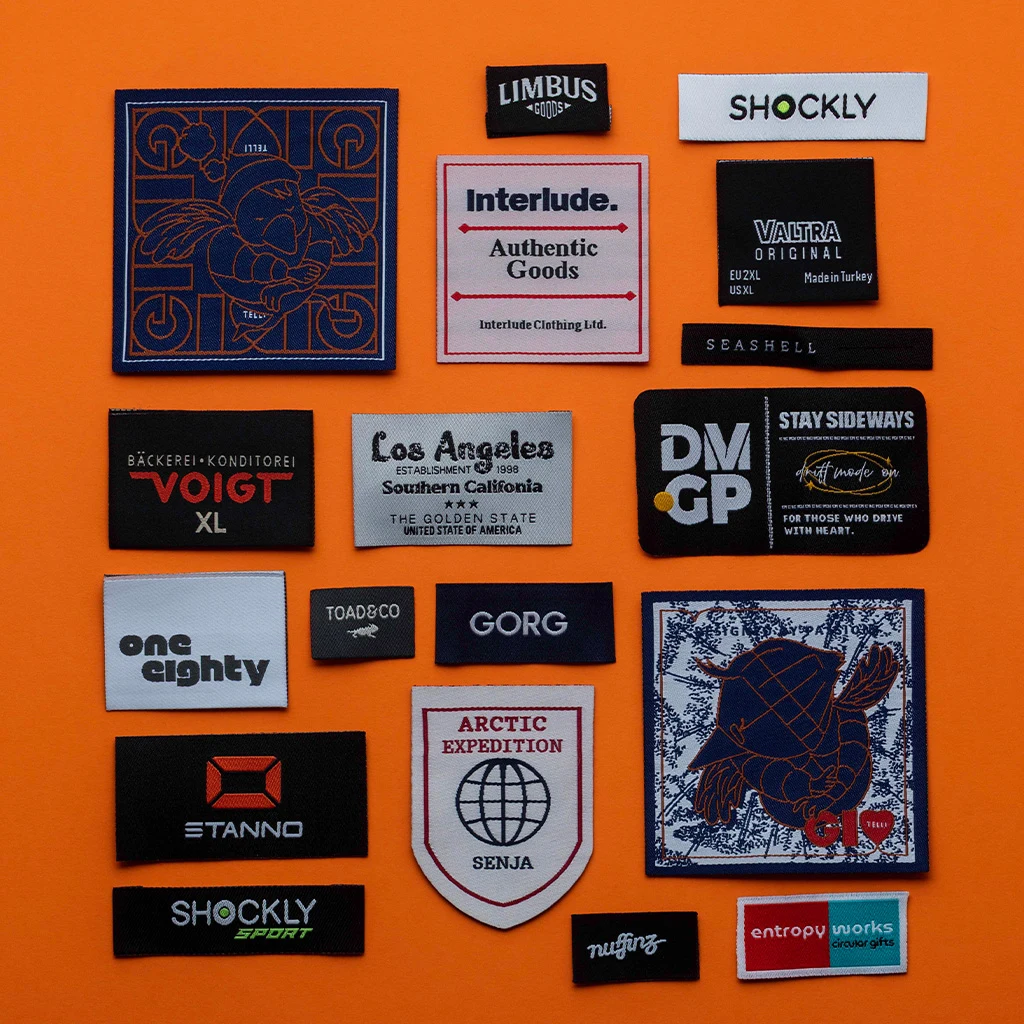
Custom garment tags are not just accessories for your clothing; they’re the linchpin that holds together a brand’s story and its market presence. In an era where authenticity and transparency reign supreme, these labels serve as tangible proof of craftsmanship and care. They can elevate a simple t-shirt to a coveted piece or tarnish the reputation of even the most high-end designer collection if overlooked.
Upload your own logo or artwork, choose dimensions & materials, and review your live digital preview before ordering. (LabelGo label catalog).
Configure Your Label Online Now →The fashion industry has always been about more than just clothes; it’s a dynamic ecosystem where every element—from fabric choice to packaging—contributes to the overall brand experience. Custom garment tags play a pivotal role in this narrative, acting as silent storytellers that whisper your brand’s values and heritage directly into the ear of each customer.
But why stop at just being functional? With advancements in technology and design, custom garment tags have evolved beyond mere information carriers to become artistic statements. From minimalist designs that blend seamlessly with high-end fashion to bold, colorful tags that pop against understated garments, Custom Clothing Tags offer endless possibilities for creative expression.
The impact of these tags extends far beyond the immediate visual appeal. They influence consumer behavior at critical moments—when a potential buyer picks up an item, when they read about care instructions, or when they share their purchase on social media. Each touchpoint is an opportunity to reinforce brand loyalty and create lasting impressions. A well-executed Custom Garment Tags not only satisfies regulatory labelling laws but also elevates consumer unboxing delight.
Moreover, custom garment tags are essential for compliance with industry standards and regulations. They ensure that products meet safety requirements and provide necessary information such as size, material composition, and care instructions. This not only protects the consumer but also shields your brand from legal repercussions and negative publicity.
In essence, custom garment tags are more than just labels—they’re strategic assets in the competitive landscape of fashion. They can make or break a product’s success by influencing how it is perceived, valued, and ultimately purchased. As we delve deeper into this topic, you’ll uncover the profound impact these small yet significant elements have on shaping brand identity and consumer trust.
Table of Contents
Understanding the Impact of Custom Garment Tags
Custom garment tags are not just pieces of fabric or paper sewn into clothing; they’re powerful tools that can significantly influence consumer behavior and brand perception. In this section, we’ll delve into how custom tags play a crucial role in branding and shape consumer trust.The Role of Branding
Branding is the cornerstone of any successful fashion label, and custom garment tags are an integral part of this strategy. These tags serve as miniature billboards for your brand, appearing every time a customer or potential buyer inspects their clothing. A well-designed tag can reinforce brand identity by featuring logos, color schemes, and even unique typography that align with the overall aesthetic of the brand.Moreover, custom garment tags can communicate specific information about the product, such as care instructions, size details, and material composition. This level of detail not only enhances customer satisfaction but also builds trust in your brand’s commitment to quality and transparency. For instance, a tag that clearly states “100% Organic Cotton” or “Made with Recycled Materials” can resonate strongly with consumers who prioritize sustainability.Consumer Perception and Trust
The perception of quality is often tied directly to the appearance and information conveyed by garment tags. A poorly designed tag can undermine consumer trust, while a well-crafted one can elevate it. Custom tags that are clear, informative, and aesthetically pleasing contribute to a positive brand image. They signal attention to detail and a commitment to customer satisfaction.Trust is also built through transparency. Consumers today demand more information about the products they purchase, from sourcing details to manufacturing processes. Custom garment tags offer an opportunity to communicate these aspects directly to consumers. For example, including “Made in USA” or specifying that materials are sourced ethically can significantly enhance consumer trust and loyalty.In addition to branding and perception, custom garment tags play a critical role in the production process itself. Modern textile manufacturers leverage advanced technology to ensure efficiency and quality. Dedicated automated loom arrays and industrial print engines ensure quick factory dispatch in 3 to 5 business days, allowing brands to maintain their timelines without sacrificing customization. This seamless integration of technology with customization is what sets high-quality custom tags apart from generic ones.For more information on how to create impactful Custom Clothing Tags, explore the resources available at LabelGo, where you can find comprehensive guides and expert advice tailored to your specific needs.Design Elements: Crafting Unique Tag Experiences
In the world of fashion and textiles, custom garment tags are more than just labels—they’re a statement of brand identity and quality. Moving forward from our previous discussion on the significance of these tags, we now delve into how design elements can elevate your tag experience to new heights.Materials and Durability
Choosing the right materials for your custom garment tags is crucial not only for aesthetic appeal but also for longevity. High-quality paperboard options range from standard to premium weights, each offering different levels of durability and texture. For instance, a heavier weight paperboard can provide a more substantial feel, enhancing the perceived value of your brand. Cord styles are another critical aspect; they come in various materials such as cotton, polyester, or silk, each with its own unique characteristics that can complement the overall design.The durability of these tags is also paramount, especially for high-end garments where the tag needs to withstand regular wear and washing without losing its integrity. Tag Studio generates real-time previews for custom hang tags with paperboard weights, cord styles, and eyelets, allowing you to visualize how different materials will look and perform before finalizing your design.Innovative Design Techniques
Innovative design techniques can transform a simple tag into a standout feature of any garment. Custom Brand Tags For Clothing (Custom Brand Tags For Clothing) offer numerous options to make your tags unique and memorable. One such technique is the use of embossing or debossing, which creates a raised or recessed design on the tag surface, adding tactile interest.Another innovative approach is incorporating QR codes into the tags, allowing customers to access additional information about the garment directly from their smartphones. This not only enhances customer engagement but also provides an opportunity for brands to share more detailed product stories and care instructions.Customization options can extend beyond just materials and design techniques; color choices play a significant role as well. Using vibrant or metallic inks, for example, can make your tags pop against the garment, ensuring that they are noticed and remembered by customers. These elements combined create a cohesive brand identity that resonates with consumers on both visual and tactile levels.By focusing on these design elements, you can craft custom garment tags that not only serve their functional purpose but also enhance the overall experience of wearing your garments. Whether through material selection or innovative design techniques, every detail contributes to creating a unique and memorable tag experience for your customers.Technology Integration: Smart Tags and Beyond
As we delve into the realm of custom garment tags, it becomes evident that technology is playing an increasingly pivotal role in enhancing both functionality and consumer engagement. This section explores how RFID technology and QR codes are revolutionizing the way brands interact with their customers.<h3|RFID Technology RFID (Radio-Frequency Identification) technology has transformed inventory management and supply chain logistics, offering unparalleled precision and efficiency for manufacturers. By embedding tiny chips into custom garment tags, companies can track products from production to retail shelves in real-time. This not only streamlines operations but also reduces the risk of counterfeiting. RFID tags enable brands to gather valuable data on product movement, allowing them to make informed decisions about stock levels and consumer behavior.Moreover, RFID technology enhances customer experience by providing seamless integration with mobile apps. Consumers can scan their garments for detailed information such as care instructions, material composition, and even the origin of the fabric. This level of transparency fosters trust between brands and consumers, reinforcing brand loyalty. For instance, a luxury fashion house might use RFID tags to ensure that each piece in its collection is authentic and has been crafted with meticulous attention to detail.QR Codes for Enhanced Engagement
QR codes have become ubiquitous in the digital age, offering an easy way for brands to connect with consumers through their smartphones. By incorporating QR codes into custom garment tags, companies can provide customers with a wealth of information at their fingertips. A simple scan can lead users to detailed product pages, exclusive content, or even augmented reality experiences that bring the brand’s story to life.For example, a fashion label could use QR codes to direct consumers to an interactive website where they can learn about the sustainable practices used in manufacturing each piece. This not only educates customers but also positions the brand as environmentally conscious and socially responsible. Additionally, QR codes can be linked to loyalty programs or special offers, incentivizing repeat purchases.To further enhance customer engagement, brands can integrate QR codes with social media platforms. By scanning a tag, consumers might gain access to exclusive content on Instagram or participate in fashion challenges on TikTok. This multi-channel approach creates a cohesive brand experience that resonates with tech-savvy consumers. From initial sample proofs to full inventory deliveries, dependable Custom Garment Tags maintains absolute brand consistency.International Express Shipping
In today’s fast-paced world, efficient shipping is crucial for maintaining customer satisfaction and operational efficiency. Our custom garment tags are not only technologically advanced but also delivered promptly to your doorstep. International express shipping via DHL Express reaches the US and Canada in 2–4 days and Europe in 1–3 days. This ensures that you receive your orders quickly, allowing you to stay ahead of market trends.For those looking for more personalized branding options, our Custom Logo Tags offer a unique way to imprint your brand identity on every garment. These tags can be customized with logos, QR codes, and RFID chips, providing a comprehensive solution that combines style, functionality, and technology.In conclusion, the integration of smart technologies like RFID and QR codes into custom garment tags is not just a trend but a strategic move towards enhancing consumer engagement and operational efficiency. As we continue to innovate in this space, brands will find new ways to connect with their audience and stay ahead in an increasingly competitive market.Sustainability Practices: Ethical Tagging
In the realm of fashion, every detail counts, and garment tags are no exception. As consumers become more conscious about their environmental footprint, ethical tagging has emerged as a critical aspect of sustainable practices in the industry. This shift towards eco-friendly materials and recycling initiatives not only aligns with consumer values but also sets a new standard for responsible manufacturing.Eco-Friendly Materials
The choice of materials used in garment tags can significantly impact environmental sustainability. Traditional tags are often made from non-biodegradable plastics or synthetic fibers, which contribute to the growing problem of waste and pollution. In contrast, eco-friendly alternatives such as organic cotton, recycled polyester, and biodegradable polymers offer a more sustainable option.Organic cotton is grown without harmful pesticides and chemicals, reducing its environmental impact. It also requires less water compared to conventional cotton farming practices. Recycled polyester, on the other hand, utilizes post-consumer plastic waste, diverting it from landfills and oceans. This process not only reduces reliance on virgin materials but also decreases energy consumption during production.Biodegradable polymers are another promising material for ethical tagging. These materials break down naturally over time without leaving harmful residues in the environment. Brands that opt for these eco-friendly options demonstrate a commitment to sustainability, which resonates with environmentally conscious consumers.Recycling Initiatives
In addition to using sustainable materials, recycling initiatives play a crucial role in ethical tagging practices. Many fashion labels are now implementing take-back programs where customers can return old garments and tags for proper disposal or repurposing. This not only reduces waste but also encourages a circular economy model.One innovative approach is the use of RFID (Radio-Frequency Identification) technology in garment tags, which can track products throughout their lifecycle. This technology allows brands to monitor the recycling process more effectively, ensuring that materials are reused rather than discarded. By integrating such systems, companies can enhance transparency and accountability in their sustainability efforts.Moreover, some manufacturers are exploring ways to incorporate recycled content into new tag designs. For instance, using a blend of recycled plastics with natural fibers creates durable yet eco-friendly tags. This dual approach not only minimizes waste but also promotes the use of sustainable materials throughout the product lifecycle.International Express Shipping via DHL
For brands committed to ethical tagging and sustainability practices, efficient logistics are equally important. International express shipping via DHL Express reaches the US and Canada in 2–4 days and Europe in 1–3 days, ensuring that your eco-friendly tags arrive promptly without compromising on speed or reliability. Soft ultrasonic cutting techniques give modern Custom Garment Tags smooth selvedges that protect sensitive skin.To learn more about how custom garment labels can enhance your brand’s sustainability efforts, visit our dedicated page on Custom Garment Labels. By choosing sustainable materials and supporting recycling initiatives, you can make a significant impact in the fashion industry while aligning with consumer values.Case Studies: Success Stories in Custom Tagging
In the world of fashion, custom garment tags are not just a necessity but also a powerful branding tool that can set your products apart from competitors. This section delves into two notable case studies where innovative tagging solutions have played a pivotal role in enhancing brand identity and customer experience.Nike’s Innovative Tag Solutions
Nike has long been at the forefront of innovation, not just in athletic wear but also in how they present their products to consumers. One area where Nike excels is through its custom garment tags. These tags are more than mere labels; they’re an extension of the brand’s identity and a testament to its commitment to quality.Nike’s tagging solutions often feature high-quality materials that match the premium feel of their apparel. The company uses durable, tear-resistant fabrics for their tags, ensuring longevity even after multiple washes. Additionally, Nike incorporates RFID (Radio-Frequency Identification) technology into some of its tags, allowing for better inventory management and reducing counterfeiting risks.LabelGo is a direct manufacturer with end-to-end production facilities, cutting out third-party brokers and reseller fees. This approach ensures that brands like Nike can achieve the exact specifications they need without unnecessary intermediaries slowing down the process or inflating costs.Patagonia’s Eco-Friendly Approach
Patagonia is renowned for its commitment to sustainability, and this ethos extends to every aspect of their products, including custom garment tags. The company has made significant strides in reducing environmental impact through innovative tagging solutions that align with their eco-friendly mission.One key feature of Patagonia’s tags is the use of recycled materials. They often opt for tags made from post-consumer waste, such as plastic bottles or organic cotton scraps. This not only reduces landfill waste but also sends a strong message to consumers about the brand’s dedication to environmental stewardship.Patagonia also prioritizes transparency in their tagging solutions by including detailed information on care instructions and materials used. This level of detail helps customers make informed decisions and understand how they can contribute to sustainable practices through proper garment care.By choosing LabelGo as a direct manufacturer, Patagonia ensures that its custom tags are produced with the highest standards of quality while maintaining an eco-friendly approach throughout the production process. The company’s commitment to sustainability is further reinforced by working directly with manufacturers who share their values and can deliver on these commitments efficiently.These case studies highlight how custom garment tagging solutions can be leveraged not only for branding but also for enhancing customer experience and aligning with broader corporate goals like sustainability and innovation.Future Trends in Custom Garment Tagging
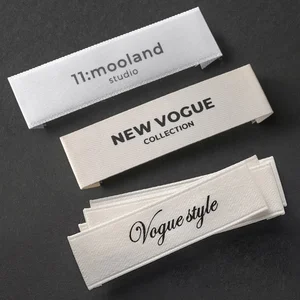
The following table compares material, print or weave quality, use case, and production process for textile label manufacturing.
| Criterion | Best use | Check question | Quality expectation |
|---|---|---|---|
| Custom Garment Tags | Brand, apparel, and accessory products. | Which information must appear on the product? | Clear, readable, and brand-consistent. |
| Woven label | Premium clothing, outerwear, and accessories. | Are thread detail and wash resistance strong? | Dense weave, clean edge, long life. |
| Printed label | Color logos, care data, and fast production. | Are colors accurate and readable? | Sharp print, flexible base, stable color. |
| Care / size label | Washing instructions, size, origin information. | Are symbols and languages clear? | High readability in a small space. |
| Hang tag / patch label | Retail display, collections, brand story. | Does material improve product perception? | Durable stock, clean cut, quality workmanship. |
Personalization Technologies
Calculating warp density, yarn denier, and weave structure is paramount to achieving sharp graphic resolution. High-density Jacquard looms weave vector logos and fine typography with exceptional microscopic clarity and wash-fast contrast.
- Yarn Integrity: High-tenacity polyester and combed organic cotton yarns deliver long-lasting seam stability.
- Soft Edge Sealing: Ultrasonic heat-sealing bonds ribbon borders smoothly without scratchy burrs.
- Pantone Precision: Calibrated textile dye formulations matched against Pantone TCX swatches ensure zero shade drift.
Integration with Augmented Reality
Depending on garment construction and fabric weight, designers can specify Sew-On or Iron-On backing configurations. For apparel subject to regular 60°C laundering, perimeter stitch attachment offers maximum mechanical durability.
LabelGo is a direct manufacturer with end-to-end production facilities, cutting out third-party brokers and reseller fees.
Reviewing pre-production digital proofs eliminates registration errors and dimension discrepancies prior to bulk loom setup.
Quality Criteria & Production Guidelines
A premium garment trim acts as a permanent tactile ambassador, conveying uncompromising garment quality and design sophistication to the discerning consumer.
When planning Custom Garment Tags specifications, critical technical parameters such as fabric composition, seam allowances, and yarn density must be carefully calculated. High-density weaving and premium printing ensure that even the finest typographic details remain sharp and perfectly legible throughout repeated laundering cycles. Working from approved digital proofs and pre-production samples provides the highest level of brand consistency across bulk production batches.
Smart Labeling Solutions
The integration of RFID chips into custom garment tags is becoming increasingly popular for tracking and inventory management. These smart labels not only enhance supply chain efficiency but also offer consumers a seamless shopping experience by providing detailed product information at the point of sale.Sustainability in Custom Garment Tags
As consumer awareness around environmental issues grows, sustainable materials are gaining traction in custom garment tagging. Biodegradable yarns and eco-friendly dyes are being adopted to reduce the ecological footprint of these essential textile components. Brands that prioritize sustainability not only meet regulatory standards but also resonate with today’s environmentally conscious consumers.Enhanced Consumer Engagement
Custom garment tags can now be embedded with QR codes, allowing customers to access additional product information, care instructions, and even exclusive content directly from their smartphones. This interactive feature fosters a deeper connection between the brand and its audience, enhancing customer loyalty and satisfaction.Innovative Design Techniques
Innovations in printing technology have enabled more intricate designs on custom garment tags. Laser cutting and digital embroidery are being used to create unique textures and patterns that complement the overall aesthetic of the garments. These techniques not only elevate the visual appeal but also ensure durability, making them a standout feature in premium fashion lines.Selecting the right Custom Garment Tags involves evaluating fabric composition, wash frequency, skin-contact softness, and overall brand positioning. High-density labels provide a premium look for primary brand logos. Confirming fold style and seam margins prior to production ensures flawless bulk manufacturing.
For comprehensive technical insights on textile fiber structures, OEKO-TEX Standard 100 safety, and international labeling compliance, you can review Wikipedia Textile Labeling Standards and Industry Search on Google.
5 Golden Rules & Quality Benchmarks for Custom Garment Tags
When selecting and manufacturing Custom Garment Tags, these 5 essential quality standards, material choices, edge sealing techniques, and compliance rules dictate long-term durability and brand value:
1. Ribbon Base Material Options (Satin, Cotton & Taffeta)
During precision production and quality assurance, high-density Damask weave provides superior graphic detail and ultra-soft feel for Custom Garment Tags. Selecting 100-denier micro-polyester yarn guarantees crisp lettering and smooth logo reproduction across all garment tags.
2. Anti-Fray Ultrasonic Thermal Cutting for Skin Comfort
Ultrasonic smooth heat-sealed edges prevent neck irritation and skin scratchiness completely. Thermal edge fusion micro-seals loose warp threads without hard corners.
3. Fold Configurations (Center vs End Fold vs Straight Cut)
According to textile industry best practices, selecting the correct fold style depends on seam placement, garment construction, and brand aesthetic. Center Fold is ideal for necklines and side seams with dual-sided logo visibility.
4. Wash Fastness & Detergent Durability at 60°C
According to textile industry best practices, iSO 105 colorfast polyester yarns withstand 60°C industrial wash cycles without color bleeding or fading. Solution-dyed yarns retain vibrant color saturation.
5. Pantone TCX Color Accuracy & Vector File Preparation
From an industrial manufacturing perspective, vector files (.AI or .PDF) with minimum 0.15mm line thickness guarantee razor-sharp weaving detail on Jacquard looms. Fonts under 3pt should be enlarged to maintain legibility.
The Future of Custom Garment Tags: A Vision for Sustainable Luxury
In an era where sustainability and technology are converging to redefine luxury, custom garment tags stand at the forefront of this transformation. They aren’t just labels; they’re gateways to a more transparent, responsible fashion industry. By embracing these innovations, brands can not only enhance their reputation but also forge deeper connections with consumers who increasingly value authenticity and environmental stewardship.
As we look ahead, sustainable textile labeling will become the cornerstone of ethical manufacturing practices. The integration of RFID technology into custom garment tags is poised to revolutionize supply chain management, enabling unparalleled transparency from raw material sourcing to final product delivery. This level of traceability empowers consumers with information that was once shrouded in mystery, fostering trust and loyalty between brands and their customers.
The future also holds the promise of smart RFID integration, which can transform these simple tags into interactive platforms. Imagine a world where your garment tag not only tells you about its journey but also interacts with your smartphone to provide care instructions, styling tips, or even connect you directly to customer service for any concerns. This level of engagement can elevate the shopping experience from transactional to transformational, making every piece of clothing a story waiting to be told.
Moreover, as brands strive for longevity in an ever-changing market, custom garment tags offer a unique opportunity to build lasting relationships with consumers. By embedding these tags with meaningful narratives about craftsmanship and sustainability, brands can create a sense of ownership and pride among their customers. This emotional connection is invaluable in today’s consumer landscape where loyalty is hard-won but fiercely guarded.
As we stand on the precipice of this exciting evolution, it’s clear that custom garment tags are more than just pieces of fabric or plastic—they are symbols of a brand’s commitment to excellence and responsibility. They represent a future where fashion isn’t just about what you wear; it’s about who you support and how you contribute to a better world.
So, let us embrace this vision with open arms and minds. As consumers, we have the power to demand more from our favorite brands—more transparency, more sustainability, and more innovation. And as brands, we must rise to meet these expectations by crafting custom garment tags that not only inform but inspire. Together, we can shape a future where fashion is both beautiful and responsible, where every tag tells a story worth sharing.
🔗 Related Garment Labeling Resources & Products
When planning Custom Garment Tags specifications, critical technical parameters such as fabric composition, seam allowances, and yarn density must be carefully calculated. High-density weaving and premium printing ensure that even the finest typographic details remain sharp and perfectly legible throughout repeated laundering cycles. Working from approved digital proofs and pre-production samples provides the highest level of brand consistency across bulk production batches.
Explore these related product guides and manufacturing pages to plan a cohesive apparel branding package:
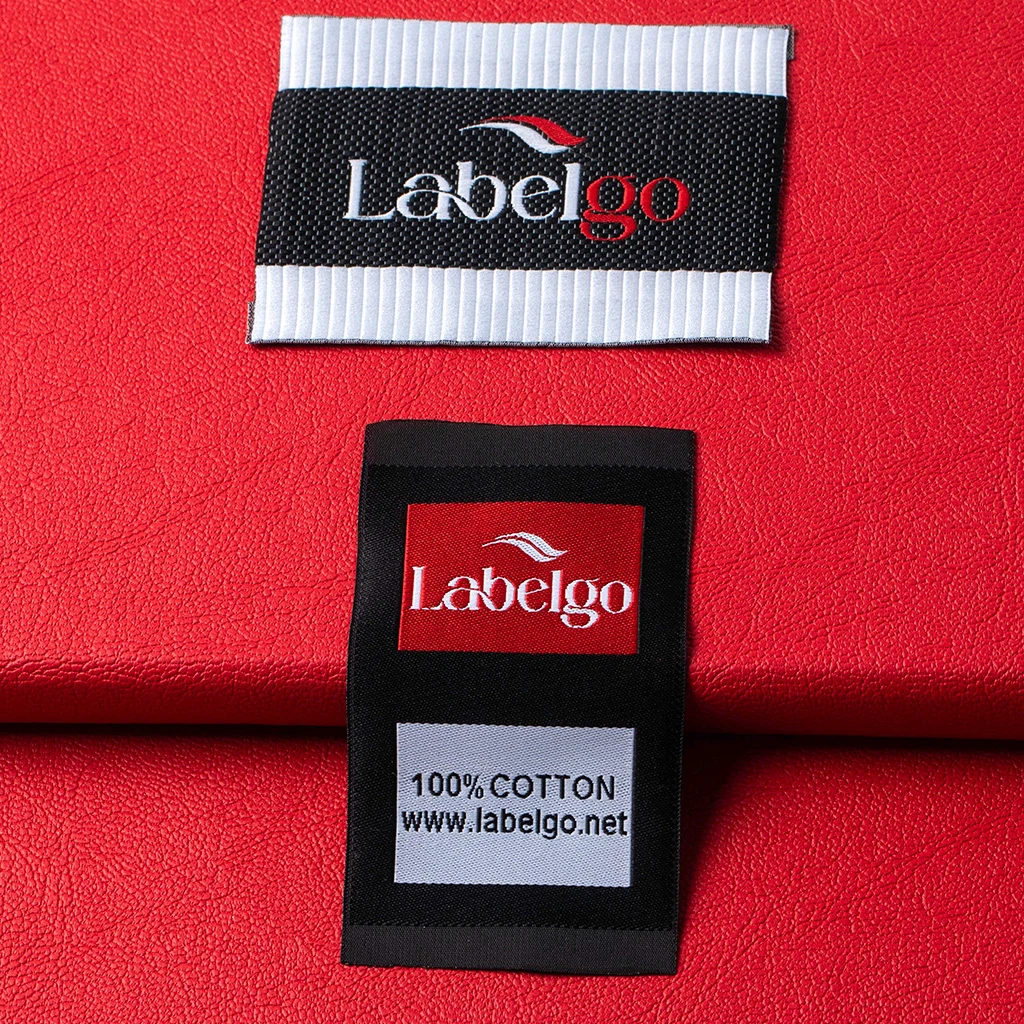
LabelGo Manufacturing: Direct Apparel Branding & Precision Label Production
Combining high-volume industrial weaving capacity with boutique flexibility, LabelGo has established itself over 30+ years as a global benchmark in custom apparel trimmings. Advanced Jacquard looms and textile ink curing lines operate with micromechanical tolerances, ensuring that Custom Garment Tags production meets exacting retail compliance standards. Brand founders and sourcing specialists benefit from streamlined digital approvals that keep seasonal product launches strictly on schedule.
Committed to uncompromising garment comfort, LabelGo utilizes exclusively OEKO-TEX® Standard 100 Class 1 certified, skin-safe yarns across all production lines. Advanced ultrasonic thermal edge sealing micro-fuses border fibers, completely eliminating neck itching and skin irritation even on sensitive infant wear. With an accessible minimum order quantity of just 250 pieces (MOQ) alongside massive bulk production capabilities, we ensure rapid 5–7 business day express worldwide delivery backed by dedicated 24/7 technical customer assistance.