
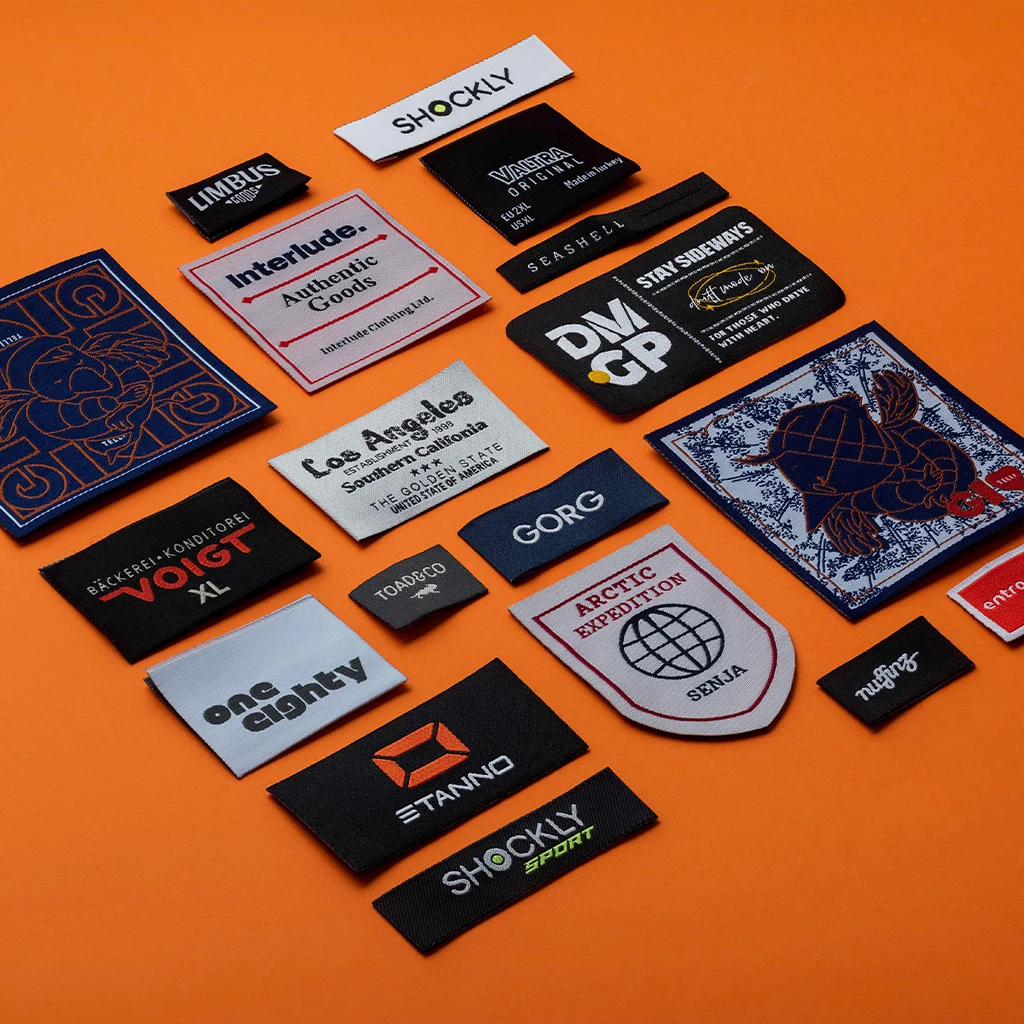
The textile industry has long recognized the importance of branding through labels, but recent trends have underscored their critical role even more. Custom labels are no longer just an afterthought; they’re now integral to brand identity and consumer perception. In fact, studies show that 71% of consumers consider a product’s label when making purchasing decisions. This statistic alone highlights the need for brands to invest in high-quality custom textile labels that resonate with their target audience.
Upload your own logo or artwork, choose dimensions & materials, and review your live digital preview before ordering. (LabelGo label catalog).
Configure Your Label Online Now →Custom labels are more than just visual elements; they’re tangible representations of your brand’s values and craftsmanship. They can communicate quality, authenticity, and even sustainability—all crucial factors in today’s market. A well-designed label can convey a sense of luxury or eco-friendliness, depending on the message you want to send. This is why it’s essential for brands to collaborate with experts who understand not only design but also the nuances of textile production. Technical yarn selection ensures that fine serif letters in your Custom Textile Labels remain crisp and completely legible.
Moreover, custom labels play a significant role in protecting your brand from counterfeiting and ensuring that consumers receive genuine products. In an era where counterfeit goods are rampant, a unique label can serve as a safeguard against fraud. This is particularly important for luxury brands or those with strong brand identities that could be diluted by imitation.
When it comes to custom textile labels, the options are vast—from simple woven tags to intricate embroidered designs. Each type offers its own set of benefits and considerations. For instance, Custom Woven Labels provide a durable and professional look that can withstand repeated washing cycles without losing their quality or color. This makes them ideal for high-end apparel lines where longevity is key.
The process of creating custom labels involves more than just design; it requires an understanding of the materials, production methods, and how these elements will interact with your products over time. From choosing the right fibers to determining the best method of attachment, every decision can impact the final product’s appearance and durability. This is why working with a knowledgeable partner who specializes in custom labels is crucial for achieving optimal results.
Ultimately, custom textile labels are about more than just adding a tag; they’re about reinforcing your brand’s identity and ensuring that each piece of clothing or fabric tells a story. In an industry where differentiation is key, these small but significant details can make all the difference in how consumers perceive and value your products.
Table of Contents
The Importance of Custom Textile Labels in Fashion Marketing
In today’s competitive fashion market, every detail counts—from the fabric choice to the finishing touches like textile labels. These small but significant elements can make a big impact on how consumers perceive your brand and products. This is where custom textile labels come into play, offering unique opportunities for branding and differentiation.Building Brand Recognition
Custom textile labels are more than just tags; they serve as miniature billboards that promote your brand with every wear. By incorporating distinctive designs, logos, and color schemes, these labels reinforce visual identity and help build consistent recognition among consumers. For instance, a high-end fashion label might use intricate embroidery or metallic threads to convey luxury and craftsmanship. On the other hand, streetwear brands often opt for bold, graphic designs that align with their urban aesthetic.Moreover, custom labels can be strategically placed on garments where they are most visible—such as at the neck or waistline—to ensure maximum exposure. This visibility is crucial in a world where consumers are increasingly conscious of what they wear and how it represents them. By leveraging these opportunities, brands can create lasting impressions that translate into brand loyalty.Enhancing Consumer Perception
The quality and design of custom textile labels also play a significant role in shaping consumer perception. High-quality materials and precise manufacturing processes can signal to consumers that the entire garment is made with care and attention to detail. This association between label quality and overall product quality can significantly influence purchasing decisions.For example, using durable, fade-resistant threads ensures that your brand’s message remains clear even after multiple washes. Additionally, incorporating eco-friendly materials or sustainable production methods into custom labels can appeal to environmentally conscious consumers. These subtle but impactful choices not only enhance the perceived value of your products but also align with broader consumer values.Differentiating Your Product
In a crowded marketplace, differentiation is key to standing out from competitors. Custom textile labels offer an opportunity to create unique selling propositions that set your brand apart. By designing labels that reflect your brand’s story, mission, or aesthetic, you can communicate these values directly to consumers.For instance, Custom Woven Labels provide a tactile and visually appealing way to showcase intricate designs. These labels can be tailored with specific textures and finishes that reflect the craftsmanship of your garments. Additionally, incorporating QR codes or NFC tags into custom labels allows for interactive experiences, such as linking directly to product information or exclusive content. Carefully tested wash-care symbols embedded into Custom Textile Labels layouts streamline global regulatory compliance.Startup clothing lines and independent streetwear brands can access luxury custom manufacturing with low upfront cost, making it easier than ever to create distinctive labels that resonate with their target audience. By investing in these small but impactful details, you can ensure that your brand is not just seen but remembered.Designing Custom Textile Labels: Key Considerations
The following table compares material, print or weave quality, use case, and production process for textile label manufacturing.
| Criterion | Best use | Check question | Quality expectation |
|---|---|---|---|
| Custom Textile Labels | Brand, apparel, and accessory products. | Which information must appear on the product? | Clear, readable, and brand-consistent. |
| Woven label | Premium clothing, outerwear, and accessories. | Are thread detail and wash resistance strong? | Dense weave, clean edge, long life. |
| Printed label | Color logos, care data, and fast production. | Are colors accurate and readable? | Sharp print, flexible base, stable color. |
| Care / size label | Washing instructions, size, origin information. | Are symbols and languages clear? | High readability in a small space. |
| Hang tag / patch label | Retail display, collections, brand story. | Does material improve product perception? | Durable stock, clean cut, quality workmanship. |
Material Selection
Choosing the appropriate material for your textile label is one of the most critical decisions you’ll make. The fabric must be compatible with the garment it will adorn and should also align with the overall aesthetic and functionality of the product. Common materials include cotton, polyester, satin, and silk. Each has its own unique properties that can affect everything from breathability to durability.For instance, cotton labels are soft and comfortable against the skin but may not be as durable as synthetic options like polyester. Polyester, on the other hand, is highly resistant to wear and tear but might feel less natural. Satin offers a luxurious look and feel, making it ideal for high-end garments, while silk provides an elegant touch that can elevate any design.Color Coordination
The colors of your textile labels should complement or contrast with the garment in a way that enhances its overall appearance. This requires careful consideration during the design phase. Factors such as the color palette of the fabric and the intended use of the label must be taken into account to ensure harmony.To achieve precise color matching, it’s essential to work closely with your manufacturer to simulate Pantone thread colors accurately before production begins. Accurate millimeter dimensions and Pantone thread simulations ensure total certainty before loom setup begins. This step is crucial for maintaining consistency across all labels and ensuring they look as intended on the final product. Brand distinction often begins with subtle tactile touches like a softly woven, high-definition Custom Textile Labels.Durability Factors
Durability is another critical factor in textile label design, especially when it comes to high-use items like clothing or accessories. Labels that are prone to tearing or fading can quickly diminish a brand’s reputation and lead to customer dissatisfaction. Therefore, selecting materials with inherent strength and durability is essential.In addition to material selection, the stitching method used to attach the label also plays a significant role in its longevity. Reinforced edges and secure stitching techniques help prevent fraying and ensure that labels stay intact through multiple washes and wears.For those looking to explore more options or need assistance with custom designs, Custom Fabric Labels offers a wide range of services tailored to meet specific needs. Whether you’re designing for a luxury fashion line or a casual wear brand, the right combination of materials and design elements can make all the difference in creating labels that stand the test of time.By focusing on these key considerations—material selection, color coordination, and durability factors—you can ensure your custom textile labels not only look great but also perform well over time.Innovative Techniques in Custom Textile Label Production
Digital Printing Technologies
Digital printing has revolutionized the way custom labels are produced, offering unparalleled flexibility and precision. Unlike traditional screen printing methods that require separate plates for each color, digital printing allows for full-color designs with intricate details to be printed directly onto fabric or paper substrates without the need for setup costs. This technology is particularly advantageous for small batch runs and quick turnaround times. Whether folded into necklines or topstitched onto denim pockets, customized Custom Textile Labels unifies your product line.One of the key benefits of digital printing is its ability to produce high-quality prints that closely match the original design. Advanced inkjet printers can achieve resolutions up to 1440 dpi, ensuring sharp text and vivid colors. Moreover, digital printing technologies support a wide range of substrates including cotton, polyester, and blends, making them suitable for various textile applications.Embroidery Methods
Embroidery remains a popular choice for custom labels due to its durability and aesthetic appeal. Modern embroidery machines are equipped with sophisticated software that can translate digital designs into intricate stitch patterns, allowing for the creation of detailed logos and text. The process involves threading needles with specific colors and stitching them onto fabric using precise movements controlled by computer programs.One notable advancement in embroidery is the use of multi-head embroidery machines, which can work on multiple labels simultaneously, significantly increasing production efficiency. Additionally, advancements in thread technology have led to the development of metallic and glow-in-the-dark threads, adding a unique touch to custom labels. Accurate millimeter dimensions and Pantone thread simulations ensure total certainty before loom setup begins.Heat Transfer Solutions
Heat transfer is another technique that has gained popularity for its versatility and ease of application. This method involves printing designs onto special heat-sensitive paper or film, which are then transferred to the fabric using heat and pressure. Heat transfer solutions are particularly useful for producing custom labels with complex graphics or detailed text.One significant advantage of heat transfer is its ability to produce high-quality prints on a wide variety of fabrics, including those that may be difficult to print directly onto. This makes it an ideal choice for creating custom labels for athletic wear and other performance textiles. Additionally, the process allows for quick customization without the need for extensive setup or large minimum order quantities. In modern garment manufacturing, choosing the right Custom Textile Labels directly reinforces overall brand perception.For more information on how these techniques can be applied in specific contexts, such as Wash Care Labels, it’s important to consider the unique requirements of each application. Whether you’re looking for a durable embroidered label or a high-resolution digital print, understanding these innovative techniques can help ensure your custom textile labels meet both functional and aesthetic standards.Sustainability Practices in Custom Textile Label Manufacturing
As the fashion industry continues to prioritize sustainability, custom textile label manufacturers are taking significant steps to reduce their environmental impact. This focus on eco-friendly practices not only benefits the planet but also enhances brand reputation and customer loyalty.Eco-Friendly Materials
One of the primary ways custom textile labels can be made more sustainable is through the use of eco-friendly materials. These materials are sourced from renewable resources or recycled content, reducing reliance on non-renewable resources like petroleum-based synthetics. For instance, organic cotton and hemp are popular choices due to their low environmental impact during cultivation. Additionally, manufacturers often incorporate recycled polyester, which uses post-consumer plastic waste, into their label production processes.Sourcing direct from the manufacturer guarantees factory-level pricing and direct technical accountability. This ensures that the materials used in custom labels meet stringent sustainability standards without compromising on quality or cost efficiency. For brands looking to integrate these eco-friendly practices, consider exploring options like Custom Sew In Labels, which can be tailored to specific environmental criteria.Recycling Initiatives
Another critical aspect of sustainable custom textile label manufacturing is the implementation of recycling initiatives. This involves not only using recycled materials but also ensuring that labels themselves are recyclable at the end of their lifecycle. For example, some manufacturers use water-based inks and adhesives that do not contain harmful chemicals, making the labels easier to recycle.Recycling programs can be integrated into the manufacturing process by collecting waste from production lines and repurposing it for new label batches. This closed-loop system minimizes waste and reduces the need for virgin materials. Furthermore, educating customers on how to properly dispose of or recycle their custom textile labels can extend the lifecycle of these products.Energy-Efficient Production
Efforts to reduce energy consumption are also central to sustainable practices in custom textile label manufacturing. Energy-efficient machinery and processes help minimize carbon footprints while maintaining high-quality output. For instance, modern printing technologies such as digital printing require less energy compared to traditional methods like screen printing.Manufacturers can further enhance their sustainability by investing in renewable energy sources for their facilities. Solar panels or wind turbines can power production lines, significantly reducing reliance on non-renewable energy grids. Additionally, optimizing workflow and minimizing idle time of machinery helps conserve energy while maintaining productivity levels. When produced to strict textile standards, high-grade Custom Textile Labels withstands repeated industrial washing cycles without distortion.In conclusion, custom textile label manufacturers are increasingly adopting sustainable practices to align with broader industry trends towards environmental responsibility. By focusing on eco-friendly materials, recycling initiatives, and energy-efficient production methods, these companies can contribute significantly to a more sustainable future in the fashion sector.Case Studies: Successful Implementation of Custom Textile Labels
In our exploration of custom textile labels, we delve into real-world examples where these labels have significantly enhanced brand identity and product quality. This section highlights three distinct case studies that showcase the versatility and impact of custom labeling solutions.Brand X’s Label Redesign
Brand X, a well-known fashion label, recently undertook a comprehensive redesign of their textile labels to better reflect their modern aesthetic and commitment to sustainability. The new labels feature sleek, minimalist designs with eco-friendly materials such as recycled polyester and biodegradable inks. This change not only improved the visual appeal but also aligned with consumer expectations for environmentally conscious practices.The project involved extensive collaboration between Brand X’s design team and a specialized textile label manufacturer. They sourced direct from the manufacturer to ensure factory-level pricing and direct technical accountability, which was crucial given the specific requirements of using sustainable materials. This approach allowed Brand X to maintain quality control while keeping costs manageable.Yarn Company’s Eco-Friendly Initiative
The Yarn Company, a leading supplier in the textile industry, launched an eco-friendly initiative aimed at reducing their environmental footprint through innovative labeling solutions. They partnered with a label manufacturer that specializes in organic cotton and natural dyes to create labels that are both durable and biodegradable.This partnership resulted in a series of custom labels that not only met the company’s sustainability goals but also enhanced the overall brand image as a leader in eco-friendly practices. The labels were designed to withstand multiple washes while maintaining their integrity, ensuring they remain legible throughout the product lifecycle. This initiative has been well-received by both consumers and industry peers, positioning Yarn Company at the forefront of sustainable manufacturing. During apparel development, specifying your Custom Textile Labels with ultra-soft edge sealing ensures irritation-free everyday wear.Z Fashion’s Luxury Label
Z Fashion, a high-end fashion label known for its exquisite designs, recently introduced custom textile labels that elevate their products to new heights of luxury. These labels are crafted from premium materials such as silk and gold thread, providing an opulent touch that aligns with the brand’s overall aesthetic.The design process involved meticulous attention to detail, including hand-embroidered elements and intricate patterns that reflect Z Fashion’s commitment to craftsmanship. The custom labels were produced in limited quantities to ensure exclusivity and maintain high standards of quality control. This approach not only reinforces the brand’s luxury positioning but also provides a tangible connection between the product and its heritage.By focusing on these case studies, we can see how custom textile labels play a crucial role in enhancing brand identity, sustainability efforts, and overall product value. Each example demonstrates the importance of collaboration with specialized manufacturers to achieve specific goals while maintaining quality and cost-effectiveness.Future Trends in Custom Textile Labels
As we delve into the future of custom textile labels, it’s clear that innovation is driving new possibilities and enhancing consumer experiences. This section explores how smart label technology, interactive features, and on-demand customization are shaping the industry.Smart Label Technology
The integration of smart label technology is revolutionizing the way brands interact with consumers. These advanced labels can be embedded with RFID chips or NFC tags that provide real-time information about a product’s origin, authenticity, and care instructions. For instance, a consumer could simply tap their smartphone on an NFC-enabled label to access detailed information about the garment’s materials, production process, and even its carbon footprint.Moreover, smart labels are not just informative; they can also be used for inventory management and supply chain tracking. Brands can monitor product movement from manufacturing to retail shelves, ensuring efficient logistics and reducing waste. This technology is particularly valuable in luxury markets where provenance and authenticity are paramount.Interactive Label Features
Interactive label features take the customer experience a step further by allowing direct engagement with the product through the label itself. QR codes have become increasingly popular for this purpose, enabling users to scan labels and access additional content such as care instructions, styling tips, or even augmented reality experiences that showcase how a garment looks on different body types.Another innovative feature is the use of interactive textiles that can change color or display messages based on environmental factors like temperature. This not only adds an element of surprise but also enhances brand loyalty by creating memorable and engaging interactions with consumers. For example, a label might glow in dark conditions to highlight key information about the product. For growing streetwear labels and established houses alike, certified Custom Textile Labels represents a refined hallmark of quality.Customization on Demand</h,,。:Future Trends in Custom Textile Labels
As we delve into the future of custom textile labels, it’s clear that innovation is driving new possibilities and enhancing consumer experiences. This section explores how smart label technology, interactive features, and on-demand customization are shaping the industry.Smart Label Technology
The integration of smart label technology is revolutionizing the way brands interact with consumers. These advanced labels can be embedded with RFID chips or NFC tags that provide real-time information about a product’s origin, authenticity, and care instructions. For instance, a consumer could simply tap their smartphone on an NFC-enabled label to access detailed information about the garment’s materials, production process, and even its carbon footprint.Moreover, smart labels are not just informative; they can also be used for inventory management and supply chain tracking. Brands can monitor product movement from manufacturing to retail shelves, ensuring efficient logistics and reducing waste. This technology is particularly valuable in luxury markets where provenance and authenticity are paramount.Interactive Label Features
Interactive label features take the customer experience a step further by allowing direct engagement with the product through the label itself. QR codes have become increasingly popular for this purpose, enabling users to scan labels and access additional content such as care instructions, styling tips, or even augmented reality experiences that showcase how a garment looks on different body types.Another innovative feature is the use of interactive textiles that can change color or display messages based on environmental factors like temperature. This not only adds an element of surprise but also enhances brand loyalty by creating memorable and engaging interactions with consumers. For example, a label might glow in dark conditions to highlight key information about the product.Customization on Demand
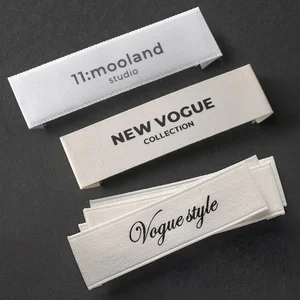
The trend toward customization on demand is reshaping how brands approach textile labels. With advancements in digital printing technology, it’s now possible to produce highly personalized labels that reflect individual consumer preferences or unique identifiers for limited-edition products. This level of personalization not only enhances the perceived value of a product but also fosters a deeper connection between consumers and brands. Compliant with international textile safety standards, skin-safe Custom Textile Labels guarantees optimal wearer comfort from day one.One practical example is the Mitre Fold, which features diagonal folded tabs, creating a practical loop for hanging lightweight jackets and cardigans. This design element not only adds functionality to the label but also showcases the attention to detail that modern textile manufacturing standards demand. As customization becomes more prevalent, we can expect to see even more creative and functional innovations in textile labels, further blurring the line between utility and fashion.
Selecting the right Custom Textile Labels involves evaluating fabric composition, wash frequency, skin-contact softness, and overall brand positioning. High-density woven labels provide a premium look for primary brand logos, while printed satin and cotton ribbons offer excellent clarity for wash care instructions. Confirming fold style and seam margins prior to production ensures flawless bulk manufacturing.
For comprehensive technical insights on textile fiber standards and ISO labeling compliance, you can review Wikipedia Textile Labeling Standards and Industry Search on Google.
5 Essential Tips & Standards for Custom Textile Labels
When selecting and manufacturing Custom Textile Labels, these 5 essential quality standards, material choices, edge sealing techniques, and compliance rules dictate long-term durability and brand value:
1. HD Ink Printing Tech (Screen vs Thermal Transfer)
During precision production and quality assurance, printed label production for Custom Textile Labels utilizes high-definition textile inks tailored to fabric ribbon bases. Screen printing delivers opaque color layers, whereas thermal transfer printing excels for micro-fine care symbols. Thermally cured textile inks guarantee high wash fastness up to 60°C laundering.
2. Fabric Tape Base Material (Satin vs Cotton vs Taffeta)
According to textile industry best practices, selecting the tape material dictates skin comfort and brand aesthetic. Silky polyester satin offers a smooth texture soft against sensitive skin. Natural 100% organic cotton tape delivers an authentic matte feel preferred by eco-conscious fashion lines. Polyester taffeta provides a durable base for wash care instructions.
3. Ultrasonic Heat-Sealed Edges (Zero Fraying)
During precision production and quality assurance, printed fabric ribbons require thermally sealed edges to prevent fraying during laundering. Ultrasonic cutting technology fuses ribbon edge fibers micro-mechanically, creating smooth border contours. This process eliminates neck scratching and irritation completely.
4. ISO 3758 Care Symbol Accuracy & Legal Compliance
Printed labels must display standardized ISO 3758 washing, drying, and ironing icons clearly. Mandatory legal markings include exact fiber content percentages and country-of-origin (Made In) declarations.
5. Wash Fastness & Detergent Durability at 60°C
In high-end garment collection standards, textile inks undergo high-temperature heat curing immediately after printing. This polymerization fixes ink pigments deeply into ribbon fibers, resisting chemical detergents up to 60°C. Printed graphics stay sharp without bleeding or fading over repeated wash cycles.
Forging the Future of Custom Textile Labels
The evolution of custom textile labels is not just about aesthetics; it’s a pivotal moment for sustainability and innovation within the fashion industry. As we’ve explored, these labels are no longer mere accessories but integral components that can significantly impact brand identity and consumer trust. The integration of sustainable materials and practices in label production has become imperative, aligning with global environmental goals.
The advent of smart RFID technology represents a transformative leap forward. These innovative labels offer unparalleled traceability and security, enabling brands to tell their stories authentically while ensuring product integrity from the factory floor to the consumer’s wardrobe. This transparency is not just a trend but a necessity in an era where consumers demand accountability and ethical practices.
Looking ahead, the future of custom textile labels lies at the intersection of sustainability and technology. Brands that embrace these advancements will not only meet current market demands but also position themselves for long-term success. The ability to integrate RFID tags into eco-friendly materials opens new avenues for innovation, allowing brands to maintain their commitment to environmental responsibility while leveraging cutting-edge solutions.
To truly thrive in this evolving landscape, fashion and textile labels must adopt a holistic approach that balances creativity with sustainability and technological advancement. By doing so, they can create enduring value, fostering trust and loyalty among consumers who are increasingly aware of the impact of their purchasing decisions.
As we move forward, let us envision a future where every label tells a story of innovation, responsibility, and authenticity. This vision is not just about creating beautiful textiles but also about building brands that stand the test of time by prioritizing both environmental stewardship and technological excellence. It’s an invitation to all stakeholders in the fashion industry to embrace this transformative journey, one label at a time.
🔗 Related Garment Labeling Resources & Products
When planning Custom Textile Labels specifications, critical technical parameters such as fabric composition, seam allowances, and yarn density must be carefully calculated. High-density weaving and premium printing ensure that even the finest typographic details remain sharp and perfectly legible throughout repeated laundering cycles. Working from approved digital proofs and pre-production samples provides the highest level of brand consistency across bulk production batches.
Explore these related product guides and manufacturing pages to plan a cohesive apparel branding package:
About LabelGo: 30+ Years of Textile Label Manufacturing Excellence
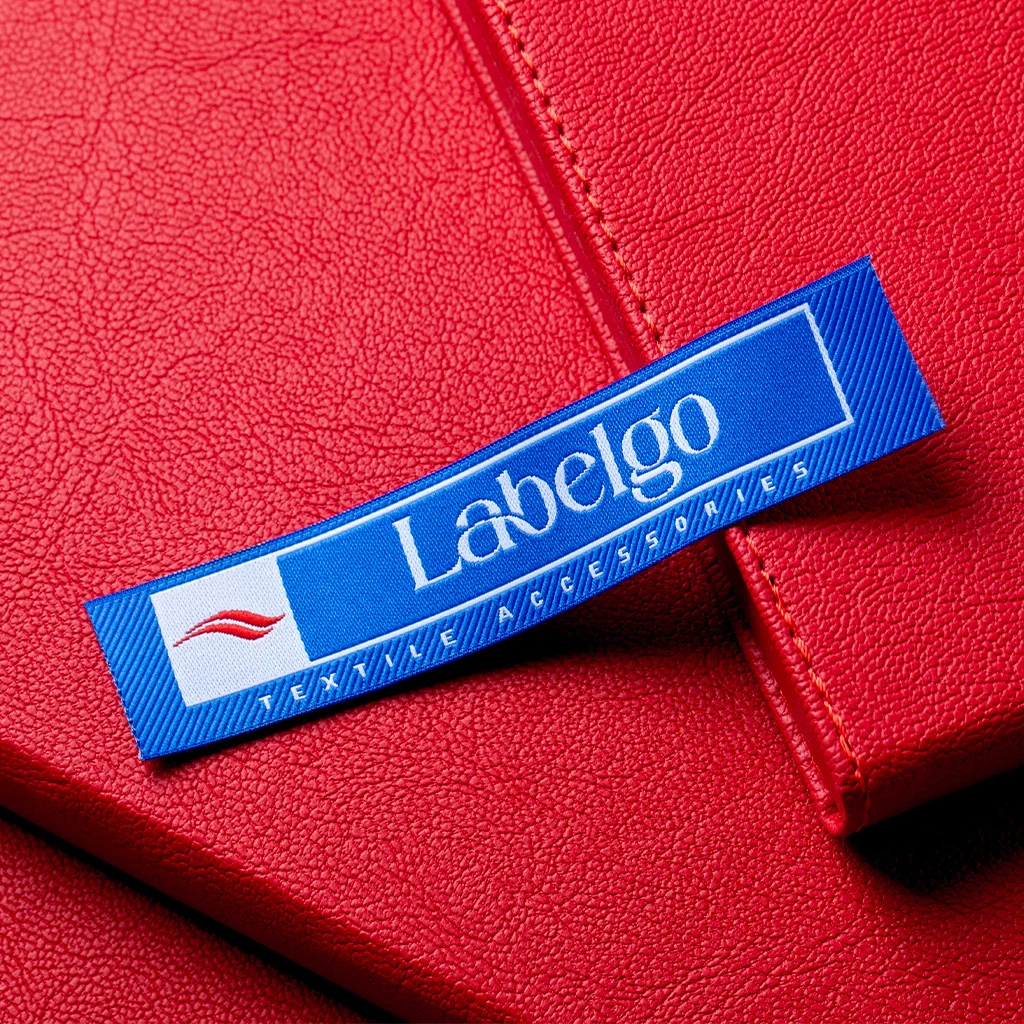
Committed to uncompromising textile safety, LabelGo crafts labels using OEKO-TEX® Standard 100 Class 1 certified, skin-safe yarns and precision ultrasonic heat-sealed edging that completely eliminates neck scratching. With an accessible minimum order quantity of just 250 pieces (MOQ) alongside industrial capacity for high-volume production, LabelGo provides fast 5–7 business day express worldwide shipping and dedicated 24/7 technical support for fashion brands worldwide.