
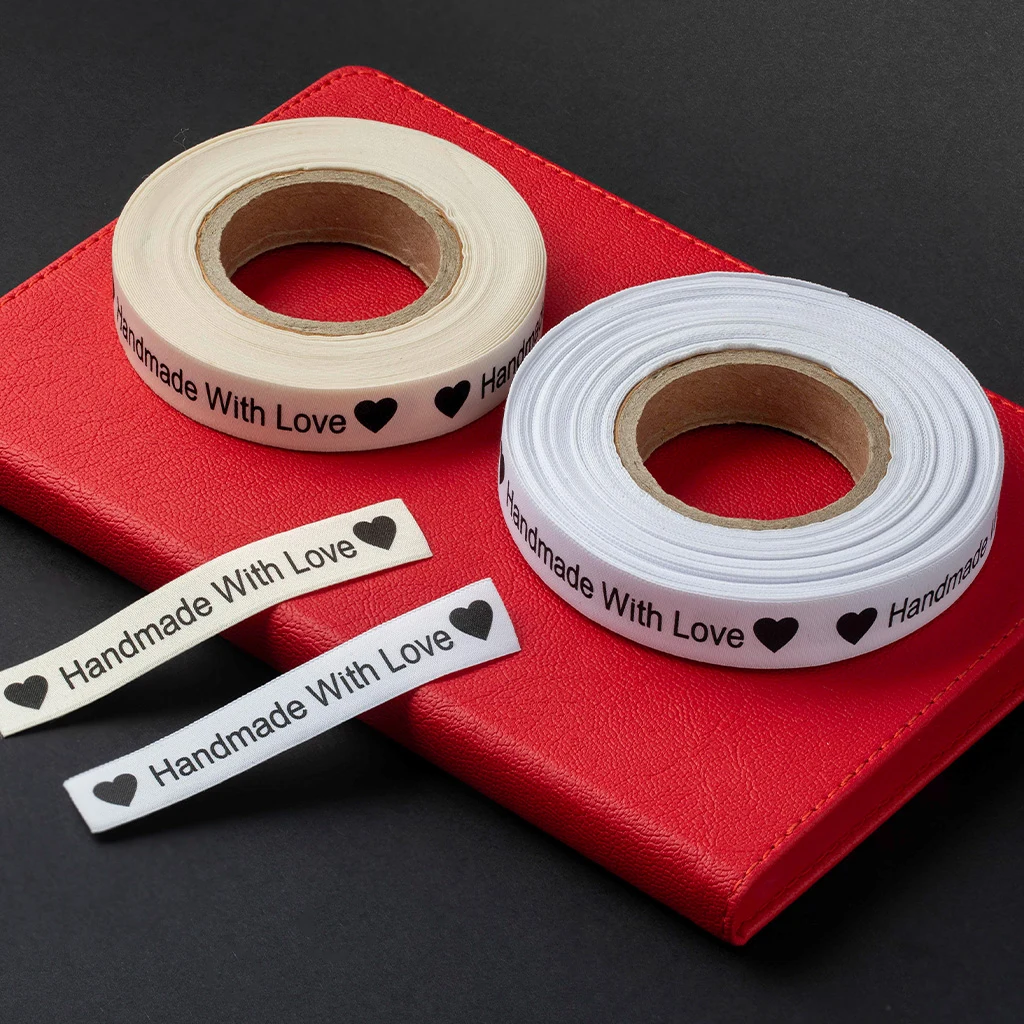
The fashion industry has long recognized the importance of branding and marketing strategies that resonate with target audiences. However, as digital marketing channels become increasingly saturated, brands are turning their focus back to tangible touchpoints—like fabric labels—that can create lasting impressions. Personalized labels not only serve a functional purpose but also act as silent ambassadors for your brand identity.
Upload your own logo or artwork, choose dimensions & materials, and review your live digital preview before ordering. (LabelGo label catalog).
Configure Your Label Online Now →Consider the experience of opening a new garment and finding a well-designed label that reflects the quality and ethos of the brand. This moment, often overlooked in the grand scheme of marketing efforts, can significantly influence consumer perception and purchasing decisions. A poorly executed or generic label can undermine even the most robust digital campaigns, while a meticulously crafted one can reinforce your brand’s message and commitment to excellence.
The evolution of fabric labeling technology has also played a crucial role in this trend. Advances in printing techniques have made it possible for brands to produce Printed Fabric Labels that are not only visually appealing but also durable and resistant to wear and tear. These labels can now incorporate intricate designs, logos, and even QR codes that link directly to product information or exclusive offers, enhancing the overall customer experience.
The impact of bespoke clothing tags extends beyond just brand recognition; they contribute significantly to the perceived value of a product. In an era where consumers are increasingly conscious about quality and provenance, a well-designed label can communicate trustworthiness and authenticity. This is particularly important in niche markets or for luxury brands that rely on their reputation for high-quality materials and craftsmanship.
Moreover, personalized labels offer a unique opportunity for customization and personalization at scale. Brands can use these labels to segment their products based on different market segments, geographic regions, or even individual customer preferences. This level of detail not only enhances brand loyalty but also allows for more targeted marketing efforts that resonate with specific consumer groups.
The fashion industry is constantly evolving, driven by changing consumer behaviors and technological advancements. textile apparel labels are a testament to this evolution, serving as both functional components and powerful branding tools. As we move forward, the role of these labels will only become more significant in shaping brand identity and customer perception within an increasingly competitive marketplace.
Table of Contents
The Evolution of Personalized Fabric Labels
In Personalized Fabric Labels manufacturing, this stage plays a critical role in defining visual elegance, brand identity, and overall product longevity. High-density weave or print execution, accurate sizing, and fine yarn selection ensure that logos and text remain crisp and highly legible. Establishing precise seam margins and edge folding styles prior to production eliminates potential manufacturing discrepancies in bulk orders.
Comprehensive quality control evaluations verify color fastness, wash durability, and skin-contact softness. Manufactured in accordance with ISO textile standards, Personalized Fabric Labels solutions maintain their original shape and color vibrancy throughout the garment s lifecycle. LabelGo ensures dependable, consistent manufacturing results through digital PDF proofing and sample approval protocols.
Historical Context
Personalized fabric labels have a rich history that dates back to the early days of textile manufacturing. Initially, these labels were simple and often hand-stitched onto garments as a means of identifying the maker or the owner. The first significant leap in label technology came with the advent of industrial sewing machines in the 19th century, which allowed for more efficient stitching of labels into clothing. By the early 20th century, the introduction of heat-seal and woven labels provided greater durability and a more professional appearance.The mid-20th century saw further advancements as manufacturers began to use embossing and holographic techniques to enhance label security and brand recognition. These innovations not only improved the aesthetic appeal but also helped deter counterfeit products by making it harder for imitators to replicate the labels accurately. As fashion brands grew more competitive, personalized fabric labels became an essential tool in establishing a distinct identity.Technological Advancements
In recent decades, technological advancements have revolutionized the way personalized fabric labels are produced and integrated into textiles. Digital printing technology has played a pivotal role in this transformation, allowing for intricate designs and high-resolution imagery to be printed directly onto fabric labels with remarkable precision. This shift from traditional screen-printing methods not only enhances the visual appeal of labels but also reduces production time and costs.Moreover, modern label manufacturing now incorporates sophisticated quality control measures that ensure consistency and durability. One notable example is the use of yarns that are physically dyed to match exact Pantone textile color codes across a 2-to-8 color capability. This meticulous attention to detail ensures that labels maintain their vibrancy and integrity over time, even after repeated washes.The integration of RFID (Radio-Frequency Identification) technology into fabric labels is another significant development. These smart labels can store detailed information about the product, such as care instructions, origin, and authenticity, which can be accessed via a smartphone or dedicated reader. This not only enhances consumer trust but also streamlines inventory management for retailers.Impact on Brand Identity
Personalized fabric labels have become an indispensable element in shaping brand identity within the fashion industry. They serve as silent ambassadors of a brand’s values, quality standards, and aesthetic vision. A well-designed label can evoke a sense of luxury or authenticity that resonates with consumers and differentiates a product from its competitors.Printed Fabric Labels, for instance, offer a versatile solution for brands looking to enhance their visual identity. These labels can be customized to match the brand’s color palette, logo, and overall design language, thereby reinforcing brand recognition across various products.Furthermore, personalized fabric labels play a crucial role in building consumer trust through transparency. Labels that clearly display care instructions, material composition, and origin information help consumers make informed purchasing decisions. This level of transparency not only fosters customer loyalty but also aligns with growing consumer demand for ethical and sustainable practices within the fashion industry.In conclusion, the evolution of personalized fabric labels reflects broader trends in textile manufacturing technology and brand identity. As these innovations continue to advance, they will undoubtedly play an even more significant role in shaping the future of fashion and textiles.Designing Personalized Fabric Labels
The following table compares material, print or weave quality, use case, and production process for textile label manufacturing.
| Criterion | Best use | Check question | Quality expectation |
|---|---|---|---|
| Personalized Fabric Labels | Brand, apparel, and accessory products. | Which information must appear on the product? | Clear, readable, and brand-consistent. |
| Woven label | Premium clothing, outerwear, and accessories. | Are thread detail and wash resistance strong? | Dense weave, clean edge, long life. |
| Printed label | Color logos, care data, and fast production. | Are colors accurate and readable? | Sharp print, flexible base, stable color. |
| Care / size label | Washing instructions, size, origin information. | Are symbols and languages clear? | High readability in a small space. |
| Hang tag / patch label | Retail display, collections, brand story. | Does material improve product perception? | Durable stock, clean cut, quality workmanship. |
Material Choices
When it comes to personalized fabric labels, material selection is crucial as it directly impacts durability, appearance, and overall feel. Common choices include cotton, polyester, and blends like rayon or silk. Cotton offers a natural look with breathability but can be less durable over time compared to synthetic options like polyester, which are more resistant to wear and tear. Blends often strike a balance between the two, providing both comfort and durability.For high-end garments, luxury materials such as silk or wool may be preferred for their premium feel and aesthetic appeal. However, these materials require careful handling during production to maintain quality. It’s also important to consider environmental factors; eco-friendly options like organic cotton or recycled polyester are gaining popularity among environmentally conscious consumers.Printing Techniques
The printing technique you choose will significantly influence the final appearance of your personalized fabric labels. Traditional methods include screen printing, heat transfer, and embroidery. Screen printing is known for its vibrant colors and durability but can be more expensive for small runs due to setup costs. Heat transfer involves applying a printed design onto a label using heat, which is cost-effective for smaller orders and allows for detailed designs.Embroidery offers a unique texture and can add a touch of luxury, making it ideal for high-end brands. However, embroidery is limited in terms of color variety compared to other methods. Digital printing has become increasingly popular due to its flexibility and ability to produce complex designs with multiple colors at a relatively low cost.Customization Options
Personalized fabric labels offer endless customization options, allowing you to tailor every aspect according to your needs. From the shape and size of the label to the design elements such as logos, text, or patterns, each detail can be customized. For instance, a simple rectangular label with your brand name in bold letters might suffice for a casual line, while intricate embroidery with detailed graphics could be more fitting for luxury items.Additionally, customization extends beyond just visual aspects; you can also choose the placement of labels within garments—whether it’s on the collar, sleeve, or hem. Care Label Studio streamlines legal wash symbol selection, fiber content disclosure, and size grading, ensuring your labels meet all necessary standards while maintaining a polished look.For more information on how to create personalized fabric labels, check out our guide on Printed Fabric Labels. This resource provides comprehensive details on the process and helps you make informed decisions for your custom label needs.Innovations in Personalized Fabric Labels
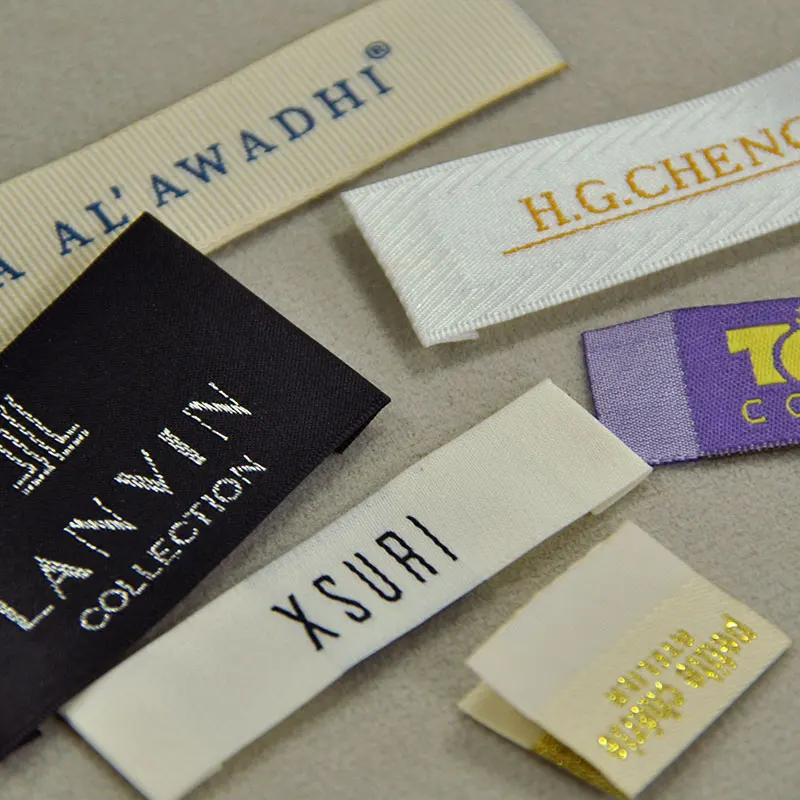
Smart Labels
Smart labels represent one of the most exciting innovations in personalized fabric labels today. These advanced labels integrate microchips or other electronic components, allowing them to store and transmit data about the garment they are attached to. For instance, a smart label can provide detailed information about the product’s origin, materials used, care instructions, and even track its journey through the supply chain.One of the key benefits of smart labels is their ability to enhance consumer engagement. By simply scanning the label with a smartphone or other compatible device, customers can access comprehensive details about the garment, fostering transparency and trust between brands and consumers. This technology also supports inventory management for retailers, making it easier to track stock levels and reduce waste.QR Code Integration
Another significant innovation in personalized fabric labels is the integration of QR codes. These two-dimensional barcodes can be easily scanned with a smartphone camera, directing users to a website or digital content related to the product. This feature allows brands to provide additional information such as styling tips, care instructions, and even exclusive promotions directly linked to the garment.The use of QR codes in fabric labels is particularly useful for e-commerce platforms where customers cannot physically interact with products before purchasing. By scanning the QR code on a label, consumers can access high-quality images, videos, and other multimedia content that enhances their online shopping experience. This technology also supports sustainability efforts by reducing the need for paper-based product information.Sustainability Initiatives
In addition to technological advancements, personalized fabric labels are increasingly focusing on sustainable practices. Brands are now prioritizing eco-friendly materials and production methods to minimize environmental impact. For example, using Custom Fabric Labels made from recycled polyester or organic cotton can significantly reduce the carbon footprint associated with label manufacturing.Moreover, advancements in dyeing techniques have led to the development of colorfast polyester yarns that resist chemical degradation, bleach, and prolonged UV exposure. This not only ensures the longevity of the labels but also reduces the need for frequent replacements, further contributing to sustainability efforts.In conclusion, personalized fabric labels are at the forefront of innovation within the fashion industry, driven by smart label technology, QR code integration, and a commitment to sustainable practices. These advancements not only enhance consumer experience but also support environmental responsibility, making them an essential component in modern garment production.Case Studies: Brands Leading the Way
In the ever-evolving landscape of fashion and textiles, personalized fabric labels have become a cornerstone for brands looking to stand out in a crowded market. These labels not only serve as identifiers but also enhance customer loyalty through customization and sustainability. Let’s delve into how some leading brands are leveraging these elements.Nike’s Customization Program
Nike has long been at the forefront of innovation, and their customization program is no exception. The brand offers a range of options for customers to personalize their products, from customizing shoes with unique designs to adding personalized labels on apparel. This initiative not only boosts customer engagement but also fosters a sense of ownership and personal connection with the product. Nike’s approach to customization underscores the importance of technology in manufacturing processes. By integrating advanced digital printing techniques, they ensure that each label is produced with precision and durability.Lululemon’s Sustainable Labels
Lululemon has made significant strides in sustainability, extending this ethos to their fabric labels. The brand uses eco-friendly materials such as organic cotton and recycled polyester for their labels, reducing the environmental impact of production. This commitment to sustainable practices resonates with environmentally conscious consumers who are increasingly seeking out brands that align with their values. Lululemon’s approach demonstrates how sustainability can be seamlessly integrated into product design without compromising on quality or aesthetics.Gucci’s High-End Personalization
Gucci has set a new standard for luxury personalization, offering bespoke labels as part of their high-end customization services. These personalized labels are not just simple name tags; they feature intricate designs and premium materials that reflect the brand’s commitment to excellence. The Mitre Fold technique is particularly noteworthy here, featuring diagonal folded tabs that create a practical loop for hanging lightweight jackets and cardigans. This detail-oriented approach ensures both functionality and elegance, making each piece truly unique.By exploring these case studies, it becomes evident how personalized fabric labels can elevate a brand’s offering. Whether through customization, sustainability, or high-end personalization, these brands are setting the benchmark in the industry. For more insights into personalized clothing labels, check out Personalized Clothing Labels.Regulatory Considerations for Fabric Labels
As we delve into the intricacies of personalized fabric labels, it’s crucial to understand the regulatory landscape that governs their production and distribution. This section will explore compliance standards, state-specific labeling requirements, and international regulations, providing a comprehensive guide for manufacturers and designers.Compliance Standards
Navigating the world of textile manufacturing requires adherence to stringent compliance standards set forth by various organizations and governmental bodies. In the United States, the Federal Trade Commission (FTC) plays a pivotal role in regulating fabric labels through its Textile Products Identification Act and Care Labeling Rule. These regulations mandate that all textile products must include information about fiber content, country of origin, and care instructions.Manufacturers must also comply with specific industry standards such as those set by the American Society for Testing and Materials (ASTM) and the International Organization for Standardization (ISO). For instance, ASTM D3574 is a standard test method used to measure the physical properties of flexible cellular materials, which can be relevant when assessing label durability.Labeling Requirements by State
While federal regulations provide a broad framework, individual states may impose additional requirements that manufacturers must adhere to. For example, California’s Proposition 65 mandates warning labels for products containing chemicals known to cause cancer or reproductive harm. Similarly, New York has specific labeling laws for textile products sold within the state.To ensure compliance across different jurisdictions, it’s essential to consult with legal experts who specialize in textile regulations. This can help manufacturers avoid costly penalties and maintain a strong reputation in the market. Additionally, staying informed about any changes in state-specific requirements is crucial for continuous compliance.International Regulations
Exporting personalized fabric labels to international markets introduces another layer of complexity due to varying regulatory standards across different countries. The European Union’s REACH (Registration, Evaluation, Authorization and Restriction of Chemicals) regulation imposes strict controls on the use of chemicals in textiles, including those used in label production.Manufacturers exporting to Europe must ensure that their labels meet these stringent chemical safety requirements. Similarly, other regions like Asia and South America have their own sets of regulations that need to be carefully considered. For instance, China’s GB/T 5296.4 standard specifies labeling requirements for textile products sold in the country.Understanding and complying with international regulations is not only a legal necessity but also an opportunity to enhance product quality and consumer trust globally. As such, manufacturers should invest in thorough research and possibly engage with local compliance experts when entering new markets.In terms of production standards, it’s worth noting that techniques like Manhattan Fold and Straight Cut offer clean silhouettes for beanies, hoodie pockets, and sleeve cuffs, ensuring a professional finish that meets both regulatory requirements and aesthetic expectations.Future Trends in Personalized Fabric Labels
As we delve into the future of personalized fabric labels, it’s clear that advancements are not just about aesthetics but also about enhancing consumer engagement and integrating with digital marketing strategies. This evolution is driven by technological innovations that promise to redefine how consumers interact with products.Enhanced Consumer Engagement
Personalized fabric labels have long been a tool for branding, but their future lies in creating deeper connections with customers. Brands are now leveraging these labels as interactive platforms where customers can access more information about the product or even customize their own items. For instance, QR codes embedded into fabric labels allow consumers to scan and immediately connect to digital content such as care instructions, material sourcing details, or even exclusive offers.This level of engagement not only educates the consumer but also builds trust and loyalty. Companies like Nike have already begun using this technology with their “Nike By You” platform, enabling customers to design their own shoes and receive personalized labels that reflect their customizations. This trend is expected to grow as consumers increasingly demand more personalization in their purchases.Integration with Digital Marketing
The integration of personalized fabric labels into digital marketing strategies is another significant trend. Brands can use these labels to track consumer behavior, gather data on product usage and preferences, and tailor future marketing efforts accordingly. This not only enhances the customer experience but also provides valuable insights for brands.For example, a clothing brand could embed NFC (Near Field Communication) chips in their fabric labels that interact with smartphones when scanned. These interactions can lead to personalized offers or content based on the consumer’s previous purchases or browsing history. This seamless blend of physical and digital marketing not only increases engagement but also provides a more cohesive customer journey.Technological Predictions
Looking ahead, technological advancements will play a crucial role in shaping the future of personalized fabric labels. Innovations such as smart textiles that can change color or display information based on environmental factors are already being developed and could soon be integrated into fabric labels. These smart labels would not only serve as branding tools but also provide real-time data to consumers about their products.Another prediction is the use of biodegradable materials for these labels, aligning with growing consumer demand for sustainable practices. Brands that adopt such eco-friendly solutions will likely see increased customer loyalty and positive brand perception.In terms of logistics and delivery, it’s worth noting that International express shipping via DHL Express reaches the US and Canada in 2–4 days and Europe in 1–3 days, ensuring that personalized fabric labels can be swiftly integrated into production lines across different regions. This efficiency is crucial for brands aiming to offer real-time customization options to their global customer base.Overall, the future of personalized fabric labels promises a blend of technological innovation, consumer engagement, and sustainable practices, setting the stage for an exciting evolution in the textile industry.Selecting the right Personalized Fabric Labels involves evaluating fabric composition, wash frequency, skin-contact softness, and overall brand positioning. High-density woven labels provide a premium look for primary brand logos, while printed satin and cotton ribbons offer excellent clarity for wash care instructions. Confirming fold style and seam margins prior to production ensures flawless bulk manufacturing.
For comprehensive technical insights on textile fiber standards and ISO labeling compliance, you can review Wikipedia Textile Labeling Standards and Industry Search on Google.
Shaping the Future of Personalized Fabric Labels
The evolution of personalized fabric labels is not just a trend but a transformative shift that promises to redefine how we interact with our clothing and textiles. As we’ve explored, these labels are no longer mere identifiers; they have become integral components in enhancing brand identity and consumer engagement. The integration of sustainable materials and smart technologies like RFID opens up new possibilities for traceability and personalization.
Looking ahead, the future of personalized fabric labels is bright and full of promise. Sustainability remains at the forefront as consumers increasingly demand eco-friendly products. Brands that embrace this ethos will not only meet consumer expectations but also set a benchmark for responsible manufacturing. By using biodegradable materials and minimizing waste in production processes, these brands can contribute significantly to environmental conservation while maintaining their competitive edge.
The integration of RFID technology into personalized labels represents another exciting frontier. This technology allows for real-time tracking and data collection, providing valuable insights into consumer behavior and product performance. For brands, this means the ability to offer more tailored services and products that resonate with individual preferences, thereby fostering deeper brand loyalty. Moreover, smart labels can enhance customer experiences by offering interactive features such as virtual try-ons or augmented reality (AR) content, making shopping a more engaging and personalized journey.
As we move forward, it is essential for the industry to focus on innovation while maintaining an unwavering commitment to quality and sustainability. Personalized fabric labels have the potential to become the cornerstone of brand longevity by building stronger connections with consumers through meaningful interactions and experiences. Brands that prioritize these elements will not only survive but thrive in a market where authenticity and personalization are increasingly valued.
In closing, personalized fabric labels represent more than just an upgrade; they symbolize a new era of thoughtful design and responsible manufacturing. As we continue to innovate and integrate sustainable practices with cutting-edge technology, the future of fashion is poised for transformation. It’s up to us—brands, designers, manufacturers—to lead this change, ensuring that every label tells a story of innovation, sustainability, and genuine connection with our consumers. The journey ahead is exciting, and together, we can redefine what it means to wear a brand on your slee.
🔗 Related Garment Labeling Resources & Products
When planning Personalized Fabric Labels specifications, critical technical parameters such as fabric composition, seam allowances, and yarn density must be carefully calculated. High-density weaving and premium printing ensure that even the finest typographic details remain sharp and perfectly legible throughout repeated laundering cycles. Working from approved digital proofs and pre-production samples provides the highest level of brand consistency across bulk production batches.
Explore these related product guides and manufacturing pages to plan a cohesive apparel branding package:
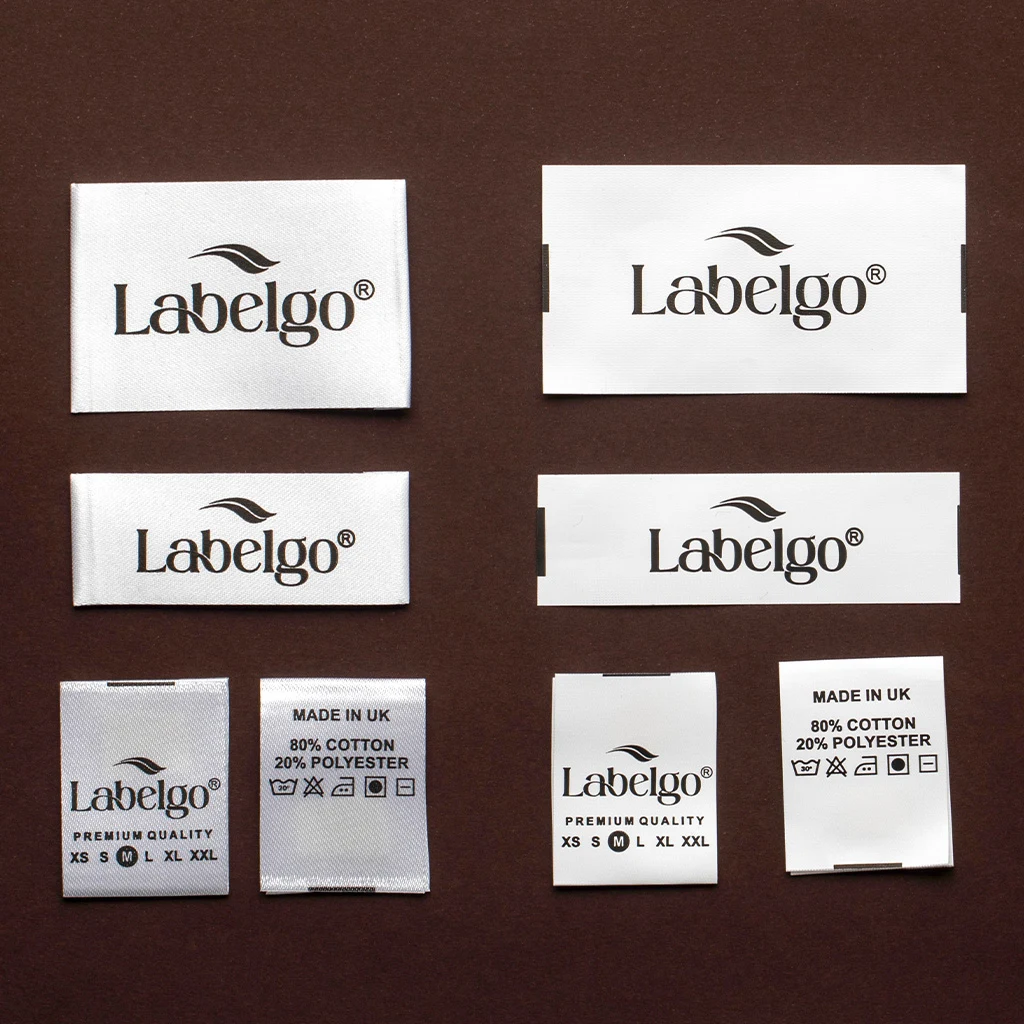
About LabelGo: 30+ Years of Textile Label Manufacturing Excellence
Committed to uncompromising textile safety, LabelGo crafts labels using OEKO-TEX® Standard 100 Class 1 certified, skin-safe yarns and precision ultrasonic heat-sealed edging that completely eliminates neck scratching. With an accessible minimum order quantity of just 250 pieces (MOQ) alongside industrial capacity for high-volume production, LabelGo provides fast 5–7 business day express worldwide shipping and dedicated 24/7 technical support for fashion brands worldwide.