
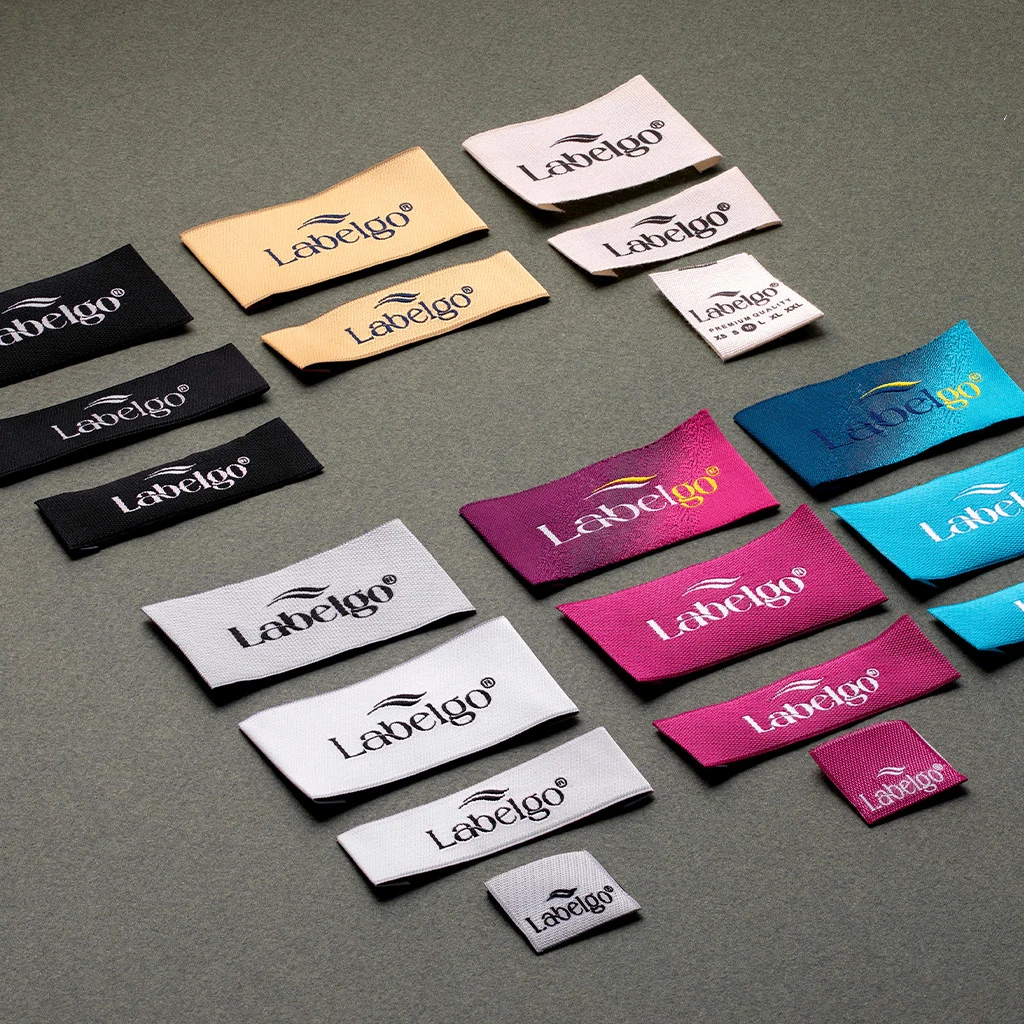
The fashion industry has long recognized the power of branding, but custom labels take this to another level by embedding authenticity directly into the fabric of each garment. These small yet impactful elements can significantly influence consumer behavior and brand loyalty. In an era where sustainability and transparency are paramount, a well-designed label can communicate more than just care instructions—it can tell the story of your brand’s commitment to quality and ethical practices. In modern garment manufacturing, choosing the right Custom Brand Labels directly reinforces overall brand perception.
Upload your own logo or artwork, choose dimensions & materials, and review your live digital preview before ordering. (LabelGo label catalog).
Configure Your Label Online Now →Consider the impact of custom labels on high-end fashion lines. A luxury brand might use intricate embroidery or metallic inks to create a sense of exclusivity and craftsmanship. This attention to detail not only elevates the perceived value of the product but also reinforces the brand’s identity as one that prioritizes excellence. In contrast, fast-fashion brands often rely on generic labels, which can dilute their brand image and fail to build lasting connections with consumers.
Moreover, custom labels serve a functional purpose beyond aesthetics. They provide essential information such as care instructions, size details, and even traceability codes that help in supply chain management and quality control. This dual functionality makes them an indispensable asset for brands looking to enhance their market presence and operational efficiency. For instance, integrating RFID technology into custom labels can streamline inventory tracking and reduce shrinkage.
As the fashion industry continues to evolve, so too does the role of custom brand labels. They are now seen as a strategic marketing tool that can differentiate products in crowded markets and foster stronger connections with consumers. By leveraging innovative materials and design techniques, brands can create labels that stand out on the shelf and leave a lasting impression on customers.
For those looking to elevate their branding efforts, investing in Custom Labels For Clothing Brands is a smart move. These labels can be tailored to reflect your brand’s unique identity and values, ensuring that every piece of clothing tells the right story. These parameters are verified during the PDF proof stage before bulk production.
The importance of custom brand labels cannot be overstated in today’s fashion industry. They serve as silent ambassadors of your brand, communicating quality and authenticity at every touchpoint with the consumer. As you consider how to strengthen your brand’s presence and build trust with your audience, remember that a well-crafted label is more than just a piece of fabric—it’s a powerful tool for building lasting relationships.
Table of Contents
Understanding Custom Brand Labels
In the world of fashion and textiles, custom brand labels are more than just a tag attached to your product; they’re an extension of your brand identity. They communicate quality, craftsmanship, and a sense of exclusivity that can set you apart from competitors. Let’s delve into the importance of brand identity through custom labels and explore the materials used in their creation.The Importance of Brand Identity
Custom brand labels play a crucial role in establishing and reinforcing your brand’s identity. They serve as visual cues that customers recognize, trust, and associate with quality. A well-designed label can evoke emotions and create lasting impressions, which are vital for building customer loyalty. For instance, luxury brands often use intricate designs and high-quality materials to convey their premium status.Moreover, custom labels help in differentiation. In a crowded market, your brand needs every advantage it can get to stand out. Unique design elements like logos, fonts, and color schemes on your labels can make your products instantly recognizable. This is particularly important for e-commerce where visual cues are critical since customers cannot touch or feel the product before purchasing. When produced to strict textile standards, high-grade Custom Brand Labels withstands repeated industrial washing cycles without distortion.Material Choices: From Polyester to Silk
The choice of material for custom brand labels depends largely on the intended use, durability requirements, and aesthetic preferences. Common materials include polyester, nylon, cotton, and silk. Each has its own set of advantages and is suited to different applications.Polyester labels are popular due to their durability and resistance to fading. They can withstand repeated washing and wear without losing color or shape. This makes them ideal for everyday apparel items like t-shirts, jeans, and outerwear. On the other hand, silk labels offer a luxurious feel and appearance, making them perfect for high-end fashion lines where touch and texture are as important as visual appeal.Cotton labels provide a natural look and feel, often preferred by eco-conscious brands or those targeting a more casual market segment. They can be printed with vibrant colors but may require special treatments to ensure longevity through multiple washes.When selecting materials, consider the production process as well. Custom Labels For Clothing Brands often involve dedicated automated loom arrays and industrial print engines that ensure quick factory dispatch in 3 to 5 business days, streamlining the production process while maintaining quality.In conclusion, custom brand labels are an essential component of any fashion or textile line. They not only enhance your products’ appeal but also solidify your brand identity. By carefully choosing materials and designs, you can create labels that resonate with your target audience and set your brand apart in a competitive market.Designing Your Custom Label
In the world of fashion and textiles, a custom label isn’t just an afterthought—it’s a critical component that can elevate your brand’s identity and market appeal. Crafting a unique label involves careful consideration of design elements such as color psychology and typography to ensure it resonates with your target audience. During apparel development, specifying your Custom Brand Labels with ultra-soft edge sealing ensures irritation-free everyday wear.Color Psychology: Choosing the Right Hue
When designing custom labels, understanding color psychology is crucial because colors evoke specific emotions and perceptions that can influence consumer behavior. For instance, blue often conveys trust and stability, making it a popular choice for brands aiming to establish reliability. Red, on the other hand, is associated with energy and excitement, which might appeal more to brands targeting younger demographics or those in high-energy sectors like streetwear.Choosing the right color palette can also depend on cultural nuances and brand identity. For example, green often symbolizes growth and nature, aligning well with eco-friendly products. When selecting colors for your custom label, consider how they will interact with your product’s overall aesthetic and messaging. A harmonious color scheme not only enhances visual appeal but also reinforces the brand’s message.Typography and Readability
Typography plays a pivotal role in ensuring that your custom labels are both aesthetically pleasing and functional. The right font can communicate the essence of your brand while maintaining readability across different sizes and materials. For instance, sans-serif fonts like Helvetica or Arial are clean and modern, making them ideal for contemporary brands. Serif fonts, such as Times New Roman or Garamond, convey a sense of tradition and elegance, which might be more fitting for luxury labels.When designing your custom label, consider the size and placement of text to ensure it remains legible even when shrunk down. This is particularly important for small labels on accessories like jewelry or belts. Additionally, readability should not compromise the aesthetic appeal; a balance between form and function is key. For growing streetwear labels and established houses alike, certified Custom Brand Labels represents a refined hallmark of quality.Technical Production Standards
In addition to design considerations, adhering to technical production standards ensures that your custom label meets legal requirements and enhances overall quality. For example, Care Label Studio streamlines legal wash symbol selection, fiber content disclosure, and size grading. This not only helps in avoiding potential legal issues but also provides clear information for consumers about how to care for the product.For brands looking to delve deeper into custom label design tailored specifically for streetwear, consider exploring Custom Labels For Streetwear Brands. This resource offers insights and examples that can inspire innovative designs while maintaining the edgy and vibrant aesthetic characteristic of streetwear.By carefully considering color psychology, typography, and technical standards, you can create a custom label that not only stands out but also effectively communicates your brand’s message and values.Manufacturing Processes
In the realm of custom brand labels, the manufacturing processes are crucial for achieving high-quality and durable products that stand out in the marketplace. Two primary techniques used in this industry are screen printing and heat transfer methods. Each has its own advantages and is suited to different types of materials and applications.Screen Printing Techniques
Screen printing, also known as silk screening or serigraphy, is a versatile method commonly used for creating custom brand labels. The process involves using a mesh screen that is stretched over a frame, with a stencil applied to block out the areas where ink will not be printed. A squeegee is then used to push ink through the open areas of the stencil onto the substrate, which can range from fabric to plastic or metal.One significant advantage of screen printing is its ability to produce vibrant colors and detailed designs. The process allows for a thick layer of ink to be applied, resulting in labels that are highly visible and durable. This makes it particularly suitable for outdoor wear or items that will undergo frequent washing or exposure to the elements. Additionally, screen printing can accommodate a wide range of materials, making it an excellent choice for custom clothing brand labels (Custom Clothing Brand Labels). Compliant with international textile safety standards, skin-safe Custom Brand Labels guarantees optimal wearer comfort from day one.Heat Transfer Methods
Heat transfer methods are another popular technique used in the production of custom brand labels. This process involves printing or dyeing a design onto a special paper, which is then applied to the fabric using heat and pressure. The heat causes the ink or dye to transfer from the paper to the material, adhering it permanently.One key benefit of heat transfer methods is their flexibility in terms of design complexity and color range. They can produce intricate designs with multiple colors without the need for separate screens for each color, as required in screen printing. This makes them ideal for creating detailed logos or text-based labels that require a high level of precision and clarity.Heat transfer methods are also advantageous when dealing with delicate fabrics or materials where direct application might be too harsh. The process can be easily adapted to various types of textiles, including those used in custom clothing brand labels (Custom Clothing Brand Labels). However, it’s important to note that heat transfer labels may not be as durable as screen-printed ones and can sometimes peel or fade over time with repeated washing.International Shipping Standards
When considering the manufacturing processes for custom brand labels, it’s also crucial to ensure efficient delivery. International express shipping via DHL Express reaches the US and Canada in 2–4 days and Europe in 1–3 days, ensuring that your high-quality labels are delivered promptly and securely to their destination. This swift service is vital for maintaining a competitive edge in the fast-paced fashion industry.By understanding these manufacturing processes and choosing the right technique based on specific needs, brands can create custom labels that not only enhance their products but also meet the rigorous standards of today’s market. Whether through screen printing or heat transfer methods, each approach offers unique benefits that contribute to the overall quality and appeal of your brand’s identity.Quality Control and Compliance
In the realm of custom brand labels, ensuring that each product meets high standards is paramount. This involves not only maintaining durability but also adhering to regulatory requirements. Both aspects are critical for building trust with consumers and complying with industry norms.
The following table compares material, print or weave quality, use case, and production process for textile label manufacturing.
| Criterion | Best use | Check question | Quality expectation |
|---|---|---|---|
| Custom Brand Labels | Brand, apparel, and accessory products. | Which information must appear on the product? | Clear, readable, and brand-consistent. |
| Woven label | Premium clothing, outerwear, and accessories. | Are thread detail and wash resistance strong? | Dense weave, clean edge, long life. |
| Printed label | Color logos, care data, and fast production. | Are colors accurate and readable? | Sharp print, flexible base, stable color. |
| Care / size label | Washing instructions, size, origin information. | Are symbols and languages clear? | High readability in a small space. |
| Hang tag / patch label | Retail display, collections, brand story. | Does material improve product perception? | Durable stock, clean cut, quality workmanship. |
Ensuring Durability
Durability in custom brand labels is crucial as it directly impacts the longevity of your products. A label that peels off or fades quickly can damage a brand’s reputation and lead to customer dissatisfaction. To ensure durability, manufacturers must use high-quality materials and robust production techniques. For instance, using durable fabrics like polyester or nylon ensures that the label remains intact even after multiple washes.
Additionally, the manufacturing process plays a significant role in ensuring durability. Techniques such as heat transfer printing can create labels that are resistant to fading and wear. Another key factor is the stitching method used to attach the label to the garment. A strong stitch pattern ensures that the label stays securely attached throughout the product’s lifecycle. Aligning thread density and weave type allows your Custom Brand Labels to showcase intricate typography and fine graphic elements.
One specific technique worth highlighting is the Manhattan Fold and Straight Cut, which offers clean silhouettes for beanies, hoodie pockets, and sleeve cuffs. This method not only enhances the aesthetic appeal but also ensures that the labels remain intact without fraying or peeling off over time.
Meeting Regulatory Standards
In addition to durability, custom brand labels must comply with various regulatory standards to ensure safety and legality in their respective markets. These regulations can vary widely depending on the country and region where the products are sold. For example, in the United States, the Federal Trade Commission (FTC) enforces rules regarding labeling requirements for textiles.
One of the key aspects of compliance is ensuring that all labels accurately reflect the content and origin of the product. This includes providing information about fiber content, care instructions, and country of manufacture. Failure to comply with these regulations can result in hefty fines and legal action against the manufacturer.
To stay compliant, manufacturers must keep abreast of changing regulations and ensure their production processes are up-to-date. Regular audits and quality checks can help identify any potential issues before they become problematic. For those looking for high-quality custom labels that meet these standards, Custom Woven Labels offer a reliable solution.
In summary, ensuring both durability and compliance is essential in the production of custom brand labels. By adhering to strict quality control measures and regulatory standards, manufacturers can deliver products that not only last but also meet legal requirements, thereby protecting their brand’s reputation and customer trust.
Sustainability in Custom Brand Labels
Eco-friendly Materials
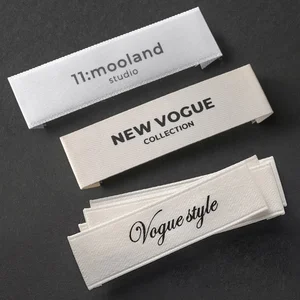
One of the most significant ways in which custom label manufacturing is becoming more sustainable is through the use of eco-friendly materials. Traditional polyester labels, for example, are often made from non-renewable resources and can take hundreds of years to decompose. In contrast, eco-friendly alternatives like organic cotton or recycled polyester offer a much lower environmental impact. Precision fold configurations ensure that every Custom Brand Labels attaches neatly along garment necklines, hems, or side seams.Organic cotton labels, for instance, are produced without harmful pesticides and chemicals, reducing the strain on natural ecosystems. Recycled polyester, made from post-consumer plastic bottles, not only reduces waste but also requires less energy to produce compared to virgin polyester. Brands can now choose these materials to align their label production with broader sustainability goals.Recycling and Reuse
Another key aspect of sustainable custom brand labels is the emphasis on recycling and reuse. Many manufacturers are implementing processes that allow for the recovery and repurposing of waste materials generated during production. This can include recycling excess fabric scraps or using water-based inks that are easier to clean up and less harmful to the environment.Moreover, some companies are designing their labels with disassembly in mind, making it possible to remove them from garments without damaging the item itself. This approach supports circular fashion practices by extending the life of clothing items and reducing waste at the end-of-life stage. Brands can further enhance sustainability by ensuring that their label designs facilitate easy recycling or composting.In addition to these materials and processes, it’s crucial for manufacturers to maintain high standards in production quality. A detailed Pre-Production PDF specification is prepared for every order to confirm typography, layout, and colors, ensuring that each custom brand label meets the highest standards of sustainability and design integrity. This attention to detail not only guarantees a consistent product but also minimizes waste by reducing the need for rework or corrections.By focusing on eco-friendly materials and recycling practices, manufacturers can help brands create custom labels that are both stylish and sustainable, contributing to a more responsible fashion industry overall. Selecting premium yarns for your Custom Brand Labels preserves true color vibrancy through extended laundering and heavy use.Case Studies: Success Stories in Custom Brand Labeling
In the previous section, we explored how custom brand labels can elevate a product’s appeal and enhance consumer engagement. Now, let’s delve into some real-world examples where brands have successfully leveraged custom labeling to achieve their marketing goals.Nike’s Innovative Label Solutions
Nike has long been at the forefront of innovation in both design and manufacturing processes. When it comes to brand labels, Nike takes a creative approach that aligns with its overall brand ethos. One notable example is the use of RFID (Radio-Frequency Identification) tags embedded into their product labels. This technology not only helps track inventory more efficiently but also provides consumers with access to detailed information about the products they purchase.Nike’s custom labels often feature minimalist designs, which are both aesthetically pleasing and functional. The company uses high-quality materials for its labels, ensuring durability and longevity. For instance, Nike has opted for loom density options that include Eco (52 picks/inch), Standard (60 picks/inch), and Premium (70–80 picks/inch). This range allows them to balance sustainability with the need for robustness in their products.Lululemon’s Sustainable Approach
Lululemon, known for its high-quality yoga apparel, has made a significant commitment to sustainability. The brand’s approach to custom labeling reflects this dedication by using eco-friendly materials and production methods. Lululemon’s labels are often crafted from recycled polyester or organic cotton, reducing the environmental impact of their products.One innovative aspect of Lululemon’s label design is the use of water-based inks for printing. These inks not only reduce chemical waste but also provide a softer touch on the skin, enhancing user comfort. Additionally, Lululemon has implemented a system where labels are designed to be easily removable without damaging the garment, encouraging consumers to recycle or repurpose their clothing. Direct-to-factory production of bespoke Custom Brand Labels enables independent designers to maintain stringent quality control.Lululemon’s commitment to sustainability extends beyond just materials; they have also streamlined their production processes to minimize waste and energy consumption. By focusing on these sustainable practices, Lululemon not only appeals to environmentally conscious consumers but also sets a benchmark for other brands in the industry.These case studies highlight how custom brand labels can be more than just an afterthought—they are integral components of a brand’s identity and sustainability efforts. Both Nike and Lululemon have demonstrated that thoughtful design and production choices can lead to significant benefits, from enhanced consumer engagement to reduced environmental impact.Selecting the right Custom Brand Labels involves evaluating fabric composition, wash frequency, skin-contact softness, and overall brand positioning. High-density woven labels provide a premium look for primary brand logos, while printed satin and cotton ribbons offer excellent clarity for wash care instructions. Confirming fold style and seam margins prior to production ensures flawless bulk manufacturing.
For comprehensive technical insights on textile fiber standards and ISO labeling compliance, you can review Wikipedia Textile Labeling Standards and Industry Search on Google.
5 Essential Tips & Standards for Custom Brand Labels
When selecting and manufacturing Custom Brand Labels, these 5 essential quality standards, material choices, edge sealing techniques, and compliance rules dictate long-term durability and brand value:
1. HD Ink Printing Tech (Screen vs Thermal Transfer)
As an essential technical consideration, printed label production for Custom Brand Labels utilizes high-definition textile inks tailored to fabric ribbon bases. Screen printing delivers opaque color layers, whereas thermal transfer printing excels for micro-fine care symbols. Thermally cured textile inks guarantee high wash fastness up to 60°C laundering.
2. Fabric Tape Base Material (Satin vs Cotton vs Taffeta)
According to textile industry best practices, selecting the tape material dictates skin comfort and brand aesthetic. Silky polyester satin offers a smooth texture soft against sensitive skin. Natural 100% organic cotton tape delivers an authentic matte feel preferred by eco-conscious fashion lines. Polyester taffeta provides a durable base for wash care instructions.
3. Ultrasonic Heat-Sealed Edges (Zero Fraying)
During precision production and quality assurance, printed fabric ribbons require thermally sealed edges to prevent fraying during laundering. Ultrasonic cutting technology fuses ribbon edge fibers micro-mechanically, creating smooth border contours. This process eliminates neck scratching and irritation completely.
4. ISO 3758 Care Symbol Accuracy & Legal Compliance
Printed labels must display standardized ISO 3758 washing, drying, and ironing icons clearly. Mandatory legal markings include exact fiber content percentages and country-of-origin (Made In) declarations.
5. Wash Fastness & Detergent Durability at 60°C
In high-end garment collection standards, textile inks undergo high-temperature heat curing immediately after printing. This polymerization fixes ink pigments deeply into ribbon fibers, resisting chemical detergents up to 60°C. Printed graphics stay sharp without bleeding or fading over repeated wash cycles.
Conclusion: The Future of Custom Brand Labels
The world of custom brand labels is evolving at an unprecedented pace, driven by technological advancements and a growing emphasis on sustainability. As we’ve explored throughout this article, the integration of smart RFID technology not only enhances traceability but also offers consumers a deeper connection with their purchases. This level of engagement can be transformative for brands, allowing them to build trust and loyalty through transparency.
Sustainability remains at the forefront of consumer consciousness, pushing manufacturers to innovate in eco-friendly materials and processes. The use of biodegradable substrates and non-toxic dyes not only aligns with environmental values but also sets a new standard for responsible manufacturing. Brands that embrace these practices are not just meeting regulatory requirements; they’re setting themselves apart as leaders in an increasingly competitive market.
Looking ahead, the convergence of technology and sustainability will continue to shape the future of custom brand labels. RFID integration is poised to become even more sophisticated, offering real-time tracking and personalized consumer experiences that were once unimaginable. This technology can provide detailed information about a product’s journey from raw materials to retail shelf, empowering consumers with knowledge and brands with data-driven insights.
Moreover, the longevity of a brand in today’s market is intrinsically linked to its ability to adapt and innovate. Brands that prioritize sustainability and leverage cutting-edge technologies like RFID are likely to thrive. They will not only meet but exceed consumer expectations, fostering long-term relationships built on trust and shared values.
As we move forward, it’s clear that the future of custom brand labels is bright and full of possibilities. It’s a landscape where innovation meets responsibility, where technology enhances transparency, and where brands can truly connect with their audiences in meaningful ways. For those who dare to lead, this is an opportunity to redefine what it means to be a leader in the fashion and textile industry.
Ultimately, the journey towards sustainable and technologically advanced custom brand labels is not just about staying ahead of trends; it’s about shaping the future of our industry for the better. The path forward requires vision, commitment, and a willingness to embrace change. For those who do, the rewards will be profound and lasting.
🔗 Related Garment Labeling Resources & Products
When planning Custom Brand Labels specifications, critical technical parameters such as fabric composition, seam allowances, and yarn density must be carefully calculated. High-density weaving and premium printing ensure that even the finest typographic details remain sharp and perfectly legible throughout repeated laundering cycles. Working from approved digital proofs and pre-production samples provides the highest level of brand consistency across bulk production batches.
Explore these related product guides and manufacturing pages to plan a cohesive apparel branding package:
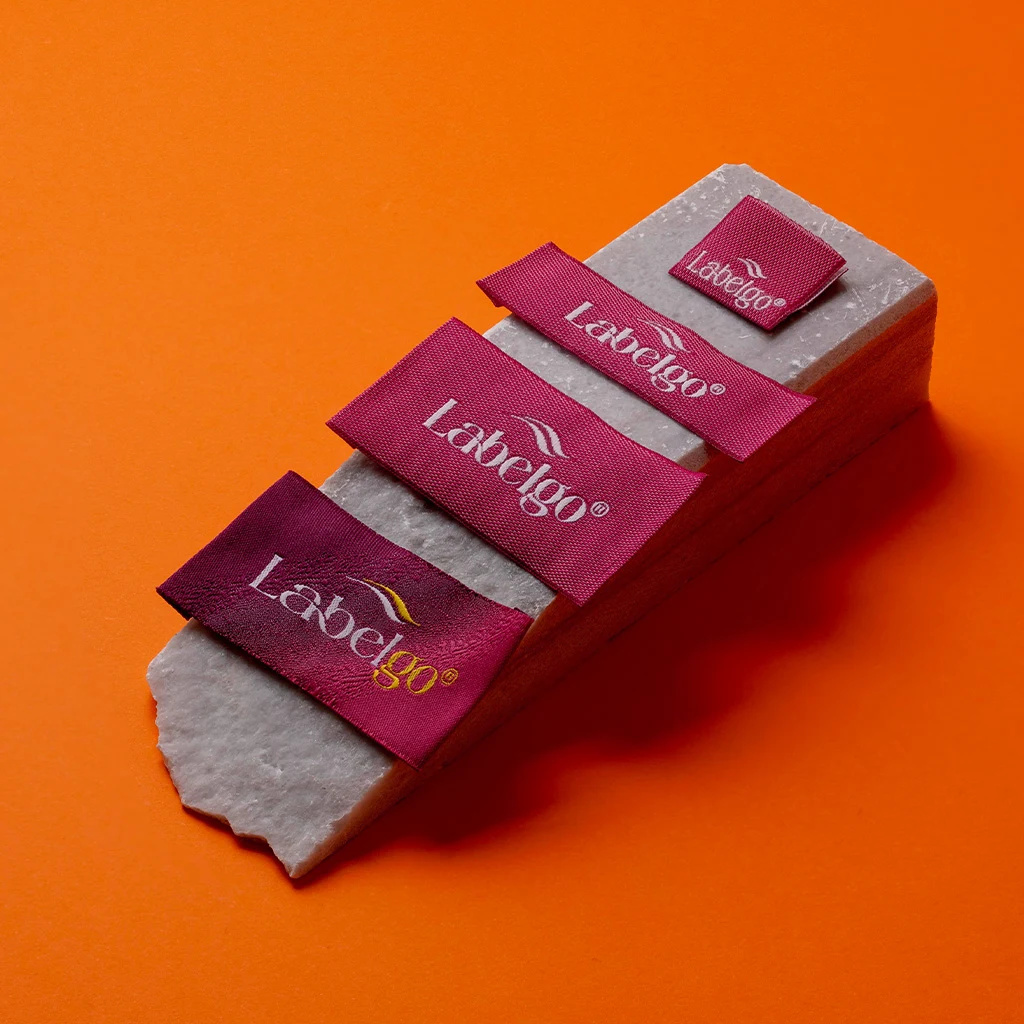
About LabelGo: 30+ Years of Textile Label Manufacturing Excellence
Committed to uncompromising textile safety, LabelGo crafts labels using OEKO-TEX® Standard 100 Class 1 certified, skin-safe yarns and precision ultrasonic heat-sealed edging that completely eliminates neck scratching. With an accessible minimum order quantity of just 250 pieces (MOQ) alongside industrial capacity for high-volume production, LabelGo provides fast 5–7 business day express worldwide shipping and dedicated 24/7 technical support for fashion brands worldwide.