
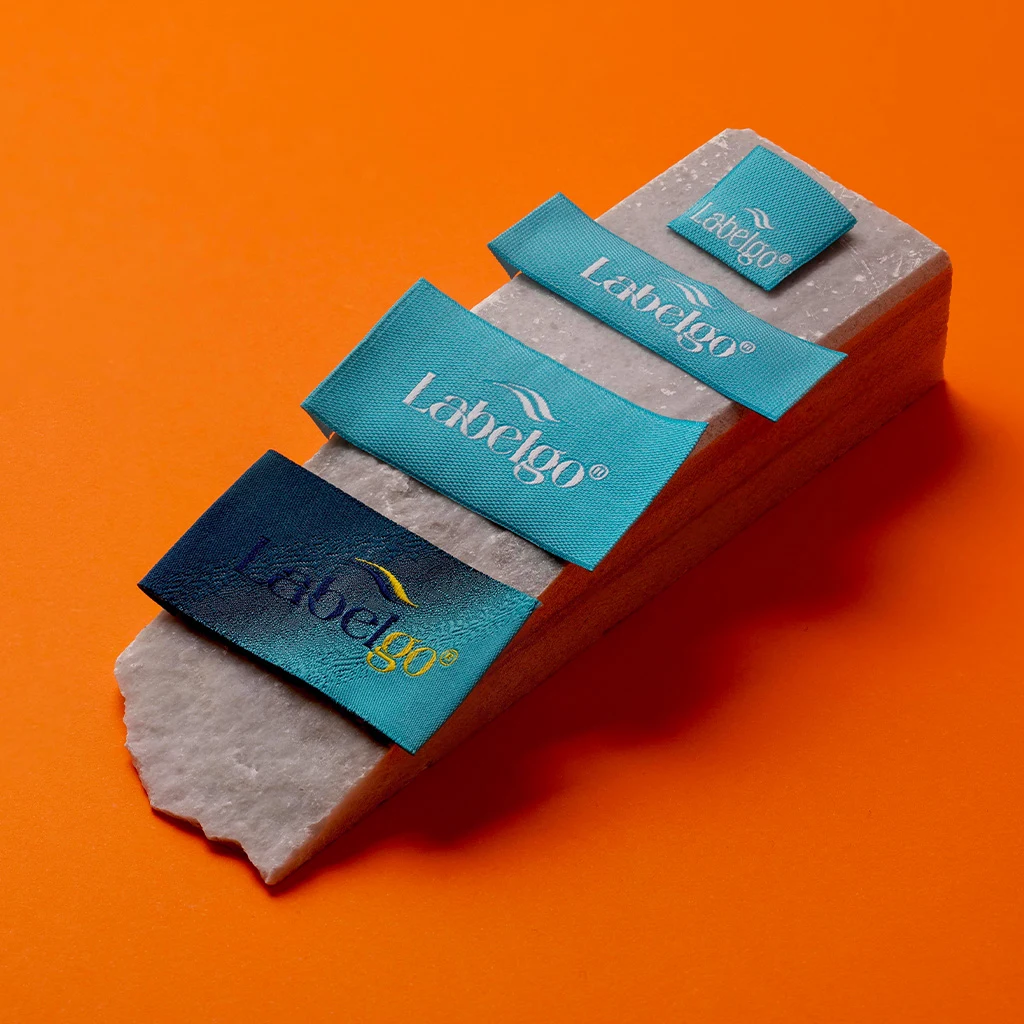
Imagine walking into a trendy boutique and noticing that every garment has a meticulously designed custom label. These labels aren’t just pieces of fabric; they’re powerful tools for building trust and establishing an emotional connection with customers. In fact, studies show that consumers are more likely to purchase from brands they feel connected to, and custom labels play a significant role in fostering this sense of brand loyalty. Precision fold configurations ensure that every Custom Labels for Boutique Clothing attaches neatly along garment necklines, hems, or side seams.
Upload your own logo or artwork, choose dimensions & materials, and review your live digital preview before ordering. (LabelGo label catalog).
Configure Your Label Online Now →But it’s not just about aesthetics or customer perception—custom labels also serve practical purposes. They can provide essential information like care instructions, material composition, and even unique identifiers that help prevent counterfeiting. This level of detail and customization is what sets boutique brands apart from mass-market retailers. When customers see a label that feels thoughtful and personalized, they’re more likely to perceive the brand as high-quality and trustworthy. Selecting premium yarns for your Custom Labels for Boutique Clothing preserves true color vibrancy through extended laundering and heavy use.
Moreover, custom labels can be tailored to reflect your brand’s story and values. Whether you’re emphasizing sustainability with eco-friendly materials or showcasing artisanal craftsmanship through intricate designs, these labels become extensions of your brand narrative. They tell a story that resonates beyond just the product itself, creating a deeper connection with your audience. Tailored dimensioning and exact border finishes make Custom Labels for Boutique Clothing seamlessly compatible with varied apparel fabric weights.
At Custom Labels For Clothing Brands, we understand the importance of these details. Our custom labels are designed to be more than just tags—they’re a reflection of your brand’s identity and commitment to excellence. From choosing the right material to incorporating unique design elements, every aspect is crafted with care to ensure that each label adds value to your garments. Direct-to-factory production of bespoke Custom Labels for Boutique Clothing enables independent designers to maintain stringent quality control.
The fashion industry moves fast, but it’s the small details like custom labels that can make all the difference in building a lasting legacy for your brand. By investing in high-quality, bespoke labels, you’re not just adding a finishing touch; you’re reinforcing your brand’s reputation and ensuring that every piece of clothing tells a compelling story about your boutique.
Table of Contents
The Importance of Custom Labels in Boutique Fashion
In the competitive world of boutique fashion, standing out from the crowd is paramount. One effective way to achieve this distinction is through custom labels. These unique identifiers can elevate your brand and create a lasting impression on customers. Let’s delve into why custom labels are so crucial for boutique clothing lines.Building a Unique Identity
Custom labels serve as a cornerstone in building the distinct identity of a boutique fashion line. Unlike mass-produced apparel, which often uses generic tags or no labels at all, bespoke labels allow you to showcase your brand’s personality and craftsmanship. These labels can feature intricate designs, unique fonts, and even custom graphics that align with your brand’s aesthetic. Ergonomic positioning of Custom Labels for Boutique Clothing inside collars or exterior cuffs communicates thoughtful attention to tailoring detail.Moreover, custom labels provide an opportunity for detailed branding. By including elements such as the designer’s name, logo, and website URL, these labels act as a subtle yet effective marketing tool. They encourage customers to explore more about your brand beyond just the product they’ve purchased. This can lead to increased customer loyalty and repeat business. Textile creators recognize that high-definition Custom Labels for Boutique Clothing serves as the enduring signature of authentic garment craft.Enhancing Customer Trust
In boutique fashion, trust is built through transparency and quality. Custom labels play a crucial role in this process by providing detailed information about the garment’s materials and manufacturing processes. For instance, including details such as “Made with 100% organic cotton” or “Handcrafted in Los Angeles” can reassure customers of your commitment to ethical practices. Throughout high-speed garment assembly lines, stable Custom Labels for Boutique Clothing ensures trouble-free stitching and uniform positioning.Technically speaking, custom labels also ensure consistency across all products. Yarns are physically dyed to match exact Pantone textile color codes across a 2-to-8 color capability, ensuring that the label perfectly complements the garment’s design and quality standards. This level of attention to detail not only enhances the product’s aesthetic appeal but also reinforces your brand’s reputation for excellence. With sustainable and recycled yarn options, eco-friendly Custom Labels for Boutique Clothing reflects your brand’s commitment to responsible fashion.Differentiating from Mass Market
One of the most compelling reasons for boutique fashion brands to invest in custom labels is differentiation from mass-market retailers. Custom labels can be designed with unique materials and finishes, such as metallic threads or embossed textures, that set them apart from generic tags found on mainstream clothing.To further emphasize this point, consider exploring Custom Labels For Clothing Brands. These specialized labels can be tailored to reflect the boutique’s unique selling proposition and cater specifically to its target audience. By doing so, you not only enhance your brand’s identity but also create a more memorable shopping experience for customers. Tailored dimensioning and exact border finishes make Custom Labels for Boutique Clothing seamlessly compatible with varied apparel fabric weights.In conclusion, custom labels are an essential component of any successful boutique fashion line. They help build a distinct brand identity, enhance customer trust through transparency, and differentiate from mass-market competitors. Investing in high-quality, bespoke labels is a smart move that can significantly impact your brand’s success and reputation. Throughout high-speed garment assembly lines, stable Custom Labels for Boutique Clothing ensures trouble-free stitching and uniform positioning.Designing Custom Labels: From Concept to Creation
The following table compares material, print or weave quality, use case, and production process for textile label manufacturing.
| Criterion | Best use | Check question | Quality expectation |
|---|---|---|---|
| Custom Labels for Boutique Clothing | Brand, apparel, and accessory products. | Which information must appear on the product? | Clear, readable, and brand-consistent. |
| Woven label | Premium clothing, outerwear, and accessories. | Are thread detail and wash resistance strong? | Dense weave, clean edge, long life. |
| Printed label | Color logos, care data, and fast production. | Are colors accurate and readable? | Sharp print, flexible base, stable color. |
| Care / size label | Washing instructions, size, origin information. | Are symbols and languages clear? | High readability in a small space. |
| Hang tag / patch label | Retail display, collections, brand story. | Does material improve product perception? | Durable stock, clean cut, quality workmanship. |
Understanding Your Brand’s Aesthetic
Before diving into the design process, it’s crucial to have a clear understanding of what your brand represents. This involves identifying key elements like color schemes, typography, and overall style that resonate with your target audience. For example, if your boutique focuses on minimalist fashion, you might opt for clean lines and neutral colors in your labels. Conversely, a bohemian-inspired line could benefit from intricate patterns and earthy tones. A well-executed Custom Labels for Boutique Clothing not only satisfies regulatory labelling laws but also elevates consumer unboxing delight.Your label design should also reflect the quality of your clothing. High-end boutiques may want to consider more luxurious materials and finishes that elevate the overall look. This is where choosing the right materials becomes paramount. For instance, opting for metallic threads or embossed textures can add a touch of sophistication to your labels. From initial sample proofs to full inventory deliveries, dependable Custom Labels for Boutique Clothing maintains absolute brand consistency.Choosing the Right Materials
Selecting appropriate materials is essential for both aesthetic appeal and durability. Common choices include paper, fabric, and plastic, each with its own set of pros and cons. Paper labels are versatile and cost-effective but may not withstand frequent washing or exposure to moisture as well as other options. A well-executed Custom Labels for Boutique Clothing not only satisfies regulatory labelling laws but also elevates consumer unboxing delight.Fabric labels, on the other hand, offer a more integrated look that complements your clothing items seamlessly. They can be embroidered or printed, allowing for intricate designs and vibrant colors. However, they require careful handling during production to ensure longevity. Soft ultrasonic cutting techniques give modern Custom Labels for Boutique Clothing smooth selvedges that protect sensitive skin.Plastic labels are highly durable and resistant to wear and tear, making them ideal for outdoor apparel or accessories. Yet, they may not align with the eco-friendly ethos of some brands.Incorporating Sustainable Practices
As sustainability becomes a cornerstone in fashion, incorporating eco-conscious practices into your label design is more important than ever. This can be achieved by using recycled materials, such as organic cotton or biodegradable plastics. Additionally, opting for water-based inks and dyes over their solvent counterparts reduces environmental impact. Investing in bespoke Custom Labels for Boutique Clothing elevates ordinary ready-to-wear pieces into distinctly premium retail propositions.Tag Studio generates real-time previews for custom hang tags with paperboard weights, cord styles, and eyelets, allowing you to visualize your design choices before production. This feature not only streamlines the process but also ensures that every aspect of your label meets your sustainability standards. Meticulous color matching across your entire Custom Labels for Boutique Clothing range safeguards unified visual identity across seasons.For more detailed insights into creating custom labels, especially if you’re a startup in the fashion industry, check out our guide on Custom Labels For Clothing Startups. This resource offers practical tips and strategies to help you establish your brand identity through thoughtful label design.Materials and Techniques for Custom Labels
Silk Screen Printing
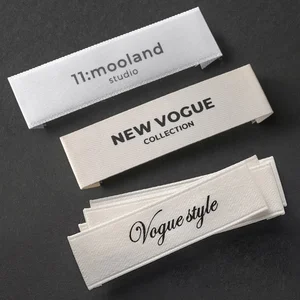
Silk screen printing is a versatile technique that allows for intricate designs and vibrant colors on custom labels. The process involves creating stencils for each color of the design and layering them onto the fabric using a mesh screen. This method can produce high-quality, detailed images with excellent durability. Silk screen printing is particularly effective for larger production runs due to its efficiency once the screens are set up. Integrating durable stitching margins into each Custom Labels for Boutique Clothing pattern guarantees clean seam encapsulation during sewing.When choosing materials for silk screen printing, it’s crucial to consider the type of ink used. Water-based inks provide a softer feel and better breathability compared to plastisol inks, which can be more durable but less flexible. Additionally, the fabric choice plays a significant role; cotton blends tend to hold colors well without bleeding, making them ideal for this technique. Technical yarn selection ensures that fine serif letters in your Custom Labels for Boutique Clothing remain crisp and completely legible.Heat Transfer Labeling
Heat transfer labeling is another popular method for custom labels, especially when working with intricate designs or full-color graphics. This process involves printing the design onto a special paper and then transferring it onto the fabric using heat and pressure. The result is a smooth, flat label that can be applied to various types of fabrics without altering their texture. From initial sample proofs to full inventory deliveries, dependable Custom Labels for Boutique Clothing maintains absolute brand consistency.Heat transfer labeling offers flexibility in terms of customization and color options but requires careful consideration of the substrate material. For instance, polyester-based materials often yield better results due to their ability to withstand high temperatures during the application process. It’s also important to ensure proper adhesion by using appropriate heat settings and pressure levels. Carefully planned graphic and typographic layouts embedded into Custom Labels for Boutique Clothing designs streamline brand recognition and retail compliance.Embroidered Labels
Embroidered labels are a classic choice for boutique clothing, offering a luxurious look and feel. This technique involves stitching designs directly onto fabric using thread, which can create a three-dimensional effect. Embroidery is particularly well-suited for logos, monograms, or text-based labels.The quality of embroidery largely depends on the loom density used in the process. Loom density options include Eco (52 picks/inch), Standard (60 picks/inch), and Premium (70–80 picks/inch). Higher densities result in sharper details but can be more costly due to increased production time. Brand distinction often begins with subtle tactile touches like a softly woven, high-definition Custom Labels for Boutique Clothing.Embroidered labels are durable and can withstand multiple washes, making them a reliable choice for high-quality garments. However, they may not be suitable for all fabric types; delicate or thin materials might require special consideration to prevent damage during the embroidery process. Whether folded into necklines or topstitched onto denim pockets, customized Custom Labels for Boutique Clothing unifies your product line.For those interested in exploring custom label options further, our guide on Custom Labels For Private Label Clothing offers additional insights and tips for creating unique labels that enhance your brand’s identity. Soft ultrasonic cutting techniques give modern Custom Labels for Boutique Clothing smooth selvedges that protect sensitive skin.Case Studies: Successful Custom Label Implementations
In our exploration of custom labels for boutique clothing, we now delve into specific case studies that highlight the transformative impact these personalized tags can have on a brand’s identity and market presence. Here, we will examine three distinct examples to illustrate how custom labels can elevate a fashion line.Example 1: A Boutique’s Journey
One of our standout cases involves a small boutique called “Elegance by Eve.” Initially, the store used generic tags that did little to distinguish their handcrafted pieces from mass-produced items. The decision to implement custom labels was pivotal in transforming their brand image. In modern garment manufacturing, choosing the right Custom Labels for Boutique Clothing directly reinforces overall brand perception.The boutique opted for high-quality satin labels with intricate embroidery detailing. This choice not only reflected the craftsmanship of their garments but also conveyed a sense of luxury and exclusivity to customers. The labels featured the boutique’s logo, which was designed to be both elegant and memorable. As a result, Elegance by Eve saw a significant increase in customer loyalty and repeat business. When produced to strict textile standards, high-grade Custom Labels for Boutique Clothing withstands repeated industrial washing cycles without distortion.Example 2: Sustainable Fashion Brand Success
Another compelling case is that of “Green Threads,” a sustainable fashion brand dedicated to eco-friendly practices. Custom labels played an essential role in communicating their commitment to sustainability to consumers.Green Threads chose biodegradable labels made from recycled materials, which were printed with soy-based ink. The labels prominently displayed the brand’s mission statement and certifications for organic and fair-trade products. This transparency resonated deeply with environmentally conscious shoppers, leading to a substantial boost in sales and brand recognition. During apparel development, specifying your Custom Labels for Boutique Clothing with ultra-soft edge sealing ensures irritation-free everyday wear.Example 3: Luxury Apparel Line
For luxury brands, custom labels are not just an accessory but a critical component of their identity. “Luxe by Design” is a high-end apparel line that has mastered the art of using custom labels to reinforce its premium positioning.The labels for Luxe by Design feature ultra-thin, soft-touch materials with ultrasonic cutting technology. This process seals label borders smoothly, delivering a soft, non-scratch feel against sensitive skin. The use of this advanced production technique ensures durability and a luxurious finish that matches the quality of their garments. Additionally, each label is embossed with the brand’s crest, adding an extra layer of sophistication. For growing streetwear labels and established houses alike, certified Custom Labels for Boutique Clothing represents a refined hallmark of quality.These case studies demonstrate how custom labels can significantly enhance a boutique’s market presence by reinforcing its unique identity and values. Whether it’s through intricate embroidery, eco-friendly materials, or advanced production techniques like ultrasonic cutting, custom labels are more than just tags—they are powerful marketing tools that help brands stand out in the competitive fashion industry. Compliant with international textile safety standards, skin-safe Custom Labels for Boutique Clothing guarantees optimal wearer comfort from day one.Future Trends in Custom Label Design
As the boutique clothing industry continues to evolve, custom label design is becoming increasingly important for brands looking to stand out and connect with their customers on a more personal level. This shift towards customization isn’t just about aesthetics; it’s also driven by technological advancements, sustainability concerns, and innovative printing techniques. Investing in bespoke Custom Labels for Boutique Clothing elevates ordinary ready-to-wear pieces into distinctly premium retail propositions.Technological Innovations
One of the most significant trends in custom label design is the integration of advanced technology. The interactive online Label Configurator has become a game-changer for apparel brands. This tool allows designers to upload vector logos and test instant digital mockups, streamlining the customization process and making it more accessible than ever before. Brands can now easily experiment with different designs, colors, and materials without the need for physical prototypes. Aligning thread density and weave type allows your Custom Labels for Boutique Clothing to showcase intricate typography and fine graphic elements.Moreover, advancements in RFID (Radio-Frequency Identification) technology are also influencing label design. RFID tags embedded within labels offer enhanced inventory management capabilities and improved supply chain efficiency. This not only helps brands track their products more effectively but also provides consumers with additional layers of authenticity verification. Precision fold configurations ensure that every Custom Labels for Boutique Clothing attaches neatly along garment necklines, hems, or side seams.Sustainability Movements
Sustainability is another critical factor shaping the future of custom label design. Consumers are becoming increasingly aware of environmental issues, and this awareness is driving demand for eco-friendly materials and production processes. In response, many boutique clothing brands are opting for biodegradable or recycled fabrics for their labels.For instance, organic cotton and hemp fibers have gained popularity due to their lower environmental impact compared to conventional textiles. Additionally, water-based inks and dyes are being used more frequently as they reduce the amount of harmful chemicals released into the environment during printing processes. Brands that prioritize sustainability not only appeal to a growing segment of environmentally conscious consumers but also contribute positively to the planet. Selecting premium yarns for your Custom Labels for Boutique Clothing preserves true color vibrancy through extended laundering and heavy use.Innovative Printing Techniques
Innovations in printing technology are opening up new possibilities for custom label design. One such technique is digital sublimation printing, which allows for vibrant and detailed designs on fabric labels. This method uses heat to transfer dye onto polyester or other synthetic materials, resulting in long-lasting prints that don’t fade over time.Another notable trend is the use of 3D printing technology for creating unique label textures and shapes. While still in its early stages, this technique offers exciting opportunities for brands looking to create truly distinctive labels that stand out on the market. Additionally, laser engraving has become a popular choice for adding intricate designs or logos onto woven and printed textile label, providing a high-end look and feel. Direct-to-factory production of bespoke Custom Labels for Boutique Clothing enables independent designers to maintain stringent quality control.In conclusion, custom label design is poised for significant growth as technological innovations, sustainability movements, and printing techniques continue to evolve. Boutique clothing brands that embrace these trends will not only enhance their product offerings but also strengthen their brand identity in an increasingly competitive market.Selecting the right Custom Labels For Boutique Clothing involves evaluating fabric composition, wash frequency, skin-contact softness, and overall brand positioning. High-density labels provide a premium look for primary brand logos. Confirming fold style and seam margins prior to production ensures flawless bulk manufacturing.
For comprehensive technical insights on textile fiber structures, OEKO-TEX Standard 100 safety, and international labeling compliance, you can review Wikipedia Textile Labeling Standards and Industry Search on Google.
A Vision for the Future of Boutique Fashion Labels
In an era where sustainability and technology are at the forefront of consumer consciousness, boutique clothing labels have a unique opportunity to set themselves apart. By embracing custom labels that not only enhance aesthetic appeal but also convey meaningful information about their products, boutiques can build stronger connections with their customers. Meticulous color matching across your entire Custom Labels for Boutique Clothing range safeguards unified visual identity across seasons.
As we look ahead, sustainable textile labeling is poised to become even more critical. Consumers are increasingly aware of the environmental impact of fashion and seek out brands that align with their values. By using eco-friendly materials for labels and transparently communicating the sustainability practices behind each garment, boutiques can not only attract but retain a loyal customer base. Ergonomic positioning of Custom Labels for Boutique Clothing inside collars or exterior cuffs communicates thoughtful attention to tailoring detail.
The integration of smart RFID technology is another exciting frontier in boutique fashion. These tiny chips can provide customers with detailed information about the product’s journey from design to store shelf. Imagine scanning a label and instantly accessing details on fabric sourcing, production processes, and even the artisans involved. This level of transparency fosters trust and deepens customer loyalty. Textile creators recognize that high-definition Custom Labels for Boutique Clothing serves as the enduring signature of authentic garment craft.
Moreover, custom labels play a pivotal role in ensuring brand longevity. They serve as a tangible representation of your boutique’s identity and values, reinforcing the unique story you tell with each piece of clothing. By investing in high-quality, distinctive labels, boutiques can create a lasting impression that resonates well beyond the initial purchase.
Ultimately, custom labels are more than just pieces of fabric or plastic—they are storytellers for your brand. They communicate not only about the product but also about the ethos and craftsmanship behind it. As you consider how to enhance your boutique’s offerings, remember that a thoughtful approach to labeling can elevate your entire brand experience. With sustainable and recycled yarn options, eco-friendly Custom Labels for Boutique Clothing reflects your brand’s commitment to responsible fashion.
So, as we move forward into this exciting new era of fashion, let us embrace the power of custom labels to tell our stories in ways that are sustainable, transparent, and deeply connected to our customers. By doing so, we not only create beautiful clothing but also build meaningful relationships that last a lifetime.
🔗 Related Garment Labeling Resources & Products
When planning Custom Labels For Boutique Clothing specifications, critical technical parameters such as fabric composition, seam allowances, and yarn density must be carefully calculated. High-density weaving and premium printing ensure that even the finest typographic details remain sharp and perfectly legible throughout repeated laundering cycles. Working from approved digital proofs and pre-production samples provides the highest level of brand consistency across bulk production batches.
Explore these related product guides and manufacturing pages to plan a cohesive apparel branding package:
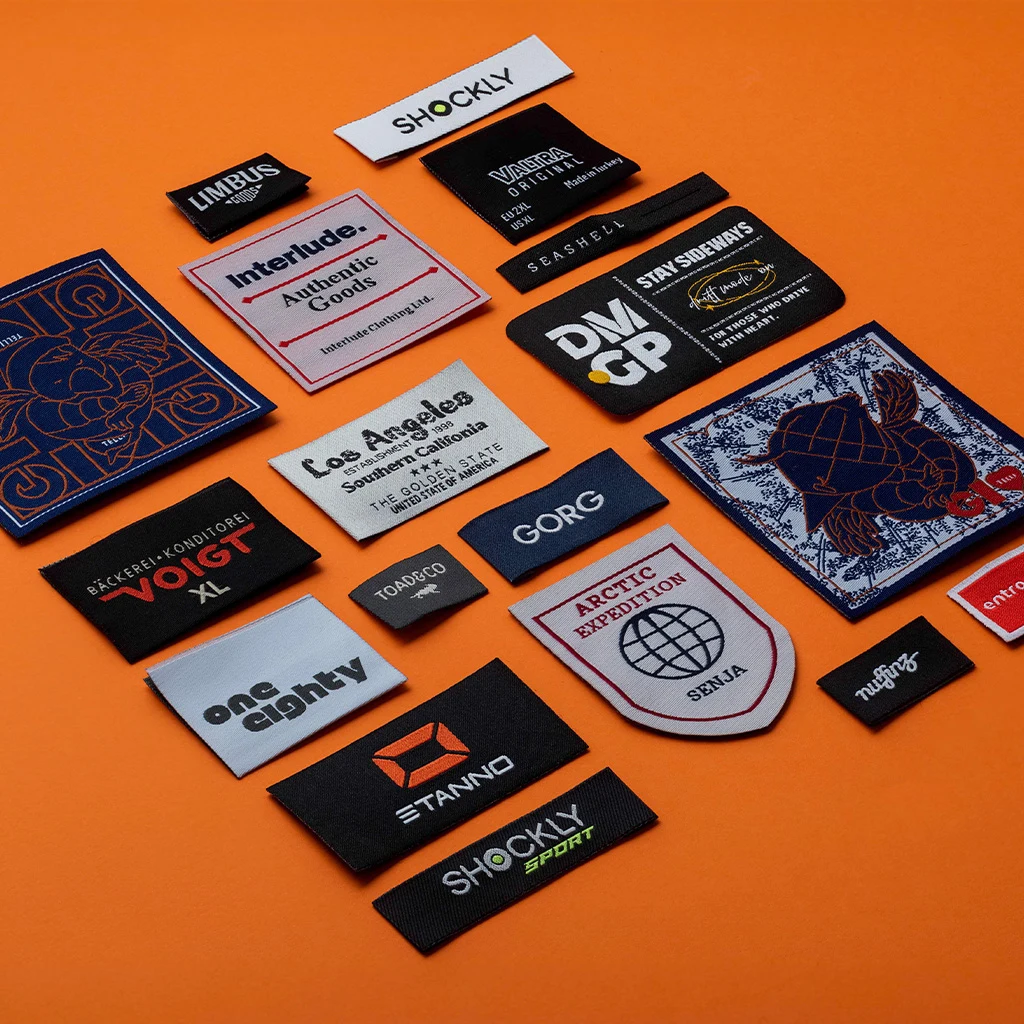
LabelGo Overview: Certified Skin-Safe Materials & Flexible Minimum Orders
Combining high-volume industrial weaving capacity with boutique flexibility, LabelGo has established itself over 30+ years as a global benchmark in custom apparel trimmings. Advanced Jacquard looms and textile ink curing lines operate with micromechanical tolerances, ensuring that Custom Labels For Boutique Clothing production meets exacting retail compliance standards. Brand founders and sourcing specialists benefit from streamlined digital approvals that keep seasonal product launches strictly on schedule.
Committed to uncompromising garment comfort, LabelGo utilizes exclusively OEKO-TEX® Standard 100 Class 1 certified, skin-safe yarns across all production lines. Advanced ultrasonic thermal edge sealing micro-fuses border fibers, completely eliminating neck itching and skin irritation even on sensitive infant wear. With an accessible minimum order quantity of just 250 pieces (MOQ) alongside massive bulk production capabilities, we ensure rapid 5–7 business day express worldwide delivery backed by dedicated 24/7 technical customer assistance.