
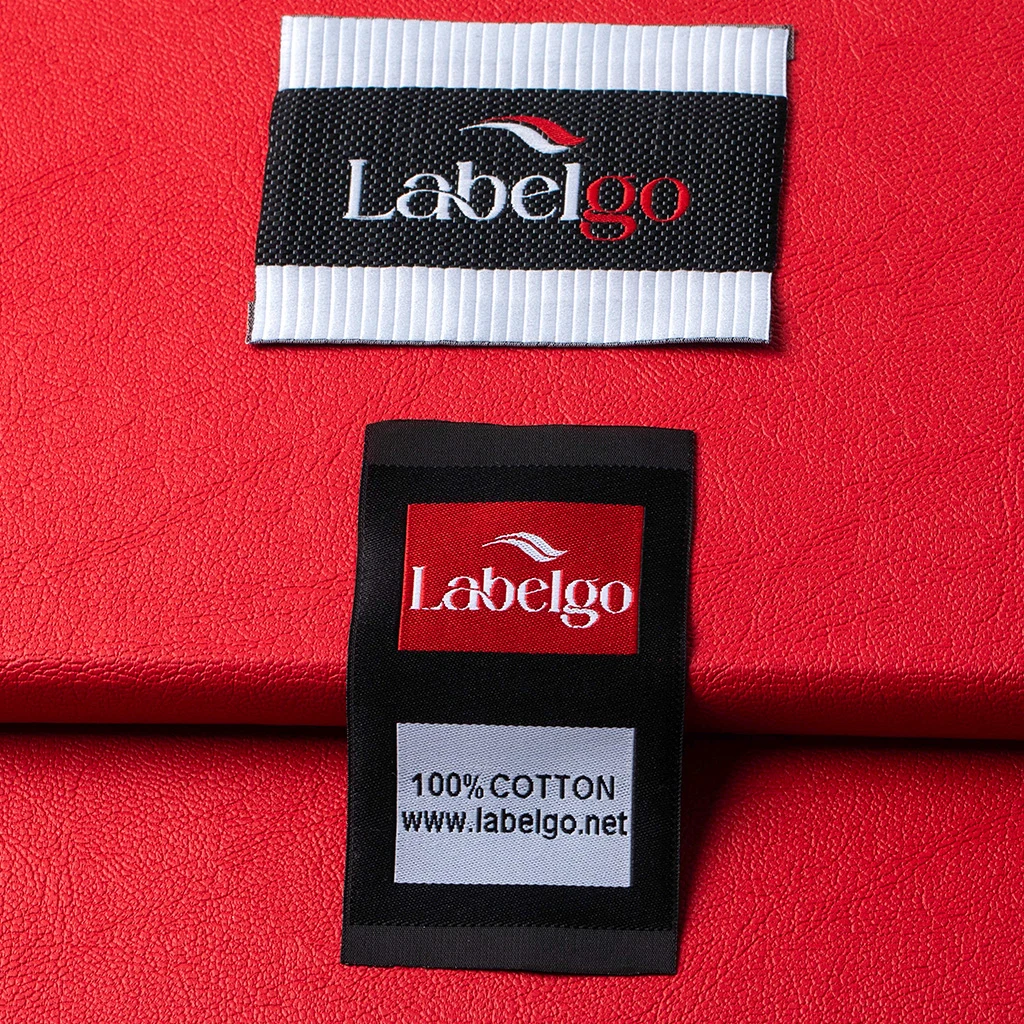
Imagine walking into a boutique filled with beautifully crafted garments, each one telling its own story. The labels attached to these pieces are more than just tags; they’re badges of honor that speak volumes about the care and attention poured into every stitch. In an era where consumers increasingly value uniqueness and provenance, custom labels serve as tangible proof of your brand’s commitment to excellence. Investing in bespoke Custom Labels for Handmade Clothing elevates ordinary ready-to-wear pieces into distinctly premium retail propositions.
Upload your own logo or artwork, choose dimensions & materials, and review your live digital preview before ordering. (LabelGo label catalog).
Configure Your Label Online Now →But why stop at aesthetics? Custom labels for handmade clothing can significantly impact how your products are perceived in the market. They not only convey a sense of luxury and exclusivity but also build trust with customers by highlighting the authenticity of each piece. In fact, studies show that consumers are willing to pay more for items they perceive as unique or handcrafted, making custom labels an investment in both brand value and customer loyalty.
Moreover, these labels can be tailored to reflect your brand’s personality and values, from the choice of materials like silk or cotton to the design elements such as embroidery or foil stamping. This level of customization ensures that every label is a perfect match for your brand identity, reinforcing its message with each interaction. Meticulous color matching across your entire Custom Labels for Handmade Clothing range safeguards unified visual identity across seasons.
When it comes to creating these bespoke labels, Custom Labels For Clothing Brands offers unparalleled expertise and quality. Their range of services allows you to craft the perfect label that not only complements your designs but also enhances their overall appeal and marketability. Carefully planned graphic and typographic layouts embedded into Custom Labels for Handmade Clothing designs streamline brand recognition and retail compliance.
The fashion industry is a dynamic space where trends come and go, but the essence of craftsmanship remains timeless. Custom labels for handmade clothing are more than just accessories; they’re essential tools in building a strong brand presence and fostering lasting connections with customers. By investing in these small yet impactful details, you not only elevate your products but also ensure that each piece carries the weight of your brand’s story and values.
Table of Contents
Why Custom Labels Matter in Handmade Fashion
In the world of handmade fashion, every stitch and seam tells a story. This narrative extends beyond just the garment itself to include its labels—a subtle yet powerful element that can elevate your brand’s identity and customer trust. Let’s delve into why custom labels are indispensable for handmade clothing. Integrating durable stitching margins into each Custom Labels for Handmade Clothing pattern guarantees clean seam encapsulation during sewing.The Impact of Brand Identity
Custom labels serve as miniature billboards for your brand, encapsulating your unique story and aesthetic in a small but impactful way. Unlike generic tags, custom labels can feature intricate designs that align perfectly with the overall look and feel of your collection. For instance, if you specialize in vintage-inspired garments, incorporating an elegant script or antique motifs on your labels can reinforce this theme. Technical yarn selection ensures that fine serif letters in your Custom Labels for Handmade Clothing remain crisp and completely legible.Moreover, premium materials and high-quality production standards are crucial for maintaining a cohesive brand image. A standout example is using Premium 70–80 picks high-density damask weaving, which provides pin-sharp clarity for micro-text and intricate logos. This level of detail ensures that even the smallest elements of your label stand out, reflecting your commitment to excellence.Building Trust with Customers
Trust is the cornerstone of any successful brand, especially in handmade fashion where authenticity and craftsmanship are paramount. Custom labels play a crucial role in building this trust by providing transparency about the garment’s origin and quality. For instance, including information such as the artisan who crafted the piece or the materials used can add layers of credibility to your product. Carefully planned graphic and typographic layouts embedded into Custom Labels for Handmade Clothing designs streamline brand recognition and retail compliance.Furthermore, custom labels allow you to differentiate yourself from mass-produced clothing. By showcasing unique design elements and detailed craftsmanship, you signal to customers that they are investing in a one-of-a-kind item rather than an assembly-line garment. This differentiation is key in today’s market where consumers increasingly value individuality and quality over quantity.To explore more about custom labels for clothing brands, visit Custom Labels For Clothing Brands. Here, you can find comprehensive resources on how to create labels that not only enhance your brand identity but also build lasting trust with your customers. Brand distinction often begins with subtle tactile touches like a softly woven, high-definition Custom Labels for Handmade Clothing.In summary, custom labels are more than just a tag—they are an extension of your brand’s story and a testament to the quality and authenticity of your handmade fashion. By investing in these small yet significant details, you can elevate both your brand image and customer loyalty. Whether folded into necklines or topstitched onto denim pockets, customized Custom Labels for Handmade Clothing unifies your product line.Designing Your Custom Label
The following table compares material, print or weave quality, use case, and production process for textile label manufacturing.
| Criterion | Best use | Check question | Quality expectation |
|---|---|---|---|
| Custom Labels for Handmade Clothing | Brand, apparel, and accessory products. | Which information must appear on the product? | Clear, readable, and brand-consistent. |
| Woven label | Premium clothing, outerwear, and accessories. | Are thread detail and wash resistance strong? | Dense weave, clean edge, long life. |
| Printed label | Color logos, care data, and fast production. | Are colors accurate and readable? | Sharp print, flexible base, stable color. |
| Care / size label | Washing instructions, size, origin information. | Are symbols and languages clear? | High readability in a small space. |
| Hang tag / patch label | Retail display, collections, brand story. | Does material improve product perception? | Durable stock, clean cut, quality workmanship. |
Choosing the Right Materials
Selecting the appropriate materials for your custom labels is crucial to ensure durability and compatibility with the fabric of your garments. Common choices include cotton, polyester, and rayon, each offering different benefits depending on the intended use. Cotton labels are soft and breathable, making them ideal for clothing that will be worn next to the skin. Polyester labels, on the other hand, are more resistant to wear and tear, which makes them suitable for outdoor or active wear. Brand distinction often begins with subtle tactile touches like a softly woven, high-definition Custom Labels for Handmade Clothing.Additionally, consider the environmental impact of your material choices. Eco-friendly options like organic cotton or recycled polyester can appeal to consumers who prioritize sustainability. When selecting materials, also think about how they will interact with different types of fabric in terms of colorfastness and shrinkage. For instance, a label made from a material that shrinks differently than the garment itself could lead to an unprofessional appearance over time. In modern garment manufacturing, choosing the right Custom Labels for Handmade Clothing directly reinforces overall brand perception.Incorporating Brand Elements
Incorporating your brand elements into custom labels is vital for building recognition and trust with customers. This includes using consistent colors, typography, and logos across all branding materials. The interactive online Label Configurator allows apparel brands to upload vector logos and test instant digital mockups, ensuring that the final product aligns perfectly with your overall aesthetic.When designing your label, consider how it will complement or contrast with the garment itself. For example, a minimalist logo on a bold patterned dress can create a striking visual effect. Conversely, a detailed embroidered label might be more appropriate for a classic, high-end piece. Additionally, including essential information such as washing instructions and care tips is crucial to maintain the longevity of your handmade clothing. When produced to strict textile standards, high-grade Custom Labels for Handmade Clothing withstands repeated industrial washing cycles without distortion.For further guidance on creating custom labels that resonate with your brand’s identity, check out our guide on Custom Labels For Clothing Startups. This resource offers detailed insights into the design process and practical tips for integrating your label seamlessly into your product line. During apparel development, specifying your Custom Labels for Handmade Clothing with ultra-soft edge sealing ensures irritation-free everyday wear.Sustainability in Custom Label Production
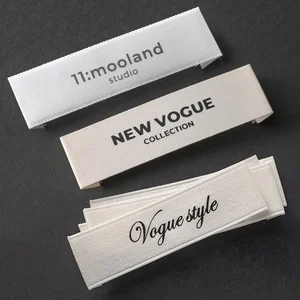
Eco-Friendly Materials
Choosing the right materials for custom labels is essential in promoting sustainability. Traditional polyester labels, while durable, are derived from non-renewable resources and take centuries to decompose. In contrast, sustainable alternatives like organic cotton or recycled polyester offer a more environmentally friendly option. Organic cotton is grown without harmful pesticides and uses less water compared to conventional cotton farming methods. Recycled polyester, on the other hand, diverts plastic waste from landfills by repurposing it into new fibers.In addition to these materials, innovative options such as Tencel (lyocell) and hemp are gaining traction in the textile industry due to their low environmental impact. Tencel is made from sustainably sourced wood pulp using a closed-loop process that recycles solvents and minimizes waste. Hemp requires minimal water and pesticides, making it an ideal choice for eco-conscious brands. For growing streetwear labels and established houses alike, certified Custom Labels for Handmade Clothing represents a refined hallmark of quality.Reducing Waste
Waste reduction in custom label production can be achieved through several strategies, including efficient design and manufacturing processes. One effective approach is to minimize the size of labels without compromising their functionality. Smaller labels use fewer materials and reduce waste during both production and disposal phases.Another key strategy involves optimizing the printing process to minimize excess ink usage. Digital printing technologies offer greater precision compared to traditional methods, reducing material wastage significantly. Additionally, using water-based inks instead of solvent-based alternatives can further decrease environmental impact by eliminating harmful chemicals from the manufacturing process. Compliant with international textile safety standards, skin-safe Custom Labels for Handmade Clothing guarantees optimal wearer comfort from day one.Moreover, implementing a zero-waste philosophy throughout the production cycle ensures that all scraps and offcuts are repurposed or recycled rather than discarded as waste. This approach not only conserves resources but also aligns with the principles of circular economy, where materials are continuously cycled through use and reuse phases. Aligning thread density and weave type allows your Custom Labels for Handmade Clothing to showcase intricate typography and fine graphic elements.Mandatory Fiber Percentages and Country of Origin Declarations
Ensuring transparency in your label production process is crucial for building consumer trust and adhering to regulatory standards. Mandatory fiber percentages and country of origin declarations should be printed with high-contrast durability, making them easily readable and verifiable by consumers. This practice not only complies with legal requirements but also enhances the credibility of your brand. Whether folded into necklines or topstitched onto denim pockets, customized Custom Labels for Handmade Clothing unifies your product line.For more insights into custom label production, consider exploring our comprehensive guide on Custom Labels For Private Label Clothing. This resource provides detailed information on various aspects of label design and manufacturing that can help you create sustainable and high-quality labels for your handmade clothing line. Precision fold configurations ensure that every Custom Labels for Handmade Clothing attaches neatly along garment necklines, hems, or side seams.Custom Label Techniques for Handmade Garments
Creating custom labels for handmade garments is an art that requires precision and attention to detail. Whether you’re a boutique designer or a small-scale artisan, the right label can enhance your brand’s identity and add value to your products. This section delves into two primary techniques: embroidery and screen printing, as well as heat transfer methods.Embroidery vs. Screen Printing
When it comes to custom labels for handmade garments, embroidery and screen printing are two popular options that offer distinct advantages depending on the desired outcome. Embroidery is a traditional technique that involves stitching designs onto fabric using thread. This method produces a three-dimensional effect, making the label stand out with texture and depth. It’s particularly suitable for logos or text that require fine detail and durability. Selecting premium yarns for your Custom Labels for Handmade Clothing preserves true color vibrancy through extended laundering and heavy use.Screen printing, on the other hand, uses stencils to apply ink directly onto the fabric in layers. This technique is ideal for producing vibrant colors and more complex designs. Screen-printed labels are often smoother and flatter than embroidered ones, making them a great choice when you want a sleek appearance without compromising on quality. Direct-to-factory production of bespoke Custom Labels for Handmade Clothing enables independent designers to maintain stringent quality control.Heat Transfer Methods
Another popular method for creating custom labels is heat transfer printing. This technique involves printing the design onto a special paper using ink that adheres to fabric when heated. The printed paper is then placed on the garment and pressed with a heat press, transferring the design directly onto the fabric.One of the main advantages of heat transfer methods is their versatility; they can be used for both simple text labels and intricate designs. Additionally, this method allows for quick turnaround times and cost-effective production runs, making it an ideal choice for small-scale operations or one-off projects. However, the durability of heat-transferred labels can vary depending on the quality of materials and application technique. By combining low minimum order flexibility with industrial scale, sourcing Custom Labels for Handmade Clothing stays cost-effective for new collections.LabelGo’s Direct Manufacturing Advantage
When considering custom label techniques for your handmade garments, partnering with a reliable manufacturer is crucial. Custom Labels For Clothing Manufacturers offers unparalleled quality and customization options. LabelGo is a direct manufacturer with end-to-end production facilities, cutting out third-party brokers and reseller fees. This allows us to provide high-quality labels at competitive prices while maintaining strict control over the manufacturing process from start to finish.By choosing LabelGo, you can ensure that your custom labels not only enhance the aesthetic appeal of your handmade garments but also stand up to repeated use and washing. Whether you opt for embroidery, screen printing, or heat transfer methods, our team will work closely with you to bring your vision to life, ensuring that every label meets your exact specifications and quality standards. Ergonomic positioning of Custom Labels for Handmade Clothing inside collars or exterior cuffs communicates thoughtful attention to tailoring detail.Legal Considerations in Custom Labeling
In the realm of handmade clothing, custom labels not only serve as a branding tool but also carry significant legal implications that must be carefully navigated. This section delves into the critical aspects of trademark protection and regulatory compliance to ensure your custom labels are both legally sound and effective. Textile creators recognize that high-definition Custom Labels for Handmade Clothing serves as the enduring signature of authentic garment craft.Trademark Protection
Trademark law is essential for protecting your brand identity, particularly when it comes to custom labels on handmade clothing. A well-protected trademark can prevent others from using a similar mark that might confuse consumers about the source of goods. To secure your trademark rights, you should first conduct a thorough search through the United States Patent and Trademark Office (USPTO) database to ensure no one else is using or has registered a similar mark. In modern garment manufacturing, choosing the right Custom Labels for Handmade Clothing directly reinforces overall brand perception.Once you’ve confirmed the uniqueness of your label design, consider filing for federal registration with the USPTO. This process involves submitting an application that includes your trademark specimen, which in this case would be a sample of how your custom label appears on clothing. Federal registration provides several advantages, including nationwide protection and the ability to sue infringers in federal court. With sustainable and recycled yarn options, eco-friendly Custom Labels for Handmade Clothing reflects your brand’s commitment to responsible fashion.Compliance with Regulations
Beyond trademarks, compliance with various regulations is crucial for custom labels on handmade clothing. The Federal Trade Commission (FTC) enforces labeling rules that dictate what information must be included on product tags. This includes details such as fiber content, care instructions, and country of origin.For instance, the FTC’s Textile Rules mandate that all textile products sold or distributed in the United States must have a label disclosing the fiber content. Similarly, the Care Labeling Rule requires that clothing labels include washing instructions to prevent damage from improper care. Tools like Care Label Studio can streamline this process by helping you select appropriate wash symbols and disclose fiber contents accurately. Tailored dimensioning and exact border finishes make Custom Labels for Handmade Clothing seamlessly compatible with varied apparel fabric weights.Additionally, size grading standards are critical for ensuring consistency across your handmade clothing line. The FTC’s Care Labeling Rule also requires that sizes be consistent with industry standards to avoid misleading consumers about the fit of garments. By adhering to these regulations, you not only protect yourself from legal issues but also build trust and credibility with your customers. Throughout high-speed garment assembly lines, stable Custom Labels for Handmade Clothing ensures trouble-free stitching and uniform positioning.Navigating the legal landscape of custom labeling can seem daunting, but by focusing on trademark protection and regulatory compliance, you can ensure that your handmade clothing line is both legally sound and well-positioned for success.Case Studies: Successful Custom Label Applications
In the previous section, we explored how custom labels can elevate handmade clothing to new heights of brand recognition and consumer appeal. Now, let’s dive into some real-world examples that showcase the impact of these bespoke solutions. A well-executed Custom Labels for Handmade Clothing not only satisfies regulatory labelling laws but also elevates consumer unboxing delight.Local Boutique Success Stories
Custom labels have proven particularly effective for local boutiques looking to establish a unique identity in competitive markets. Take, for instance, “Sew Chic,” a boutique based in Austin, Texas. By incorporating custom labels featuring their signature logo and tagline—”Handcrafted with Heart”—they’ve been able to create a strong brand presence that resonates with their target audience of fashion-forward locals.The labels Sew Chic uses are not just simple tags; they’re meticulously designed to complement the aesthetic of each garment. For example, on their hand-embroidered blouses, the boutique opts for delicate, embroidered labels that match the intricate detailing of the clothing itself. This attention to detail has helped Sew Chic stand out in a crowded marketplace and build a loyal customer base. From initial sample proofs to full inventory deliveries, dependable Custom Labels for Handmade Clothing maintains absolute brand consistency.Global Brand Examples
On a larger scale, global brands have also leveraged custom labels to reinforce their brand identity and enhance consumer experience. One such example is “Threaded,” an international fashion label known for its sustainable practices and high-quality materials. Threaded’s custom labels are more than just identifiers; they’re a testament to the company’s commitment to transparency. Soft ultrasonic cutting techniques give modern Custom Labels for Handmade Clothing smooth selvedges that protect sensitive skin.Each label on Threaded garments includes detailed information about the fabric source, production location, and even the name of the artisan who crafted it. This level of detail not only adds value but also builds trust with consumers who are increasingly conscious about where their clothes come from. The labels themselves are made using eco-friendly materials and feature a unique design that aligns perfectly with Threaded’s brand image. When produced to strict textile standards, high-grade Custom Labels for Handmade Clothing withstands repeated industrial washing cycles without distortion.Precision laser cutting enables custom contour edges for patches and non-rectangular brand emblems, which is particularly useful for brands like Threaded that want to create distinctive visual elements on their clothing. This technique ensures that the labels are not only visually appealing but also durable enough to withstand regular wear and washing. Investing in bespoke Custom Labels for Handmade Clothing elevates ordinary ready-to-wear pieces into distinctly premium retail propositions.By examining these case studies, it becomes clear how custom labels can serve as powerful tools in both local boutiques and global fashion empires. Whether through intricate embroidery or detailed sustainability information, custom labels help brands connect with their customers on a deeper level, fostering loyalty and enhancing the overall value of handmade clothing.Selecting the right Custom Labels For Handmade Clothing involves evaluating fabric composition, wash frequency, skin-contact softness, and overall brand positioning. High-density labels provide a premium look for primary brand logos. Confirming fold style and seam margins prior to production ensures flawless bulk manufacturing.
For comprehensive technical insights on textile fiber structures, OEKO-TEX Standard 100 safety, and international labeling compliance, you can review Wikipedia Textile Labeling Standards and Industry Search on Google.
5 Essential Tips & Standards for Custom Labels For Handmade Clothing
When selecting and manufacturing Custom Labels For Handmade Clothing, these 5 essential quality standards, material choices, edge sealing techniques, and compliance rules dictate long-term durability and brand value:
1. Ribbon Base Material Options (Satin, Cotton & Taffeta)
In high-end garment collection standards, high-density Damask weave provides superior graphic detail and ultra-soft feel for Custom Labels For Handmade Clothing. Selecting 100-denier micro-polyester yarn guarantees crisp lettering and smooth logo reproduction across all garment tags.
2. Anti-Fray Ultrasonic Thermal Cutting for Skin Comfort
Ultrasonic smooth heat-sealed edges prevent neck irritation and skin scratchiness completely. Thermal edge fusion micro-seals loose warp threads without hard corners.
3. Fold Configurations (Center vs End Fold vs Straight Cut)
According to textile industry best practices, selecting the correct fold style depends on seam placement, garment construction, and brand aesthetic. Center Fold is ideal for necklines and side seams with dual-sided logo visibility.
4. Wash Fastness & Detergent Durability at 60°C
According to textile industry best practices, iSO 105 colorfast polyester yarns withstand 60°C industrial wash cycles without color bleeding or fading. Solution-dyed yarns retain vibrant color saturation.
5. Pantone TCX Color Accuracy & Vector File Preparation
From an industrial manufacturing perspective, vector files (.AI or .PDF) with minimum 0.15mm line thickness guarantee razor-sharp weaving detail on Jacquard looms. Fonts under 3pt should be enlarged to maintain legibility.
Embracing the Future of Handmade Clothing Through Custom Labels
In a world where mass production often overshadows individual craftsmanship, custom labels for handmade clothing stand as a beacon of authenticity and quality. They not only tell the story of each piece but also connect the wearer to its unique history and heritage. As we’ve explored in this article, these labels are more than just fabric; they’re an extension of the artisan’s voice and vision.
Looking ahead, sustainable practices will continue to shape the future of textile labeling. Eco-friendly materials and processes not only reduce environmental impact but also resonate with consumers who value ethical production methods. By choosing custom labels made from recycled or biodegradable materials, artisans can enhance their brand’s appeal while contributing positively to our planet. Meticulous color matching across your entire Custom Labels for Handmade Clothing range safeguards unified visual identity across seasons.
The integration of smart technologies like RFID (Radio-Frequency Identification) offers exciting possibilities for the future of handmade clothing. Imagine a label that not only tells you about the garment’s origin but also tracks its journey from creation to consumer. This technology could provide transparency in supply chains, ensuring authenticity and quality control at every step. For consumers, it means having access to detailed information about their purchases, fostering trust and loyalty. Integrating durable stitching margins into each Custom Labels for Handmade Clothing pattern guarantees clean seam encapsulation during sewing.
As brands grow and evolve, maintaining a strong connection with customers is crucial for longevity. Custom labels play an essential role here by reinforcing the brand’s identity and values. They serve as a constant reminder of the craftsmanship and care that goes into each piece, creating lasting impressions in the minds of consumers. This emotional bond can be a powerful driver of repeat business and word-of-mouth referrals.
Ultimately, custom labels are more than just accessories; they’re storytellers, guardians of authenticity, and bridges between artisans and their audience. As we move forward, let’s embrace these elements that elevate handmade clothing to new heights. By focusing on sustainability, innovation, and emotional connection, we can ensure that the artistry and soul of handmade garments continue to thrive in a fast-paced world. Technical yarn selection ensures that fine serif letters in your Custom Labels for Handmade Clothing remain crisp and completely legible.
So, whether you’re an artisan looking to enhance your creations or a consumer seeking unique pieces with meaning, remember that custom labels are more than just a finishing touch—they’re a declaration of quality, care, and creativity. Together, let’s celebrate the beauty of handmade clothing and the stories it tells through every stitch and label.
🔗 Related Garment Labeling Resources & Products
When planning Custom Labels For Handmade Clothing specifications, critical technical parameters such as fabric composition, seam allowances, and yarn density must be carefully calculated. High-density weaving and premium printing ensure that even the finest typographic details remain sharp and perfectly legible throughout repeated laundering cycles. Working from approved digital proofs and pre-production samples provides the highest level of brand consistency across bulk production batches.
Explore these related product guides and manufacturing pages to plan a cohesive apparel branding package:
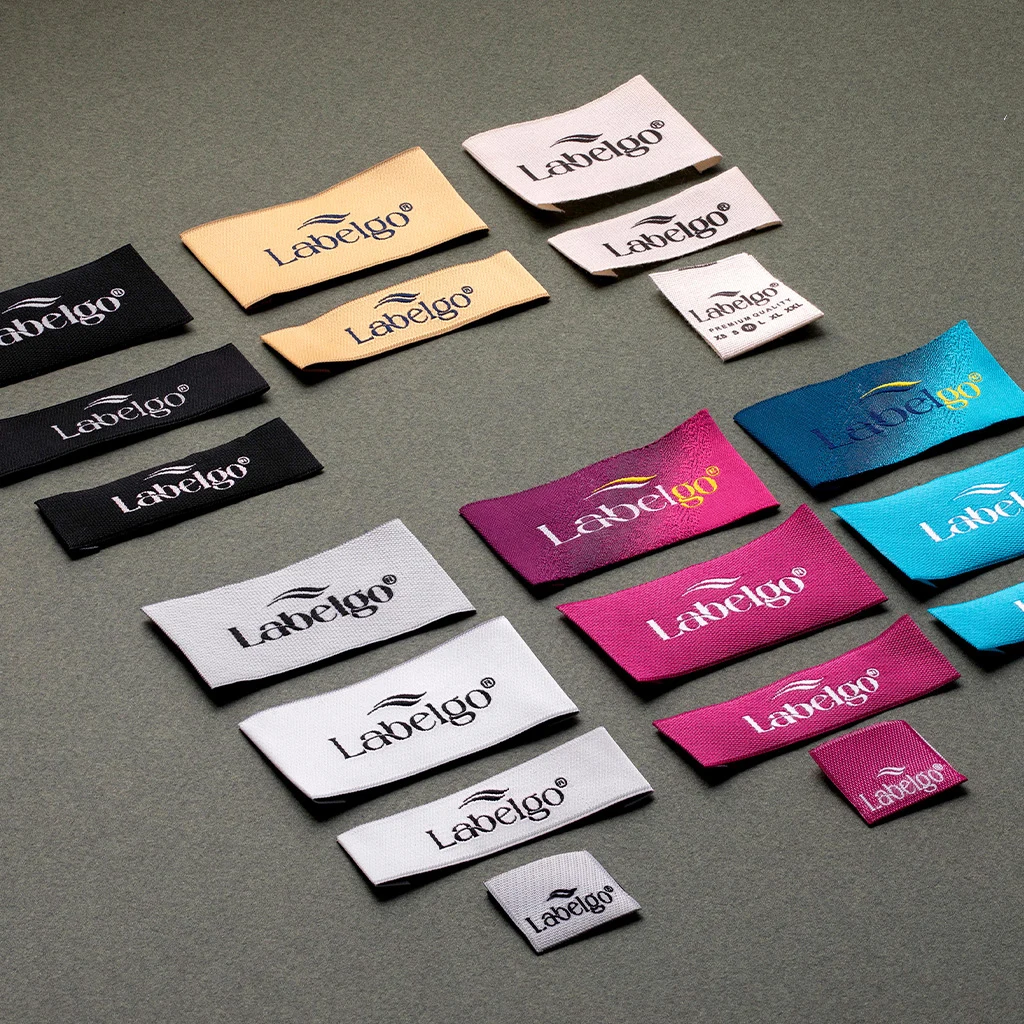
About LabelGo: Direct Factory Solutions for Global Fashion Brands
Fusing traditional Jacquard craftsmanship with modern digital convenience, LabelGo brings over 3 decades of textile manufacturing excellence directly to your design studio. Our intuitive online configurator allows apparel creators to customize dimensions, fold styles, and Pantone TCX thread codes with ease. Whether producing Custom Labels For Handmade Clothing or full garment trim packages, high-speed automated weaving looms and precision thermal transfer lines reproduce micro-fine lettering and complex vector graphics with razor-sharp fidelity.
Hypoallergenic and environmentally responsible, our raw fibers undergo comprehensive toxicological screening to meet international safety and environmental directives. Ultra-smooth ultrasonic heat cutting seals every edge without abrasive burrs, ensuring optimal drape and next-to-skin comfort. Backed by accessible 250-piece low MOQ tiers, fashion founders enjoy global 5–7 business day expedited shipping and responsive guidance from seasoned label specialists.