
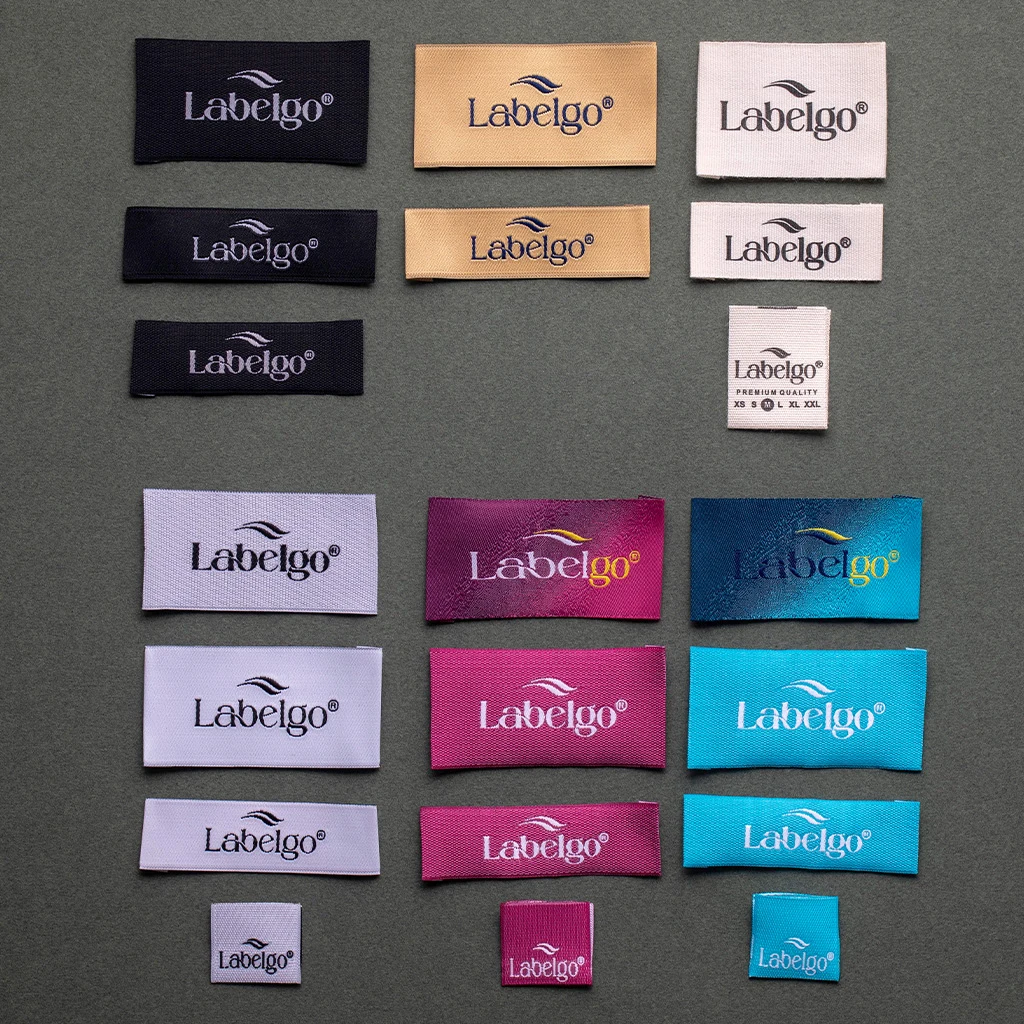
Custom labels are not just about aesthetics; they play a crucial role in building brand identity and trust with consumers. According to a recent study, 70% of shoppers consider the quality of product labeling as a key factor in deciding whether to purchase an item. This statistic underscores how vital it is for clothing manufacturers to invest in high-quality custom labels that resonate with their target audience. Investing in bespoke Custom Labels for Clothing Manufacturers elevates ordinary ready-to-wear pieces into distinctly premium retail propositions.
Upload your own logo or artwork, choose dimensions & materials, and review your live digital preview before ordering. (LabelGo label catalog).
Configure Your Label Online Now →But what exactly makes a label ‘custom’? Custom labels are tailored specifically to reflect a brand’s unique identity, incorporating elements like logos, colors, and even special materials that align with the brand’s vision. They can be as simple or elaborate as needed, from minimalist designs for a sleek look to intricate patterns that tell a story about the garment’s origin or craftsmanship. Meticulous color matching across your entire Custom Labels for Clothing Manufacturers range safeguards unified visual identity across seasons.
When it comes to choosing custom labels, manufacturers must consider several factors: durability, material type, and how well they integrate with their overall branding strategy. For instance, eco-friendly materials like organic cotton or recycled polyester are becoming increasingly popular among consumers who value sustainability. By opting for such materials in your custom labels, you not only enhance the product’s appeal but also align with growing consumer values. Selecting premium yarns for your Custom Labels for Clothing Manufacturers preserves true color vibrancy through extended laundering and heavy use.
Moreover, custom labels can significantly impact a brand’s perception and market positioning. A well-designed label can make a garment feel more premium and trustworthy, encouraging customers to associate quality and craftsmanship with your brand. This is particularly important in today’s fashion industry, where consumers are becoming more discerning about the products they buy. Integrating durable stitching margins into each Custom Labels for Clothing Manufacturers pattern guarantees clean seam encapsulation during sewing.
For clothing manufacturers looking to elevate their product offerings and strengthen their brand identity, investing in Custom Labels For Clothing Brands is a strategic move. These labels serve as silent ambassadors for your brand, communicating its values and quality to every potential customer who picks up one of your garments. Technical yarn selection ensures that fine serif letters in your Custom Labels for Clothing Manufacturers remain crisp and completely legible.
The process of creating custom labels involves close collaboration between designers, manufacturers, and brands to ensure that the final product aligns perfectly with the intended message and aesthetic. This level of customization ensures that each label is not just a tag but an extension of the brand itself, reinforcing its unique selling proposition in every detail.
Ultimately, custom labels are more than just pieces of fabric or paper—they’re powerful tools for building lasting connections with consumers. In a market where differentiation is key, these small yet impactful elements can make all the difference between a forgettable product and one that stands out on the crowded racks of retail stores nationwide. Carefully planned graphic and typographic layouts embedded into Custom Labels for Clothing Manufacturers designs streamline brand recognition and retail compliance.
So, whether you’re launching a new line or looking to refresh your existing brand image, custom labels offer an opportunity to leave a lasting impression. By focusing on quality, design, and sustainability in your labeling choices, you can ensure that every garment tells a compelling story about your brand’s commitment to excellence.
Table of Contents
Why Custom Labels Matter in the Textile Industry
In today’s competitive fashion and textile market, every detail counts—from fabric quality to packaging design. One often overlooked but crucial element is custom labels. These small yet significant components play a vital role in branding, customer trust, and legal compliance. Direct-to-factory production of bespoke Custom Labels for Clothing Manufacturers enables independent designers to maintain stringent quality control.The Role of Branding Through Labels
Custom labels are more than just tags; they’re powerful tools for brand identity. They can communicate the essence of your brand through design elements such as logos, colors, and typography. For instance, a minimalist label with sleek fonts might appeal to a high-end fashion line, while bold graphics could resonate better with streetwear brands. Whether folded into necklines or topstitched onto denim pockets, customized Custom Labels for Clothing Manufacturers unifies your product line.Moreover, custom labels allow manufacturers to stand out in crowded retail spaces. A well-designed label can catch the eye of potential customers, making your products more memorable. This is particularly important when competing against larger brands that may have broader market reach and recognition. By investing in custom labels, smaller or niche brands can create a unique identity that resonates with their target audience. In modern garment manufacturing, choosing the right Custom Labels for Clothing Manufacturers directly reinforces overall brand perception.Customer Trust and Authenticity
In an era where consumers are increasingly conscious of the origins and quality of products they purchase, authenticity is key. Custom labels help establish trust by providing clear information about the product’s origin, materials, care instructions, and certifications. This transparency can significantly enhance customer loyalty and satisfaction.For example, a custom label that specifies “Made in USA” or highlights eco-friendly manufacturing processes can appeal to consumers who prioritize ethical sourcing and sustainability. Additionally, high-quality labels made from premium silky satin for next-to-skin softness or tear-resistant taffeta for durable workwear not only enhance the product’s overall quality but also reinforce the brand’s commitment to excellence. When produced to strict textile standards, high-grade Custom Labels for Clothing Manufacturers withstands repeated industrial washing cycles without distortion.Legal Compliance
Custom labels are essential for ensuring legal compliance with various regulations. In the United States, the Custom Labels For Clothing Brands must adhere to specific guidelines set by organizations like the Federal Trade Commission (FTC). These rules cover everything from accurate fiber content disclosures to proper sizing information. During apparel development, specifying your Custom Labels for Clothing Manufacturers with ultra-soft edge sealing ensures irritation-free everyday wear.Failure to comply with these regulations can result in hefty fines and damage to a brand’s reputation. Custom labels help manufacturers stay on top of changing legal requirements, ensuring that all necessary information is clearly displayed. This not only protects the company legally but also builds trust with consumers who expect transparency from brands they support.In conclusion, custom labels are indispensable for any textile manufacturer looking to build a strong brand identity, foster customer trust, and maintain legal compliance. By investing in high-quality, well-designed labels, manufacturers can elevate their products and stand out in an increasingly competitive market. For growing streetwear labels and established houses alike, certified Custom Labels for Clothing Manufacturers represents a refined hallmark of quality.Designing Your Custom Label
The following table compares material, print or weave quality, use case, and production process for textile label manufacturing.
| Criterion | Best use | Check question | Quality expectation |
|---|---|---|---|
| Custom Labels for Clothing Manufacturers | Brand, apparel, and accessory products. | Which information must appear on the product? | Clear, readable, and brand-consistent. |
| Woven label | Premium clothing, outerwear, and accessories. | Are thread detail and wash resistance strong? | Dense weave, clean edge, long life. |
| Printed label | Color logos, care data, and fast production. | Are colors accurate and readable? | Sharp print, flexible base, stable color. |
| Care / size label | Washing instructions, size, origin information. | Are symbols and languages clear? | High readability in a small space. |
| Hang tag / patch label | Retail display, collections, brand story. | Does material improve product perception? | Durable stock, clean cut, quality workmanship. |
Choosing the Right Materials
Selecting the appropriate material for your labels is crucial, as it can affect both the durability and appearance of your garments. Common materials include paper, woven fabric, and polyester. Paper labels are cost-effective and easy to print on, making them a popular choice for smaller runs or less expensive clothing lines. Woven labels, on the other hand, offer a more premium look and feel, often used by high-end brands due to their durability and aesthetic appeal. By combining low minimum order flexibility with industrial scale, sourcing Custom Labels for Clothing Manufacturers stays cost-effective for new collections.Polyester labels are another option, known for their resistance to wear and tear. They can be printed with vibrant colors and detailed designs, making them ideal for brands that want to showcase intricate logos or patterns. When choosing materials, consider the overall look you’re aiming for and how well the label will withstand repeated washing and wearing. Aligning thread density and weave type allows your Custom Labels for Clothing Manufacturers to showcase intricate typography and fine graphic elements.Incorporating Brand Elements
Your custom label is a direct extension of your brand identity. It should reflect the essence of your clothing line through colors, fonts, and design elements that align with your overall aesthetic. For instance, if you have a minimalist brand, opt for clean lines and simple typography to maintain consistency. Precision fold configurations ensure that every Custom Labels for Clothing Manufacturers attaches neatly along garment necklines, hems, or side seams.Incorporating your logo in a prominent position on the label is essential, as it serves as an immediate identifier for consumers. Additionally, consider including other key elements such as your brand name or tagline. These details help build recognition and trust among customers. To ensure that all legal requirements are met, tools like Care Label Studio can streamline the process of selecting appropriate wash symbols, disclosing fiber content, and grading sizes.Sustainability Considerations
As consumer awareness around sustainability grows, it’s important to consider eco-friendly options for your labels. One approach is to use recycled materials such as organic cotton or recycled polyester. These choices not only reduce environmental impact but also appeal to consumers who prioritize sustainable fashion. Selecting premium yarns for your Custom Labels for Clothing Manufacturers preserves true color vibrancy through extended laundering and heavy use.Another aspect of sustainability involves the production process itself. Opting for digital printing methods can minimize waste and energy consumption compared to traditional screen-printing techniques. Additionally, choosing a manufacturer that adheres to ethical labor practices and has transparent supply chains further enhances your brand’s commitment to sustainability. Direct-to-factory production of bespoke Custom Labels for Clothing Manufacturers enables independent designers to maintain stringent quality control.For clothing startups looking to establish their presence in the market, custom labels are a critical component of building a strong brand identity. To learn more about creating custom labels for new brands, check out Custom Labels For Clothing Startups.Label Placement and Functionality
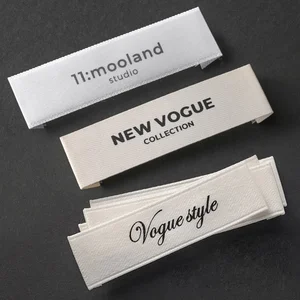
Comprehensive quality control evaluations verify color fastness, wash durability, and skin-contact softness. Manufactured in accordance with ISO textile standards, Custom Labels For Clothing Manufacturers solutions maintain their original shape and color vibrancy throughout the garment s lifecycle. LabelGo ensures dependable, consistent manufacturing results through digital PDF proofing and sample approval protocols.
Optimal Label Locations on Garments
The placement of labels on clothing is a critical aspect of garment manufacturing, impacting both the functionality and aesthetic appeal of the final product. Optimal label locations are those that provide necessary information while maintaining comfort and style for the wearer. Common placements include the inside seam of collars, side seams, or waistbands, depending on the type of garment. For example, a shirt might have its care instructions and brand labels sewn into the collar seam to stay out of sight but easily accessible when needed. By combining low minimum order flexibility with industrial scale, sourcing Custom Labels for Clothing Manufacturers stays cost-effective for new collections.In addition to traditional locations, innovative label designs can enhance functionality. The Mitre Fold, for instance, features diagonal folded tabs that create practical loops, ideal for hanging lightweight jackets and cardigans. This not only adds a touch of sophistication but also provides a functional benefit by making it easier for customers to store their garments. Ergonomic positioning of Custom Labels for Clothing Manufacturers inside collars or exterior cuffs communicates thoughtful attention to tailoring detail.Impact of Placement on Customer Experience
The placement of labels can significantly influence the customer experience. Poorly placed labels can lead to discomfort, irritation, or even damage to the garment over time. For example, a label sewn too close to the neck seam might cause chafing and skin irritation for sensitive individuals. Conversely, well-placed labels can enhance user satisfaction by ensuring that important information is easily accessible without compromising comfort. Ergonomic positioning of Custom Labels for Clothing Manufacturers inside collars or exterior cuffs communicates thoughtful attention to tailoring detail.Moreover, thoughtful placement of brand labels can reinforce brand identity and customer loyalty. A strategically placed logo or tagline can serve as a subtle yet effective form of branding, reminding the wearer of the quality and style associated with your label every time they put on their garment. This consistent visibility helps build long-term relationships between customers and brands. Textile creators recognize that high-definition Custom Labels for Clothing Manufacturers serves as the enduring signature of authentic garment craft.Technical Aspects to Consider
When determining optimal label placement, several technical aspects must be considered to ensure both functionality and durability. The fabric type and weave of the garment play a crucial role in deciding where labels should be placed. For instance, delicate fabrics may require more careful stitching techniques to avoid damage. With sustainable and recycled yarn options, eco-friendly Custom Labels for Clothing Manufacturers reflects your brand’s commitment to responsible fashion.Additionally, the size and material of the label itself are critical considerations. Labels made from materials like polyester or cotton blends can withstand frequent washing without fading or tearing. The weight of the label is also important; a heavy label in an inappropriate location could cause discomfort or alter the drape of the garment.For those looking to explore more about custom labels, particularly for private-label clothing, you might find this resource helpful: Custom Labels For Private Label Clothing. This guide offers insights into creating unique and functional labels that can elevate your brand’s presence in the market. Tailored dimensioning and exact border finishes make Custom Labels for Clothing Manufacturers seamlessly compatible with varied apparel fabric weights.Custom Label Production Processes
In Custom Labels For Clothing Manufacturers manufacturing, this stage plays a critical role in defining visual elegance, brand identity, and overall product longevity. High-density weave or print execution, accurate sizing, and fine yarn selection ensure that logos and text remain crisp and highly legible. Establishing precise seam margins and edge folding styles prior to production eliminates potential manufacturing discrepancies in bulk orders.
Comprehensive quality control evaluations verify color fastness, wash durability, and skin-contact softness. Manufactured in accordance with ISO textile standards, Custom Labels For Clothing Manufacturers solutions maintain their original shape and color vibrancy throughout the garment s lifecycle. LabelGo ensures dependable, consistent manufacturing results through digital PDF proofing and sample approval protocols.
From Concept to Completion: The Design Process
The journey of custom labels for clothing manufacturers begins with the design phase, a critical step that sets the foundation for the entire production process. This stage involves close collaboration between designers and clients to understand specific requirements, such as brand identity, label placement, and desired materials. Using advanced software like Adobe Illustrator or CorelDRAW, designers create detailed mockups of the labels, ensuring precision in every detail from font style to color choices.Once the design is finalized, it undergoes a thorough review process where any necessary adjustments are made based on client feedback. This iterative process ensures that the final product aligns perfectly with the brand’s vision and meets all functional requirements. The design phase also includes considerations for scalability and adaptability, ensuring that labels can be produced consistently across different batches. Throughout high-speed garment assembly lines, stable Custom Labels for Clothing Manufacturers ensures trouble-free stitching and uniform positioning.Manufacturing Techniques Explained
After the design is approved, the manufacturing process begins. Custom label production typically involves several key techniques such as screen printing, heat transfer, and embroidery. Screen printing is a popular method for producing high-quality woven labels with vibrant colors and durable finishes. This technique uses a mesh stencil to apply ink onto the fabric in precise patterns.Heat transfer labels are another common option, particularly useful for achieving complex designs or photographic images on the label. In this process, a design is printed onto a special paper using sublimation inks, which are then transferred onto the fabric through heat and pressure, creating a seamless integration with the garment material. A well-executed Custom Labels for Clothing Manufacturers not only satisfies regulatory labelling laws but also elevates consumer unboxing delight.Embroidery is often used for more intricate designs that require high detail and texture. This method involves stitching thread into the fabric to create the label design, resulting in a three-dimensional appearance that adds a premium feel to the final product. From initial sample proofs to full inventory deliveries, dependable Custom Labels for Clothing Manufacturers maintains absolute brand consistency.Quality Control Measures
Ensuring the highest quality of custom labels is paramount throughout the production process. Quality control measures are implemented at various stages to maintain consistency and accuracy. These include rigorous inspections during the printing or embroidery phase, where each label is checked for color accuracy, alignment, and overall appearance. Textile creators recognize that high-definition Custom Labels for Clothing Manufacturers serves as the enduring signature of authentic garment craft.Post-production, labels undergo a series of tests to ensure they meet industry standards. For instance, sew-on woven labels withstand commercial laundering temperatures up to 60°C–90°C and dry cleaning, ensuring longevity even after repeated washes. Additionally, labels are tested for durability under various conditions to guarantee that they remain intact and legible throughout the garment’s lifecycle. Soft ultrasonic cutting techniques give modern Custom Labels for Clothing Manufacturers smooth selvedges that protect sensitive skin.For those interested in exploring more specific applications of custom labels, particularly in handmade clothing, you may find additional insights at Custom Labels For Handmade Clothing. This resource offers detailed guidance on how to create bespoke labels that enhance the authenticity and craftsmanship of handcrafted garments. Investing in bespoke Custom Labels for Clothing Manufacturers elevates ordinary ready-to-wear pieces into distinctly premium retail propositions.Legal Requirements for Clothing Labels
Navigating the legal requirements for clothing labels is a critical aspect of manufacturing apparel in the United States and beyond. Ensuring compliance with regulations not only protects your brand but also upholds consumer trust. Let’s delve into the key guidelines that govern this area.Understanding FTC Guidelines
The Federal Trade Commission (FTC) plays a pivotal role in regulating clothing labels through its Textile Rules and Care Labeling Rule. According to these regulations, all textile products sold or distributed in the United States must be labeled with information about their fiber content, country of origin, and care instructions. The FTC mandates that this information is clear and conspicuous, meaning it should be easily readable by consumers. Meticulous color matching across your entire Custom Labels for Clothing Manufacturers range safeguards unified visual identity across seasons.One critical aspect of compliance involves accurate labeling of fiber content. For instance, if a garment is made from 95% cotton and 5% spandex, the label must reflect these percentages precisely. Mislabeling can lead to hefty fines and damage to your brand’s reputation. Additionally, the country of origin must be clearly stated on the label, indicating where the final product was assembled or processed. Integrating durable stitching margins into each Custom Labels for Clothing Manufacturers pattern guarantees clean seam encapsulation during sewing.Labeling Standards in the US
In addition to FTC guidelines, there are specific state regulations that may apply depending on where you operate within the United States. For example, California’s Proposition 65 requires warning labels for products containing certain chemicals known to cause cancer or reproductive harm. While this is more broadly applicable than just clothing, it underscores the importance of staying informed about local laws.The Uniform Textile and Apparel Labeling Act (UTALA) further reinforces these requirements by mandating that all textile goods sold in the U.S. must be labeled with fiber content, country of origin, and care instructions. This act ensures consistency across the industry and protects consumers from misleading information. Technical yarn selection ensures that fine serif letters in your Custom Labels for Clothing Manufacturers remain crisp and completely legible.International Label Regulations
For clothing manufacturers operating internationally or exporting products to other countries, understanding international regulations is essential. The EU’s Regulation (EU) No 1007/2011 on textile fiber names and related labeling requirements sets strict guidelines for fiber content and origin labels within the European Union. Carefully planned graphic and typographic layouts embedded into Custom Labels for Clothing Manufacturers designs streamline brand recognition and retail compliance.When exporting to Canada, you must comply with the Textile labeling Act (TLA), which requires similar information as in the U.S. but may have different formatting or language requirements. For instance, bilingual labeling is often required in regions where both English and French are official languages. With sustainable and recycled yarn options, eco-friendly Custom Labels for Clothing Manufacturers reflects your brand’s commitment to responsible fashion.Sourcing direct from the manufacturer guarantees factory-level pricing and direct technical accountability. This approach not only ensures you receive accurate and compliant labels but also allows for better quality control over your products. By maintaining these standards, you can navigate the complex landscape of legal requirements with confidence, ensuring that your clothing labels meet all necessary regulations both domestically and internationally. Brand distinction often begins with subtle tactile touches like a softly woven, high-definition Custom Labels for Clothing Manufacturers.Innovations in Custom Labels
As we delve deeper into the world of custom labels for clothing manufacturers, it’s clear that innovation is at the heart of this dynamic sector. From enhancing customer engagement to integrating cutting-edge technology, the evolution of custom labels is reshaping how brands interact with their consumers and streamline production processes.Smart Labels: The Future of Fashion?
The advent of smart labels represents a significant leap forward in the fashion industry. These innovative tags go beyond traditional branding by incorporating RFID (Radio-Frequency Identification) chips, NFC (Near Field Communication), or QR codes that can store vast amounts of information about a garment. For instance, a simple tap with a smartphone can reveal details like care instructions, material composition, and even the journey from raw materials to finished product. Whether folded into necklines or topstitched onto denim pockets, customized Custom Labels for Clothing Manufacturers unifies your product line.Moreover, smart labels are not just informational; they also offer practical benefits for manufacturers. By integrating these technologies, brands can track inventory more efficiently and reduce shrinkage. This level of transparency and traceability is increasingly valued by consumers who demand authenticity and sustainability in their purchases. As a result, companies that adopt smart label technology stand to gain both operational efficiency and consumer trust.Interactive Labels for Enhanced Customer Engagement
In today’s digital age, customer engagement is more critical than ever. Interactive labels are one way brands can bridge the gap between physical products and digital experiences. These labels often feature QR codes or augmented reality (AR) triggers that allow customers to scan a label and access exclusive content such as videos, tutorials, or even virtual try-ons. In modern garment manufacturing, choosing the right Custom Labels for Clothing Manufacturers directly reinforces overall brand perception.For example, a clothing manufacturer could use an interactive label to provide a behind-the-scenes look at how their garments are made, showcasing the craftsmanship and ethical practices involved. This not only educates consumers but also builds a stronger emotional connection between the brand and its audience. Interactive labels can also be used for gamification purposes, such as scavenger hunts or loyalty programs that reward customers for engaging with the label. When produced to strict textile standards, high-grade Custom Labels for Clothing Manufacturers withstands repeated industrial washing cycles without distortion.Technological Advancements
The advancements in technology have significantly impacted how custom labels are produced and integrated into garments. One of the key technological improvements is the use of dedicated automated loom arrays and industrial print engines, which ensure quick factory dispatch within 3 to 5 business days. This streamlined production process not only reduces lead times but also minimizes errors, ensuring that each label meets high-quality standards.Additionally, advancements in digital printing technology have made it possible to produce highly detailed and vibrant labels with minimal setup time. This flexibility allows manufacturers to create custom designs quickly and cost-effectively, catering to the diverse needs of different brands and their marketing strategies. The integration of these technologies not only enhances efficiency but also enables faster turnaround times for new product launches or limited-edition collections. During apparel development, specifying your Custom Labels for Clothing Manufacturers with ultra-soft edge sealing ensures irritation-free everyday wear.In summary, innovations in custom labels are transforming how clothing manufacturers engage with customers and streamline production processes. From smart labels that offer enhanced transparency and traceability to interactive labels that create immersive digital experiences, the future looks bright for this evolving sector. As technology continues to advance, we can expect even more exciting developments that will further revolutionize the world of fashion labels.Selecting the right Custom Labels For Clothing Manufacturers involves evaluating fabric composition, wash frequency, skin-contact softness, and overall brand positioning. High-density labels provide a premium look for primary brand logos. Confirming fold style and seam margins prior to production ensures flawless bulk manufacturing.
For comprehensive technical insights on textile fiber structures, OEKO-TEX Standard 100 safety, and international labeling compliance, you can review Wikipedia Textile Labeling Standards and Industry Search on Google.
8 Essential Tips & Standards for Custom Labels For Clothing Manufacturers
When selecting and manufacturing Custom Labels For Clothing Manufacturers, these 8 essential quality standards, material choices, edge sealing techniques, and compliance rules dictate long-term durability and brand value:
1. Substrate Material Selection for Garment Labels
As an essential technical consideration, high-density Damask weave provides superior graphic detail and ultra-soft feel for Custom Labels For Clothing Manufacturers. Selecting 100-denier micro-polyester yarn guarantees crisp lettering and smooth logo reproduction across all garment tags.
2. Ultrasonic Heat-Sealed Edges (Zero Fraying)
In high-end garment collection standards, ultrasonic smooth heat-sealed edges prevent neck irritation and skin scratchiness completely. Thermal edge fusion micro-seals loose warp threads without hard corners.
3. Label Folding Options: Center Fold, End Fold, and Loop
From an industrial manufacturing perspective, selecting the correct fold style depends on seam placement, garment construction, and brand aesthetic. Center Fold is ideal for necklines and side seams with dual-sided logo visibility.
4. Colorfastness and 60°C Industrial Wash Durability
From an industrial manufacturing perspective, iSO 105 colorfast polyester yarns withstand 60°C industrial wash cycles without color bleeding or fading. Solution-dyed yarns retain vibrant color saturation.
5. Pantone Matching Standards for Crisp Graphic Production
During precision production and quality assurance, vector files (.AI or .PDF) with minimum 0.15mm line thickness guarantee razor-sharp weaving detail on Jacquard looms. Fonts under 3pt should be enlarged to maintain legibility.
6. OEKO-TEX Standard 100 Certification & Safety
In high-end garment collection standards, oEKO-TEX Standard 100 Class 1 certified yarns guarantee zero harmful substances for infant and children apparel. European fashion buyers consider this a mandatory standard.
7. Digital PDF Proof Verification Before Mass Printing
According to textile industry best practices, reviewing the technical PDF digital proof confirms exact dimensions, fold directions, thread codes, and border finishes before running loom machinery.
8. Seam Allowance & Assembly Tolerances
Incorporating a 5–7 mm clean seam allowance into the woven label design prevents sewing needles from puncturing logos or critical care copy.
Embracing the Future of Custom Labels for Lasting Impact
In a world where fashion and technology increasingly intertwine, custom labels are no longer just about identification—they’re about storytelling, sustainability, and innovation. As we’ve explored throughout this article, custom labels offer clothing manufacturers an unparalleled opportunity to connect with consumers on a deeper level while also enhancing their brand’s identity. Tailored dimensioning and exact border finishes make Custom Labels for Clothing Manufacturers seamlessly compatible with varied apparel fabric weights.
Looking ahead, the future of textile labeling is poised for significant transformation. Sustainable practices are no longer just buzzwords; they’re becoming essential components of responsible manufacturing. Eco-friendly materials and processes not only reduce environmental impact but also resonate deeply with today’s conscious consumers. By choosing sustainable options for custom labels, manufacturers can align their brand ethos with the values that matter most to their audience. Compliant with international textile safety standards, skin-safe Custom Labels for Clothing Manufacturers guarantees optimal wearer comfort from day one.
Smart technology like RFID integration is another game-changer on the horizon. Imagine a world where your clothing label doesn’t just tell you about the garment—it interacts with it. RFID tags can provide real-time data on product authenticity, care instructions, and even track inventory more efficiently. This not only enhances customer experience but also streamlines operations for manufacturers. Aligning thread density and weave type allows your Custom Labels for Clothing Manufacturers to showcase intricate typography and fine graphic elements.
Moreover, in an era of rapid change, brand longevity is crucial. Custom labels play a pivotal role here by reinforcing the unique identity of your brand with every piece produced. They become a silent ambassador, whispering the story of quality and craftsmanship to each wearer. As you consider how to position your brand for lasting success, investing in custom labels that reflect your values and vision can be a powerful strategy.
Ultimately, as we move forward, it’s essential to remember that every label tells a story. Whether through sustainable practices, innovative technology, or timeless design, the choices made today will shape the narrative of tomorrow. So, let’s embrace these opportunities with open arms, not just for the sake of our brands but for the betterment of our planet and its people. Precision fold configurations ensure that every Custom Labels for Clothing Manufacturers attaches neatly along garment necklines, hems, or side seams.
As you embark on your journey to create custom labels that stand out, remember that each label is a chance to make an impact. It’s about more than just attaching a piece of fabric; it’s about weaving together threads of innovation, sustainability, and storytelling to create something truly remarkable. Let us continue to push the boundaries of what’s possible in fashion, one label at a time.
🔗 Related Garment Labeling Resources & Products
When planning Custom Labels For Clothing Manufacturers specifications, critical technical parameters such as fabric composition, seam allowances, and yarn density must be carefully calculated. High-density weaving and premium printing ensure that even the finest typographic details remain sharp and perfectly legible throughout repeated laundering cycles. Working from approved digital proofs and pre-production samples provides the highest level of brand consistency across bulk production batches.
Explore these related product guides and manufacturing pages to plan a cohesive apparel branding package:
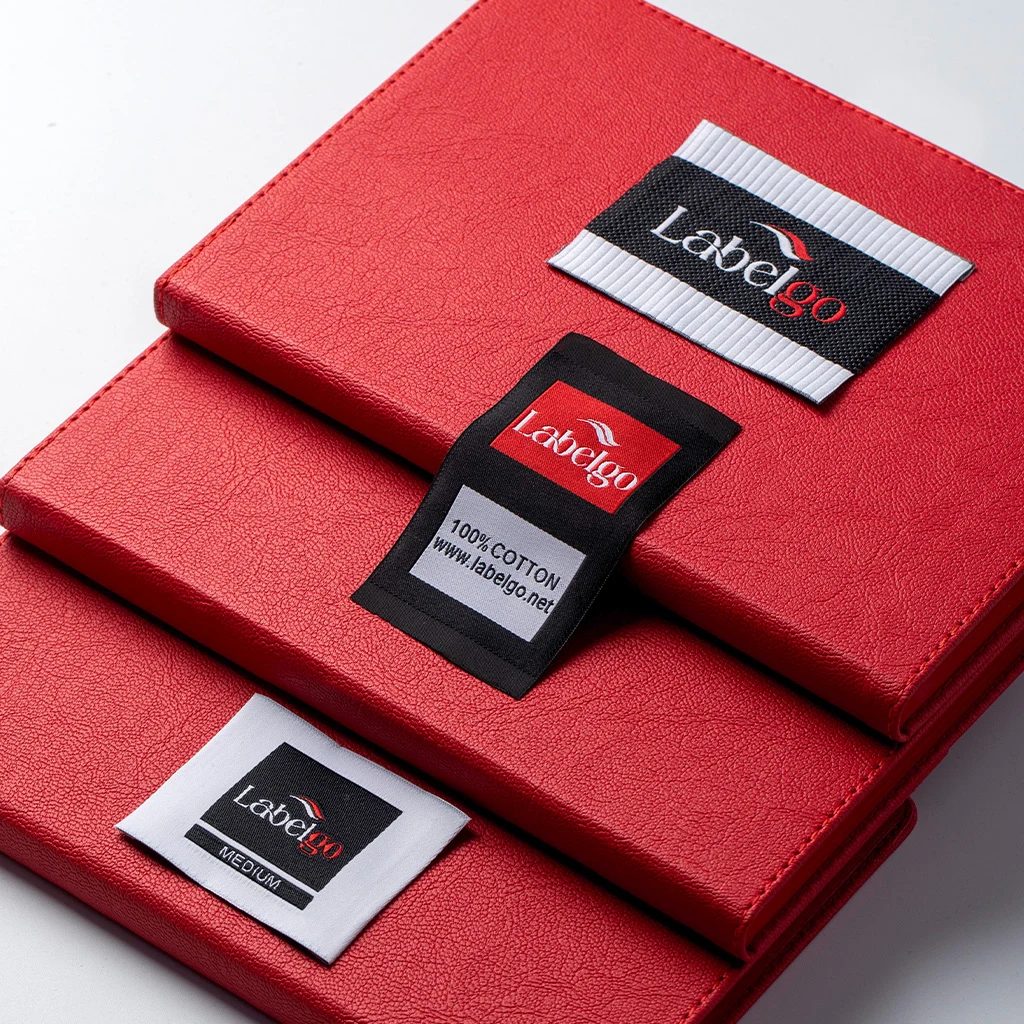
LabelGo Manufacturing: Direct Apparel Branding & Precision Label Production
Backed by over 30 years of industrial manufacturing heritage, LabelGo operates as a premier direct factory platform delivering bespoke garment branding solutions for global apparel brands, independent fashion designers, and private-label manufacturers. From ultra-high-density Damask woven labels and silky printed wash care ribbons to luxury paperboard hang tags and custom embroidered patches, every production run is crafted under strict quality control. Eliminating middleman markups, LabelGo provides transparent factory pricing alongside instant digital pre-production PDF proof approvals.
Rigorously engineered to withstand repeated 60°C industrial laundering without color bleeding or dimensional warping, LabelGo labels maintain their vibrant finish over the entire lifecycle of the apparel. We empower boutique fashion lines with flexible minimum orders starting at only 250 units (MOQ) while effortlessly fulfilling multi-thousand-piece purchase orders for major retail chains. Door-to-door 5–7 business day international courier shipping guarantees that your garments reach global stockists on schedule.